Anemia in Cats: Signs, Causes & Prevention (Vet Answer)

In this article
Anemia is an insidious disease that can affect your cat. Unfortunately, veterinarians often diagnose anemia when it has progressed to being a significant condition, causing weakness and lethargy. The signs are often subtle, so what do you look for to diagnose anemia in cats? Read on to learn more about the process.

What Is Anemia?
Anemia is when there is not a healthy amount of red blood cells circulating around the body. This health issue can also be due to a reduced amount of hemoglobin in the body.
Red blood cells transport oxygen from the lungs throughout the body. Without adequate levels of red blood cells, your cat will become weak as they can't get enough oxygen to all the areas of the body.
Red blood cells form within the bone marrow. They circulate for roughly two to three months unless they become damaged. In a healthy pet, the old red blood cells get replaced by new red blood cells in a continuous cycle.
Without the healthy amount of red blood cells circulating around the body, the organs do not receive enough oxygen, and this can lead to them failing. Severe anemia can be fatal.

Signs of Anemia in Cats
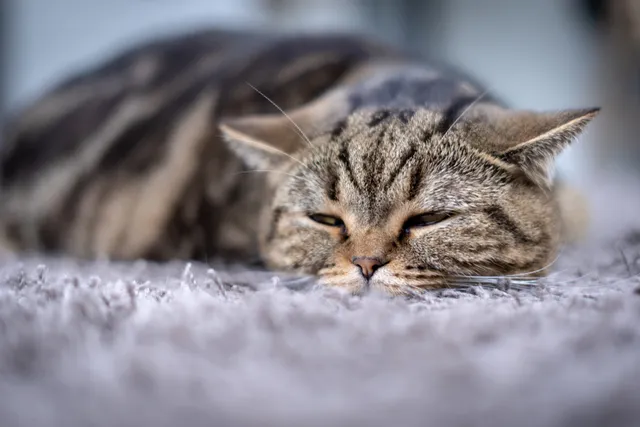
Oxygen is necessary for many of the cellular reactions that occur within your cat's body. An anemic cat is typically tired or lethargic. Unfortunately, lethargy is a relatively nonspecific finding, and in older cats, you might attribute it to their age. Here are some other signs to be aware of:
- Pale gums
- Looking jaundiced or yellow
- Higher-than-average respiratory rate or heart rate (tachypnea and tachycardia)
- Trouble breathing
- Black, tarry stools or even actual blood (hematochezia)
- Diarrhea
- Blood in their urine
- A fever and feel warmer than usual to the touch
If your pet is showing these signs, we suggest you speak to a vet.
Causes of Anemia in Cats
Your veterinarian can classify the causes of anemia into one of the major categories. These are as follows:
- Red blood cell destruction
- Red blood cell loss
- Trouble producing red blood cells
1. Red Blood Cell Destruction
If your cat eats certain toxic things, these substances could trigger your cat's body to destroy red blood cells. Tylenol, garlic, and zinc are just a few materials that can cause erythrocyte oxidative injuries. The spleen helps clean up these damaged red blood cells, taking them out of circulation.
Infectious diseases can also contribute to red blood cell destruction. Often, fleas and ticks transmit these organisms, which is just one of the reasons why you should keep your cat on flea and tick prevention. Some of these infectious agents include:
- Mycoplasma haemofelis
- Cytauxzoon felis
- Babesia
In some cases of feline anemia, cats have immune-mediated hemolytic anemia. While some cases are idiopathic, and we don't know the cause, vaccines or viruses such as feline leukemia may trigger some cases. With this condition, the immune system destroys the cat's red blood cells.

2. Red Blood Cell Loss
Your cat can lose red blood cells in a range of ways. Unfortunately, parasites are a common cause of anemia. Your cat could have fleas or ticks that feed on blood, and these parasites can transmit infections that contribute to anemia.
Injuries can cause anemia. Outdoor cats are in danger of being hit by a car, but even cats that hang out on the balcony can fall from a height.
Some cancers can contribute to blood loss, such as transitional cell carcinoma in the bladder. Abnormalities in the gut, like ulcers, can also be associated with blood loss.
3. Trouble Producing Red Blood Cells
One of the significant conditions affecting senior cats is chronic kidney disease or renal failure. When the kidneys stop functioning normally, a hormone known as erythropoietin isn't produced in appropriate amounts. This chemical messenger tells the bone marrow to produce more red blood cells; you'll have an anemic cat without it.
Anemia of chronic disease is another process where chronic health issues and inflammation cause your cat's bone marrow to produce fewer red blood cells.


Frequently Asked Questions (FAQs)
How can I prevent anemia in cats?
Reducing possible exposure to agents that can cause anemia is essential for preventing anemia in cats. Keeping your cat inside is the best way to accomplish this feat. It'll minimize their possible exposure to fleas and ticks, decrease their chances of getting exposed to viruses like feline leukemia, and virtually eliminate the possibility of getting hit by a car.
Regular preventative care, including screening blood work, can help your veterinarian diagnose potential causes of anemia sooner rather than waiting until your cat is already affected by a low red blood cell count and weak. Earlier intervention with kidney failure could buy your kitty more time.
Preventative care is also crucial for reducing your cat's exposure to internal and external parasites like hookworms and fleas.
Can a cat recover from anemia?
Cats can recover from anemia sometimes, but not all the time. The prognosis and recovery time depend on many factors, from what is causing the anemia to how healthy your cat is overall. A mild case of flea anemia could be treated using flea prevention and environmental control measures, while an autoimmune condition may have a rather poor prognosis for recovery.
What do vets give cats for anemia?
The treatment your veterinarian prescribes for your anemic cat will depend on what the underlying cause of the anemia is and how severe it is. A blood transfusion may be necessary for a cat with a target low packed cell volume, but a mild case might be treatable with a vitamin supplement that contains iron, such as Pet-Tinic.
Conclusion
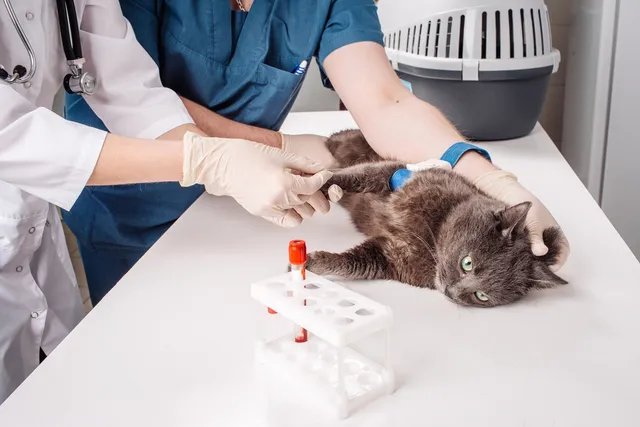
If your cat has anemia, you're probably wondering what you need to do and if there's any way you could have prevented it. Your veterinarian will need to run some diagnostic tests, but they can help determine your cat's prognosis and a treatment plan.
Featured Image Credit: Oporty786, Shutterstock
Expert cat care, straight to your inbox
News, insights, and useful advice, delivered to you.

No spam — unsubscribe anytime.
By signing up, you agree to our Terms & Conditions and Privacy & Cookies Policy.
How useful was this post?
Click a star to rate. You can leave written feedback afterwards. (We read all feedback.)
Dr. Samantha Devine DVM (Veterinarian)
Samantha Devine is a practicing veterinarian who loves to share her experience with animal species and their health. Whether it's a guinea pig question or a pressing matter about something your cat ingested, she strives to provide clear answers. She is passionate about preventative care and firmly believes in the old adage, "An ounce of prevention is worth a pound of cure."
Dr. Devine has been practicing veterinary medicine for over 12 years and has spent a great deal of that time writing online to educate pet owners. In addition to general practice small animal medicine, she has worked with horses. zoo animals and aquatic species. She enjoys all aspects of preventative medicine, from nutrition to vaccines.
Dr. Devine received her degree from the Virginia Maryland Regional College of Veterinary Medicine.