Hookworms in Cats: Vet Reviewed Causes, Signs & Care


In this article
Your cat has just been diagnosed with hookworms, and you’re curious about where they got them, how you are supposed to care for your cat, and how to prevent them from getting hookworms again in the future. Well, hookworms are one of the more common types of intestinal parasites that your cat might develop. They disrupt a cat’s digestive system by invading its small intestine, and we’ll look at exactly how they do that below.

What Are Hookworms?
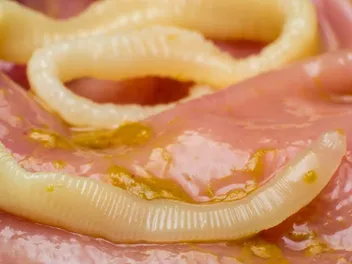
Hookworms are intestinal parasites named after the hook-like mouthpart that they use to attach themselves to the lining of the intestinal wall, where they feed on their host's blood and tissue fluids. They’re about 1/8 inch long and so small in diameter that you can barely make them out with the naked eye. They can cause damage to the area of the intestine where they settle and feed and release a blood-thinning compound that could cause bleeding in your cat’s gastrointestinal tract.

What Are the Signs of Hookworms in Cats?
Several signs indicate your cat has hookworms, including a black tarry stool, which indicates digested blood in the stool, poor hair coat quality, and weight loss. Cats can experience blood loss from the feeding and continued bleeding in the bowel from the hookworm’s attachment sites. This could lead to anemia, which is more common in kittens. You might find your cat has itching and skin irritation, especially on their paws or where the hookworm has entered the skin.
If your pet is showing these signs, we suggest you speak to a vet.
What Are the Causes of Hookworm in Cats?
Hookworms thrive in warm, moist environments and also environments with poor sanitation and overcrowding.
A cat can become infected with hookworms in many ways. They may ingest them by eating vertebrates like rodents or even by eating cockroaches that happen to be carrying hookworm larvae. Kittens can also get them through their mother’s milk.
Hookworms can be passed from one cat’s stool to another through ingestion. Female hookworms will pass on hundreds of microscopic eggs in a cat’s stool, where the larvae will hatch from eggs and stay alive in the soil for weeks or even months. A cat might then inadvertently swallow the larvae by grooming its paws, for example. Most larvae will then move to the intestinal tract and stay there.
Larvae can also burrow into the skin and migrate to the trachea and lungs, where they are then coughed up and swallowed. From there, they make their way to the intestinal tract. It takes around 2–3 weeks for a female to produce eggs.
How Do I Care for a Cat With Hookworms?
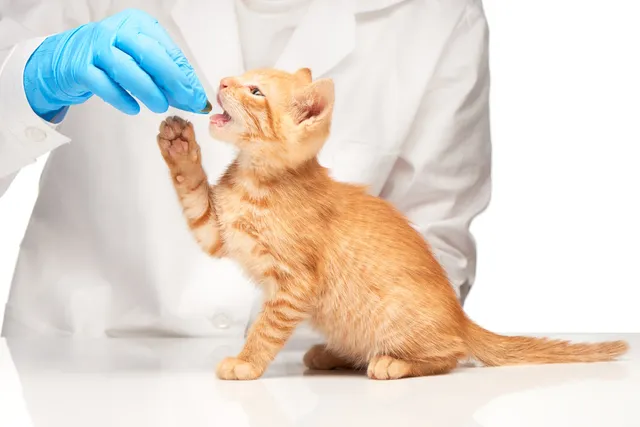
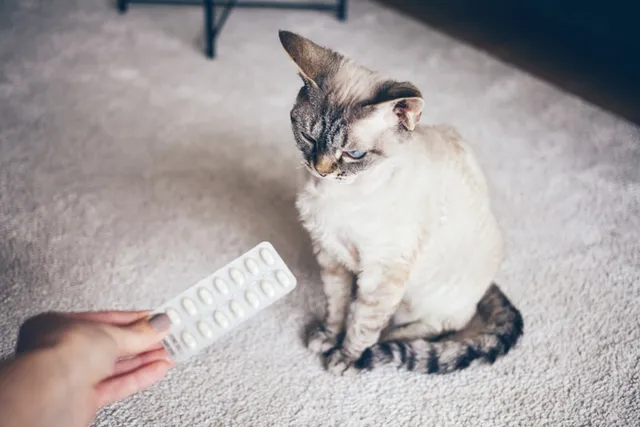
You’ll be relieved to know that the treatment for hookworms is simple, safe, and relatively inexpensive. After the deworming medication has been administered, the adult hookworms will be killed. This is usually done using an anthelmintic, but the problem is that most don't kill the larval stages, so your cat will need at least two treatments given at 2- to 3-week intervals.
Your cat should then make a full recovery. In very rare cases where a cat has suffered from severe anemia, they will need a blood transfusion. Extensive treatments are usually necessary in this case, but this is a very rare example.
You can take some measures to ensure your cat doesn’t become reinfected while recovering and lessen the chances of them getting hookworms in the future.
- Keep clean: Bodily fluids and fecal matter are common sources of parasites, and once your cat has been dewormed, a good way to prevent future infestations is to keep their living area and litter box clean. Also, make sure you are washing your hands after handling cat feces.
- Strict hygiene, especially for children: You should protect your children from potentially contaminated areas. Be mindful of public places like open sandboxes or beaches, for example, and if you have a sandbox in your yard, invest in a fitted cover to prevent the infection of children.
- Stay up to date: Speak to your vet about which medication is right for your cat since monthly medications have been proven to prevent some types of parasites. Also, make sure you are taking your cat for fecal exams. Adult cats should have these once or twice a year to check for parasites. Even if your pet is an indoor cat, they still are at risk of catching hookworms.
- Get your kittens treated: Kittens at risk can be treated with a vet-approved anthelmintic as young as 2 weeks old. Your vet will come up with a schedule to ensure the life cycle of the most common intestinal parasite is effectively broken.
Frequently Asked Questions
Can Indoor Cats Get Hookworms?
Indoor cats can be exposed to carriers like cockroaches and rodents and still get hookworms. It’s also possible for people to track parasites into your house on their belongings and shoes.

Can Humans Get Hookworms From Cats?
While feline hookworms might not affect humans in the same way, they can cause a disease known as cutaneous larva migrans or “ground itch,” which is a migration of hookworms into the human skin.
Conclusion
It’s always worrying when something is wrong with our pet, but thankfully, hookworms are relatively easy to treat. You can also take precautions to lower the risk of your cat getting them again. On very rare occasions, complications like anemia can arise, and the prognosis for these cats isn’t as favorable, which is why it’s essential to look out for those signs and get your cat to the vet as soon as possible for treatment!
Sources
Featured Image Credit: Libre, Shutterstock
Expert cat care, straight to your inbox
News, insights, and useful advice, delivered to you.

No spam — unsubscribe anytime.
By signing up, you agree to our Terms & Conditions and Privacy & Cookies Policy.
How useful was this post?
Click a star to rate. You can leave written feedback afterwards. (We read all feedback.)
Kerry-Ann lives in Scotland and would love to have a bigger garden so she could have her very own Highland cow. But her dogs probably wouldn’t like that idea very much. She has a La Chon called Harry who was sick with a liver shunt when he was a puppy. It wasn't likely he would make it into adulthood, which was difficult to comprehend, but he beat the odds and is a healthy old man now. She also has a Pug called Maddie who is a big foodie. She’s small, sassy, and every day she finds a new way to wind her brother up.
When she isn’t writing you can find Kerry-Ann going for long walks when it isn't raining, reading, or watching cartoons. She would one day like to be a tourist in her own country and travel through the Highlands with her family.