IMHA in Cats: Signs, Causes & Care (Vet-Reviewed)


In this article
IMHA, or immune-mediated hemolytic anemia, describes a condition where the immune system misfires and breaks down the body’s red blood cells, a process called hemolysis. You may see it called autoimmune hemolytic anemia (AIHA) as well. The body inappropriately attacks itself, not unlike other disorders such as celiac disease or lupus. As you may surmise, it can occur in people and animals.
IMHA can be difficult to diagnose and, thus, treat. The complications involving red blood cells or erythrocytes make it a severe condition since it also affects oxygen delivery to the body’s cells. It requires immediate treatment. However, even that is challenging, given its various causes.

What Is IMHA?
The body normally recycles red blood cells because of their limited lifespan. The difference with IMHA is that it does it prematurely by marking them with antibodies and can overwhelm body organs that manage this task, such as the spleen and liver. Remember that these cells carry the oxygen-carrying pigment hemoglobin. Therefore, their destruction also interferes with oxygen transport. It’s easy to see how serious it can become.
IMHA causes a cascading series of events, making it life threatening if not treated promptly. The reduction of oxygen via red blood cells will make your cat noticeably weak. The release of hemoglobin from damaged cells can harm the animal’s kidneys. The iron within the erythrocytes leads to an overproduction of bilirubin in the liver, causing jaundice.
A risk of clots exists because of the red blood cells sticking together. That triggers an inflammatory response, further complicating the condition. It also explains why IMHA can have a high mortality rate, depending on the affected organs and associated outcomes. Interestingly, dogs are more prone to this condition, but the prognosis is better in cats than in canines.
IMHA differs from hemolytic anemias because of the involvement of the immune system. Other conditions that can damage red blood cells include toxicities such as onion poisoning.

What Are the Signs of IMHA?
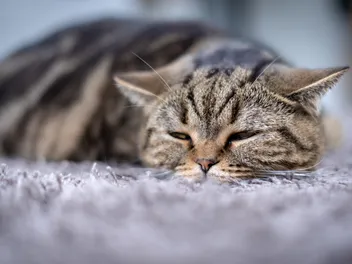
The telltale signs of IMHA involve oxygen delivery. You may notice your cat is lethargic and tires easily. They may have a loss of appetite and seem depressed. The lack of sufficient oxygen may lead to labored breathing and an accelerated heart rate to compensate. Anemic felines often have pale gums, or they may appear jaundiced. The animal’s urine will also darken.
If your cat is showing any of these signs, we recommend speaking with a vet.
What Are the Causes of IMHA?
IMHA is a medical condition and a complication of other health issues. That makes managing it so difficult because your vet must determine whether the immune system is involved in the reaction. A gold standard test doesn’t exist, making diagnosis challenging. Instead, it involves multiple criteria with the aim of pinpointing the problem by exclusion.
Scientists classify IMHA as either primary or secondary. The former refers to idiopathic cases where the cause is unknown, making up to 75% of suspected cases. The latter refers to cases where IMHA may be a complication of another medical condition that has triggered the immune system’s involvement. The diagnosis requires several tests to determine the cause and degree of red blood cell destruction.
Research has found several promising leads from a review of the scientific literature, with further study ongoing. A parasitic infection of the genus Mycoplasma is one possible cause in cats. Felines can become infected by fleas. The parasite attaches to the red blood cells, causing hemolysis. IMHA is often seen concurrently in cats with cancer. However, scientists haven’t found a definitive causal link in cats. These conditions underscore the importance of identifying the cause of the anemia since they may point to different treatment options.

How Do I Care for a Cat With IMHA?
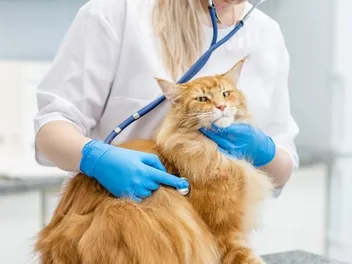
Caring for a cat with IMHA often depends on what the diagnostic tests reveal. For example, if a blood exam indicates spontaneous clumping or autoagglutination of the red blood cells, the condition has progressed to a serious state. Your vet will likely begin with supportive treatment to stabilize your cat, which can include a blood transfusion. It may consist of several courses of treatment to ensure the new red blood cells survive in the animal. If testing reveals it is secondary, treatment will focus on that cause. Idiopathic cases typically involve immunosuppressive therapy. Sadly, up to 15% of pets will suffer a relapse.
Frequently Asked Questions
Is There Any Way to Prevent IMHA?
Research is ongoing. However, the high percentage of idiopathic cases makes prevention challenging without a known cause. Scientists have focused on therapies that may improve outcomes until a definitive cause can be identified.
Does the Prognosis Differ Between the Two Types?
Secondary IMHA has the advantage of an identified cause that can be treated and monitored. Of course, parasitic infections can be avoidable with year-round prevention. You should have your cat vaccinated against feline leukemia if they have outdoor access. We suggest discussing other risk factors with your vet.

Conclusion
IMHA is a complex condition that requires aggressive treatment if an animal is to survive. Scientists have much to learn about this immune reaction, particularly in idiopathic cases. Knowing a cause can provide a pathway to prevention and treatment. The takeaway is to monitor your cat’s behavior and seek veterinary guidance if you notice anything unusual. Early treatment is the best way to manage health issues like IMHA.
Sources
https://veterinarypartner.vin.com/default.aspx?pid=19239&id=4951868
https://www.dvm360.com/view/imha-diagnosing-and-treating-complex-disease
https://veterinarypartner.vin.com/default.aspx?pid=19239&id=4952073
https://www.petmd.com/cat/conditions/infectious-parasitic/c_ct_babesiosis
https://vcahospitals.com/know-your-pet/autoimmune-hemolytic-anemia-in-cats
Featured Image Credit: PRESSLAB, Shutterstock
Expert cat care, straight to your inbox
News, insights, and useful advice, delivered to you.

No spam — unsubscribe anytime.
By signing up, you agree to our Terms & Conditions and Privacy & Cookies Policy.
How useful was this post?
Click a star to rate. You can leave written feedback afterwards. (We read all feedback.)
Chris has been a science-focused pet writer since 2009, specializing in health and the environment. She lives with her husband Norm and three amazing cats in the land of 10,000 lakes. When she's not writing about cats, Chris also enjoys boating and sampling wine. She has her WSET 1 and 2 certifications and is currently pursuing her Certified Wine Specialist Award (CSW).