How Big Do Oriental Shorthair Cats Get? Vet-Reviewed Size & Growth Chart


In this article
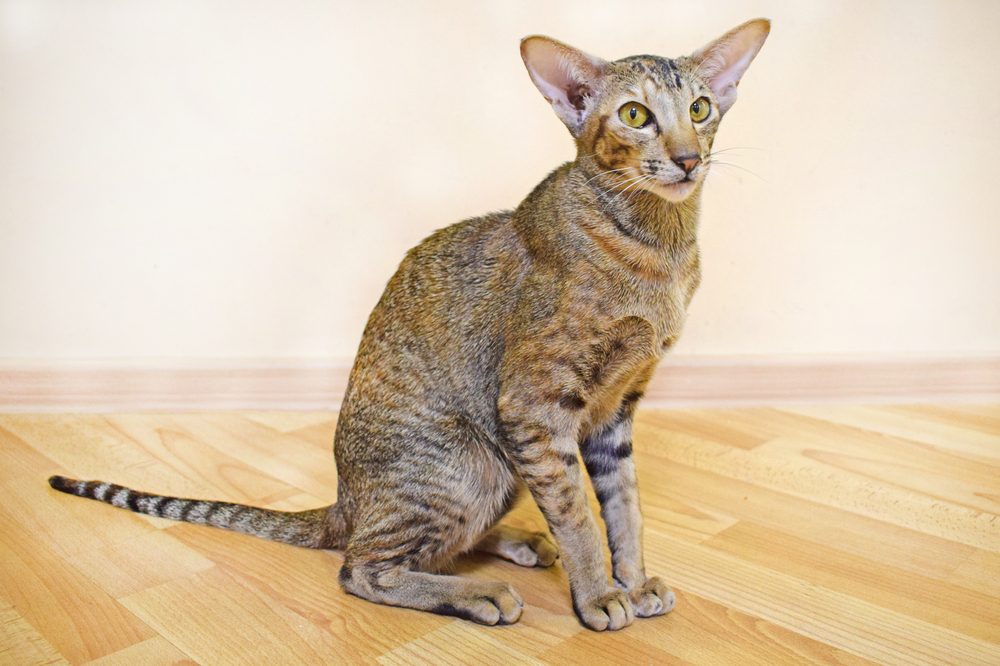
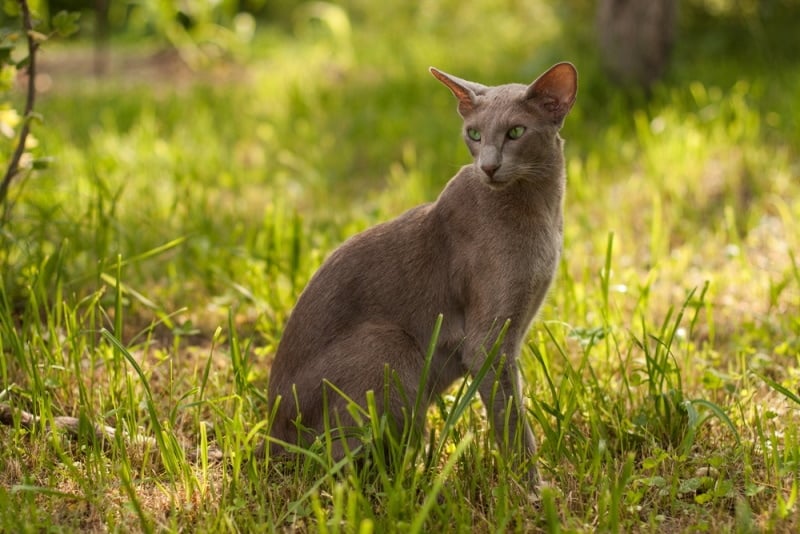
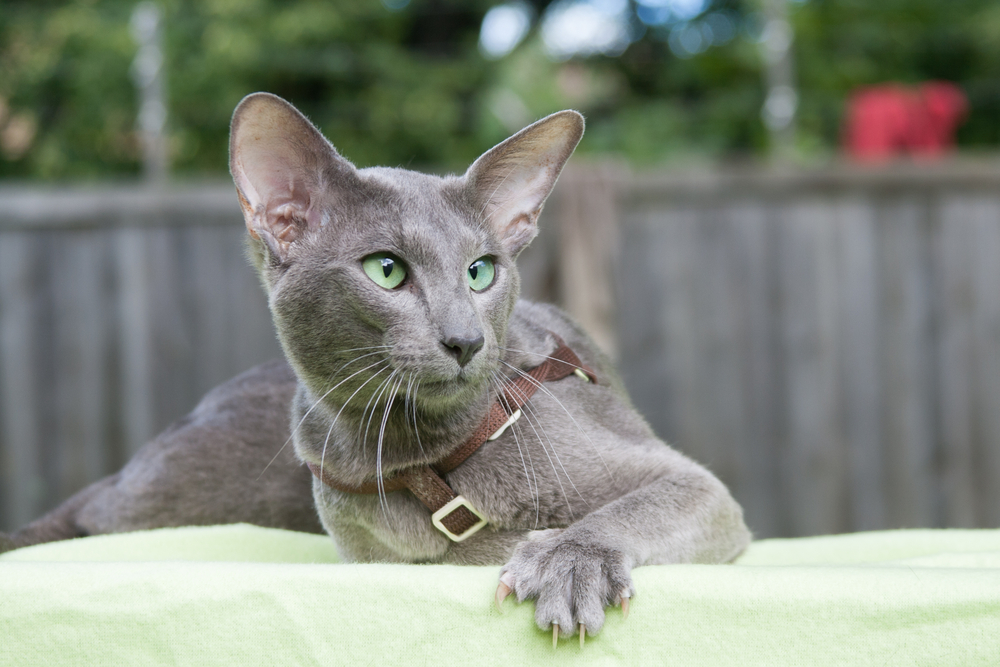
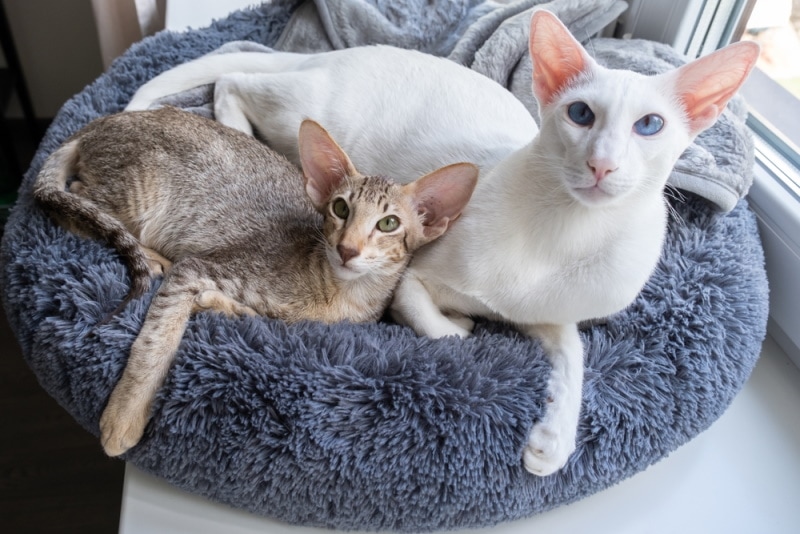
The Oriental Shorthair cat is svelte and elegant, and just like their Siamese ancestors, they are athletic, lively, and intelligent. It’s easy to imagine these regal cats hanging out with Cleopatra, but they’re actually a relatively new breed. Their origin can be traced back to the 1950s, when English breeders crossed other house cats with Siamese cats. They then made their way to the United States in the 1970s, and it didn’t take long for them to make an impression.
Therefore, it’s understandable that you might not know much about this breed. So, what can you expect as your kitten grows into adulthood? For one thing, your Oriental Shorthair can get up to 8–12 lbs. Whether you’re here because you’re curious to learn more or if you're thinking of getting one of these regal-looking cats, we have you covered!

Facts About Oriental Shorthair Cats

Oriental Shorthair Cats Size and Growth Chart
This chart shows the average rates of growth for an Oriental Shorthair cat. Of course, every kitten will grow at different rates, so don't be worried if your cat doesn’t fit into these categories snugly. If you have been keeping up with your veterinarian visits and they’re confident your kitten is happy and healthy, you are on the right track.
| Age | Weight Range | Length Range |
| 8 weeks | 2–4 lbs. | 7–9” |
| 3 months | 3–5 lbs. | 8–10” |
| 6 months | 5–8 lbs. | 10–12” |
| 9 months | 8–10 lbs. | 12–14” |
| 1 year | 8–12 lbs. | 16–18” |
| 2 years | 8–12 lbs. | 16–18” |
When Does an Oriental Shorthair Cat Stop Growing?
Oriental Shorthair cats generally stop growing around 12-18 months of age, but do they ever grow up? Even as an adult, this cat is fun and outgoing and never seems to grow out of that playful kitten stage. They are interactive and enjoy playing with other family members, whether that other member is a human, a cat, or even a dog. Generally, when properly socialized and introduced, they enjoy having a companion in the form of another cat or a calm and well-trained dog.

Factors Affecting the Size of the Oriental Shorthair Cat
A few factors may affect the size of the Oriental Shorthair cat, like nutrition, genetics, underlying health issues, breeding, inappropriate exercise, and others.
There is a difference between having a small cat and an underweight one. If your cat is naturally smaller in weight and height, these characteristics will be proportionate. Conversely, a skinny Oriental Shorthair cat will be underweight for their age and height. Food refusal should be taken seriously because a lack of nutrition will negatively impact your cat’s development and growth, and generally points to an underlying health issue.
Oriental Shorthair cats are prone to a few health issues, some of which are more breed-related while many are common in cats in general. So, while your cat’s size difference might be down to something completely innocent, there are more worrying alternatives. If you ever feel concerned about your kitten’s development, contact your vet immediately.

Ideal Diet for Maintaining a Healthy Weight
If you start with high-quality kitten food for the first year of your Oriental Shorthair’s life before transitioning them to a high-quality adult diet, it will ensure that all of your cat’s nutritional needs are met. These are high-energy cats, so they will need a diet that can keep up with them. Oriental Shorthair cats like opportunities to explore and need to be mentally and physically stimulated to keep boredom and obesity at bay.
Cats cannot produce vitamins and amino acids like vitamins A, D3, arginine, and taurine. Therefore, these will be included in their diet. The diet composition will also vary based on your cat’s age, health, spayed or neutered status, and activity levels. Ask a veterinarian about the perfect nutritional composition of your cat's diet.
How to Measure Your Oriental Shorthair Cat
To measure your cat’s length accurately, you need to measure from their nose to the base of their tail, so you don’t include the whole tail. You will have to measure their height when they’re on all four paws and start from the floor to the base of their neck, so you don't include their head in the measurement. You might need someone else to help you with this task, especially if you have a wiggler on your hands!

Conclusion
Tracking the growth of a kitten can be tricky, especially one with as much energy as the Oriental Shorthair cat. Thankfully, once you tire this cat out, they’ll want cuddles, so there might be an opportunity to measure them after exercise. If your cat is not following the figures from the chart, it does not necessarily mean you have something to worry about. Keep up with your recommended vet visits, and make another appointment if you’re concerned.
Featured Image Credit By: VittoriaChe, Shutterstock

Expert cat care, straight to your inbox
Vet-reviewed advice, behavior tips, and the best of Catster. Free, and you can unsubscribe anytime.
By signing up, you agree to our Terms & Conditions and Privacy & Cookies Policy.
Kerry-Ann lives in Scotland and would love to have a bigger garden so she could have her very own Highland cow. But her dogs probably wouldn’t like that idea very much. She has a La Chon called Harry who was sick with a liver shunt when he was a puppy. It wasn't likely he would make it into adulthood, which was difficult to comprehend, but he beat the odds and is a healthy old man now. She also has a Pug called Maddie who is a big foodie. She’s small, sassy, and every day she finds a new way to wind her brother up.
When she isn’t writing you can find Kerry-Ann going for long walks when it isn't raining, reading, or watching cartoons. She would one day like to be a tourist in her own country and travel through the Highlands with her family.
Join the conversation
Ask a question, share your story, or send private feedback.