Elf Cat Breed Info: Pictures, Temperament & Traits
In this article
Breed Overview
Height:
Weight:
Lifespan:
Colors:
Suitable for:
Temperament:
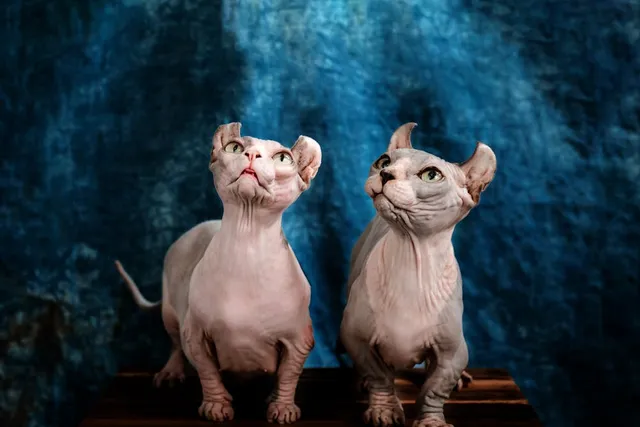
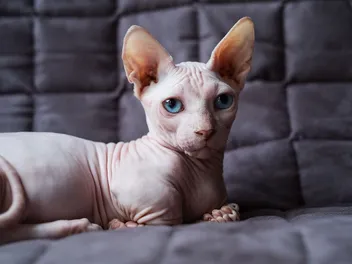
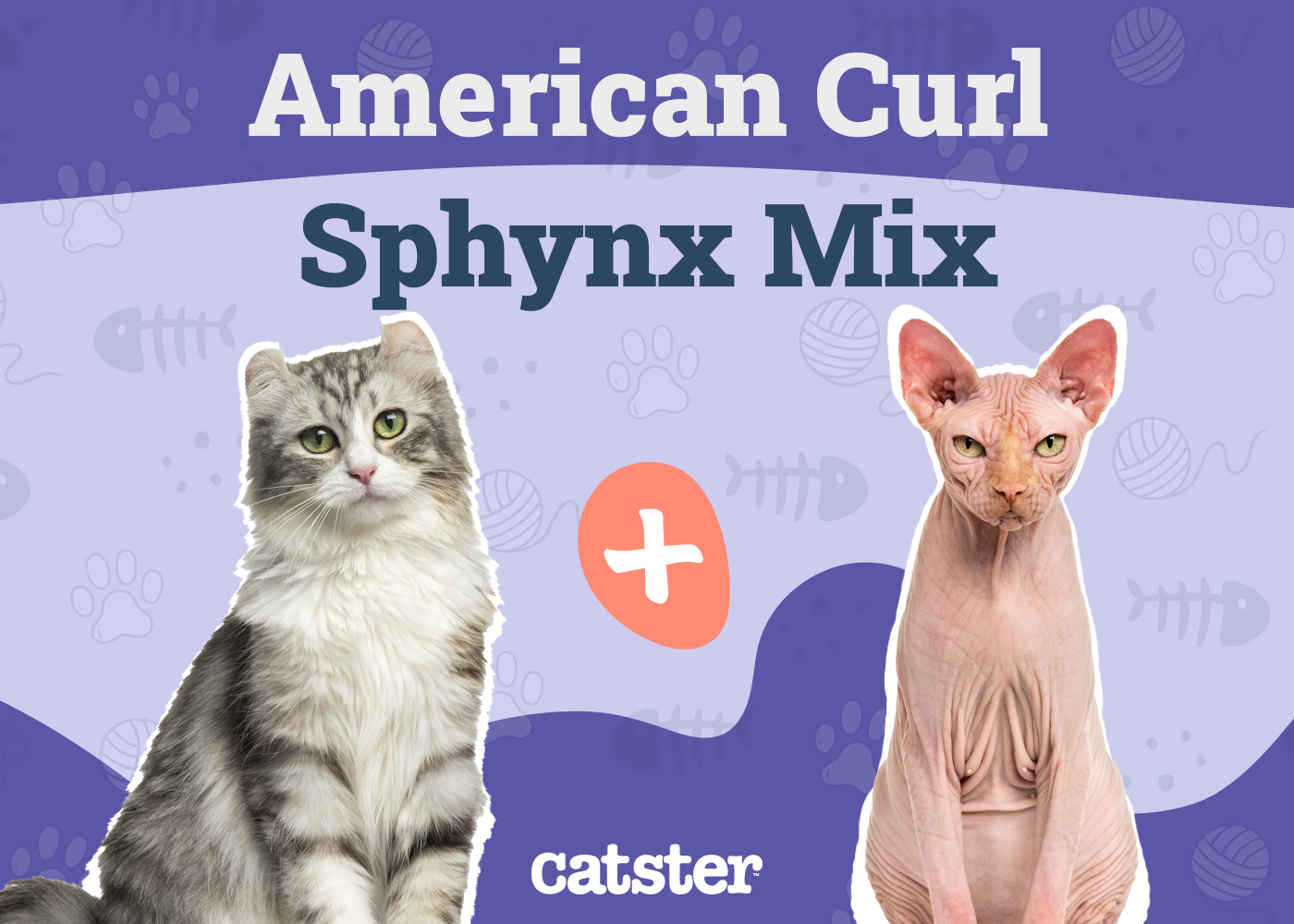
If you’re looking for a rare cat like nothing you’ve ever seen, prepare to be captivated by the Elf cat! These adorable little kitties are a hybrid of crossing the American Curl and Sphynx breeds. You may not know much about them since they’re a recent addition to the feline scene. We rounded up all the details about the Elf cat so you can decide whether they’re the perfect breed for you. From exactly how this breed came into existence to their personality, intelligence, and health, everything you need to know is right here.
Elf Cat Characteristics

Elf Cat Kittens

Let us warn you now that Elf cat kittens are off the scale regarding cuteness. As gorgeous as they are, Elf cats have specific needs that you need to be sure you can meet before you sign up to become the new owner of a tiny kitten. Elf cats need to be kept indoors, partly because their hairless bodies are prone to becoming too hot or cold outside. The other reason is to protect your rare breed cat from people who may want to steal them.
These intelligent and curious cats need a great deal of attention and interaction from their owners to stay mentally and physically content. They’re not a low-maintenance breed by any means, so be prepared to dedicate a significant portion of your time and money to keeping your Elf cat happy and healthy!


Temperament & Intelligence of the Elf Cat 🧠
Elf cats are incredibly sociable, playful, and intelligent. They love being surrounded by their family and won’t enjoy being alone for long periods. They adapt well to living in a multi-pet household, especially since there will always be someone for them to play with.
Their playfulness means they need plenty of mental stimulation to keep them active and content. Food games, hide-and-seek sessions, chasing catnip mice, and racing up and down the stairs are all games that Elf cats love.
Are These Cats Good for Families? 👪
Elf cats can make great family pets and are sociable enough to get along with life in a busy household. They usually adore children as long as they know how to play respectfully with a cat.
Older kids may love to train an Elf cat. They have delicate skin that can be easily damaged, so make sure anyone playing with an Elf cat takes extra care. They love to be the center of attention, so they will happily entertain everyone with their antics.
Does This Breed Get Along With Other Pets? 🐶🐱
Elf cats generally adapt well to life in a multi-pet household. They’re sociable and confident enough to enjoy living in the same house as a dog as long as those initial introductions are carefully managed. They also enjoy living with other cats, especially if they can be persuaded to play!
Elf cats don’t have a prominent prey drive, so they can usually live in a house with smaller pets, like rodents, without any problems. Just make sure the smaller pets are housed in a separate part of the house, and never leave them and the cats unattended together.
Things to Know When Owning an Elf Cat
Deciding to add an Elf cat to your family isn’t just a matter of whether you can afford the high initial cost of buying a kitten. You also need to make sure you can meet your cat’s needs on a daily basis. Whether that’s sourcing a specific food or making sure their vaccinations are up to date, you’re responsible for your cat’s wellbeing.
Before you start searching for an Elf kitten, here’s more information to be aware of.
Food & Diet Requirements 🐡
Hairless cats like the Elf cat can have sensitive digestive systems, so it’s worth asking your kitten’s breeder what brand of food they use and sticking to that, at least to start with.
Elf cats need to burn more calories than hairy breeds to maintain their body temperature. This means selecting high-quality food is vital to help them feel their best. Make sure that real meat is the first ingredient and that the food is free from artificial colors and flavors.
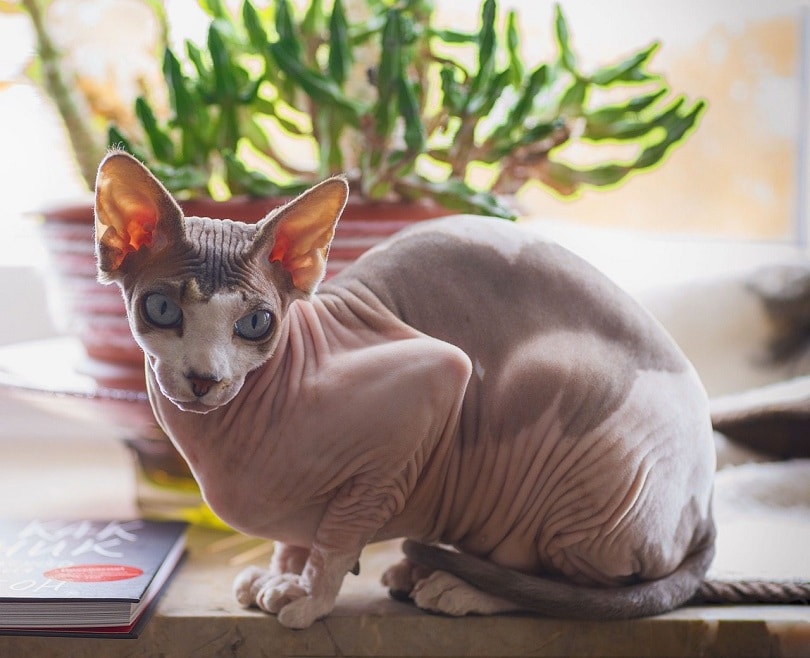
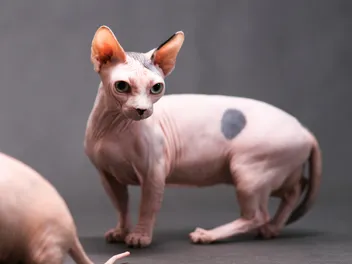
Elf cats have inherited a prominent belly shape from their Sphynx parents. They generally have a good appetite, but make sure you work with a vet to keep your Elf cat at a healthy weight. A protruding belly is normal, but excessive fat across other areas of their bodies may mean they’re becoming overweight.
Exercise 🐈
Elf cats can quickly feel too cold due to their hairless coats. They can also be prone to sunburn. For both these reasons, it’s best to keep them as indoor cats. Some Elf cats may need a heated bed or a sweater if you live in a frigid climate. Elf cats are also incredibly rare, so that’s another good reason for keeping your precious kitty indoors.
They’re friendly and sociable, so they may make friends with someone outside who decides that they’d rather steal someone else’s rare breed cat than pay for one of their own. Indoor cats need plenty of enrichment within their environment to keep them happy and engaged.
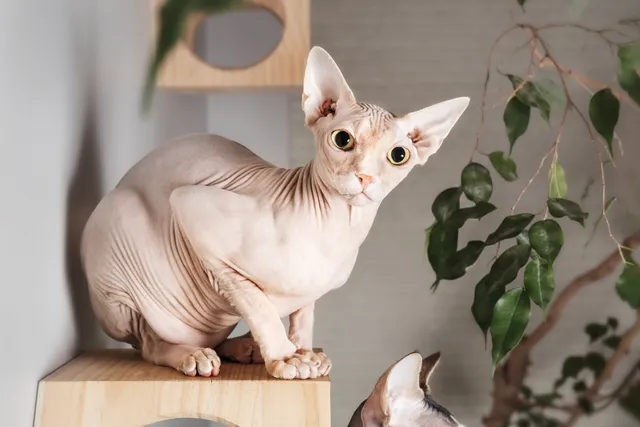
Consider adding scratching posts, cat condos, high shelves, and other items your Elf cat can climb and sit on. They love being up high! Also, birdwatching stations, outdoor enclosures, and plenty of playtime can satisfy your Elf cat.
Training 🧶
The playful and intelligent character of the Elf cat makes them the perfect candidate for kitty training sessions! Using positive reinforcement and food rewards are great ways to keep your cat feeling engaged. Regular training sessions are excellent enrichment activities for your cat.
Elf cats can enjoy going for walks outside on a leash and harness as long as they’re appropriately protected from the weather.

Grooming ✂️
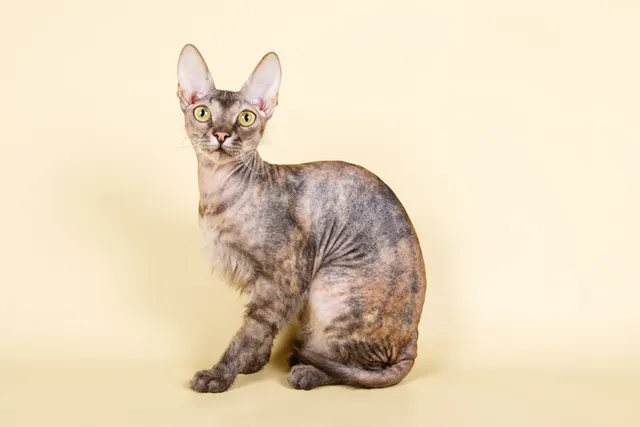
The Elf cat’s body might look hairless, but sometimes, it’s covered in a very light covering of soft hair. They don’t need much more than the occasional wipe-down with a soft cloth to remove the oily secretions that can build up and leave your Elf cat feeling sticky.
Some Elf cats enjoy being bathed, but be sure to use a shampoo designed for cats. Bathing once every 2 weeks is a good idea to prevent the oil from clogging their pores. You can wipe down your cat with a soft cloth or baby wipes in between those times.
Their lack of hair can also cause dirt to build up in their ears and eyes more quickly than most breeds. You can clean out these areas using a cotton ball or baby wipe.
Health and Conditions 🏥
It’s not yet clear which health conditions commonly affect the Elf cat. We’ve outlined known conditions below, but be aware that other health issues that haven't been documented yet may occur.
Male vs. Female
Maybe you’re now captivated by the sweet and smart Elf cat and are convinced that they’d be the perfect breed for you and your family. We can understand that! You might be discussing whether you prefer a female cat or a male. For any cat, we recommend selecting them based on their personality first and considering their sex second.
Elf cats are rare, so you will probably have to sign up for a waiting list with a breeder. Depending on your position on the list, you may not get to choose if you’d like a male or female kitten. While there are a few differences between male and female cats, once you see these sweet kittens, you won’t be too worried about what sex they are; you’ll just be ready to welcome one into your home!

3 Little-Known Facts About the Elf Cat
1. Elf cats are a hybrid breed
The Elf cat is a hybrid created by breeding the American Curl and the Sphynx. They were first developed in 2004 for the challenge of breeding a cat with both curled ears and a hairless body.
2. They’ve been accepted for registration with TICA
Elf cats are still incredibly rare but have now been accepted for registration with the International Cat Association. They’re shown under the Sphynx with new traits category.
3. Elf cats need special care
With their hairless bodies, Elf cats are sensitive to changes in temperature. Many owners of Elf cats keep them indoors, as they can feel the cold easily and are prone to sunburn. Their delicate skin can also get cut or lacerated more easily than other breeds.
You won’t need to brush your Elf cat’s fur, but their skin requires special attention. This includes wiping your cat down to remove oily secretions and bathing them when necessary.

Final Thoughts
The Elf cat is a new and rare breed created in the early 2000s by breeding the American Curl and Sphynx breeds to create a new hybrid that combines the distinctive folded-back ears of the American Curl with the hairless body of the Sphynx. These gorgeous cats are playful and intelligent and love life!
You’ll likely need to be patient and wait for a breeder to have available kittens. You also need to be aware that Elf cats have specific needs that set them apart from many other cats. Their hairless bodies aren’t as effective at regulating their temperature as other cats, so you’ll need to ensure your cat is comfortable during winter and summer.
Many owners of Elf cats keep them inside for that reason. They also burn more calories as they try to regulate their body temperature, so feeding them a high-quality diet and making sure they get enough of it is absolutely vital. These captivating and adorable cats will soon have your whole household wrapped around their little paw, and you can look forward to plenty of memorable moments with your new and unusual best friend.
See also:
Skinderlop (Sphynx & Scottish Fold Mix) Pictures, Info, Temperament & Traits
American Curl Scottish Fold Mix: Pictures, Info, Temperament & Traits
Featured Image Credit: Pixabay
Expert cat care, straight to your inbox
News, insights, and useful advice, delivered to you.

No spam — unsubscribe anytime.
By signing up, you agree to our Terms & Conditions and Privacy & Cookies Policy.
How useful was this post?
Click a star to rate. You can leave written feedback afterwards. (We read all feedback.)

Christian started writing for a local newspaper as a teenager, and he's been involved in the publishing industry for most of his adult life. Combining his love of writing with a passion for animals, he is currently the Director of Editorial at Pangolia and the Editor-in-Chief at Catster.
Christian lives in the Philippines with his wife, son, and four rescue cats: Trixie, Chloe, Sparky, and Chopper.