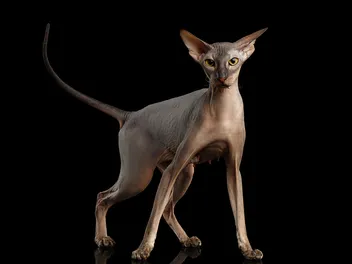
Skinderlop (Sphynx & Scottish Fold Mix): Info, Pictures, Temperament & Traits

In this article
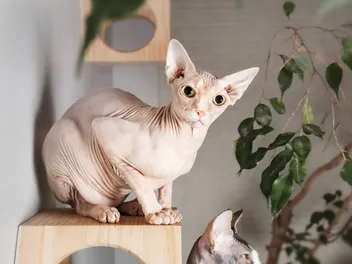
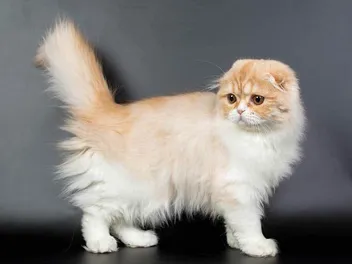
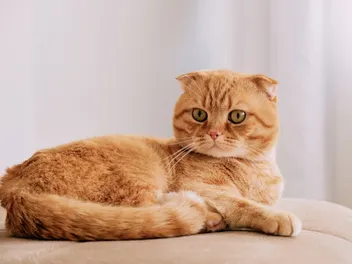
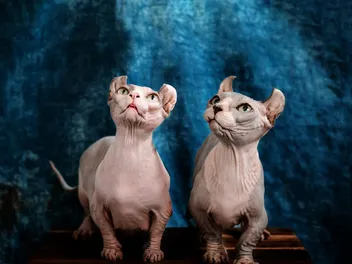
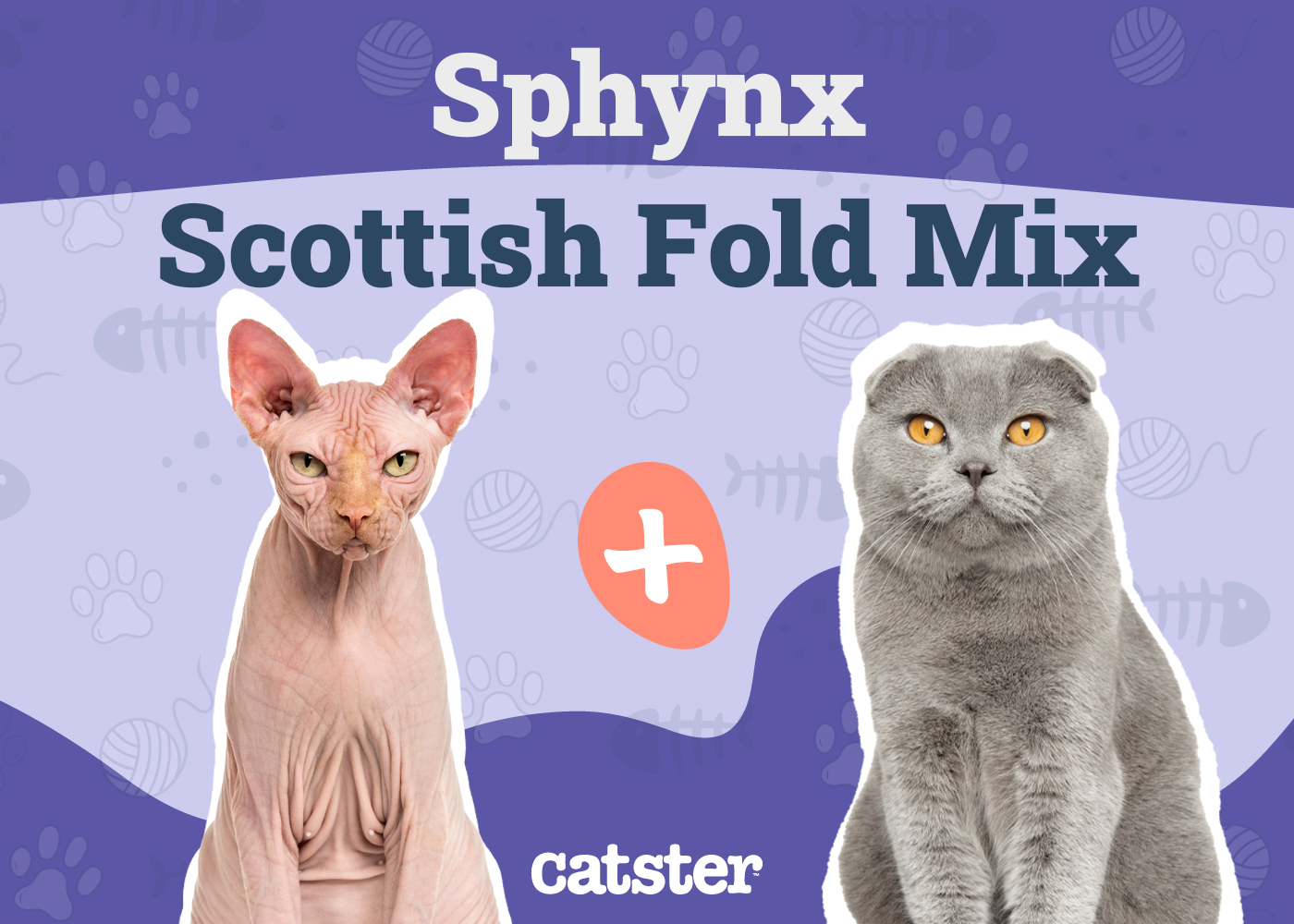
As a cross between a Sphynx and Scottish Fold, the “Skinderlop” is undoubtedly a rather unique combination of features and characteristics. Whilst you may be drawn in by the elfin features of these unusual cats, once you find out about the genetics and ethical problems behind this combination, you may decide that this is one mix that should be left well alone.
Breed Overview
Height:
Weight:
Lifespan:
Colors:
Suitable for:
Temperament:
The Skinderlop first emerged in 2012 with the blending of the hairless Canadian Sphynx cat with the curled cartilage of the Scottish Fold. The resultant hybrid is the ultimate in quirky looks, but is also based on some significant genetic mutations. On their own, these mutations can have some detrimental effects on a cat’s health, but when combined, they can be catastrophic.
If you’re thinking about adopting one of these curly-eared cuties, read on to learn everything you need to know about the Skinderlop.
Skinderlop Characteristics

Skinderlop Health Considerations
Ordinarily, we discuss health conditions towards the end of our breed profiles, but when it comes to the Skinderlop, it is a subject that should be considered first. It’s important to understand that sometimes, features that make certain breeds visually appealing have serious health consequences, and that applies doubly to the Skinderlop. Let’s start by looking at the Sphynx and Scottish Fold breeds individually:
The Sphynx
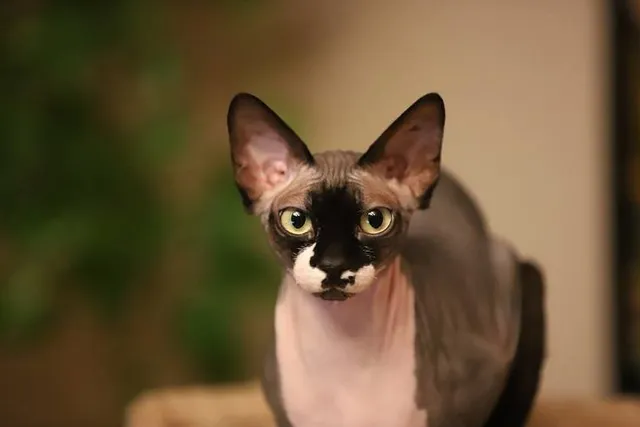
The trademark nakedness of the Sphynx is the result of a spontaneous genetic mutation that appeared in a domestic shorthair. It is a recessive trait, which means that a kitten must inherit two copies of the Sphynx gene to be hairless. Breeders brought in the Devon Rex, whose short and curly coat is also a recessive trait, to give rise to the bat-eared hairless cat we know today. Selective breeding and genetic testing allowed breeders to identify individuals that carried the appropriate genes until a population of purely hairless cats was created.
Because the Sphynx mutation is the result of two recessive traits that affect the characteristics of the skin and hair, these cats face problems like skin sensitivity, sun damage, oily skin, dry skin, and difficulty with thermoregulation. They often require extra supplements, clothing, and sun protection to ensure they stay healthy and comfortable.
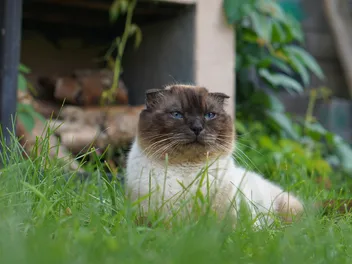
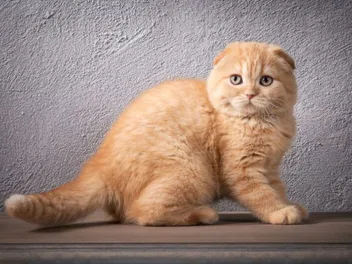
The Scottish Fold
On the surface, the folded ears of these lovely cats may seem harmless, but did you know that the genetic mutation that causes the cartilage of the ears to fold flat also affects cartilage development throughout the body? Osteochondrodysplasia is a disease that affects the growth and development of cartilage, including that of the ears, bones, and joints. Whilst some cats only have relatively mild forms of this mutation, many suffer from debilitating joint deformity, arthritis, and pain.
Many veterinarians and cat health organizations strongly discourage breeding these cats on ethical grounds, and some countries have gone one step further and banned the breeding of both the Sphynx and Scottish Fold.
The Skinderlop
Being the creation of mixing two breeds that have recessive genetic traits that have some major health consequences, the Skinderlop is virtually destined to have a diminished quality of life. Whilst there will be individuals who appear healthy and happy, the genetics that make the Skinderlop what it is mean that these cats are unavoidably born with health conditions that can cause pain, suffering, and shortened lifespans. It is important to keep this in mind if you are considering buying a Skinderlop kitten.
Skinderlop Kittens

If you’ve got your heart set on a Skinderlop kitten, be prepared to pay top dollar, with standard prices of $1500 to $2000. Of course, you’ll also need to cover other essential costs like vaccination, microchipping, food, and parasite prevention, not to mention specialized skincare, ear cleaning supplies, bodysuits, and bedding these naked kitties will need. You’ll also want to make sure you’ve got pet insurance or a pet savings account set up in case of any expensive vet visits.

Temperament & Intelligence of the Skinderlop 🧠
Every cat is different, and it’s difficult to accurately predict the temperament of your Skinderlop, but both the Scottish Fold and Sphynx are known to be intelligent, affectionate, and playful, so there’s a good chance that the Skinderlop will be too.
Are These Cats Good for Families? 👪
The health and physical peculiarities of the Skinderlop mean they are better suited to experienced cat parents, and may not be ideal if there are young kids in the mix. Their predisposition to joint problems and skin issues may require extra care and gentle handling.
Does This Breed Get Along With Other Pets? 🐶🐱
Similarly to their behavior and temperament, each cat will be different, and very much depend on their early development and socialization. Both the Sphynx and Scottish Fold are known to be quite confident around dogs and have relatively low prey drives when compared to some other breeds, so they may do well in multi-pet households.

Things to Know When Owning a Skinderlop
We’ve already discussed many of the health issues surrounding these funny little cats, and much of their care needs to be focused on minimizing risks and providing them with the right diet, exercise, and enrichment to make their lives as enjoyable as possible.
Food & Diet Requirements 🐡
Providing your cat with a premium diet is the best place to start, and for the Skinderlop, you want to look for a food that focuses on omega-3 fatty acids to support their skin and joints. We also recommend starting Scottish Folds and their relatives on a quality joint supplement from a young age to help keep their joints lubricated and minimise arthritis formation.
Maintaining a lean bodyweight is a key component of reducing the wear-and-tear on joints. The near-hairlessness of the Skinderlop makes them prone to developing dermatitis in their skin folds, and obesity can seriously exacerbate this problem, so make sure you aren’t feeding them more than they need.
Exercise 🐈
Every cat needs exercise, but this is one area you need to be cautious about with the Skinderlop. Some individuals may have quite severe joint problems, which may limit their mobility, while others may seem quite free from joint disease, but in both cases, it is important to provide them with places they can climb and easily descend – steps and levels with no big drops. This will reduce the risk of damage from jumping up and down. These cats are intelligent, so having toys and food puzzles is a great way to stimulate them mentally and keep them from becoming bored.
Training 🧶
As with any other cat, the Skinderlop should be confidently using a litter box by 6 weeks of age, so be sure to show them where they need to go and give them gentle praise for using it. Positive reinforcement, such as praise, affection, or treats, should be used whenever your kitten demonstrates a desired behavior, whether that be using the litter box, scratching on a designated cat tree or scratching post, or simply curling up in your lap.
Grooming ✂️
You might think that a hairless kitty means having no grooming requirements, but this is not the case. Because the skin of the Skinderlop can be quite sensitive and lacks the natural oils and insulation that most cats come by naturally, they can experience skin irritation, yeast overgrowth, infection, and feel the cold more acutely than their furry relatives.
It’s true that healthy skin starts from within, so a diet rich in omega-3s is key, but your Skinderlop will also benefit from regular cleaning with a damp cloth or pet wipe. A proper bath now and then may also be needed, but it’s important not to overdo it, as this can also lead to skin irritation.
Our Favorite Product
| Image | Product | Details | |
|---|---|---|---|
|
Hepper Wash Wipes |
|
Check Price |
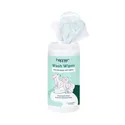
It's hard to beat the convenience of pet-safe wipes after a big adventure, between baths, or when cleaning sensitive areas. Our favorite option is Hepper's Wash Wipes, premium wipes designed to safely and gently remove grime from cats and dogs of all ages and sizes. These hypoallergenic wipes are made in the USA and feature moisturizing ingredients to soothe your pet's skin.
At Catster, we’ve admired Hepper for many years and decided to take a controlling ownership interest so that we could benefit from the outstanding designs of this cool cat company!
Pay careful attention to skin folds and between the toes, and keep their claws trimmed to avoid accidental damage when they are grooming or scratching themselves.
Ear cleaning is super important for cats with folded ears. The wax and discharge that would ordinarily be wiped away when your cat grooms themself can get trapped in the folds of the ears, leading to inflammation and infection. Get your kitten used to having their ears cleaned from a young age so they accept it as part of a weekly routine.
Without that insulating layer of fur, a Skinderlop is really going to feel the cold, so it’s important to provide them with plenty of warm bedding, and you may also want to invest in a few cat sweaters or suits to keep them cozy and clean.

Health Conditions 🏥
We covered this earlier, but just to recap, here are some of the more common health problems you may encounter if you have a Skinderlop cat.
As is the case with any cat, preventive care is always the best way forward, and early detection of illness is the best way to improve the chances of successful treatment. Annual health checks are always a good idea, but for a cat like the Skinderlop, they are essential.
Male vs Female
Apart from the obvious, which are particularly noticeable if yours is an uncastrated adult male, there are no significant differences between the males and females of the Skinderlop breed. The male may be a bit bigger than the female, but not by much.
3 Little-Known Facts About the Skinderlop
1. Though Hairless, the Skinderlop Is Not Hypoallergenic
Some think the Skinderlop is hypoallergenic, but this isn’t the case. All cats, even those that are considered to produce lower allergen levels, can trigger allergies. It is not the fur itself that causes cat allergies in humans, but a material known as dander, which is an accumulation of dead skin cells, saliva, urine, and microscopic fecal matter. As a result, even ‘hairless’ cats produce dander and can cause allergic reactions in susceptible people.
2. The Skinderlop Is Best Suited to Indoor Life
Being hairless, the Skinderlop is particularly susceptible to changes in temperature, windy weather, dry conditions, and sun damage. They are very much exposed to the elements, and do much better if they are kept in relatively stable temperature conditions away from strong sunlight and cold draughts.
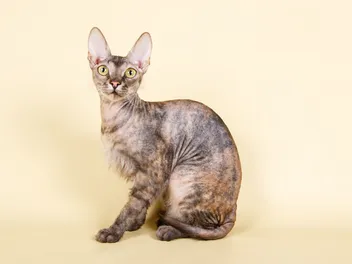
3. The Skinderlop Is Not a Real Breed
The Skinderlop is considered to be an experimental mix and is not officially recognized by any cat fancier clubs. They are visually very similar to the Ukrainian Levkoy, which is a breed recognized by both the Russian and Ukrainian Cat Fanciers Clubs, but not widely accepted in the US. It is the cross between the Scottish Fold and the Donskoy (aka Russian Hairless or Don Sphynx), a breed that is genetically distinct from the Canadian Sphynx breed, and whose near-hairlessness is the result of a dominant gene, not a recessive one.

Final Thoughts
The Skinderlop is the name given to a cross between the Scottish Fold and the Sphynx. While the cute and quirky appearance of these cats may push up their popularity, they will almost certainly be plagued by significant health problems throughout their lives, and many argue against their continued breeding based on welfare grounds. If you’re thinking about getting a Skinderlop, we encourage you to do plenty of research and consider some alternative breeds whose physical features aren’t linked with painful health conditions.
Related Reads:
American Curl Scottish Fold Mix: Pictures, Info, Temperament & Traits
Scottish Fold Siamese Mix: Pictures, Info, Temperament & Traits
Featured Image Credit: (L) New Africa, Shutterstock | (R) Andrey Tairov, Shutterstock
Expert cat care, straight to your inbox
News, insights, and useful advice, delivered to you.

No spam — unsubscribe anytime.
By signing up, you agree to our Terms & Conditions and Privacy & Cookies Policy.
How useful was this post?
Click a star to rate. You can leave written feedback afterwards. (We read all feedback.)
Dr. Karyn Kanowski BVSc MRCVS (Veterinarian)
Dr. Karyn comes from Queensland, Australia, and has lived in the UK for the past 10 years. In 2010, she graduated from The University of Queensland School of Veterinary Science and also has a Bachelor’s degree in Zoology. She is passionate about using evidence, experience, and owner collaboration to provide the best solutions for pets, and believes in making reliable information about animal health accessible to all. Dr. Karyn shares her home with five cats, four dogs, and one husband. When she is not in the scrubs, she spends her time writing, gardening, and cleaning up pet hair!