10 Top Healthiest Cat Breeds (With Info & Pictures)



Both pedigree and non-pedigree cats can suffer from hereditary health issues, although these are more commonly described in pedigree cats due to selective breeding and inbreeding. Still, cats are said to have nine lives because they can get into and out of scrapes with seemingly no ill effects. The average life expectancy for cats based on a UK study is around 12 years, and although rare, it certainly isn’t unheard of for a cat to reach 20 years of age.1
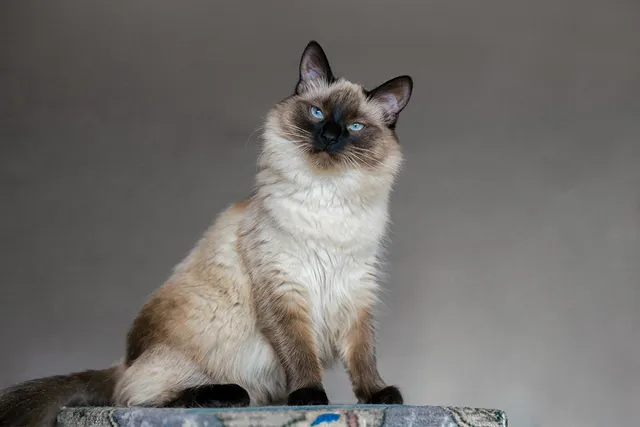
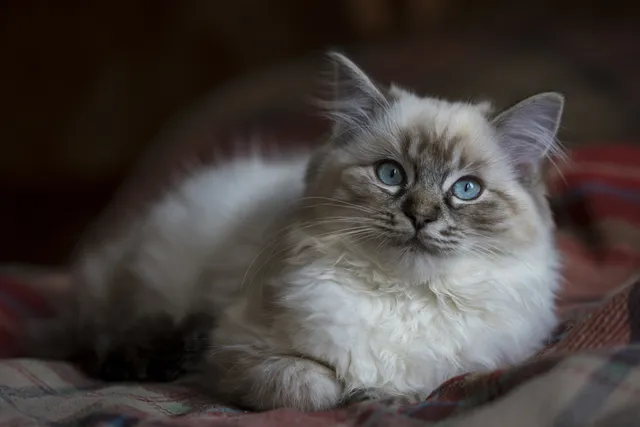
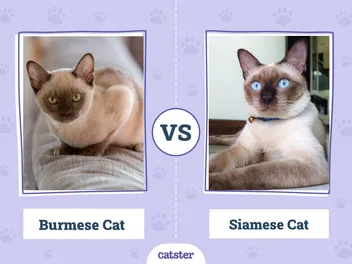
With that said, cats can and do still get ill, and it can be heartbreaking, costly, and may even put us off from owning cats in the future. According to several studies, besides crossbred cats that seem to live significantly longer than purebred cats, there are certain breeds that are longer lived, such as the Birman, Burmese, Siamese, and Persian, among others. Of course, this is not a guarantee they will be healthy, as this is influenced by the individual animal’s genetics, presence of inbreeding, lifestyle, neutered status, and environmental factors.

How Healthy Is Healthy?
Before we look into some of the cat breeds that are considered fairly healthy, let’s clear a few things up. Although a certain breed of cat may be considered fairly healthy, there will still be individual cats belonging to that breed that can suffer from various hereditary or acquired health issues. The same goes the other way around as well, a breed that may be considered less long-lived will have cats that can beat the odds and get into their late teens.
However, please be mindful that this will also greatly depend on many other individual factors, such as the cat’s genetic line, presence of inbreeding, regular preventative healthcare including vaccinations against infectious disease, lifestyle (indoor vs outdoor), weight and body condition score, and many more.
Another important consideration is also available scientific evidence and a database of recognized genetic and hereditary issues for a particular breed, as there is generally less available research when it comes to more recently recognized breeds. All this can influence the list of cat breeds that are considered the healthiest, so we will approach this critically.

What Science Tells Us?
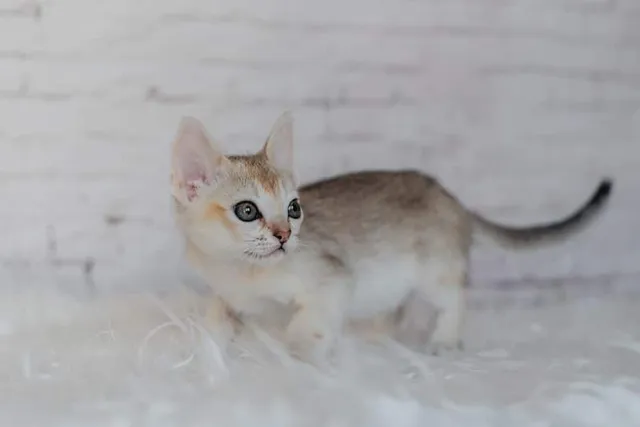
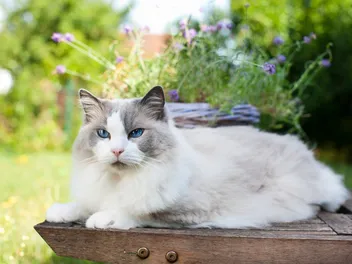
There are several scientific studies that looked into the longevity of cat breeds, and it has been suggested that, alongside crossbred cats that seem to live significantly longer than purebred cats, there are some breeds that are more longer-lived than others. Some of these longer-lived cat breeds include the Burmese, Birman, Siamese, and Persian, while the Bengal, Abyssinian, and Ragdoll seem to have shorter lifespans. However, this does not always imply that the longest-living cats are also the healthiest.
When it comes to health issues, there are those that may be more common or associated with certain cat breeds, such as polycystic kidney disease, a recognized hereditary disorder that is not uncommon in Persian cats, or more general conditions that can affect any cat breed. Some of these include dental diseases, heart diseases, diabetes, hyperthyroidism, and kidney disease, among others, often more commonly seen in middle-aged and older cats.
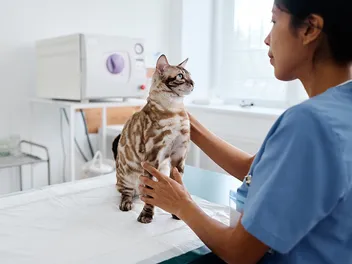
The list of cat breeds presented here is not exhaustive, and the order does not necessarily reflect their health status when compared to each other. Remember to have regular vet visits when owning any cat breed to keep their health and well-being. If you’re concerned about your cat’s health, we suggest you speak to a vet.

Some of the Healthiest Cat Breeds
The 10 Healthiest Cat Breeds
1. The Domestic Shorthair
The moggy, crossbreed, or Domestic Shorthair (DSH) is the ‘mongrel’ of the feline world. Whether it be made up of a combination of breeds or has no specific pedigree background, the humble moggy is essentially what all cats would become if left to breed indiscriminately in the wild. Their lack of inbreeding means they have the benefit of genetic diversity, which means that they are less prone to suffer hereditary health complaints. Crossbreed cats generally live longer than purebred ones, having an average lifespan of 14 years, compared with purebred cats, which are around 12.5 years. The DSH can be found in virtually any color or pattern, and there are even long (DLH) and medium (DMH) varieties as well.
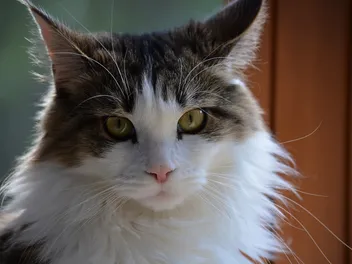
2. Norwegian Forest Cat

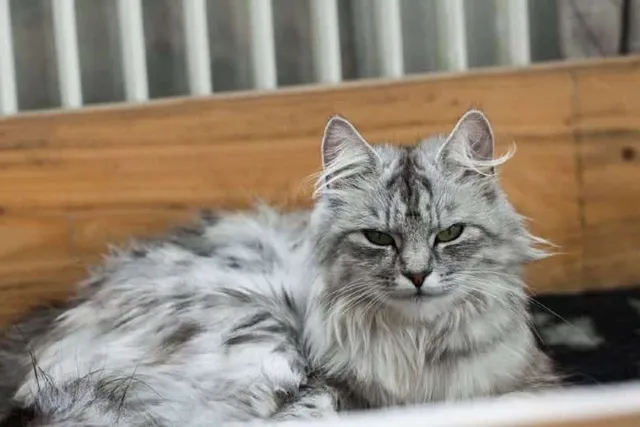
One of the natural cat breeds, which include the Siberian, Russian Blue, Maine Coon, Turkish Van, and Egyptian Mau, the Norwegian Forest Cat is a large, long-haired cat, very gracious and intelligent. Their origins are not entirely clear, but they are believed to have come from Norwegian forests. They were named the official cat of Norway by King Olaf in the 1970s, while the first breeding pair arrived in the U.S. in 1979.
This breed may suffer from certain hereditary health issues, such as hypertrophic cardiomyopathy and glycogen storage disease. That’s why it’s crucial that breeders perform genetic and health testing on their animals to minimize the chances of these issues. The average lifespan for a Norwegian Forest cat is around 16 years.
3. Maine Coon

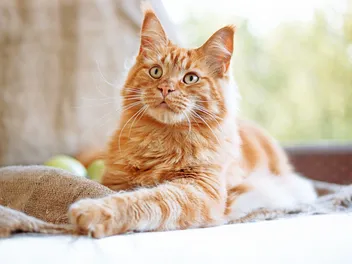
The Maine Coon is perhaps best known for being a large cat breed, although their tufted ears and majestic coat are among their finer features, too. However, this breed was bred to survive harsh, cold winters. Although they are generally healthy and sturdy cats, be sure to choose a reputable and responsible breeder to avoid the genetic and hereditary health conditions that may affect this breed.
4. American Wirehair

The American Wirehair is sort of like the slightly scruffy version of a domestic cat. With a life expectancy of around 14-20 years, these cute kitties are always ready for an adventure or a snooze, and are relatively free from major hereditary health problems.
5. American Shorthair

The American Shorthair is a very popular cat breed and a popular pet, especially in their homeland. They are very attractive to look at, incredibly smart, caring, and loving cats that will spend hours on your lap if you let them. They also have a reputation as quite keen hunters. Although they are prone to the same health conditions as all cats, they are generally considered to be a healthy and hardy little breed.
6. Ragamuffin

The Ragamuffin is incredibly fluffy, and they are generally very healthy cats. As a blend of the Ragdoll, Persian, and Himalayan, they have the advantage of diluting the more intensive breeding of the parent breeds, and are extremely affectionate and loving. Hopefully, you won’t have to spend much time at the vet with this breed, but you should expect to pay them lots of attention and to receive lots of attention in return.
7. Turkish Van

The Turkish Van hails from the mountains of Turkey, although they are perhaps better known as the Turkish street cat. In either case, it is this history that has probably helped give them a fairly healthy constitution. The Turkish Van is also quite happy to be around water, and some will enjoy paddling and even swimming in water.
8. Egyptian Mau

The Egyptian Mau is another breed that may not hail from their titular country, although they are believed to originate from spotted cats that have been mentioned in ancient Egyptian texts. The Mau is a very active cat and will enjoy playtime. They are also affectionate towards their family, but can be quite shy with strangers. However, there is a recognized hereditary health issue in this breed, called pyruvate kinase deficiency, that can lead to anemia.
9. Russian Blue

The Russian Blue’s initial history remains a bit of a mystery, although it is believed that they originated from the Archangel Isles in northern Russia. The majority of breeding and selection occurred after World War II, when U.S. breeders combined the English and Scandinavian bloodlines. Despite their very unique and refined features, they are believed to have largely developed naturally, and are a fairly healthy and long-lived breed.
10. Siberian

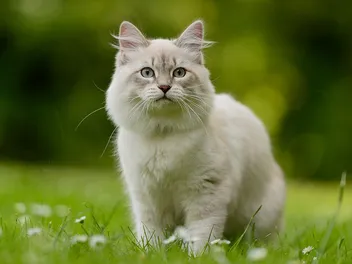
This gentle giant may be the last on our list, but the Siberian is not one to be left out. This fluffy natural cat breed loves to play and explore, and, like the American cousins from Maine, these hardy felines are often compared to dogs in their temperament. If you’re looking for a cat that can stay active with you, this could be the ideal kitty to bring home. With a life expectancy of around 10-18 years, you’d better invest in a quality grooming brush to keep that thick coat in tip-top shape!
Some of the Less Healthy Cat Breeds

Although some pedigree cat breeds, such as the brachycephalic or flat-faced breeds, like the Persian, British Shorthair, and Longhair, may be considered reasonably long-lived, there are significant health implications with the way these breeds have evolved, through selective breeding and inbreeding. This has led to many individual animals experiencing serious health issues, such as respiratory problems or brachycephalic obstructive airway syndrome, eye issues, dental problems, excessive skin folds, and many more, due to having a very short muzzle and narrow nostrils, large protruding eyes, tear duct abnormalities, teeth misalignment, and jaw defects.
Similar welfare issues are present in breeds with various joint and cartilage defects, leading to tail and spinal deformities, such as in the Scottish Fold, Munchkin, Manx, and various Bobtail cat breeds. Some of these animals may suffer for the whole duration of their lives, due to extreme and irresponsible breeding that focuses on looks rather than health. Breeds such as the Munchkin and Bambino may also experience joint and limb deformities in some cats, leading to spinal problems, pain, reduced mobility, difficulty walking or jumping, or even grooming themselves.
The main focus in the feline breeding world now should be reducing the inbreeding of these animals as much as possible and choosing the individuals that are fit and healthy for breeding based on veterinary examinations and extensive health and genetic testing. This will reduce the extreme conformational skull, cartilage, and joint deformities these cats often exhibit, making the breeds healthier and longer lived. International Cat Care and the British Veterinary Association are just some of the reputable worldwide organizations that are actively promoting the welfare of animals through raising public awareness and promoting responsible breeding of animals for health, and not for looks, to prevent animal suffering.

Conclusion
Nothing can guarantee a healthy cat, but if you consult with a veterinarian, choose a reputable breeder that performs health and genetic testing, or simply go for a crossbreed cat, you can increase the likelihood that your cat will remain in good health. Do not overfeed your cat; ensure that they get regular veterinary checkups and preventative healthcare, vaccinations, and treatments against parasites, and that they are neutered or spayed.
Featured Image Credit: Eric Isselee, Shutterstock
Sources
Brachycephalic Airway Syndrome in Cats | VCA Animal Hospitals
Severe brachycephalic in Persian and related breeds | International Cat Care
Which pedigree cats have the most health problems? - Vet Help Direct
Longest-living cat breeds revealed by life expectancy study | New Scientist
Massive study of 8,000 cats reveals which breeds live longest
Expert cat care, straight to your inbox
News, insights, and useful advice, delivered to you.

No spam — unsubscribe anytime.
By signing up, you agree to our Terms & Conditions and Privacy & Cookies Policy.
How useful was this post?
Click a star to rate. You can leave written feedback afterwards. (We read all feedback.)
Christian started writing for a local newspaper as a teenager, and he's been involved in the publishing industry for most of his adult life. Combining his love of writing with a passion for animals, he is currently the Director of Editorial at Pangolia and the Editor-in-Chief at Catster.
Christian lives in the Philippines with his wife, son, and four rescue cats: Trixie, Chloe, Sparky, and Chopper.