The Netherlands Bans the Sphynx and Scottish Fold
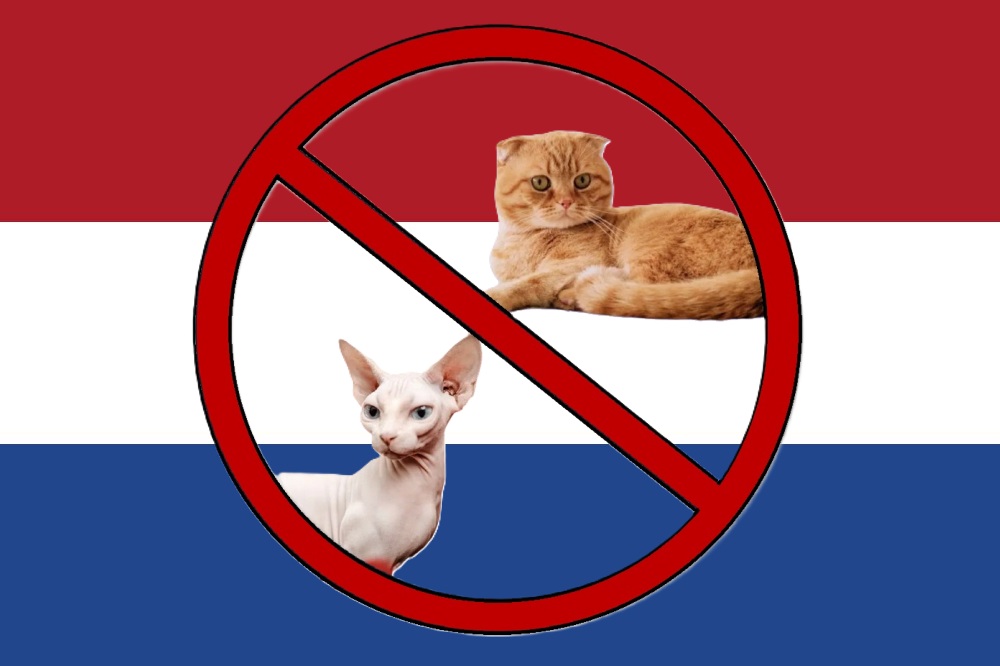
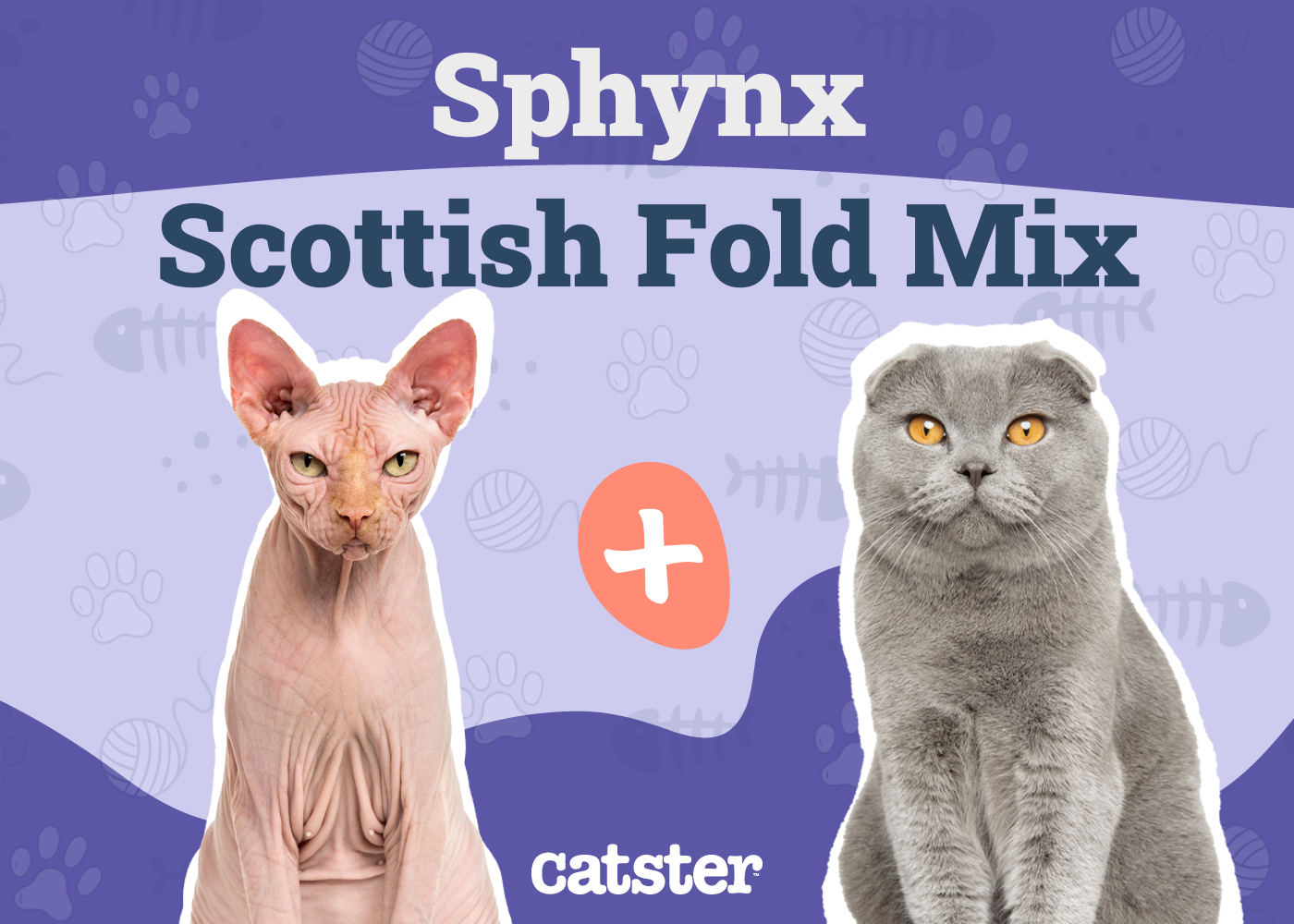
Following their controversial introduction of laws restricting the breeding of brachycephalic dogs such as the Pug and French Bulldog in 2023, 1 the Netherlands is continuing to lead the charge on prohibiting breeds based on harmful external characteristics. Although the move has been talked about for months, as of January 1, 2026, it is no longer legal to breed, sell, or keep a cat of the Sphynx or Scottish Fold breed, with those found to be flaunting the law subject to a hefty fine.
In a statement on the official government website, State Secretary Jean Rummenie (LVVN) made his position clear:
“Animal welfare is my top priority. We've been working hard on the ban on keeping folded and hairless cats for quite some time now. I'm glad this has finally happened, because it's unacceptable for animals to suffer unnecessarily because of their physical characteristics."
While this announcement will come as a welcome step forward for many animal welfare supporters, there are going to be many fans of the breeds who will not be pleased with the news.

There will be a transitional period as the ban comes into effect, with cats of the affected breeds born prior to January 1, 2026 (as verified by microchip identification) exempt from the ban (although it is unclear how kittens from queens mated prior to the ban will be addressed). Those found to be in possession of a contraband kitty will be fined, but there is no indication that the cats themselves will be taken, and certainly no plan to destroy those who have been kept illegally. After all, the purpose of this law is to improve animal welfare, not end lives.
The Ministry of Agriculture, Fisheries, Food Security and Nature published the decision in October last year,2 giving Sphynx and Scottish Fold breeders and prospective owners a little over two months to come to terms with the new legislation.
Through extensive research and discussion, it has been agreed that the deliberate and selective breeding of these two breeds poses a clear and immediate risk to the health and well-being of the cats.
In the case of the Scottish Fold, the “cute” trademark folded ears are the result of a genetic mutation of the cartilage, which also causes developmental abnormalities of other parts of the body, including the tail, limbs, and joints. Depending on the severity of the mutation, cats may suffer from a range of conformation issues, including stiff joints, difficulty walking, and chronic, debilitating pain.

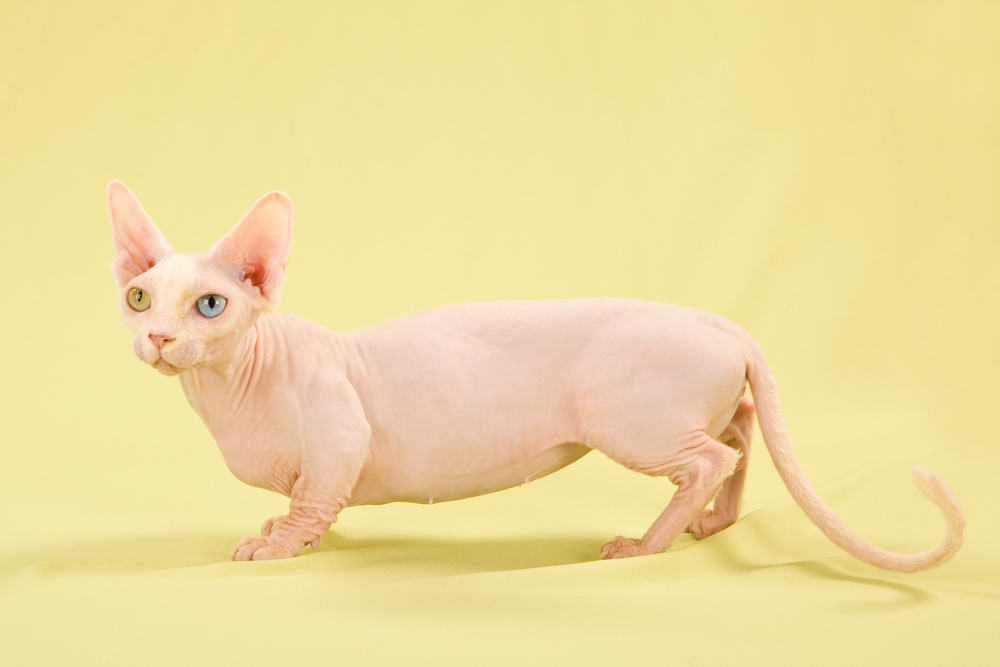
Unlike the curly-coated, near-naked Rex cat breeds (e.g., Devon Rex, Cornish Rex, Selkirk Rex), the fine, wispy hairs that furnish the sensitive skin of the Sphynx serve no functional purpose, while the Rex coat still provides physical protection and thermoregulatory functions. The mutation that produces alopecia in the Sphynx cat leaves these cats with skin that is unprotected, making them highly susceptible to sunburn, infections, and changes in temperature. In addition, their lack of whiskers and tactile hairs inhibits the cats’ ability to communicate and interact with their environment.
Since 2021, the Netherlands has been exploring how to stop the practice where animals suffer as a direct result of physical characteristics deemed “cute” by the often-unwitting public who buy them. What may seem like wishful thinking to many other countries and governments has proven to be a revolutionary and enlightened movement, one that will hopefully be adopted by more countries worldwide.
The greatest obstacles to implementing similar bans further afield are perception, misinformation, and product demand. In a consumer-driven society, it is highly unlikely for the product provider to lead the charge in banning their own product, and if demand continues, so will production. In the Netherlands, rather than wait for the ethical dilemma of buying an inherently unhealthy pet to affect demand, the government has stepped in and simply removed the unethical option, something few governments have the courage to do. Whilst freedom of choice is a wonderful thing, it shouldn’t be at the cost of animal welfare.

Broadly speaking, people tend to believe that breeders would not deliberately and knowingly breed animals that are unhealthy, and in their defence, many do not understand that their chosen breed’s unusual physical attributes may be more than skin deep.
However, the assertion that a litter of Scottish Fold kittens or Pugs, for example, has been vet-checked and declared to be healthy should always come with a small but essential qualifier: these animals are relatively healthy. The squashed faces, deformed cartilage, and other mutations mean that the health of these popular pets is compromised from conception. These mutations have not just been normalized, but have become highly sought after. However, this does not negate the FACT that these physical traits have a range of significant health implications, such as breathing difficulties, eye problems, spinal disease, early onset arthritis, and increased disease susceptibility, just to name a few. There is no doubt that animals with these afflictions can – and do – lead happy, enjoyable lives, but to knowingly and deliberately create cats and dogs with mutations, just to meet misguided consumer demand, is not just unethical, it is downright cruel.
We need to stop listening to the misinformation that these cats are perfectly healthy and make it clear that breeding and buying pets based on “cute” mutations, without taking the time to understand their health implications, is not okay. While the ban in the Netherlands is a positive step towards improved animal welfare, it would be even better if our choices made similar laws unnecessary.
Feature Image Credit: petfoto.vn & Alexander-Sobol, Shutterstock
Related Reads:
Did You Know?
- Our breaking news articles are featured in our weekly emails. Don't miss out on the latest and sign up for our newsletter below!

Expert cat care, straight to your inbox
Vet-reviewed advice, behavior tips, and the best of Catster. Free, and you can unsubscribe anytime.
By signing up, you agree to our Terms & Conditions and Privacy & Cookies Policy.
Dr. Karyn Kanowski BVSc MRCVS (Veterinarian)
Dr. Karyn comes from Queensland, Australia, and has lived in the UK for the past 10 years. In 2010, she graduated from The University of Queensland School of Veterinary Science and also has a Bachelor’s degree in Zoology. She is passionate about using evidence, experience, and owner collaboration to provide the best solutions for pets, and believes in making reliable information about animal health accessible to all. Dr. Karyn shares her home with five cats, four dogs, and one husband. When she is not in the scrubs, she spends her time writing, gardening, and cleaning up pet hair!
Join the conversation
Ask a question, share your story, or send private feedback.