Get

In Your Inbox

Catster is reader-supported. When you buy via links on our site, we may earn an affiliate commission at no cost to you. Learn more.

14 Rarest Cat Breeds in the World (With Info & Pictures)
Share

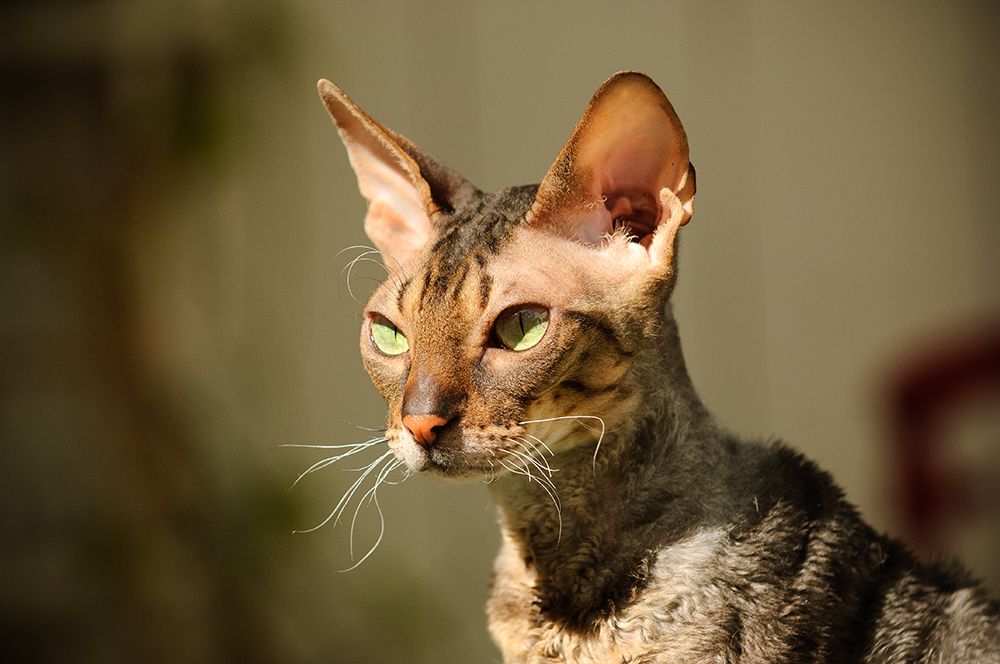
close up Cornish Rex cat

Along with dogs, cats are one of the most common and popular pets in the world, with the vast majority of pet cats being moggies or mixed breeds. There are, however, dozens of pedigree breeds around the world, including some like the Ragdoll and Maine Coon which are popular pet breeds and are seen in homes in most countries.

Others, like the Sokoke, are very rare and even if you did want one as a pet, they cost a lot of money and it can be very difficult to locate a reputable breeder. Below are 14 of the rarest cat breeds in the world, many of which you may not have even heard of.

divider cat paws 2 oct 2024

The 14 Rarest Cat Breeds in the World

1. American Wirehair

cat sitting on the roof
Image Credit: Fernando Calmon, Shutterstock
Height: 8–10 inches
Weight: 10–15 pounds
Lifespan: 15–17 years
Colors: All colors
Suitable for: Any pet-friendly home
Temperament: Lovable, agreeable, playful

The American Shorthair is a well-known breed, but the American Wirehair is considered a rare breed. The breed was developed to hunt rodents including mice and rats and was first bred in New York. Rather than the soft coat of breeds like the Shorthair, it has a wiry coat. These rare cats are becoming more popular, but it remains an unusual breed, especially outside the US.


2. Burmilla Cat

Cream Burmilla
Image Credit: Nynke van Holten, Shutterstock
Height: 10–12 inches
Weight: 6–13 pounds
Lifespan: 7–15 years
Colors: Blue, black, chocolate, caramel, lilac, beige, apricot
Suitable for: Families, apartment living, companionship for singles and seniors
Temperament: Affectionate, social, easy-going

The Burmilla was originally bred in the UK, in 1981, as a cross between the Burmese and a Chinchilla Persian cat. Of the parent breeds, the Burmese is confident but demanding while the Persian is more laid back. The resulting Burmilla breed is affectionate but not too demanding of your time and attention—it still retains a little independence.


3. Chartreux Cat

Chartreux Cat
Image Credit: LucasBouillon, Pixabay
Height: 9–11 inches
Weight: 6–9 pounds
Lifespan: 12–16 years
Colors: Blue, silver-grey
Suitable for: Singles, small and large families, seniors, and anyone looking for a quiet feline
Temperament: Loving, docile, friendly

While some of the rare cats on this list are relatively new, helping to explain why they’re so uncommon, this isn’t true of the Chartreux. This French breed has been used for hunting and has the skills to boost. It is a quiet cat, enabling it to sneak up on its quarry. It is also agile, muscular, and very athletic, so it is well-equipped for any chase that might ensue. In the home, the Chartreux likes to observe but retains its independence. It does show affection but is not usually an overly cuddly cat.


4. Cornish Rex

Black Cornish Rex Cat
Image Credit: absolutimages, Shutterstock
Length: 8 – 12 inches
Weight: 5 – 10 pounds
Lifespan: 10 – 15 years
Colors: Black, ebony, blue, gray, chocolate, brown, sable, cream, beige, tan, orange, white
Suitable for: Active families and individuals looking for a low-shedding cat.
Temperament: Affectionate, loyal, friendly, intelligent, quick learners, gets along well with other pets

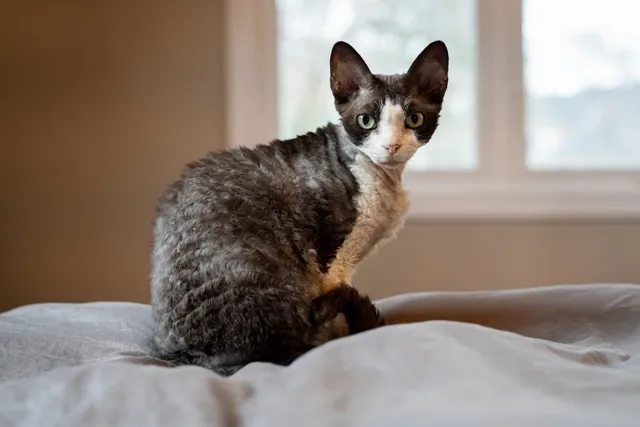
While the Devon Rex has become a popular breed in the US, the Cornish Rex, which comes from one county away from the Devon Rex, has not gained the same popularity. The Cornish has a curly coat and is a very good hunter. Owners need to find new and fun ways to entertain their Cornish Rex, or they can get bored.


5. Egyptian Mau Cat

Egyptian Mau
Image Credit: naturepicture_rika, Shutterstock
Height: 8–10 inches
Weight: 7–9 pounds
Lifespan: 13–15 years
Colors: Silver, bronze, smoke, solid black, blue silver, blue spotted, blue smoke, solid blue
Suitable for: Apartment living, families with older children, most lifestyles
Temperament: Strong-minded, active, fearless, playful

The Egyptian Mau is a fairly slender cat that has a coat consisting of a base color with black spots. It is the perfect mix of lively and loving. It is also one breed that enjoys playing in the water and it is highly intelligent, which means that you may find it playing in the shower and you will need to offer plenty of stimulation and entertainment.


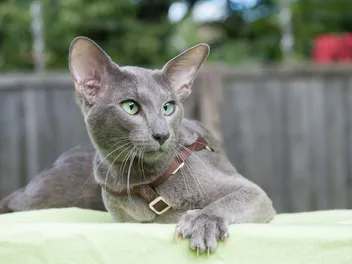
6. Korat

Korat Cat
Image Credit: gd_project, Shutterstock
Height: 15–18 inches
Weight: 6–10 pounds
Lifespan: 10–15 years
Colors: Blue, gray
Suitable for: Individuals and families who are home a lot
Temperament: Loving, in charge, regal, possessive, affectionate, selective

Hailing from Thailand, the Korat is a very rare cat indeed. In their homeland, Korats are considered lucky, but their rarity means that you may have a hunt on your hands. The cat was originally kept as companions in temples, and they have a beautiful blue coat that really does grab attention.


7. Kurilian Bobtail Cat

Kurilian Bobtail Cat
Image Credit: Oleksandr Volchanskyi, Shutterstock
Height: 9 – 12 inches
Weight: 8 – 15 pounds
Lifespan: 15 – 20 years
Colors: All possible color combinations and patterns except dilutes (chocolate, lilac, cinnamon, and fawn)
Suitable for: People who want a “wild-looking” cat that loves their family, those who want an outgoing and independent cat
Temperament: Intelligent, loving, independent, trainable, playful, gentle

The Kurilian Bobtail Cat is a natural breed, which means that it developed and bred naturally rather than intentionally bred by people. It typically has the short tail that gives it the Bobtail name. This breed is a slow developer, growing and maturing until it reaches 5 years of age. This is because the breed can live as long as 20 years.

And, if you are fortunate enough to find a breeder, a Kurilian Bobtail kitten can cost thousands of dollars.


8. LaPerm Cat

Laperm chocolate silver tortie tabby on black background
Image Credit: Linn Currie Shutterstock
Length: 6–10 inches
Weight: 8–10 pounds
Lifespan: 10–15 years
Colors: Red tabby, chocolate tortoiseshell, calico, classic tabby, white, black, blue, and fawn
Suitable for: Active families, those looking for a loving and friendly cat, and those with other pets
Temperament: Loyal and loving, intelligent, easy to train, friendly, and gets along with other pets

The LaPerm cat originates in the US and can be difficult to find in other countries. Its most notable feature is its coat, which looks crimped or like a very loose perm. The breed is small, typically only weighing around 6 pounds, and it is known for being vocal and playful. It may not be the best choice of breed for owners that want a quiet life.


9. Minskin Cat

minskin-cat_
Image Credit: Jaroslaw Kurek, Shutterstock
Height: 5–7 inches
Weight: 6–9 pounds
Lifespan: 12–15 years
Colors: Hairless, tabby, tortoiseshell, white
Suitable for: Indoor-only homes
Temperament: Playful, sociable, loving, outgoing, intelligent

The Minskin is a breed that was based on the short-legged Munchkin cat, combined with the hairless features of the Sphynx. It was developed in Boston, so the US is your best bet to find one of these breeds but there are very few of them in the world so it will be very difficult to find one. This breed may struggle with posture and mobility issues, as well as issues relating to the thin patches of fur and minimal protection offered to the skin.


10. Norwegian Forest Cat

cameo tabby norwegian forest cat sitting on the log
Image Credit: Elisa Putti, Shutterstock
Height: 9–11 inches
Weight: 9–16 pounds
Lifespan: 15–20 years
Colors: 60 different shades, with tabby being one of the most common
Suitable for: Families looking for an outgoing and laidback cat with a love of climbing
Temperament: Calm, outgoing, affectionate but not demanding, intelligent, and energetic

The Norwegian Forest Cat may be one of the better-known cats on this list, but it is still very difficult to find. Despite the name, it is believed that this breed does not really have any wild ancestors, and has been bred by humans, but its incredible coat does make it look like it belongs in a forest. That coat will require a lot of care and attention so expect to spend some time brushing and grooming.


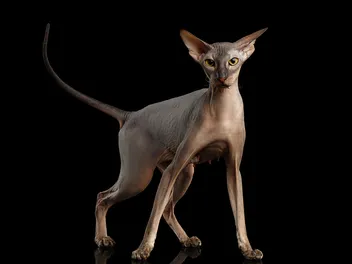
11. Peterbald

Peterbald Cat on black background
Image Credit: Seregraff, Shutterstock
Height: 8–10 inches
Weight: 7–14 pounds
Lifespan: 12–15 years
Colors: Varied
Suitable for: Families with small children, families with other pets, seniors, apartment dwellers
Temperament: Friendly, affectionate, playful, intelligent

The Peterbald is another breed that is ideal for lovers of hairless cats. The Peterbald can be completely hairless, or it may have a layer of fuzz on its skin. It is also intelligent and athletic, with energy to burn. Other than its coat, or lack thereof, the Peterbald is also known for having big ears.


12. Sokoke Cat

Sokoke cat close up
Image Credit: COULANGES, Shutterstock
Height: 7–8 inches
Weight: 6–10 pounds
Lifespan: 9–15 years
Colors: Brown tabby
Suitable for: Homes with children and dogs
Temperament: Athletic, playful, intelligent

The Sokoke is arguably the rarest breed in the world. It hails from the coast of Kenya, where it is known for being a feral breed. As a feral breed, the Sokoke needs lots of exercise and can become bored quickly—if you let it outdoors, it may spend most of its time outside. It has only really started to gain recognition as a breed since 2015 so it may become more popular and widespread as its recognition increases.


13. Tonkinese Cat

Tonkinese cat on a beige
Image Credit: dezy, Shutterstock
Height: 6–8 inches
Weight: 6–12 pounds
Lifespan: 10–16 years
Colors: Fawn and black, Silver, Gray, Taupe, Blue, Lilac, Brown, Caramel
Suitable for: Seniors, Apartment dwellers, Families with older children
Temperament: Playful, Intelligent, Loyal & loving, Curious

The Tonkinese is a cross between the Siamese and the Burmese breeds. Although the first occurrence of the Tonkinese was an accident, it was intentionally bred from the 1950s onwards. They are affectionate cats that like a lot of attention and need plenty of exercise. They also have a long lifespan of up to 18 years.


14. Turkish Van

close up of Turkish Vankedisi cat
Image Credit: RauL C7, Shutterstock
Height: 14–17 inches
Weight: 7–18 pounds
Lifespan: 13–17 years
Colors: White, blue, silver, red, brown, gray, black
Suitable for: Families that aren’t overly affectionate and want a low-maintenance pet with hilarious antics
Temperament: Funny, mischievous, clumsy, dignified, intelligent, energetic

The Turkish Van is a long-haired cat, that hails from Turkey, but despite its long coat, it is not a high-maintenance cat. The coat isn’t prone to matting or knotting and it doesn’t shed heavily, which means it is a suitable breed for those with cat allergies. The Van loves water and is a playful breed. Its almost pure white coat also makes it a popular breed with those who can find it.

divider 1 paws

Conclusion

While some breeds of cats are quite common, the 14 breeds listed above can be very difficult to find. If you are looking for a rare-breed cat, you still need to be diligent when choosing a breeder. Try to meet the parent cats, ask for documentation of the cat’s breed, and try to look around the premises before you commit to buying.


Featured Image Credit: everydoghasastory, Shutterstock

Want content like this delivered to you?

Sign Up For Our Newsletter

News, insights, expert advice, and everything cat

* By submitting, you agree to our Terms & Conditions and Privacy & Cookies Policy.


How useful was this post?

Click on a star to rate (you can leave written feedback after clicking submit)

Help us improve Catster for pet parents!

Your feedback really matters.

What did you like about this post? Also how can we improve it?

Join the conversation

Leave a Reply

You’re very welcome to leave a comment or question. Please know that all comments must meet our community guidelines, and your email address will NOT be published. Let’s have a positive and constructive conversation.


Catster's Digital Magazine is Back!

Vet-approved health & behavior advice

Real cat stories & community features

Weird Cat Behaviors That Actually Make Perfect Sense

We have been sharing our lives with cats for thousands of years, yet we still find ourselves genuinely stumped by what they get...

The Dream of Talking to Cats Just Got Closer to Becoming a Reality

If you’ve ever wished your cat could simply tell you what they wanted, you’re not alone. From the meow that wakes you before...

Kizzy: The Feline Princess With a Purpose

We were first introduced to Miss Kizzy after she won a licky-treat challenge hosted by Professor Fluffovich, our resident feline research specialist. While...

Chatting With Sally About Mission Meow & Helping Cat Rescue Organizations Collaborate | Chatty Cattys, Episode 24

In this episode of Catster’s podcast, Chatty Cattys, Nicole and Dr. Karyn sit down with Sally Williams, the founder of Mission Meow, for...

More related

How Much Catnip Can I Give My Cat? Vet-Reviewed Facts & FAQ

While most pet owners have given their feline pal catnip before, it’s hard to know how much you should give your cat or...

Do Male Cats Spray? Vet-Reviewed Facts & FAQ

Owning a cat will bring their owner so much joy, but unfortunately, it’s not all sweet purrs and cuddles. Some behaviors go hand...

7 Pet Friendly Hotels in Savannah, GA (2026 Update)

Coastal tranquility meets rich Southern culture in Savannah. Here, modern dining and entertainment mix seamlessly against the backdrop of historic architecture and live...

Do Cats Need to Fast Before Having Surgery? What You Need to Know!

When a cat needs surgery, owners have several questions about how they can prepare them for the upcoming procedure. One of the most...

Keep reading

How Do I Get Poison Ivy Off My Cat Safely? 5 Vet Recommendations

Poison ivy can cause serious problems for you and your cat. You can spread the oils that cause the rash to each other, and complications can pop up in humans and felines. Luckily, poison ivy is typically nothing more than...

Poison Ivy Plants

Why Is My Cat Throwing Up White Foam? 8 Vet-Reviewed Reasons

Cats vomit for several reasons. As unpleasant as it sounds, the color and consistency of your cat’s vomit may give you and your veterinarian a clue as to the reasons why. What if your cat is throwing up white foam?...

cat-vomitting

Is A Devon Rex Hypoallergenic? What You Need To Know!

The Devon Rex is a popular breed due to their social, outgoing, and playful personality. They benefit from pet owners who can give them plenty of attention, and they do well with children and other pets. They are very intelligent,...

devon rex on a cat tree

10 Best Foods for Pregnant Cats in 2026 – Reviews & Top Picks

When it comes to feeding a pregnant cat, it’s important to note that pregnant cats need special nutrition—they require extra protein, fat, and nutrients that the average adult feline doesn’t need. Therefore, you need to feed your pregnant cat a...

Pregnant british shorthair cat with expressive orange eyes waiting for Food

What Is Cat Grass? Vet-Reviewed Benefits, Safety & Growing Tips

You may have seen your outdoor cat nibbling on the grass outside and wondered what they were up to. Many cats enjoy eating grass, but what about indoor cats that don’t get the chance to chew on that green stuff?...

cat eat young wheatgrass

Go! Solutions by Petcurean Cat Food Review in 2026: Recalls, Pros & Cons

Go! Solutions by Petcurean is a line of cat food that caters to your kitty’s inner beast. Each recipe is carefully crafted to fit various dietary requirements. We’ll take a detailed look into the ingredients and different formulas to see...

Go! Solutions Cat Food Review

Is Palmolive Dish Soap Safe for Cats? Vet-Approved Risks & Alternatives

Palmolive is a common dish soap that can be found in many household kitchens. Several dish soap brands, such as Palmolive and Dawn, advertise that they’re safe to use on animals. While this can be true, it really depends on...

Catster_Is Palmolive Dish Soap Safe for Cats

Is Your Cat Constipated? 12 Simple Remedies Vets Recommend Trying at Home

Few things worry cat parents more than when their kitty can’t go. Constipation is one of the most common digestive issues cats face — and one of the most uncomfortable. While some cases are mild and manageable at home, others...

cat outside the litter box

Love Cats? So Do We! Join the Catster Community

Stay informed with expert pet care insights delivered straight to your inbox! Discover professional guidance on animal behavior, feeding tips, trusted product picks, and much more.


Sign up for the Catster Email Newsletter

Stay informed with expert pet care insights delivered straight to your inbox! Discover professional guidance on animal behavior, feeding tips, trusted product picks, and much more.