Get

In Your Inbox

Catster is reader-supported. When you buy via links on our site, we may earn an affiliate commission at no cost to you. Learn more.

Grey Sphynx Cat: Info, Pictures, Care & Traits
Share

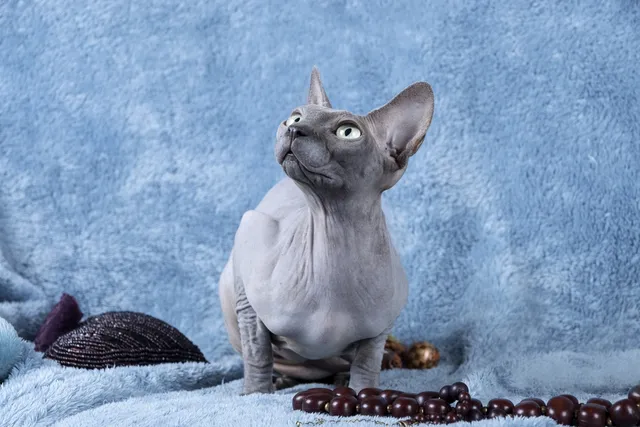
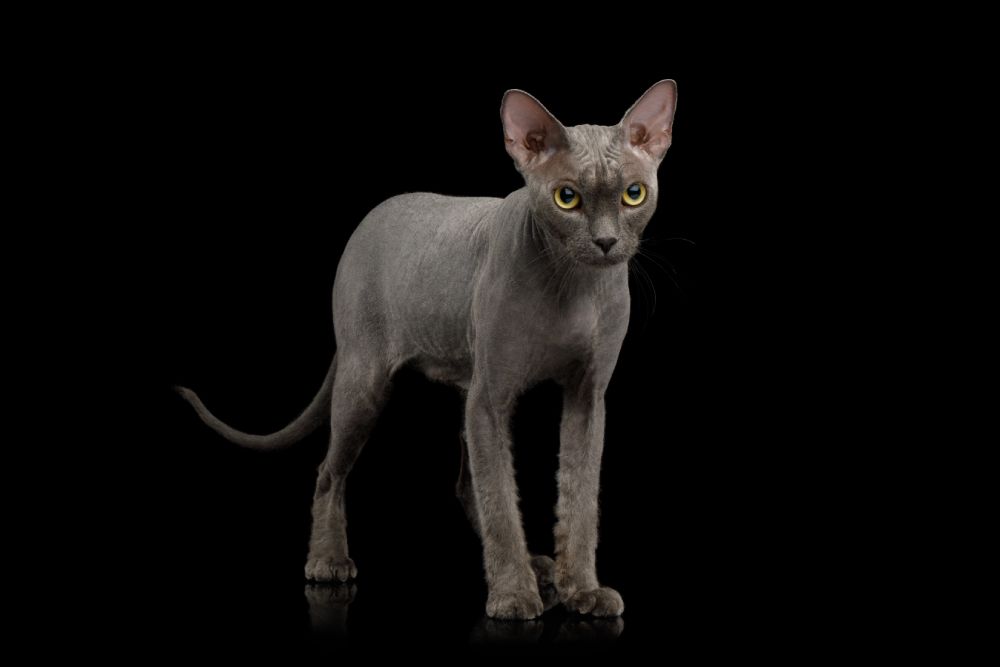
Gray Sphynx Cat Standing and Looking in Camera

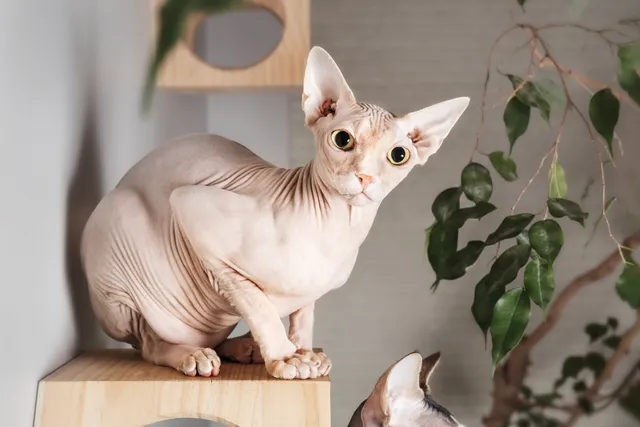
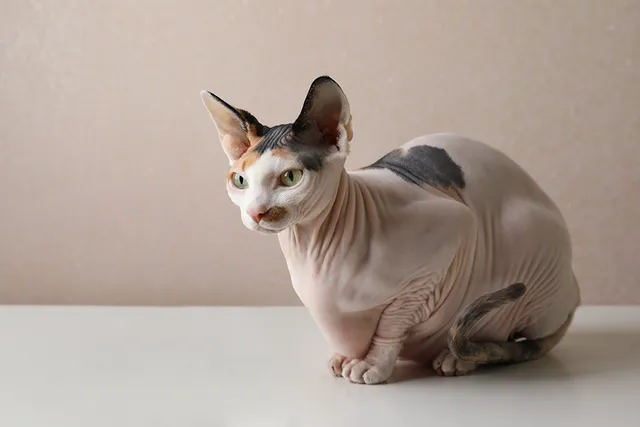
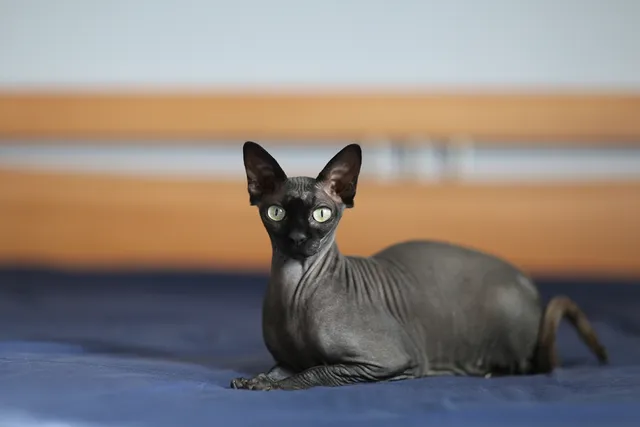
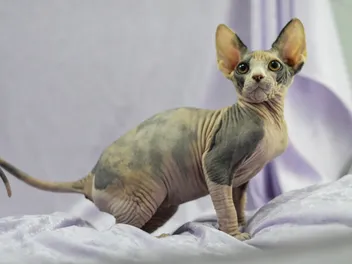
Everything about the grey Sphynx cat screams for attention, starting with the animal’s hairless appearance. Relatively big ears and eyes also complete the look for this vocal feline. However, they aren’t hairless as their looks may suggest. Some refer to their fine down as “chamois leather” because of its texture and feel. While the breed standard recognizes all patterns and colors, grey is somewhat rare.

Breed Overview

Height:

6–9 inches

Weight:

7–14 pounds

Lifespan:

10–15 years

Colors:

Grey, black, white, blue, cream, brown

Suitable for:

Active families looking for a people-oriented cat

Temperament:

Intelligent, affectionate, energetic, sweet

There’s much to love about the grey Sphynx. They love being around people and freely show their affection. It’s easy to see why the breed is the 10th most popular, according to the Cat Fanciers’ Association (CFA). The animal’s looks and personality are a winning combination with pet owners. This feline will make their presence known to everyone in or visiting the household.

Grey Sphynx Cat Characteristics

Energy
+
A high-energy cat needs a lot of physical and mental stimulation to keep healthy and happy, while a low-energy cat needs minimal physical activity, but still needs mental stimulation. When choosing a cat, It’s important to ensure their energy levels match your lifestyle.
Trainability
+
Cats that are easy-to-train are more willing and skilled at quickly learning prompts and actions with minimal training. Harder-to-train cats are usually more stubborn or aloof and require a bit more patience and practice.
Health
+
Certain cat breeds are more prone to various genetic health problems, and some more than others. This doesn’t mean that every cat in those breeds will have these issues, but they do have an increased risk, so it’s important to understand and prepare for any additional needs they may require.
Lifespan
+
Due to their size or potential genetic health issues of a specific breed, some cats have shorter lifespans than others. Proper nutrition, exercise, mental stimulation, and hygiene also play an important role in your cat’s lifespan and quality of life.
Sociability
+
Some cat breeds are more social than others, both towards humans and other cats and animals. Cats that are more social have a tendency to rub up on strangers for scratches or jump on laps for cuddles, while cats that are less social shy away, hide, are more cautious, and even potentially aggressive. No matter the breed or gender, it’s important to socialize your cat and expose them to many different situations.

divider 3 paws

The Earliest Records of the Grey Sphynx Cat in History

All hairless breeds didn’t begin or end with the grey Sphynx. Other unrelated cats exist, including Russia’s Don Sphynx. There are also other anecdotal accounts of earlier examples. The grey Sphynx’s story begins in Ontario, Canada, with a genetic mutation resulting in a hairless cat named Prune. It set the stage to breed cats with this trait.

This quest involved enthusiasts from Toronto and Minnesota. As word of this hairless feline spread, other breeders got involved, making it the goal of European and North American enthusiasts. Genetics added to the challenge. Hairlessness is a recessive trait. Each parent must contribute a copy or allele for it to present visually. If one parent doesn’t have it, the offspring have hair.

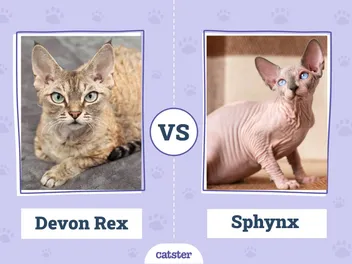
Infertility was another complication in developing the breed. Early mortality is another issue. A UK study found that the Sphynx had the shortest life expectancy of any cats tested. The dedication of the early enthusiasts was critical for the breed’s survival and subsequent popularity among pet owners. Breeders used Devon Rex cats as part of the breeding programs, making the two related.

How the Grey Sphynx Cat Gained Popularity

Cats have two main jobs: mouser and companion. The grey Sphynx undoubtedly has instincts of the former. However, the breed’s development also encouraged traits to complement the latter. The result is an ongoing animal with high intelligence and curiosity. Instead of running when someone knocks at the door, this kitty rushes to see who is visiting their home.

The Sphynx’s personality helped propel the kitty’s popularity. They are the antithesis of the aloof cat. This pet is quite people-oriented, which selective breeding encouraged. The breed has earned its place in the hearts of cat owners worldwide.

gray Sphynx kitten looking at the camera
Image Credit: Vital Hil, Shutterstock

Formal Recognition of the Grey Sphynx Cat

Official cat registries put the welfare of the animal above all else. That rests with the genetic diversity and viability. A small gene pool means a greater risk of undesirable traits or hereditary and congenital conditions passing on to the kittens. Developing the breed meant bringing new animals with the hairless trait into the mix. It also relied on the persistence of enthusiasts to continue their efforts.

Their efforts paid off, with formal recognition by the Cat Fanciers’ Association (CFA) and Fédération Internationale Féline (FIFe) in 2002. The International Cat Association (TICA) recognition soon followed in 2005. Each organization created breed standards, which further added development. Of course, seeing the grey Sphynx in the show ring earns more recognition and fans.

divider 1 paws

Top 3 Unique Facts About the Grey Sphynx Cat

1. Research Has Shown that the Sphynx Is One of the Least Fearful Cats

Some personality traits are heritable, and the grey Sphynx is living proof as one of the least fearful felines.


2. Scientists Have Found the Sphynx Has a Greater Risk of Cardiovascular Disease

Selective breeding sometimes comes with a price. For the Sphynx, there is a greater risk of hypertrophic cardiomyopathy (HCM) and mitral valve dysplasia (MVD).

gray Sphynx cat wearing a cat harness outdoors
Image Credit by: SuJo Studios, Shutterstock

3. The Grey Sphynx Isn’t Hypoallergenic

Just because the cat doesn’t have hair doesn’t mean they are hypoallergenic. That’s true with the gray Sphynx and other felines. The offending allergen exists in the animal’s saliva, making it impossible to avoid.

divider 2 cats

Does the Grey Sphynx Cat Make a Good Pet?

The grey Sphynx is a sweetheart. These cats are affectionate, inquisitive, and intelligent, making them different from many feline breeds. They aren’t the independent cats many may think of these animals. They can entertain themselves, but they also thrive on human interaction. Note that separation anxiety is a concern for pets left alone a lot, so we don’t recommend this cat for individuals who aren’t home much.

All pets are a commitment, and this breed has some health issues that require monitoring. We recommend getting cats from reputable sellers who conduct pre-breeding screenings. DNA testing can identify some potential problems. You should also stick with breeders who offer a health guarantee to protect both you and the cat. Regular veterinary is imperative because of these heritable issues.

You may find it challenging to find a grey Sphynx because of their relative rarity. However, your search isn’t for naught. They are lovable animals worth the effort. Understanding your commitment as a pet owner is essential. These cats can become true family members, especially if they have things their way.

divider 1 paws

Conclusion

The grey Sphynx is a fascinating animal and the undying product of the dedication of enthusiasts. The breed has its issues, but they are nothing an engaged pet owner can’t handle. They have the energy and curiosity to make having one in your home one of the best decisions you’ll ever make. Just make sure you can keep up with the cat’s activity level and chattiness!


Featured Image Credit: Seregraff, Shutterstock

Want content like this delivered to you?

Sign Up For Our Newsletter

News, insights, expert advice, and everything cat

* By submitting, you agree to our Terms & Conditions and Privacy & Cookies Policy.


How useful was this post?

Click on a star to rate (you can leave written feedback after clicking submit)

Help us improve Catster for pet parents!

Your feedback really matters.

What did you like about this post? Also how can we improve it?

Join the conversation

Leave a Reply

You’re very welcome to leave a comment or question. Please know that all comments must meet our community guidelines, and your email address will NOT be published. Let’s have a positive and constructive conversation.


Catster's Digital Magazine is Back!

Vet-approved health & behavior advice

Real cat stories & community features

Chatting About the Importance of Spaying/Neutering, Cat Retail Shopping Ban & Red-Level Storms | Chatty Cattys, Episode 30

In this episode of Catster’s Chatty Cattys podcast, Nicole and Dr. Karyn are celebrating a major legal win for pets before diving into...

Is Your Cat Happy? Here’s How You Can Tell

Cats have a reputation for being indifferent, even inscrutable. But despite their seemingly ambivalent appearance, cats experience many emotions, including happiness, and they...

Human Brains Age Like Cats – New Study Debunks the 7-Year Rule

If you’ve ever caught your senior cat staring blankly at a wall, wandering the halls at 3 am, calling out for no clear...

Chatting with Devin About Here! Have a Kitten, Fostering, & Why Two Are Better Than One | Chatty Cattys, Episode 29

In this episode of Catster’s Chatty Cattys podcast, Nicole & Dr. Karyn sit down with Devin, the founder and one-woman show behind “Here...

More related

Catit Oasis Review (2026 Update): The Ultimate Kitty Playground

I’ve always loved the Catit line of cat products. The folks at Catit really know what cats like, and how to keep them...

How Long Does a Cat Take to Recover From Jaundice? Our Vet Answers

While a highlighter-yellow cat may sound like something out of a cartoon, the reality of a jaundiced cat is no laughing matter. If...

How to Keep Slugs Away From Cat Food: 7 Vet-Approved Tips

If your cat has regular access to the outdoors and likes to hang out in your backyard enjoying the sunshine, you may have...

Do Cats Know When You’re on Your Period? Vet-Verified Facts & FAQ

You spend a lot of time with your favorite feline, so they’ve seen you in all kinds of states. From exhausted to joyous...

Keep reading

Do Male Cats Go into Heat? Vet-Reviewed Signs & Facts

Being a cat owner has its ups and downs, however, some moments may become complicated and cause you some stress. If you notice, on occasion, your tomcat trying to flee the home at any chance it gets, and even being...

tortie cat resting on heated bed

Can Cats Eat Avocado? Vet-Verified Health Concerns & FAQ

Avocados have several nutritional benefits for humans; they are low in sugar and packed with healthy vitamins and minerals. They are considered great for heart health and may help lower inflammation. Avocados can be made into dips like guacamole, added...

Can Cats Eat Avocado

Why Is My Cat Licking All Her Fur Off? Vet Approved Reasons & Tips

Cats are perfectionists in grooming, dedicating plenty of time each day to removing loose hair, dirt, and other debris from their coats. Catching your cat grooming several times per day isn’t abnormal, but if your cat is licking to the...

Chinchilla Persian Cat licking its paw

Can Cats Eat Craisins? Vet-Approved Nutritional Benefits & Precautions

Our pets are our best friends, and we only want them to eat the best. However, sometimes you wonder if your cat might like some of the snacks you’re munching on. For instance, can cats eat craisins? Many foods are...

Can Cats Eat Craisins

Do Cats Pee to Mark Territory? Vet-Reviewed Cat Behavior Explanation

If you’ve ever seen your cat back up to a wall, the couch, or anywhere that is a vertical surface and spray urine, it’s called urine marking or spraying. Cats indeed spray to mark their territory, especially if they are...

a white cat spraying the wooden gate

How To Flea Bomb With Indoor Cats: 5 Vet-Approved Tips & Precautions

When fleas hitch a ride on your pet, your home can soon become an unwelcome place. An infestation can make you and your animal quite uncomfortable from the unrelenting pests, and the problem will only worsen without treatment. Using flea...

Exterminator fumigating a room

Cat Regurgitation vs. Vomiting: Vet Reviewed Differences & How to Help

Owning a cat or several of them comes with a great deal of responsibility. Felines are independent creatures that can practically take care of themselves. However, if your cat gets sick or is involved in an accident, as a responsible...

Cat Regurgitation vs. Vomiting

Can Cats Be Allergic to Catnip? Feline Facts & Alternatives (Vet-Reviewed Info)

So, your cat had some catnip and is now acting weird. Should you be worried? Well, you’re in luck because in most cases, you don’t need to worry! Catnip isn’t an addictive substance. However, some cats may be allergic to...

jar of catnip

Love Cats? So Do We! Join the Catster Community

Stay informed with expert pet care insights delivered straight to your inbox! Discover professional guidance on animal behavior, feeding tips, trusted product picks, and much more.


Sign up for the Catster Email Newsletter

Stay informed with expert pet care insights delivered straight to your inbox! Discover professional guidance on animal behavior, feeding tips, trusted product picks, and much more.