Licky Treats: A Scientific Investigation into the Tube-Based Delights Taking Over Modern Cat Households

In this article
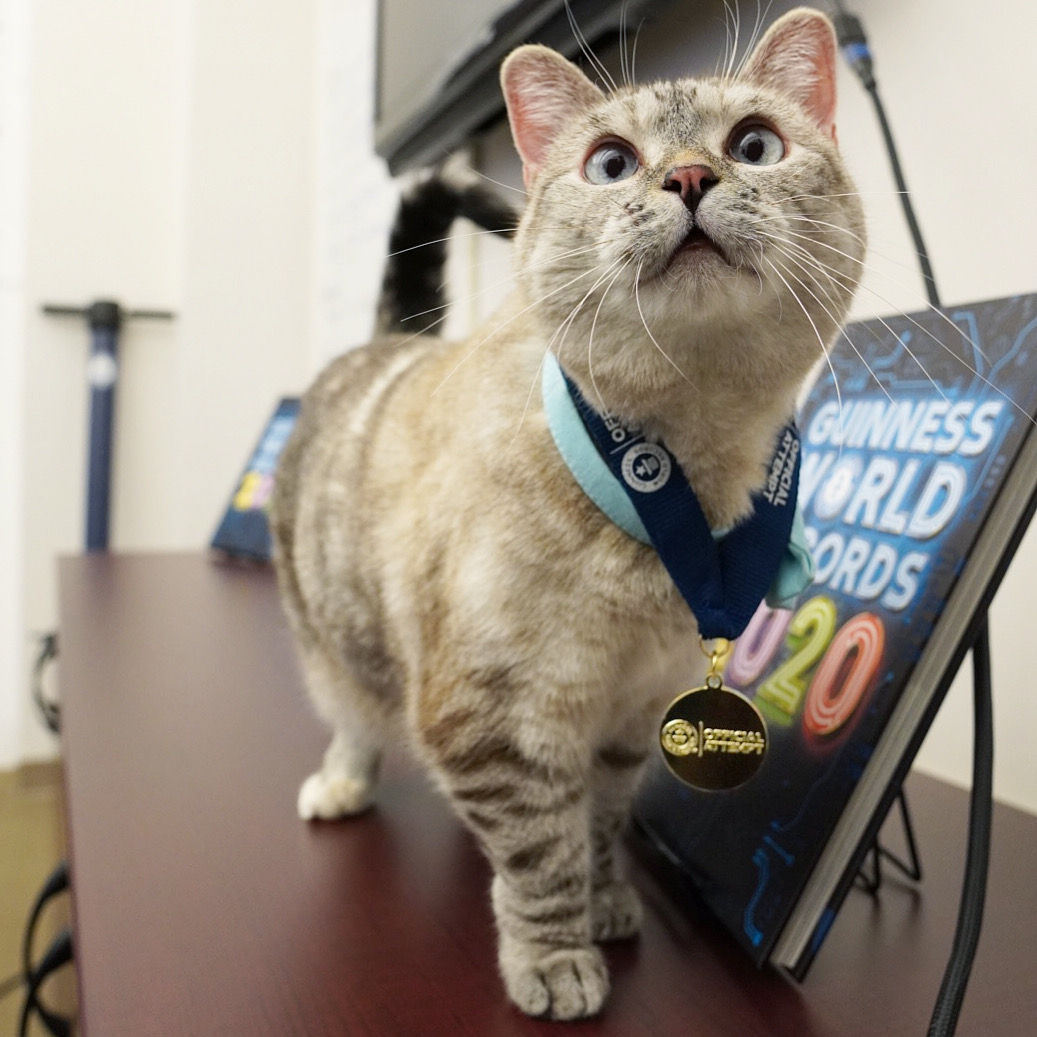
By Professor Lucifer Fluffovich, Department of Applied Snackology
Human civilisation has produced many inventions of questionable usefulness: vacuum cleaners, pyramids, and the laser pointer dot we will absolutely catch someday. But occasionally, humans achieve true progress.
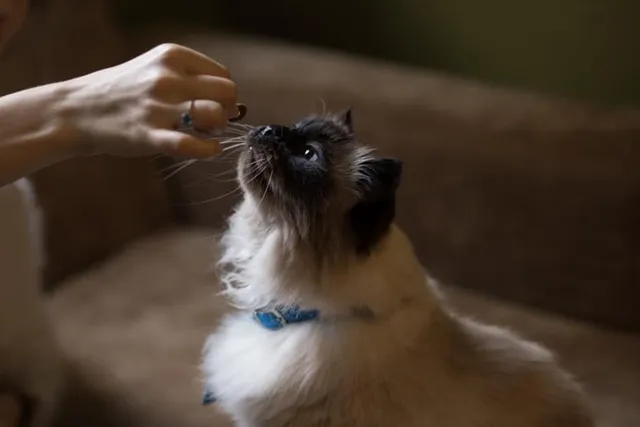
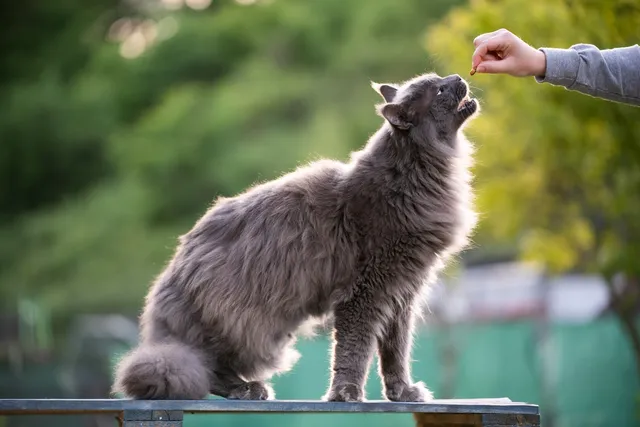
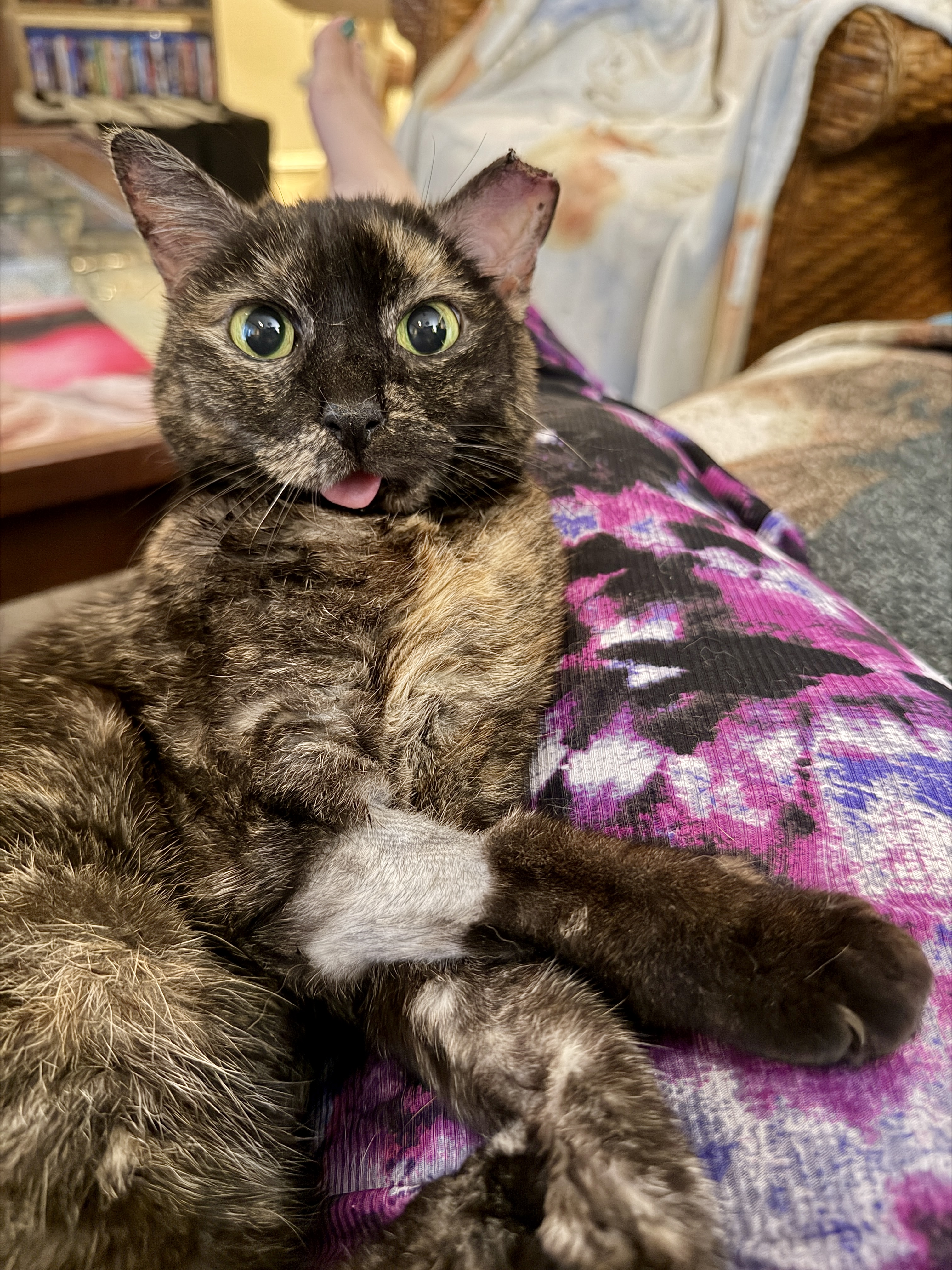
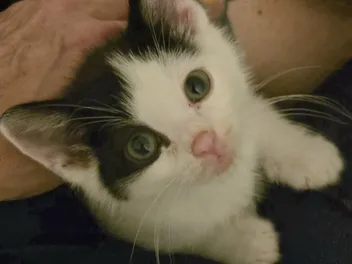
One such breakthrough is the licky treat: a creamy purée delivered from a slender tube directly to the waiting tongue of a highly deserving cat. As a senior researcher in household science, I have conducted extensive testing. My assistant, Miss Wuffovna aka Missy, has also contributed important field observations, mostly involving enthusiastic licking and occasional attempts to steal the entire tube. The results are compelling.

The Power of the Lick
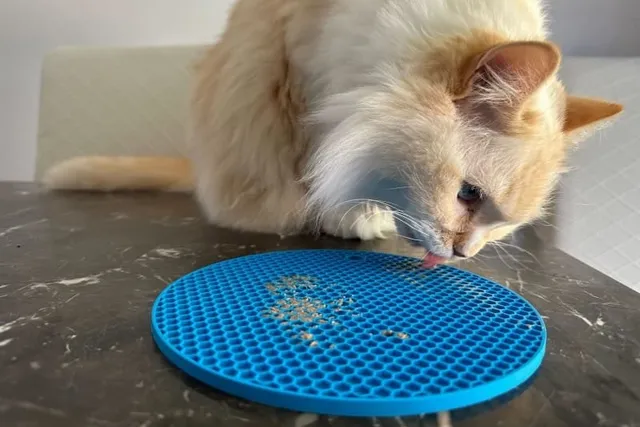
Unlike crunchy biscuits, lickable treats activate one of a cat’s most natural behaviours: licking.
Cats lick to groom, to bond, and sometimes to calm themselves. Because of this, the act of licking itself can be soothing and enriching. Behaviour specialists note that licking activities can reduce stress and provide positive stimulation for indoor cats.
In scientific terms, this means the licky treat is not merely a snack.
It is interactive enrichment disguised as food.
Cats are famously poor drinkers. This is not stubbornness (although that also exists). It is an evolutionary design. Domestic cats evolved from desert ancestors who obtained most of their water from prey. As a result, many modern cats drink less water than veterinarians would prefer. Because lickable treats are moist purées, they provide a small but useful amount of additional fluid intake. So, while the human believes they are giving a treat, the cat may quietly be receiving hydration support. We approve of this kind of clever engineering.

Appetite Magic and Medical Mischief
Lickable treats are also highly effective when a cat needs encouragement to eat. Veterinarians often recommend palatable foods during illness, recovery, or periods of stress. Because lickable treats are soft, aromatic, and easy to consume, they can help stimulate appetite. They are also frequently used to hide medication. From the feline perspective, this is deeply suspicious. But unfortunately… delicious.
The 10 Percent Rule (A Tragic But Necessary Fact)
Despite their excellence, lickable treats must be used responsibly. Veterinary nutrition guidelines recommend that treats make up no more than about 10% of a cat’s daily calorie intake. For example:
- A typical adult cat needs roughly 200–250 calories per day
- Treats should therefore provide no more than about 20–25 calories
The rest must come from balanced cat food. I realize this rule is controversial. But science can be difficult.

When Treats Become Supplements
Modern lickable treats have evolved beyond simple snacks. Some now contain functional ingredients that support feline health.
Taurine Support
Many include taurine, an essential amino acid that cats must obtain from their diet. Taurine supports:
- heart health
- vision and retinal function
- digestion and neurological health
Without enough taurine, cats can develop serious problems, including heart disease and vision loss. Adding taurine to treats can help support overall nutrition, though it does not replace a balanced diet. A snack that protects one’s eyesight while watching birds through the window? Excellent planning.
Calming Ingredients
Some licky treats also contain calming nutrients such as L-theanine or L-tryptophan. These ingredients are sometimes used to help cats cope with stressful events like travel, vet visits, or unfamiliar guests. They may promote relaxation without making a cat sleepy.
That said, if the human moves the sofa without permission, no snack in the world will fully resolve the situation.

The Social Power of the Tube
The greatest benefit of licky treats may not be nutritional at all. Because they are often fed directly from the tube, they create a shared moment between cat and human. The cat receives a reward while the human participates directly in the ritual. This strengthens the bond between species. Or, more precisely, it trains the human to hold the tube at the correct angle and to squeeze faster,
The Licky Treat Challenge
Recently, an important new online research initiative has emerged: the Licky Treat Challenge. In this experiment, cats are presented with a tube of treats while humans film the results. Findings so far include:
- Some cats lick with delicate precision
- Some attempt to consume the tube at an alarming speed
- Some grab the tube and run
All are valid techniques. But the real joy of the challenge is simple: it captures that small moment of delight when a cat and a human share something fun together. And if science happens along the way, so much the better.

Final Thoughts from Professor Fluffovich
The humble licky treat may look like a simple snack. But in reality, it combines enrichment, hydration, bonding, and sometimes even nutritional support in one small tube. Which proves a fundamental principle of feline research: The best innovations are rarely complicated. They are creamy, delicious…and held by a human who has finally learned their proper role.
Now, if you will excuse me, further participation in the Licky Treat Challenge is required. Strictly for research purposes, obviously.
— Lucifer Fluffovich, Feline Lifeform, Senior Researcher in Snackology, Apex Predator of Licky Treats, Destroyer of String, and DEFINITELY NOT Mummy’s Little Bum-Bum.
Expert cat care, straight to your inbox
News, insights, and useful advice, delivered to you.

No spam — unsubscribe anytime.
By signing up, you agree to our Terms & Conditions and Privacy & Cookies Policy.
How useful was this post?
Click a star to rate. You can leave written feedback afterwards. (We read all feedback.)

Kirsti Harefallet is a London-based marketing strategist who currently works in in real-world evidence and healthcare insights. At home she serves as human assistant to Professor Lucifer Fluffovich and his young colleague Missy, the Siberian cats behind the Kirsti and Her Cats creative universe. Their adventures in feline science, music, and household research are shared on Instagram at @LuciferFluffovich, @ArtemisWuffovna, and @KirstiandHerCats.