Will Stress Cause a Cat To Lose Their Hair? Vet Approved Facts & FAQ


In this article
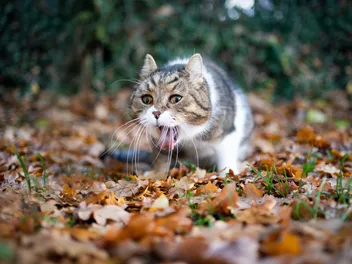
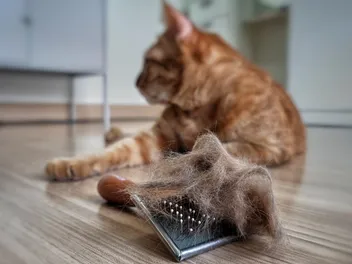
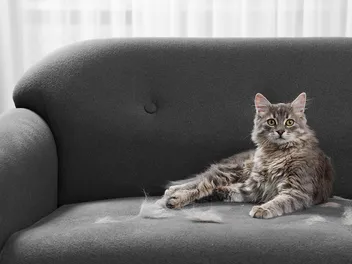
Several problems, conditions, and situations can cause a cat to lose its hair. One of those conditions is something we humans regularly face, stress. Yes, stress can cause your cat to lose its hair, a condition called psychogenic alopecia.
If your cat is suffering from psychogenic alopecia, the facts and figures below will be very helpful. We’ll look at how the condition starts, the symptoms it can cause, and what to do about psychogenic alopecia. We’ll also discuss what stress looks like when it’s affecting your cat and several other reasons they might start to lose their hair. If you’re a worried cat parent watching their beloved kitty suffer from hair loss, read on to find out what you can do to help them.

What Is Psychogenic Alopecia?
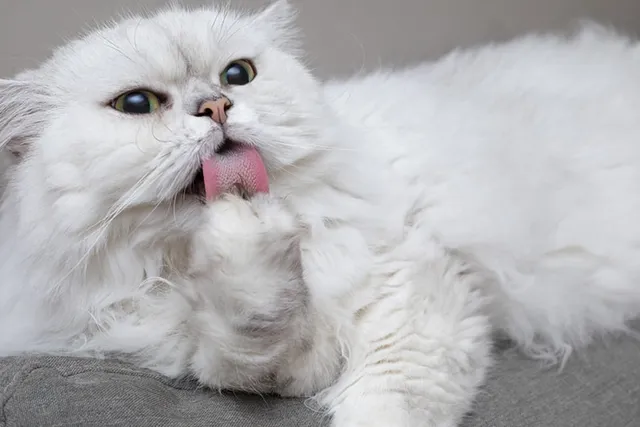
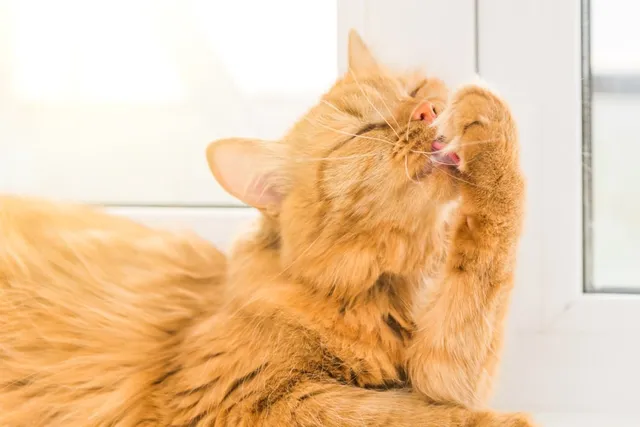
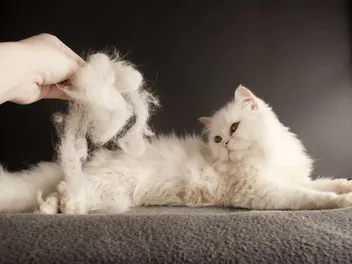
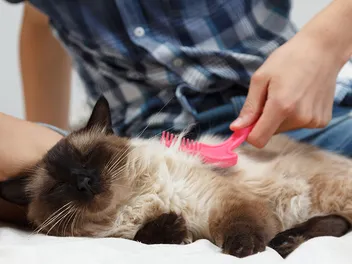
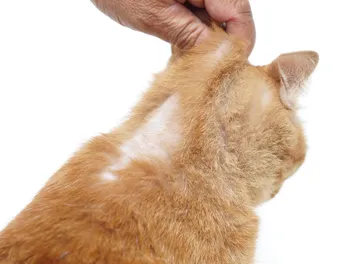
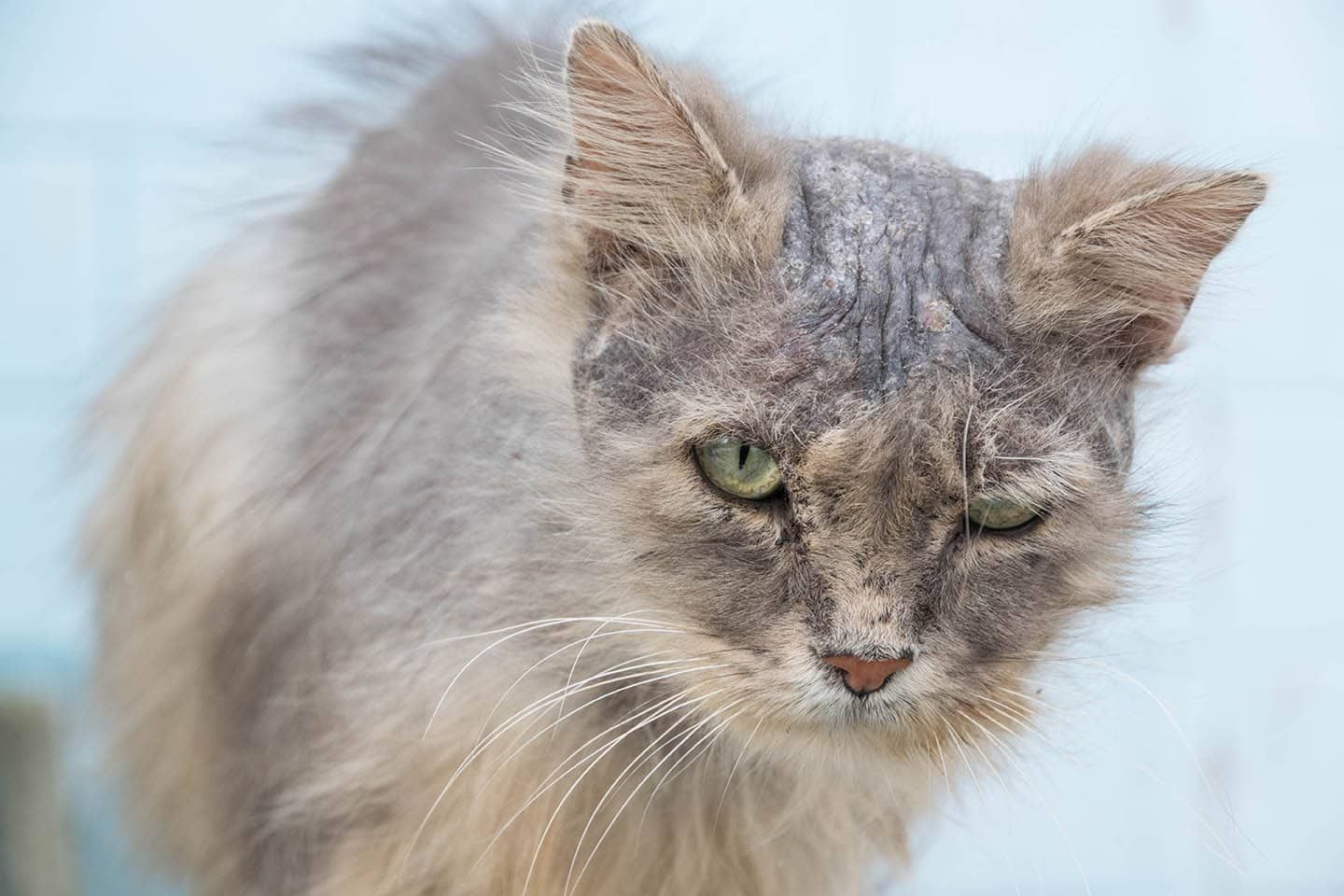
When a cat is under a lot of stress, they often turn to unhealthy ways of dealing with that stress. Psychogenic alopecia is one of those ways. When a cat has this condition, which is also known as over-grooming or compulsive hair pulling, it will pull out its own hair. The process usually happens gradually, with small patches turning to bigger ones and, often, bald spots.
The most common part of a cat’s body affected by psychogenic alopecia is its flanks, the area between its ribs and hips, although it might happen in other areas as well. A stressed-out cat will lick itself so much, or pull at their hair so often, that it starts to come out and has a difficult time growing back. Psychogenic alopecia is a form of self-trauma and must be treated as soon as possible so that your cat stops this unhealthy behavior.

How Does Psychogenic Alopecia Start?
Stress is what causes psychogenic alopecia. The difficult part is determining why your cat is stressed and what’s causing the stress. For example, if you have several cats and one is being bullied by the others, that cat’s stress level might be so high that they start hurting themself by over-grooming.
Moving from one home to another can cause a cat to suffer from a huge amount of stress, as well as dealing with a dog in the family that is aggressive, watching multiple stray cats outside your home, and bringing a new baby or resident into the house.
Whatever the cause, your poor cat has so much stress that they start to lick, bite, scratch, or chew on an area of its body so much that its hair falls out. Some cats suffer so badly from psychogenic alopecia they get bald patches.
How Is Psychogenic Alopecia in Cats Diagnosed?
One of the fascinating (albeit disturbing) facts about psychogenic alopecia in cats is that the diagnosis is one of exclusion. What that means is that to determine if stress is causing their hair loss, you must first rule out (i.e., exclude) other problems or conditions that can cause your cat to lose their hair.
For example, your cat might have a food allergy that’s causing hair loss, or it might be suffering from a flea or mite infestation. Your cat might also have ringworm, which can cause them to lose hair in patches. Once your vet has ruled out all of the other hair-loss-inducing possibilities, you’ll be left with only one: psychogenic alopecia. At that point, you can begin treating the problem.
What Are the Signs Your Cat Is Stressed?
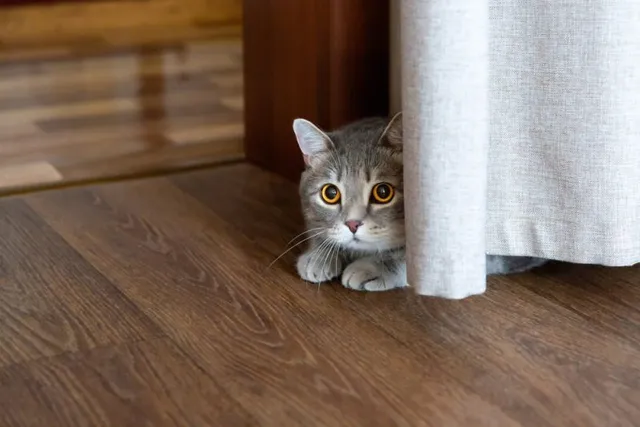
Psychogenic alopecia is an obvious sign that your cat is stressed, but there are several more that you may notice before they start hurting themself by over-grooming. You must know the signs so that, if your cat is stressed, you can help them as quickly as you can.
The signs include the following:
If your cat shows signs of the symptoms above or you suspect they might be suffering from underlying health issues, you should contact your vet.
What Can Cause Your Cat to be Stressed?
Several situations can cause a lot of chronic stress for your favorite feline. We’ll take a look at the most common below.
1. Moving to a New Home
Moving with you to a new home or being brought home from a shelter for the first time causes a lot of stress for cats. You must give your cat a safe space as quickly as you can after moving them to a new home and supporting them while they adjust.
2. A Lack of Basic Necessities
Having a dirty litter box, water, or food bowl is stressful for most cats. That’s because cats are very fastidious and like things they use and touch to be clean and neat. Cleaning their litter box and bowls regularly as well as ensuring they're not next to each other is important.

3. Competition from Other Cats
If you have more than one cat, you force them to share resources, which can be pretty stressful. Cats are usually solitary by nature and prefer to live alone. Competition for resources is a common source of stress. This is especially true for litter boxes, making it essential you have enough for all your cats.
4. Frequent Guests Visiting
Some cats have no problem with family and friends coming to visit, but other cats can have a big problem with it, especially those who are timid or sensitive. Giving your sensitive cat(s) a private space where they aren’t bothered by visitors might be necessary.
5. Remodeling or Home Renovation
Drastic changes to their environment caused by remodeling or renovation can stress a cat to the max. Sometimes it’s better to put an indoor cat in one room or even ask a friend to watch them until the renovations are finished.
6. Dogs and Other Pets
Other pets, especially aggressive dogs, can cause your cat to be very stressed. Surprisingly, even a new cat can be problematic as cats are solitary creatures that don’t generally like sharing their space with other cats.

7. A New Baby
For you, having a new baby is an exciting and joyful time, but it can be very stressful for your cat. Not all cats will have problems with a new baby, but anxious or shy cats might, usually due to less attention than they’re used to getting. During this time, ensuring your cat gets the attention they need is important.
How Do You Treat Stress in Cats?
The typical treatment for stress in cats is to reduce or eliminate the cause of the stress. That’s sometimes easy, like cleaning their litter box more often, giving them a “safe space,” or giving your cat more attention. Three of the most common treatments for stress, and specifically psychogenic alopecia caused by stress, include medications, changing your cat's environment, and behavior modification.
Final Thoughts
Stress can cause your cat to lose its hair. The problem is called psychogenic alopecia and can be subtle or, in some cases, severe enough to leave bald spots behind.
If your cat is suffering from hair loss, it’s necessary to first determine that it’s not caused by anything else, like mites or ringworm. Schedule a visit to your veterinarian for an assessment and advice. Once stress has been determined as the cause, the typical solution is to remove the stressor.
Featured Image Credit: Drendan, Shutterstock
Expert cat care, straight to your inbox
News, insights, and useful advice, delivered to you.

No spam — unsubscribe anytime.
By signing up, you agree to our Terms & Conditions and Privacy & Cookies Policy.
How useful was this post?
Click a star to rate. You can leave written feedback afterwards. (We read all feedback.)
Gregory Iacono former chiropractor and self-taught writer. Greg has experience in a wide variety of subjects including video script. As a man of clinical experience, Greg has the ability to digest a complex subject and make it accessible to the reader. Greg enjoys traveling and spending time with his two daughters and son.