Get

In Your Inbox

Catster is reader-supported. When you buy via links on our site, we may earn an affiliate commission at no cost to you. Learn more.

My Cat Is Pulling Hair Out Along Their Spine: 8 Causes & Treatments

Share

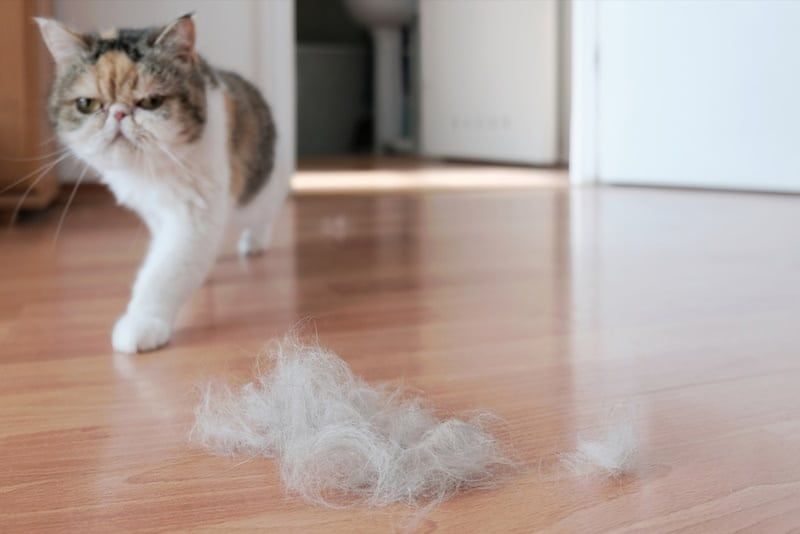
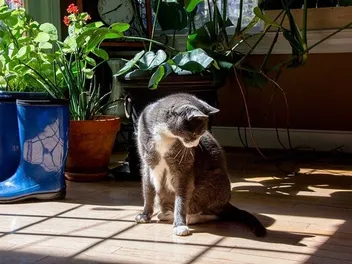
cat walking on wooden floor

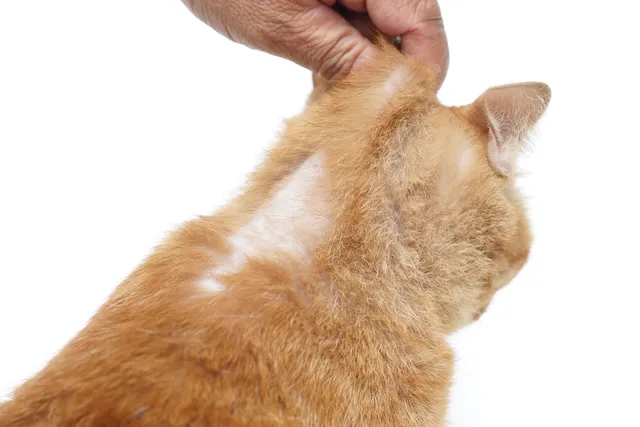
Do you see little clumps of fur around your home? Is your cat mysteriously developing bald spots along their spine and perhaps other places like their legs and tail? These are all signs that something is wrong, and you should pay attention. There are many causes for cats pulling hair out along their spine.

You’ll need to determine the cause of the behavior first. Depending on the evidence, you might be able to take steps to correct it at home, like ridding the house of fleas. Many causes, however, will require the help of a vet.

Keep reading to learn more about the many reasons for this distressing behavior and what you can do about it.

thin catster divider

The 8 Causes of Cats Pulling Hair Out Along Their Spine & What to Do

1. Fleas or Mites

Fleas are one of the most common reasons for overgrooming. Cats are typically allergic to flea saliva, causing skin irritation. Once they start overgrooming, the problem becomes much worse. The hair loss usually begins at the base of the spine near the tail and will spread as the flea infestation worsens, as fleas are most likely to reside there.

What Should You Do?
  • If your cat is losing hair and has fleas, start with a veterinary consult. A veterinarian will prescribe a flea treatment plan appropriate for your cat. You should also thoroughly clean and disinfect your home. Getting rid of fleas in your home can take some time, but starting as soon as you notice them is best1.
  • It is very important to note that the administration of flea drops without veterinary approval or a veterinarian’s prescription is illegal in most jurisdictions. In addition, fleas are very contagious. If you notice them on your cat, chances are your other pets have them, too. Therefore, you should have them all examined by a vet. Never use flea drops intended for dogs on cats, or vice versa.

If you need to speak with a vet but can't get to one, head over to PangoVet. It's an online service where you can talk to a vet online and get the advice you need for your pet — all at an affordable price!

PangoVet_Mention-in-Content for PangoVet2 save money

2. Environmental Allergies (Atopic Dermatitis)

Even though cats have fur covering their skin, they can still come in contact with things that irritate them and cause a rash or other itchy reaction. They might rub against a toxic plant or be allergic to seasonal pollen they encounter while outdoors.

Many cats scratch their back along items they find particularly helpful, which could cause irritation along their spine and overgrooming when they become itchy.

What Should You Do?
  • Gently part their fur to view the skin. Red, irritated skin indicates a rash or other reaction and should be evaluated by a veterinarian to determine the underlying cause. If it is atopic dermatitis (allergic reaction), it may be treated with oral medication or topical ointments. The vet may also run allergen tests on your cat to determine what causes their allergy. Avoiding known allergens is the best preventive measure for preventing an allergic reaction.
Cat with fleas
Image Credit: Maja Marjanovic, Shutterstock

3. Food Allergies

A skin rash may also be caused by something they eat. This is similar in humans who break out in a rash or hives if they eat something they are allergic to. Some food reactions have very distinct signs, so recognizing them is easy2. Others will require more investigation. Reactions can also cause joint discomfort, including the spine, leading to overgrooming.

What Should You Do?
  • Determining whether an environmental or food allergy causes skin irritation is challenging. If oral medication and topical ointments aren’t effective, it may be your cat’s food. Consult with a vet to determine if changing their food or trying an elimination diet could help identify which food they are allergic to.
owner feeding his cat
Image Credit: Jaromir Chalabala, Shutterstock

4. Skin Infection

Skin infections, including fungal infections like ringworm, are particularly unpleasant3. Cats with skin infections regularly overgroom for two reasons. The first is instinctual to help rid themselves of the infection, and the second is to comfort the irritation.

The frustration at being unable to reach some areas, like the spine, could lead to overgrooming or pulling the hair out in the areas closest to it.

What Should You Do?
  • Once you notice your cat overgrooming, check their skin for any signs of irritation or infection. Make an appointment with a vet for an evaluation so they can determine the type and the correct treatment. Every skin infection will require different medication, and some may require you to clean your home thoroughly to prevent it from spreading.
  • Some skin infections in cats, such as the aforementioned ringworm, are zoonotic. This means you can catch them from your cat. You should thoroughly wash your hands before and after you touch your cat if you suspect they have a contagious skin disease. If the vet informs of you a definitive diagnosis, follow their advice on keeping yourself safe while your cat recovers.

5. Thyroid Problem

Hyperthyroidism in cats causes many distinct signs, including increased hunger and thirst, weight loss, aggression, vomiting, and diarrhea4. Another sign is that they may have a greasy and unkempt coat even though you see them overgrooming.

This condition causes the body’s metabolic rate to increase, and your cat may become very stressed, leading to unnecessary overgrooming.

What Should You Do?
  • If your cat’s behavior changes or they start eating or drinking more than usual, you should get them to their vet as soon as possible. This is especially important if they are also losing weight. These could be signs of a thyroid problem. Fortunately, there are treatments that can help your cat feel better.
veterinarians examining a grey cat
Image Credit: Juice Flair, Shutterstock

6. A Wound

Your kitty may be wounded for many reasons. Perhaps it was accidental while your cats played and got too rowdy. Or, maybe they got into a little misunderstanding with a cat outdoors about territory. It could also be a wound healing after surgery or other medical procedures.

No matter the cause, they will most likely want to lick the area instinctively to heal and relieve itching if it is located along the spine.

What Should You Do?
  • Use a traditional cone or soft e-collar to prevent your cat from licking their wound. This will keep them from worsening it or causing a secondary infection.
  • Contact a veterinarian for advice and treatment for your cat’s wound.

7. Pain

Licking is soothing for cats, and they will groom themselves for cleanliness and comfort. Overgrooming can be a sign of pain, which could be acute, like a UTI, or chronic, like arthritis. Excessive grooming along the spine may indicate that they are experiencing painful arthritis or have received a spinal injury.

What Should You Do?
  • When you take your cat to the vet to determine the cause of your cat’s overgrooming, they will likely run diagnostic tests to rule out any acute or chronic conditions of the spine.
cat examined by Vets
Image Credit: Kzenon, Shutterstock

8. Stress or Anxiety (Psychogenic Alopecia)

Cats are creatures of habit, and it doesn’t take very much to cause anxiety. It may be as much as moving the food and water bowls or as big as bringing home a new pet. When a cat becomes stressed, it could cause them to overgroom.

While the most common areas are those that are easily reached, like the legs and flank, it can occur anywhere, including the spine.

What Should You Do?
  • Most vets will only diagnose psychogenic alopecia once all medical diagnoses that can be treated have been ruled out. Then, you’ll need to help reduce their stress by keeping changes in the home to a minimum or introducing changes slowly, like moving a piece of furniture a little bit each day until it’s in a new position. You can also use pheromone sprays or medications to ease anxiety.

divider cat paw scratch oct 2024

Conclusion

Many things can cause overgrooming and hair loss along the spine. The first step is to determine why it’s happening. Then, you will know how best to treat it so your kitty can get back to living comfortably, and you can relax knowing they are healthy.

If you ever have concerns about your cat’s physical or behavioral health, be sure to contact a vet.


Featured Image Credit: iwciagr, Shutterstock

Want content like this delivered to you?

Sign Up For Our Newsletter

News, insights, expert advice, and everything cat

* By submitting, you agree to our Terms & Conditions and Privacy & Cookies Policy.


How useful was this post?

Click on a star to rate (you can leave written feedback after clicking submit)

Help us improve Catster for pet parents!

Your feedback really matters.

What did you like about this post? Also how can we improve it?

Join the conversation

Leave a Reply

You’re very welcome to leave a comment or question. Please know that all comments must meet our community guidelines, and your email address will NOT be published. Let’s have a positive and constructive conversation.


Talk With A Vet Online

Peace of mind,
anywhere, anytime

Affordable vet advice

The Cat Biting Mistakes Most Owners Make (And What Works Instead)

Cat bites sent more than 400,000 people to emergency rooms in the US each year.1 Not scratches. Bites. And the reason they’re so...

Do Cats Cause Schizophrenia? Scientists Find a Link – Here’s What It Means

Being a fierce advocate (and occasional recipient of) mental health support and awareness, the term ‘crazy’ is not one I like to fling...

One in 100 Cats Gets Diabetes – Here’s How to Catch It Early

One in every 100 cats develops diabetes.1 That’s not a rare, unlucky condition reserved for cats with obvious health problems. It’s common enough...

Dramatic Rescue Turns Into Dramatic Reunion

What started as a routine call for the RSPCA became a heroic, five-hour rescue featuring one trapped and traumatized cat, an emotional family...

More related

Why Is Your Cat Dry Heaving? 7 Vet-Approved Reasons

If you own a cat, you are likely to be familiar with that unmistakable gagging noise, which seems to happen out of nowhere...

10 Best Hypoallergenic Cat Shampoos of 2026 – Reviews & Top Picks

Just like us, our cats can have sensitive skin. If your cats can’t handle all the chemicals and fragrances that lots of companies...

Can Cats Drink Vinegar? Vet-Verified Health & Safety Facts

Vinegar is one of those pantry staples that most people have in their kitchens. It can be used in salads, marinades, and homemade...

How to Dry a Cat After a Bath: Vet-Approved Step-by-Step Guide

You rarely find a cat that will gladly accept having a bath without putting up a fight. If your cat is as apprehensive...

Keep reading

Will a Cat Overeat If They Get Excess Food? Vet-Approved Facts & Feeding Tips

Cat owners who spend time away from their pets often worry about their pets going hungry. To ensure that their pet is never too far from a meal, they often leave food out for them to freely snack on during...

brown white cat eating from feeding table

Tonkinese Cat Health Problems: 7 Vet-Reviewed Concerns

Tonkinese cats are known for their beautiful coats and pleasant personalities, but that’s no guarantee of health. Although Tonkinese cats are healthy, they are slightly more likely to inherit some genetic conditions that will need extra care. Every breed of...

Catster_Health Problems Tonkinese Cats

9 Best Cat Foods for Smelly Poop in 2026: Reviews & Top Picks

If you’re being chased out of the room every time your cat uses the litter box, it may not be their cat litter to blame but their food. What your cat eats directly affects what their stool smells like. Some...

top view of a cream maine coon cat eating dry and wet pet food from feeding dish

10 Best Clay Cat Litters in 2026 – Reviews & Top Picks

Cats are generally happiest when they have pleasant environments that meet their needs and wishes. They can be picky about what they eat and where they nap, and most have preferences about their restroom facilities, particularly regarding the type of...

Person hand removing and cleaning cat toilet tray or litter box at home

Can Cats Eat Carrots? Vet-Reviewed Nutritional Facts & FAQ

Carrots are a common ingredient in most kitchens and can be enjoyed cooked or raw. They are also a common ingredient in dog food and some cat food formulas. But what about your cat? Yes, cats can enjoy carrots as...

Can Cats Eat Carrots

Is Vanilla Essential Oil Safe for Cats? Vet-Approved Facts & FAQ

Essential oils come from extracting oils from certain plants and flowers, and vanilla essential oils come from fermented vanilla beans. You can use vanilla essential oils for many things, such as flavoring agents in foods and beverages, in oil diffusers...

Catster_Is Vanilla Essential Oil Safe for Cats

Blood in Cat’s Stool: 13 Vet-Verified Possible Causes

It’s natural to worry if you find blood in your cat’s poop. After all, we’re primed to assume that blood is a sign that something is wrong! The good news is that there are many relatively unserious reasons your cat...

cat leaving litter box

Why Do Cats Suck Their Tails? 7 Vet-Reviewed Reasons

Tail-sucking is a confusing yet somewhat common feline behavior regardless of their age. Still, suckling is usually associated with nursing kittens, so it can be strange to observe this behavior in adult cats. Some cats might suck their tails habitually,...

Orange cat sucking on their tail

Love Cats? So Do We! Join the Catster Community

Stay informed with expert pet care insights delivered straight to your inbox! Discover professional guidance on animal behavior, feeding tips, trusted product picks, and much more.


Sign up for the Catster Email Newsletter

Stay informed with expert pet care insights delivered straight to your inbox! Discover professional guidance on animal behavior, feeding tips, trusted product picks, and much more.