Do All Cats Knead? Vet-Approved Behavior Explanation


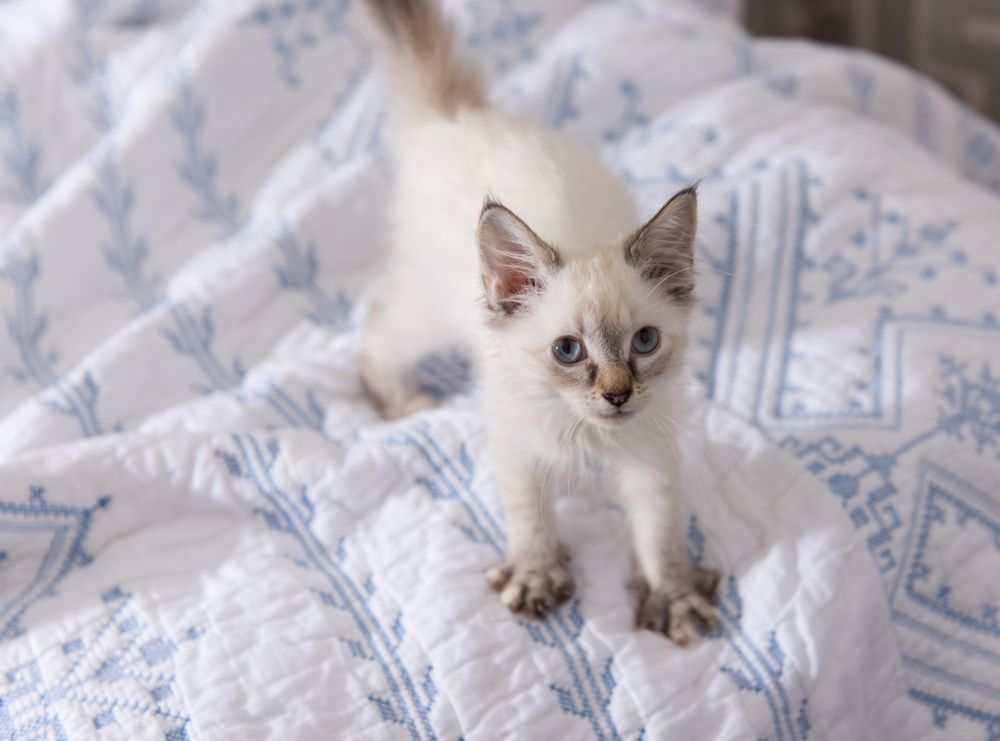
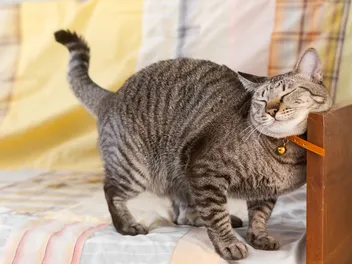
Whether you think it’s adorable or find it utterly annoying, you’ve likely caught your cat kneading at some point. This behavior usually takes place on a soft blanket or your lap, and cat fanatics often refer to it as “making biscuits.”
What is cat kneading, and why do our feline friends do it? While not all cats knead, it is a very common behavior for young and adult felines. Some cats knead while being petted, and others do it for no clear reason. Each cat has their own techniques and reasons. Here are a few reasons why your cat might be “making biscuits.”

What Is Cat Kneading?
It is more common for cats to knead than for them to not. Either way, it isn’t something that all cats do. Those who participate in the behavior usually move their paws in a pushing motion—first moving one forepaw and then the other. This pattern then keeps repeating itself.
Some felines prefer to purr loudly during the process, and others are quieter. You might notice that some cats suckle on a blanket or piece of fabric while doing this. Don’t be worried if your cat appears to be in a trance-like state. This is just their way of showing that they’re completely relaxed.
Why Do Cats Knead?
Kneading is a normal behavior for all breeds regardless of their age. Some stop when they mature, but others continue well into their golden years. Kneading is an instinctive trait for cats. It appears to be soothing for them, but there are other theories that attempt to explain the unique behavior.
1. Kneading During Nursing
Some experts believe that kneading is a leftover behavior that comes from kittenhood. Kittens usually knead during nursing to stimulate milk flow. Some suggest that this motion gives cats a feeling of comfort.

2. Kneading for Comfort
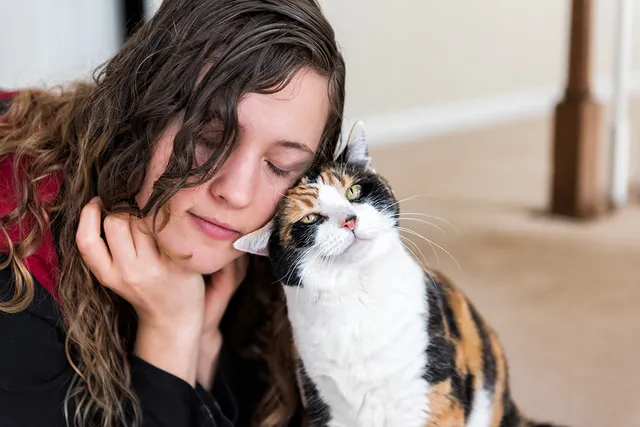
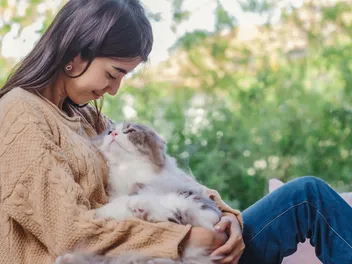
Cat lovers and experts assume happy cats will knead to show their pleasure. If your cat starts kneading whenever you pet or snuggle them, it’s just their way of telling you that they are content and comfortable with you. Your cat might knead on your lap, belly, neck, or any other place that they can be in contact with you.
3. Kneading to Mark Territory
One of the most significant ways that felines communicate is through scent. Cats have scent glands located on their paws. When cats scratch or knead on a surface, they are leaving their scent behind and letting other animals know they were there. It could just be your cat’s way of claiming you as their own.

4. Kneading for Rest
Have you ever seen a dog turn in circles repeatedly until they finally settle down in one spot? One prediction is that cat kneading works in a similar way. Kneading might help create a soft, comfy sleeping place for cats. Their wild ancestors would knead tall grasses into plush piles before laying on them to rest, so it could be an instinctual behavior for domesticated cats as well.
5. Kneading to Stretch
Likewise, when a cat rouses from their slumber, they often stretch, and this can be accompanied by some kneading as well.

6. Kneading to Mate (Females Only)
There are many signs that an intact female cat might be in heat. One such sign is her becoming overly affectionate during her heat cycle. Another sign is her posture, as she may frequently be seen with her forequarters low and her hindquarters high, with her tail tucked to the side to expose her genitals. In this hormonal state of increased affection, some females may also resort to kneading.

Should You Stop Your Cat’s Kneading?
Kneading can be cute, but some people worry that it might be problematic for their pet. Fortunately, this isn’t the case, and kneading isn’t associated with anything negative (health- or behavior-wise) for your cat. There is no reason to stop your cat from kneading, and thankfully, most owners don’t mind this action at all.
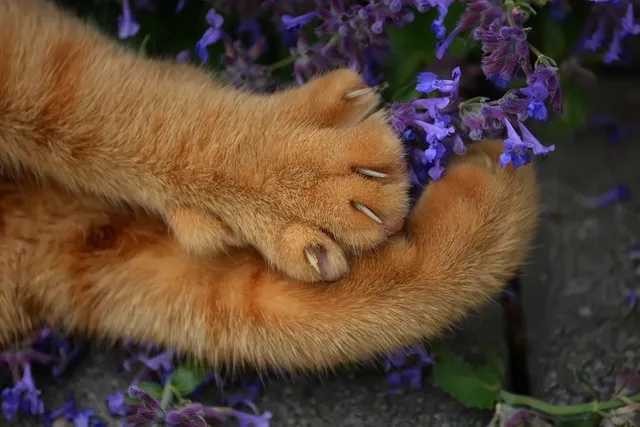
Still, at times, you might find yourself on the receiving end of some tough - or rather sharp - love, as some cats may bring their claws out as they knead. This can be uncomfortable if your cat chooses to do so while kneading on you. Fortunately, this is relatively easy to fix.
- Keep your cat’s claws trimmed to prevent them from scratching you too hard.
- Place a blanket on your lap for your cat to knead on. This protects you while offering your cat a safe outlet to knead.
- Redirect their attention with treats and toys. Cats can be trained, and teaching them a different behavior in place of the old one is certainly possible.
- Consider buying them a kneading-only blanket. Thick blankets will work best for this, and the soft texture will encourage them to use it. Whenever they start the behavior, move them onto the blanket and pet them to teach them that kneading should only happen on that specific blanket.
- Do NOT punish your cat for kneading. Even if you find it annoying, kneading is a natural behavior, and the punishment will more than likely lead to a negative response where they lash out. Instead, stick to redirection and distraction techniques so that you don’t diminish your pet’s trust.
- Do NOT declaw your cat to dissuade kneading. This practice is considered counterproductive to animal welfare in almost all scenarios, and kneading doesn’t warrant having your cat declawed.
Final Thoughts
Whether you love it or hate it, kneading is a common behavior that most cats enjoy doing. It isn’t anything bad, so they shouldn’t be punished for it. Still, it’s understandable why you don’t like the behavior. Instead of declawing your cat or punishing them, take some time to understand why the behavior is so common and try out one of our tips to avoid getting scratched by your pet.
Related Reads:
Featured Image Credit: Anna Hoychuk, Shutterstock
Expert cat care, straight to your inbox
News, insights, and useful advice, delivered to you.

No spam — unsubscribe anytime.
By signing up, you agree to our Terms & Conditions and Privacy & Cookies Policy.
How useful was this post?
Click a star to rate. You can leave written feedback afterwards. (We read all feedback.)
Hallie has been a proud nature and animal enthusiast for as long as she can remember. She attributes her passion for the environment and all its creatures to her childhood when she was showing horses on weekends and spending her weeknights devoting her attention to her pets. She enjoys spending most of her time in Michigan playing with her two rescue cats, Chewbacca and Lena, and her dog, Clayton. When Hallie isn’t using her degree in English with a writing specialization to spread informative knowledge on pet care, you can find her snuggled up on the couch reading books or watching nature documentaries.