Alternatives to Declawing Your Cat: 8 Humane Options


In this article
On paper, declawing your cat might seem like a simple way to stop your furniture from being ripped to shreds, but the reality is that it’s a cruel and painful operation that can lead to long-term pain, discomfort, and behavioral problems. The procedure is considered inhumane by many cat lovers and has now been outlawed in a lot of US cities, as well as many countries around the world.
Fortunately, there are plenty of humane alternatives. Try one or a few of these methods to protect your furniture from unwanted scratching while keeping your cat healthy and happy.

What Is Declawing?
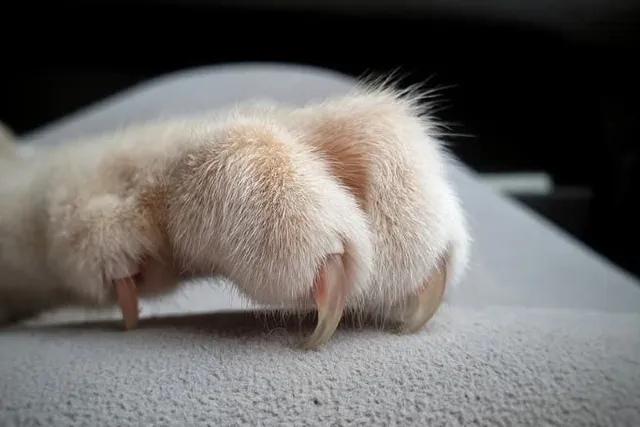
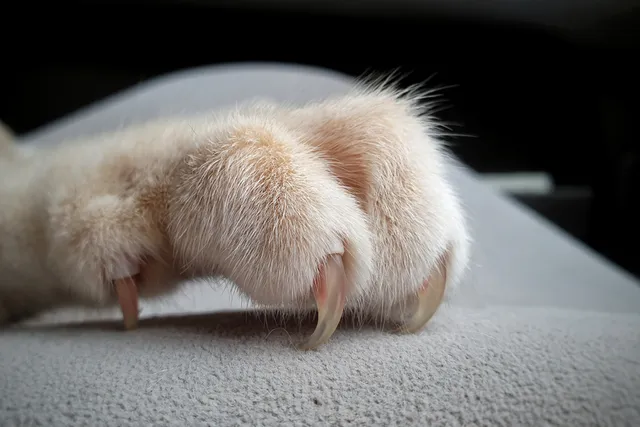
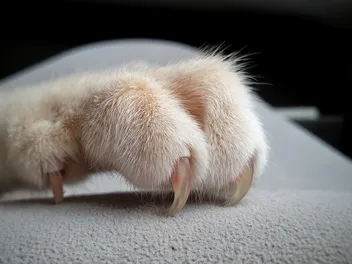
Also known as onychectomy, declawing is a surgical procedure that involves the removal of a cat’s claws. The surgery isn’t quite as simple as it sounds, however. Since cats can retract their claws, removing them means removing the end of the toe and the claw itself. Many people believe that the procedure only involves taking the claw at the base, but to stop it from growing back, the last bone of each toe must be removed; the equivalent of cutting off a person’s fingers at the first knuckle.
It’s a controversial process due to the lasting ramifications of the surgery. It can lead to behavioral problems, ongoing pain, and lameness.


Why Is Declawing Not a Good Choice for Your Cat?
Although it has been an accepted practice for many, there are many reasons why declawing is considered to be cruel and unnecessary.
Surgical Amputation with No Health Benefits
Declawing is essentially the amputation of the tips of your cat's toes. While some amputations can be necessary—such as the loss of a leg after a car accident—declawing has no purpose beyond the desire to prevent scratched-up furniture and curtains. While declawing might save your furniture, the same result can be achieved by providing scratching posts and teaching your cat where they’re allowed to scratch.
Chronic Pain
Many people believe declawing to be pain-free, but this is rarely the case. Declawing removes instrumental parts of your cat’s body: the ends of their toes. It can lead to pain and nerve trauma and discomfort as your cat walks or uses the litter tray, and there is also no way of alleviating this discomfort.
No Defenses
Cats are hunters and always will be, regardless of how domesticated they are. No matter how much they like to cuddle, they are predators, and their claws are part of their offensive and defensive capabilities. Alongside their ears, whiskers, and teeth, a cat’s claws are part of who they are.
While it’s never fun to get a nasty scratch on your hand during a play session, by removing your cat’s claws, you are removing one of their primary forms of protection. This may actually result in an increase in aggression, as they will feel defenseless. They might still have their teeth, but their claws give them the ability to maintain distance between them and a threat.


The 8 Humane Alternatives to Declawing Your Cat
1. Scratching Posts
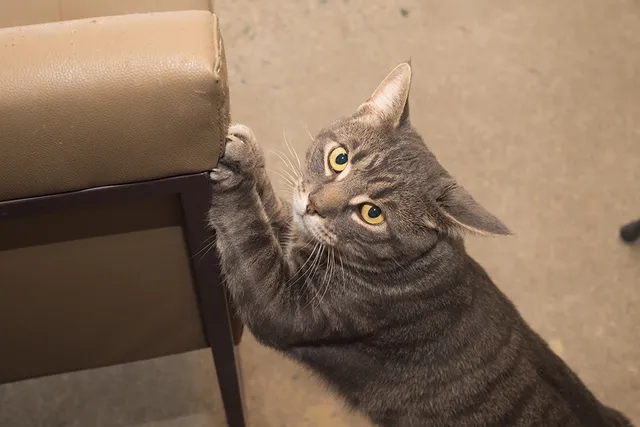
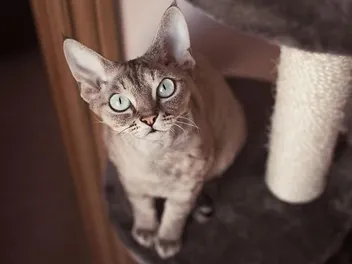
Cats will always find something to scratch, but that doesn’t mean your furniture should be put at risk. The more opportunities you give them to scratch non-destructively, the safer your furniture will be. Scratching posts and pads are ideal for giving your cat places to scratch without them resorting to the carpet or couch. Make sure you have some tall posts that allow your cat to fully stretch out as they scratch - short ones are often ignored.
Having multiple scratching areas scattered around the house will work best. Scratching posts or pads can be vertical or horizontal and made with various materials. You can even make your own with cardboard or by wrapping a block of wood with sisal rope. Keep one where your cat loves to sleep so they can scratch when they wake up. Don’t forget to place one in every area where your cat loves to scratch.
We're quite fond of cardboard as a material in cat scratchers, which is why we love the Hepper Hi-Lo Cat Scratcher. Encased within a well-constructed, modern birch plywood frame, this scratcher is designed with both cats and their owners in mind. It offers three versatile configurations to keep your feline friend active and entertained while enticing them to fulfill their natural scratching instincts (and away from scratching things they shouldn't). For more details, click here!
At Catster, we’ve admired Hepper for many years, and decided to take a controlling ownership interest, so that we could benefit from the outstanding designs of this cool cat company!
2. Routine Nail Trims
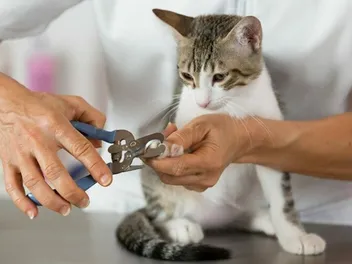
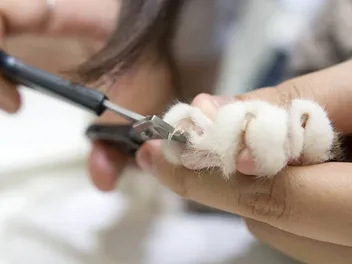
Scratching is a way for your cat to tend to their claws, and you can help them by trimming their nails regularly. This might be difficult if you have an adult cat that isn’t used to having their paws messed with, but if you introduce the routine to a young kitten—and give them plenty of rewards—they’ll be more willing to accept the procedure.
Indoor cats, seniors, and kittens often have the most trouble keeping their claws in shape. Outdoor cats are more likely to have access to materials best suited for scratching—and fewer people to tell them off.
If you do teach your cat to accept regular nail trims, use clippers that are designed for cats, and give them plenty of rewards and breaks if they get restless. You will also need to watch out for the quick, the vein in the center of each claw. If you’re not sure, ask your vet or vet nurse to show you how.
You can also consult a vet online if you need quick and easy access to an expert's opinion.
3. Positive Reinforcement
Yelling at your cat when they do something wrong is a surefire way of stressing them, and rarely works as a deterrent. Instead, teaching your cat which places they’re allowed to scratch is a more relaxed and enjoyable way to train them to leave your furniture alone. You can do this by redirecting your cat to their scratching post and rewarding them with their favorite treat when they scratch it.
It’ll take time and patience, but your cat will learn that using the scratching post earns them a tasty treat. Your cat will then associate their scratching spot with positive attention from you. Compared to yelling and screaming, a scrumptious reward is a more motivating way of preventing destructive behavior.
4. Nail Caps
One way that you can prevent damage from your cat’s claws is by covering them with plastic or vinyl covers. Nail caps are designed to be glued onto your cat’s claws. While they won’t stop your cat from climbing or scratching, they can protect you and your furniture, and skin, from damage. Investing in nail covers can also be handy if you leave your cat with a friend when you go on vacation, especially if they’re not used to handling cats.
There are a few downsides with nail caps, however. They can interfere with your cat’s scratching and climbing, giving them less purchase when they do get up to misadventures around the house. It will also interfere with their natural defenses, especially if they go outside wearing the caps. You will also need a cooperative cat in order to get them on! Nail caps also need to be replaced every 4–6 weeks, and some cats will refuse to wear them at all.

5. Pheromone Sprays
Cats might not be as renowned as dogs for their sense of smell, but they still rely on their noses to pick up important scents. They’ll mark their possessions—including you—with their scent to warn off other animals and even leave pheromones when they scratch. This is where synthetic pheromone sprays and diffusers can come in handy.
You can purchase pheromone sprays to relax your cat, reduce aggressive behavior, stop them from urinating where they shouldn’t, and deter scratching. Some pheromones are designed to encourage cats to pay attention to specific spots, though, so make sure you get the right one for your purpose.
If you don’t want to use pheromone sprays, you can try sprinkling catnip on the scratching mat or post. For cats that are partial to catnip, it’ll encourage them to pay attention to the scratching pad rather than the furniture.
- We reviewed the best pheromone diffusers - see our top picks here!
6. Enrichment Activities
Besides scratching to maintain their claws, cats will also scratch because they are feeling stressed, anxious, or bored about something. Having a steady routine for them to rely on can help, but you also need to provide them with plenty of opportunities to entertain themselves or even hide away when they need to.
Beyond the essentials like food bowls and clean water, your cat needs an easily accessible litter tray, scratching posts, and safe spots to sleep. They also require various toys to play with, either with you or so they can entertain themselves when you’re away. The more activities that you can provide them with to encourage activity, the less they’ll feel the need to climb or scratch your furniture to relieve their stress.

7. Furniture Protection
Stopping your cat from scratching your furniture is easier said than done, but there are ways to make certain areas less desirable than others. Providing scratching posts and using positive reinforcement can help, but you can also deter your cat from your furniture by using various tools.
Double-sided sticky tape and aluminum foil are favorites when it comes to discouraging a cat from jumping onto a counter, and they work to protect other furniture items too. You can also use citrus-scented sprays or even make one yourself by diluting lemon juice with water. The smell won’t last long, though, and you’ll need to keep spraying the area until your cat gets the message.
8. Consider Getting a Goldfish Instead
If you don’t think you can live with a cat and their claws, perhaps they are not the pet for you. Removing the normal anatomy of an animal just to suit our needs and lifestyle, with no benefit for them, should never be the answer. This may sound harsh, but as declawing is a cruel and unnecessary procedure, it should be discouraged.

Why Do Cats Need to Scratch?
Just like we have to regularly cut our nails to maintain them, cats have to manage their claws too. Unlike dogs, though, cats will often tend to their claws themselves, and they do this by scratching.
They know instinctively which materials are best suited for claw maintenance and regularly dig into their favorite spots to remove the dead layers from their claws. Cats will also scratch to mark their territory with their scent, to stretch after a nap, and to relieve stress.
Not having enough places or the right materials to scratch can cause your cat to develop a habit of scratching the wrong things. Furniture and carpets are often targets and can be destroyed by destructive behavior. While scratching is normal for cats, it’s the biggest reason that many cat owners want to resort to declawing.
Conclusion
Declawing is a painful and unnecessary procedure. Due to the controversy surrounding the surgery, there’s been a rise in humane solutions to stopping cats from scratching. These can range from nail caps to multiple scratching posts and even pheromone sprays to attract or deter your cat from certain areas. We hope that this guide has introduced you to alternatives to declawing so you can avoid the procedure entirely.
See also:
Featured Image Credit: Maliflower73, Shutterstock
Expert cat care, straight to your inbox
News, insights, and useful advice, delivered to you.

No spam — unsubscribe anytime.
By signing up, you agree to our Terms & Conditions and Privacy & Cookies Policy.
How useful was this post?
Click a star to rate. You can leave written feedback afterwards. (We read all feedback.)
Kathryn was a librarian in a previous lifetime and is currently a pet writer. When she was a child, she hoped to work in ZOOs or with wildlife in some way, thanks to her all-consuming love for animals. Sadly, she's not strong in the sciences, so she fills her days with researching and writing about all kinds of animals and spends time playing with her adorable but very naughty tabby cat, Bella. Kathryn is hoping to add to her family in the near future – maybe another cat and a dog.