Can Cats Eat Flaxseeds? Vet-Approved Nutritional Facts & FAQ


Cats are carnivores, and in the wild, they would not give plant-based foods a second thought. Instead, they would focus on hunting down small animals to get protein and other nutrients. As domesticated animals, cats rely on us to make sure they get the animal protein that they need to maintain happy and healthy lives.
However, there are a few plant-based foods that can be beneficial to cats in one way or another. For example, flaxseeds are touted as a superfood that can benefit people and animals. So, can cats eat flaxseeds? The short answer is yes! Flaxseeds can be a part of a healthy cat diet. Here is everything that you need to know.

Why Flaxseeds Are Good for Cats
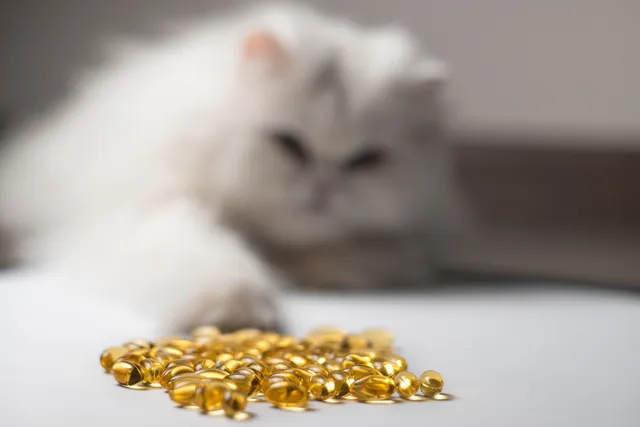
Flaxseeds are small, crunchy, nutty flavored, and full of nutrition. They are sometimes included in commercial cat food recipes to increase the nutritional value of the food. The oil inside flaxseeds contains omega-3 fatty acids, which are known to promote healthy skin and a glossy coat. Omega fatty acids can also work to strengthen brain cell health as time goes on. However, cats have a very limited ability to turn alpha-linoleic acid into useful DHA and EPA fatty acids. Fish oil consists of DHA and EPA fatty acids and is therefore a better choice for fatty acids in cats.
Still, the benefits of flaxseeds don’t stop there. Flaxseeds are full of fiber, which can help keep your cat regular and prevent problems like constipation. They also contain antioxidant lignans, which some researchers have shown to have beneficial effects on tumors. While they are also a source of protein, they do not contain all the amino acid protein building blocks that cats need, so they cannot be used as a sole protein source.

What to Know Before Feeding Flaxseeds to Your Cat
While flaxseeds can be a healthy part of your cat’s diet, too many can cause mild problems, like stomach upset and diarrhea. How much is too much, though? It is hard to say because a healthy dose of this plant-based food depends on things like the age, size, and health of your cat. A veterinarian should be able to provide you with dosage recommendations based on your kitty’s specific nutritional requirements.
Flaxseeds should be ground up into a powder before serving, but the grinding should take place right before feeding because the oil in the ground seeds tends to go rancid quickly. A coffee grinder or small blender can make the job of grinding flaxseeds easy. Alternatively, you can purchase ground flaxseeds in special resealable containers that are designed to keep the flax oil from going bad.
Ways to Feed Flaxseeds to Your Cat
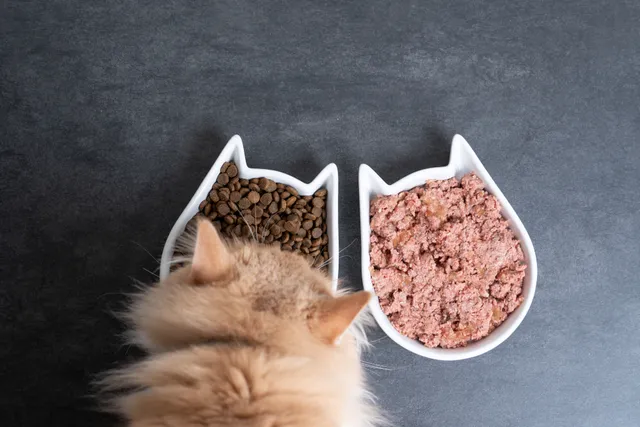
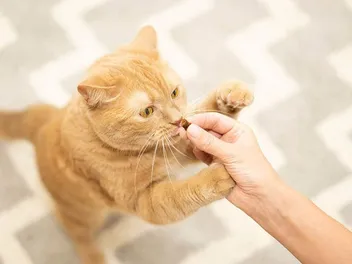
The best way to feed flaxseeds to your cat is to find a commercial food that includes them in the ingredients list. However, if you make your own cat food or the food that you prefer to feed your kitty doesn't include flaxseed, you can add ground seeds to your cat's food and mix them in. Add a little water to the dry food so the flaxseed meal will stick. Here are a few other ideas to consider:
- Make Treats: Mix equal parts peanut butter and ground flaxseed, then roll small pieces of the mixture into little balls. Offer your cat a ball whenever it is snack time.
- Cover Bananas: If your cat likes to eat bananas, you can make an occasional treat for them by rolling a couple of slices of banana in ground flaxseed. The flaxseed will create a crust that adds more texture to the banana treat.
- Use Canned Food: Mix ground flaxseed with canned cat food, put the mixture into an ice cube tray, and freeze. Take one cube out every now and then to give to your cat as an interesting treat.
There is no need to go through any trouble making special treats for your cat, but the process can be a bonding one that you end up enjoying. Experiment in the kitchen with items that your cat likes, such as freshly cooked chicken or fish, to figure out how your cat prefers to consume flaxseeds.
In Conclusion
Flaxseeds are considered a superfood for humans, and they can be beneficial to dogs and to a lesser degree, to cats. However, flaxseeds are not essential for good health when it comes to caring for felines. They can get all the nutrition that they need from quality food that includes real animal protein as the main ingredient. Flaxseeds should always be considered a supplement rather than a staple when creating a meal and snack plan for your kitty.
Expert cat care, straight to your inbox
News, insights, and useful advice, delivered to you.

No spam — unsubscribe anytime.
By signing up, you agree to our Terms & Conditions and Privacy & Cookies Policy.
How useful was this post?
Click a star to rate. You can leave written feedback afterwards. (We read all feedback.)
Rachael has been a freelance writer since 2000, in which time she has had an opportunity to research and write about many different topics while working to master the art of fusing high-quality content with effective content marketing strategies. She is an artist at heart and loves to read, paint, and make jewelry in her spare time. As a vegan, Rachael is obsessed with helping animals in need both in her community and anywhere in the world where she feels she can make a difference. Animals also happen to be her favorite topic to write about! She lives off the grid in Hawaii with her husband, her garden, and her rescue animals including 5 dogs, a cat, a goat, and dozens of chickens.