Can a Cat Laugh? Vet-Reviewed Scientific Facts & Information


In this article
Cat videos took the internet by storm for good reason; these extraordinary little creatures have a way of making us laugh like no other. Every cat lover knows that when you share your life with a feline companion, you are in for a life full of humor, fun, love, and companionship.
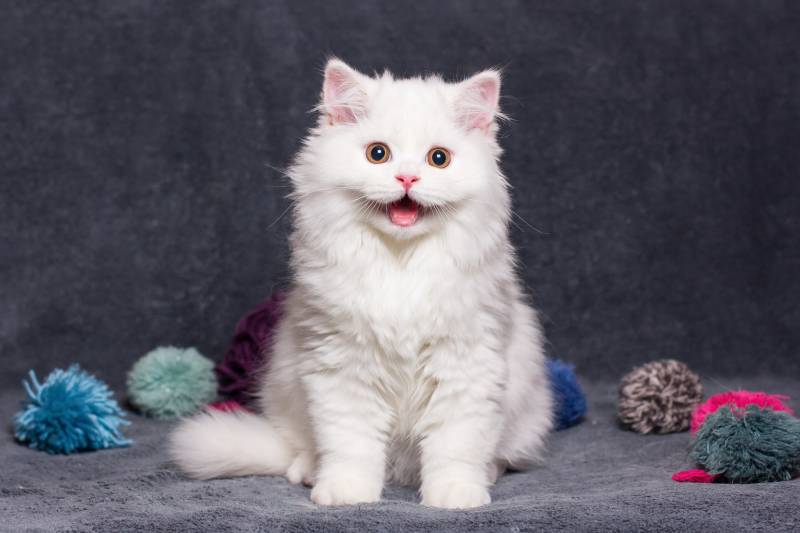
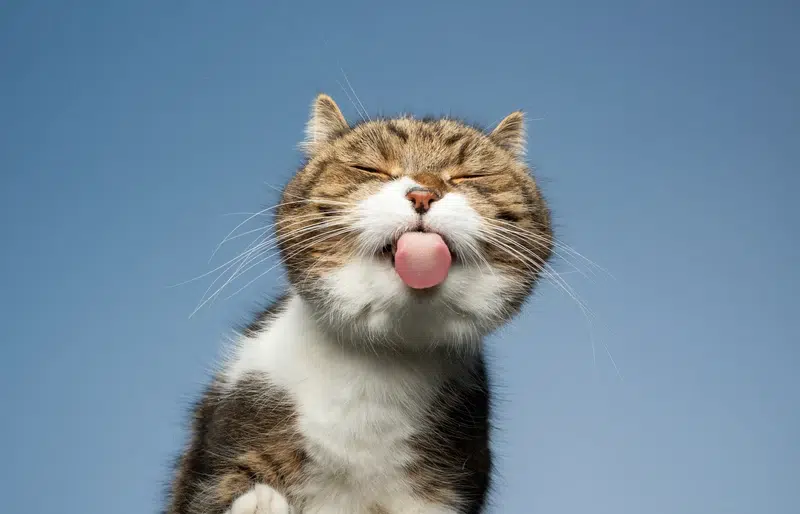
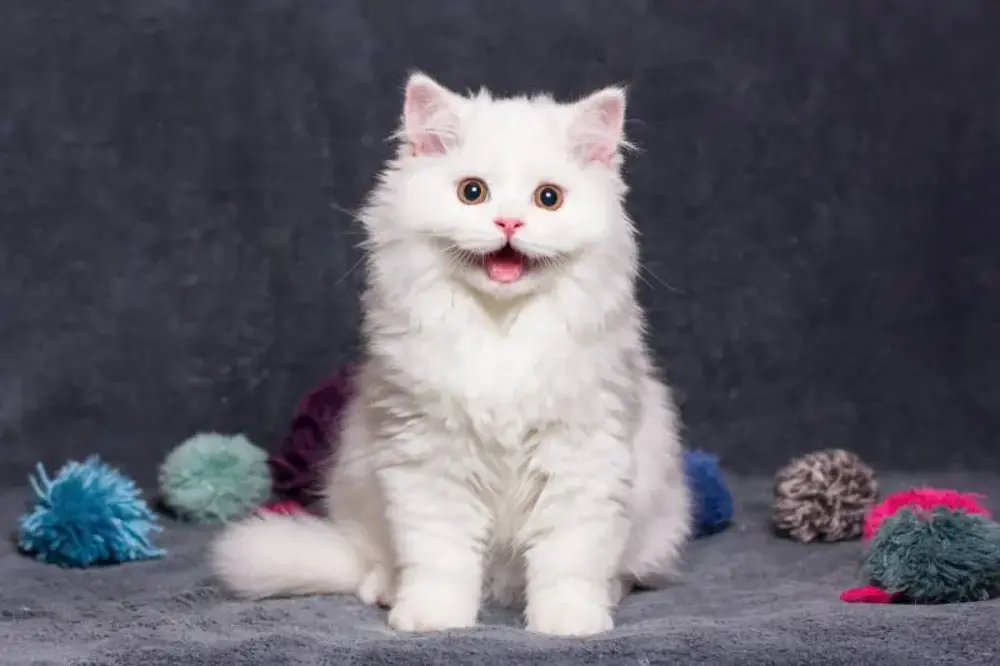
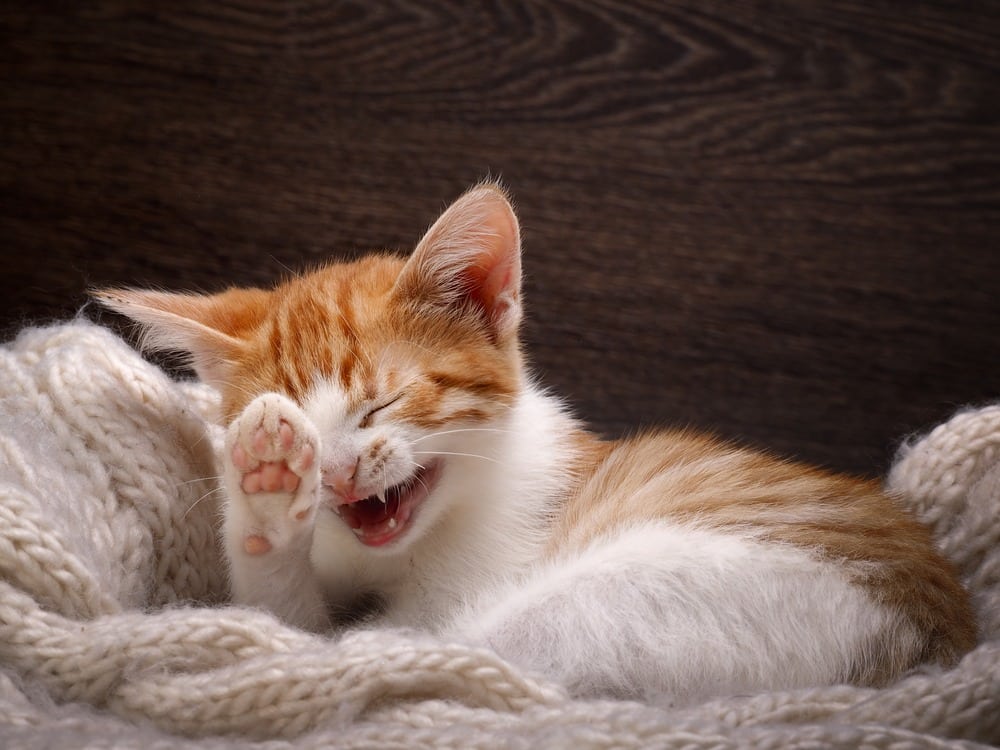
Certain animals are known for making laughing sounds and others are even known for expressing a sense of humor. While cats may provide built-in comedic value, can they laugh themselves? The short answer is no, cats cannot laugh, but they can express happiness in other ways that are just as special.

The 4 Ways Your Cat Can Express Happiness
Though cats have the facial muscles to hypothetically laugh, they don’t laugh because they express their emotions in other ways. So, as far as modern science can tell our cats can’t laugh at us. This may come as a relief to some, as we all know how some cats make it very clear that they see themselves as our master and that we are but mere peasants that fetch them anything they need. If you are left wondering whether or not your cat is feeling happy, there are a few ways you can tell.
1. Purring
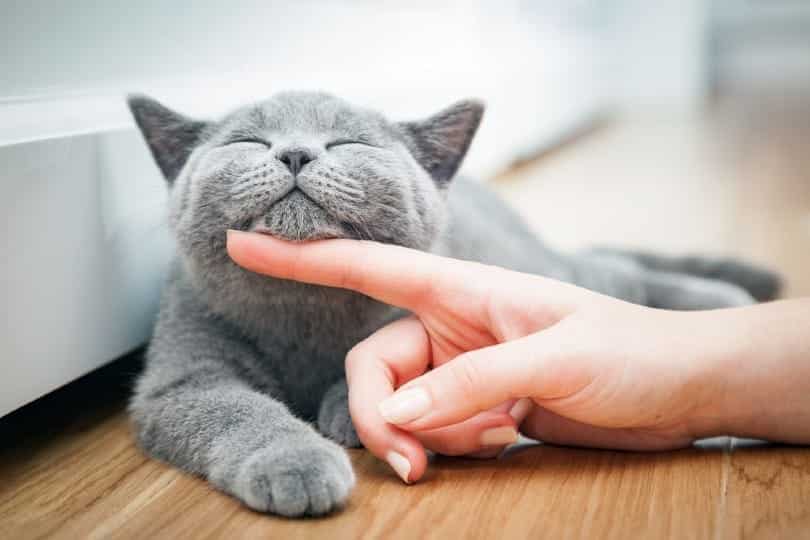
Meowing may be the most common sound cats are known for, but purring comes in at a close second. Purring is a way that your cat communicates certain emotions, and while this endearing sound may have a few meanings behind it, it is most often a way for cats to express that they are feeling happy, affectionate, and calm.
2. Kneading
Kneading, which is also referred to as “making biscuits” is a very common behavior in domesticated cats that is an indicator that they are happy and comfortable. Now, you may have to suffer through the pain of those precious little kitty claws digging into you as they show their love, but it's well worth it.

3. Slow Blinking
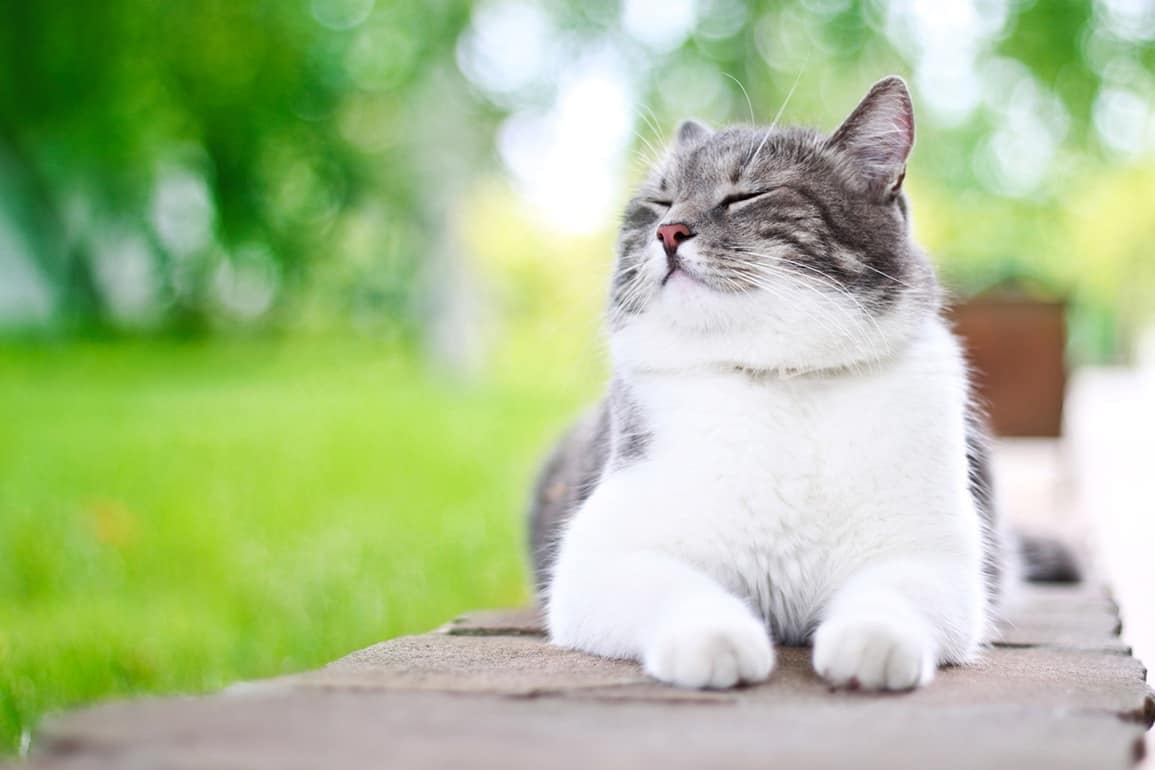
Blinking can often convey certain messages between humans, but did you know that it is also something cats use as a communication tool? Cat owners are sure to have noticed their cat slowly blinking at them at some point, and while it may seem condescending or judgmental, it means quite the opposite1.
When a cat slowly blinks, it is a sign that they are feeling positive, relaxed, and completely unthreatened. This means they have no reason to be hypervigilant about your presence but feel safe, secure, and trusting.
4. Friendliness/Playfulness
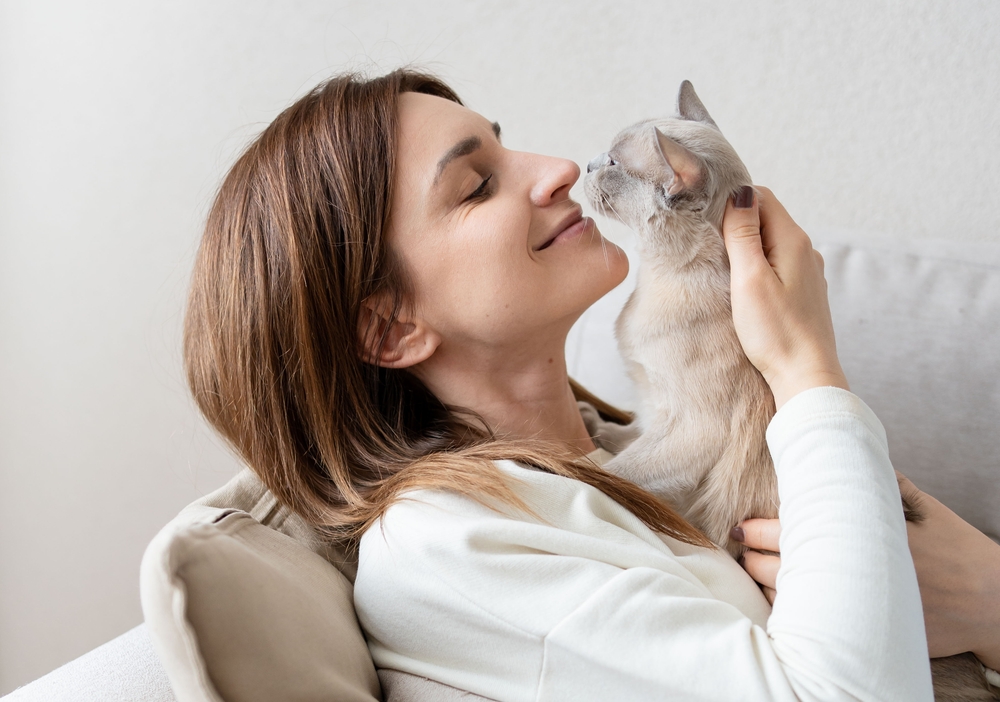
A happy cat is often friendly, playful, and curious. Each individual will have their unique personality and behaviors but it’s typically very easy to pick up on how happy your cat is when they are very friendly, loving, and ready to play.
Engaging in social interaction, sticking to their normal routine, and displaying other natural behaviors are telltale signs that your cat is not just happy, but also healthy.

Do Animals Have a Sense of Humor?
Now that we know cats can’t laugh, does that also mean they don’t have a sense of humor? There has been much debate over whether any animal other than human beings is capable of having a sense of humor.
By definition, humor is “the quality of being amusing or comic, especially as expressed in literature or speech.” Most animals do not have the type of cognitive abilities that would allow them to understand or express humor.
As of now, there is no solid scientific evidence that cats have a sense of humor, but our closest relatives, the great apes, not only produce laughing sounds but also seem to find certain things funny. Certain birds, marine mammals, and elephants have also shown interesting behaviors in their social interactions.
Even dogs have what sounds like a panting laugh and certain facial expressions that suggest potential humor. Science has yet to fully determine this, but some theories may help us understand it better.
The Scientific Theories Behind Humor
Psychologists and philosophers have spent a lot of time and effort working to define what constitutes humor. The popular theory is the incongruity theory, which states that humor occurs when there is an inconsistency between what one expects to happen and what actually happens.
A more recent theory is that of benign violation, which was developed by psychologists and proposes that humor arises from the so-called benign violation, or "something that threatens a person’s well-being, identity or normative belief structure but that simultaneously seems okay"2. With this theory, you can argue that certain animals are capable of having a sense of humor.
Research from 2009 shows that great apes like chimpanzees, bonobos, gorillas, and orangutans can all produce laughter-like sounds when tickled, playing, chasing, and wrestling3. This strongly suggests that humor and the ability to laugh came from the last common ancestor between mankind and the great apes.

The 5 Types of Relationships Between Humans and Cats
There has been a lot of research conducted regarding the relationship between humans and their cats. It has led to the conclusion that there are five different types of relationships that humans and cats can share.
1. Open Relationship
When a cat is very independent and mostly solitary but also bonds with people, it is considered an open relationship. These cats do not require constant companionship and have no trouble being absent from their owner. An open relationship is much more hands-off, lacking a deep bond, and typically involves a more aloof kitty.
2. Codependent Relationship
In codependent relationships, either the cat or the human becomes heavily dependent on one another. This could also go both ways. In a codependent relationship, the cat owner forms a close bond with the cat and spends a lot of time with the pet. The cat will also view their human as part of their tight knit social group and will feel very secure in their company.
This is often a very affectionate bond, but the cat is likely to be aloof or shy with strangers. After learning about all the good things that happen because of the bond, the cat may even become very clingy, which can cause some issues. This type of relationship is most common when the cat is living with one person and is kept indoors at all times.

3. Casual Relationship
In a casual human-cat relationship the cat is often very friendly toward its owner but does not feel the need to keep close by. This typically occurs when cats are allowed access to roam outdoors or the owner leads a busier lifestyle and is out of the house often.
Casual relationships may develop in more chaotic households with small children or other pets that take up a lot of attention, too. In a casual relationship where the cat roams free outdoors, it’s not uncommon for the cat to visit other homes and develop friendly, causal bonds with others.
4. Friendship
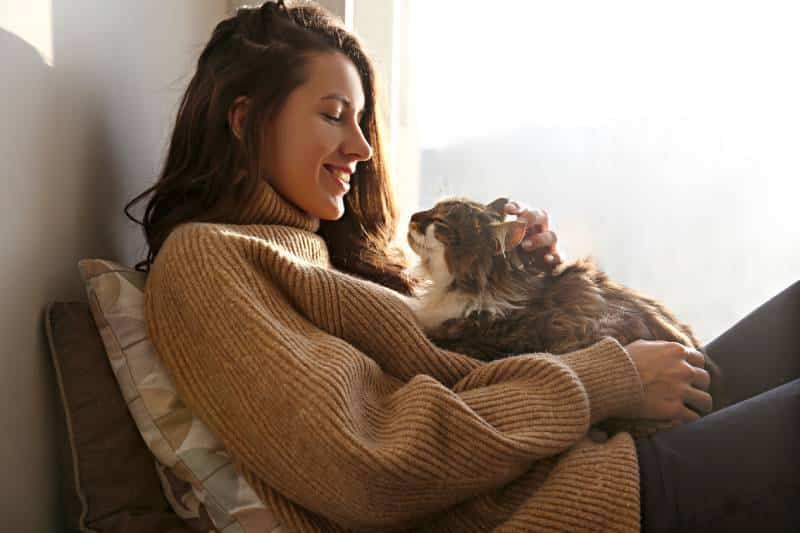
Cats and humans that form a friendship have a very special type of bond. Friendship is an emotional bond that is shared between the human and the cat. The humans in this case will treat the cat like a family member and will do what it takes to maintain a close bond with their cat by spending quality time, playing, and showing lots of affection.
The cats will reciprocate the emotional bond and will show their adoration through various behaviors. They may even be friendly and greet strangers because they feel more confident and secure in their homes. This is the most healthy bond between a human and their cat because each can function independently but will also very much enjoy the other’s company.

5. Remote Relationship
A remote relationship involves the cat getting the care they need but remaining aloof and lacking a bond with its caregivers. These cats will often keep their distance from both the owners and others because they do not fully trust or feel secure with humans. There are often no attempts to seek out attention or affection though they may still be very friendly when they interact with their primary caregivers.
Conclusion
Your cat may be hilarious, but they can’t laugh at themselves or anyone else. The science is still out as to whether they have a sense of humor, but research suggests that certain animals may very well be able to show humor to a certain degree. One thing is for sure, cats sure manage to strike our funny bones in the best of ways.
See Also:
7 Feline Facial Expressions that Kill Me Every Time (With Pictures)
Does My Cat Have a Sense of Humor? The Surprising Vet-Approved Answer
Featured Image Credit: Irina Kozorog, Shutterstock

Expert cat care, straight to your inbox
Vet-reviewed advice, behavior tips, and the best of Catster. Free, and you can unsubscribe anytime.
By signing up, you agree to our Terms & Conditions and Privacy & Cookies Policy.
Lindsey and her husband enjoy traveling the US with their kids and photographing wildlife. Her passion is to educate others on the importance of proper animal care, with an emphasis on reptiles and exotics since their care requirements can be much more complex. She is also a huge advocate for bully breeds. She feels most at home in the forest either on horseback or in hiking boots.
Join the conversation
Ask a question, share your story, or send private feedback.