Get

In Your Inbox

Catster is reader-supported. When you buy via links on our site, we may earn an affiliate commission at no cost to you. Learn more.

Can Cats Eat Raw Beef? Vet-Verified Nutritional Facts & FAQ

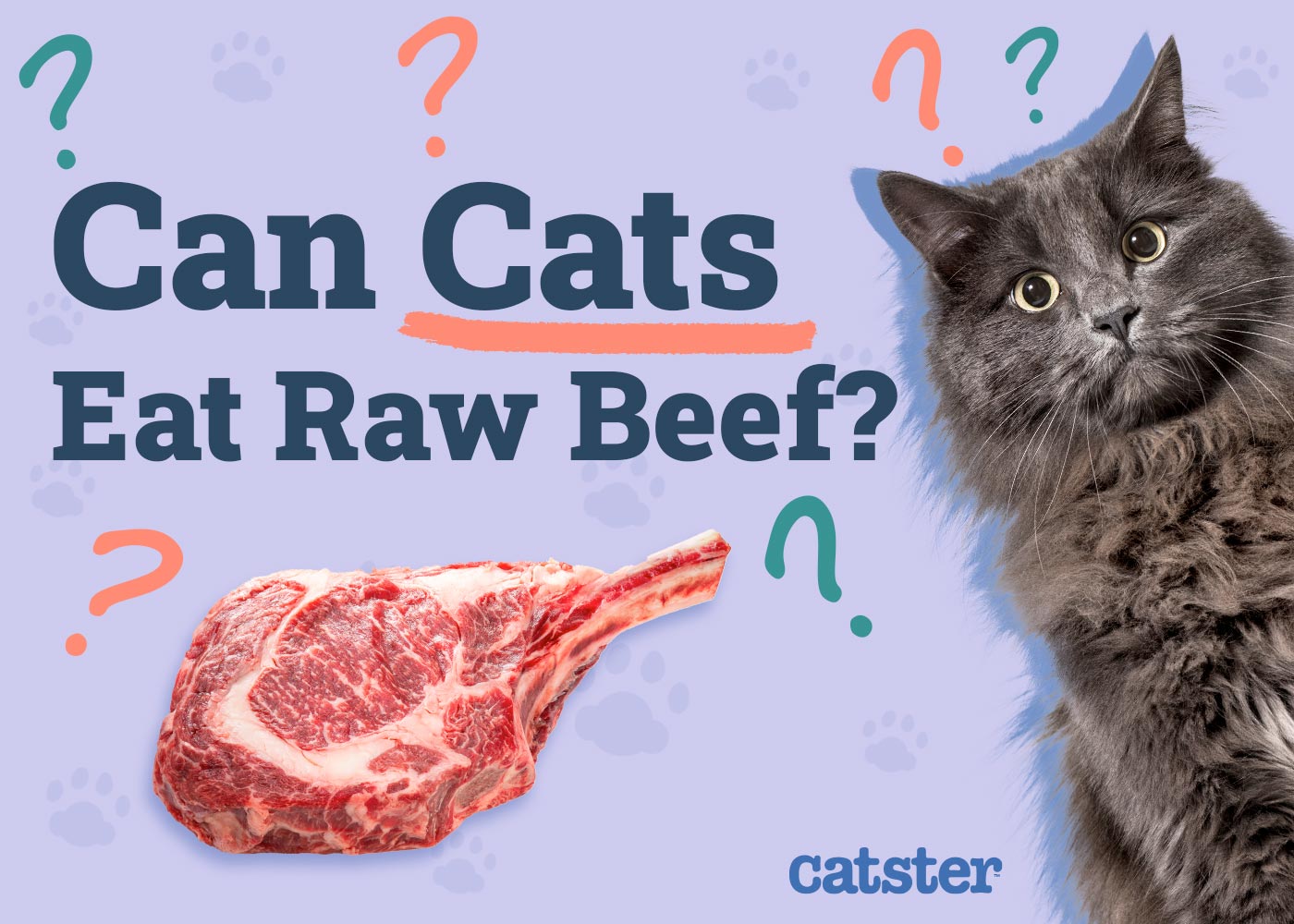
Can Cats Eat Raw Beef

For pet owners, feeding their fur babies an appropriate and healthy diet is not only a responsibility but also a great way to enhance the pet-owner bond. A cat’s diet plays a vital role when it comes to their general health and well-being. With the rise in fresh and raw diets, owners worldwide are curious about the safety risks associated with certain types of foods offered in such a diet, as well as the potential benefits.

Cats, being obligate carnivores, require a diet high in animal protein. This makes beef a popular choice for them. But can cats eat raw beef safely? When sourced properly, raw beef is safe for cats to consume in most circumstances. In this article, we’ll look at raw beef as a food source for cats in more detail.

divider 1 paws

Felines – The Ultimate Meat Processors

Cats are the epitome of a perfect predator. They have all the physical attributes and characteristics of a predator and are instinctively proficient in stalking and hunting animals. With this comes a digestive system that’s highly specialized to process animal meats. Most cat diets are very high in protein, and their status as an obligate carnivore necessitates the inclusion of animal-based meat in their diet.

Good quality adult cat foods have anywhere from 40%–50% protein, and cats have no problem handling higher amounts of protein. Cats also require good quality animal fats in their diet and other micronutrient requirements that are unique to them as a species. Not surprisingly, all their nutritional requirements are found in various animal meats.

Many regulatory bodies have emphasized the need for animal meat in a cat’s diet by setting a high protein requirement for their diets. Examples of such regulatory requirements are those set by The Association of Feed Control Officials (AAFCO), which mandate higher protein for cats when compared to dogs.1

With that in mind, it’s fair to say that animal meats are a safe bet for cats. Beef is no exception to this rule.

young blue tabby maine coon with white cramic bowl filled with raw beef meat
Image Credit: Nils Jacobi, Shutterstock

divider 2 cats

The Pros of Raw Beef for Cats

So, if cats can eat raw beef, what are the pros? At a glance, beef has the same inherent qualities as many other animal types of meat when it comes to justifying its place in a cat’s diet: it’s animal-based meat that contains the nutrients cats need. Depending on the cut of beef, a 100-gram portion can contain anywhere from 19 to about 30 grams of protein, with the majority of the remaining contents usually being water and fats and a small portion of other micronutrients.

However, the question that often arises when discussing raw diets is the potential benefits (if any) of including raw meats in a cat’s diet. Though research on the full potential of raw diets is still inconclusive, there are some benefits that have been noted.

Potential Benefits of Raw Meats:
  • Enhancing Pet-Owner Bond: This remains the biggest reason why most people are drawn to raw diets, as they often seem simpler and provide owners with peace of mind that they’re “doing what’s natural” for their pet by enhancing their diet, which is a big part of a cat’s life.
  • Feels Natural: Some owners think a raw diet is more appropriate in the context of what wild cats eat. Some research has suggested that processing, rendering, and the inclusion of additives and preservatives in non-raw diets are unhealthy and may cause disease. The natural approach of raw diets may lessen these risks.
  • May Feel Safer: In recent years, the trend of raw-meat diets has risen because of recalls of commercial, non-raw diets. For a long time, commercial diets were considered very low risk, making the case for a raw diet difficult. However, no diet is without risks. In 2007, a recall on commercial pet food due to contamination rang alarm bells among pet owners.2 For many owners, seeing how commercial non-raw food has safety risks made a case for switching to raw as an alternative to protect their pet cats from potential health risks.
  • Better Digestibility: Studies on raw meat-based diets have found that they are more digestible than some non-raw diets. In one study, investigators found higher amounts of dry matter, energy, and proteins in raw meat-based diets.3 Another study in cats found significantly higher energy and nutrient digestibility of a raw meat-based diet compared to a dry kibble diet.4 Research has also found that improved digestibility results in less food in the large intestine and less fecal output. This may be perceived as a benefit by some pet owners.
  • Potentially Improved Immunity:  A study on cats that were fed a raw meat-based diet for 10 weeks found that there was a significant increase in white blood cells versus cats that were fed a commercial moist diet.5 However, the potential benefits of these changes and the effects of long-term feeding of a raw diet haven’t been critically evaluated yet.

Raw beef may also provide the same anecdotal benefits that other raw foods offer cats. Though these anecdotal reports haven’t been definitively proven by research, they remain a popular reason for the appeal of raw food. These include:

  • An improvement in coat and skin
  • Elimination of bad breath
  • Improved energy levels
  • Improved behavior
  • Reduction in certain ailments, such as parasites and obesity
Calico Main Coon kitten eating from a plate
Image Credit: Nils Jacobi, Shutterstock

The Risks of Raw Beef for Cats

However, several pet owners are opposed to raw meats for cats due to various reasons as well.

These include the following:
  • Safety Risks – The main risk with raw meats is that they may be contaminated with pathogens, which pose a danger to both cats and their owners. Cats fed raw diets are also known to shed bacteria potentially detrimental to humans and other cats. Salmonella remains a significant concern with raw diets in research. However, some commercial raw meat-based companies use high-pressure pasteurization to reduce these risks.
  • Other Health Risks – Other risks exist for raw meats as well. For example, a cat may chew on a bone added to a raw diet and potentially break a tooth or choke if they eat too quickly. Raw meats can also carry other pathogens that are detrimental to your cat’s health, such as parasites. The risks for humans have been extensively documented; cats that are intended as emotional support animals cannot legally be put on a raw meat-based diet because of these risks.
  • Nutritional Risks – Though not a risk with raw beef specifically, many advocates against raw beef (and raw meat-based diets in general) argue that it might be very difficult to ensure a cat is getting a nutritionally complete diet when they’re fed raw meat since many recipes are homemade and difficult to assess for their nutritional value.
  • Allergies – Cats with a dietary allergy to beef cannot be fed beef of any kind, including raw variations.

divider 3 paws

How to Safely Give Your Cat Raw Beef

The decision to place your cat on a raw diet, which may incorporate raw beef, is ultimately one that each owner has to make after careful consideration and a consultation with their veterinarian.

Need veterinary advice but can't get to the clinic? Catster recommends PangoVet, our online veterinary service. Talk to a vet online and get the answers and advice you need for your cat without having to leave your living room — all at an affordable price!

PangoVet_Mention-in-Content for PangoVet2 save money

However, that’s not to say that cats can’t be fed raw beef. Even cats on a commercial non-raw diet can occasionally be offered raw beef as a treat. To minimize the risk to your cat, it’s advised to take note of the following precautions:

  • Source your ingredients from facilities, shops, and suppliers with the appropriate health and safety certifications and clearances to operate where you live.
  • Keep an eye on the news for the recall of any raw ingredients. If ingredients you have purchased have been recalled, do not feed them to your cat and discard them as advised by the authorities making the announcement.
  • Closely monitor your cat for any adverse reactions when you feed them raw beef. Often, these include signs of gastrointestinal distress, such as diarrhea, vomiting, or inappetence. It’s best to start small, with just a tiny beef cut as a one-time treat to see how your cat handles it. If your cat seems fine, their next beef treat can be a slightly larger portion.

Hepper NomNom - Spill Proof Elevated Cat Bowl
  • NO MESS - The 360° tray on this cat food and water bowl set has a raised design to catch and...
  • WHISKER FRIENDLY - Shallow and wide metal containers with flat bottoms ensure your kitty can enjoy...
  • CHEW-SAFE MATERIALS - Kittens and cats love chewing on silicone and soft rubber - but it's a choking...

Learning about what your cat can and cannot eat is a crucial part of keeping them happy and healthy! Choosing a bowl to serve cat-friendly foods in is another important decision pet owners face. Satisfy the specific needs of your cat with the innovative design of the Hepper NomNom Cat Bowl. Learn why it’s our (and our cats!) favorite food and water dish here.

At Catster, we’ve admired Hepper for many years and decided to take a controlling ownership interest so that we could benefit from the outstanding designs of this cool cat company!

divider 1 paws

Other Beef Parts & Their Safety

In addition to raw beef, you might be curious about the safety of other parts of raw beef as well.

Other Beef parts and their safety:
  • Organs (liver, heart, etc.) – They are generally safe when the precautions with raw meats are applied to these cuts as well. Beef liver is safe and high in Vitamin A, but it should only be offered sparingly (once a week at 5% of the day’s total food intake at most), as cats who consume a high amount of liver might develop Hypervitaminosis A.
  • Beef bones – They should not be offered to cats, as they may lead to a broken tooth and are considered choking hazards. Contrary to popular belief, chewing on a raw bone isn’t a source of much calcium or other bone nutrition for cats (or dogs, either). Animals on a raw diet are offered these benefits by having bones finely ground up and mixed into their meals.
  • Beef bone broth – Though not considered raw in a strict sense, beef bone broth is safe for cats to consume. However, cooked bones should not be offered to cats and must be removed before serving them the broth.

divider 2 cats

Final Thoughts

Raw foods are surging in popularity among pet cat owners, and raw beef is an interesting ingredient that is usually safe for most cats to consume when sourced and prepared properly. However, as research about the potential benefits of raw diets is still inconclusive and the research about the risks is fairly well documented, adding raw meats into a cat’s diet (either as occasional treats or as part of a transition to such a dietary style) is a decision that requires serious consideration and veterinary approval before its implementation.

See Also: 

Want content like this delivered to you?

Sign Up For Our Newsletter

News, insights, expert advice, and everything cat

* By submitting, you agree to our Terms & Conditions and Privacy & Cookies Policy.


How useful was this post?

Click on a star to rate (you can leave written feedback after clicking submit)

Help us improve Catster for pet parents!

Your feedback really matters.

What did you like about this post? Also how can we improve it?

Join the conversation

Leave a Reply

You’re very welcome to leave a comment or question. Please know that all comments must meet our community guidelines, and your email address will NOT be published. Let’s have a positive and constructive conversation.


Talk With A Vet Online

Peace of mind,
anywhere, anytime

Affordable vet advice

Why Do Cats Rub Against Your Legs? 3 Vet-Verified Reasons for This Behavior

Trying to understand any aspect of your cat’s behavior can be frustrating, and as all cat owners know, cats have a wide array...

Ask Dr. Paola – Zoomies, Weight Loss & Breathing Issues (June 30, 2025)

Welcome to our “Ask Dr. Paola” series, where every Monday we bring expert advice straight from Dr. Paola Cuevas (MVZ) to help our...

Unblocking the Mystery of Urethral Obstruction in Overweight Cats – A New Perspective

One feline health issue that many, if not all, cat guardians have had to deal with at one time or another is the...

15 Free DIY Cat Christmas Ornaments You Can Create at Home (With Pictures)

Cats and Christmas have a lot in common. They are both loved by millions of people around the world, they are both associated...

More related

Can a Cat Detect Bed Bugs? Facts & FAQ

Cats have extraordinary eyesight and sense of smell and are well-known to excel at hunting. Many cat owners have also witnessed their cat...

Constipation in Cats: Our Vet Explains the Signs, Causes & Treatment

Everyone poops. There is even a book about it. If you have cats and litter boxes, you’ll be very familiar with how much...

10 Cat Breeds That Like Water (Vet-Reviewed Info & Pictures)

Felines are notorious for disliking water. But are there some cats that like water? Believe it or not, there are kitties that absolutely...

How to Bandage a Cat Paw: 4 Vet-Approved Tips

Cats are curious and playful creatures, which can lead to them getting injured. When a cat injures their paw or a limb, it...

Keep reading

Can Cats Eat Fish Bones? Vet-Reviewed Feeding Facts

Cats are obligate carnivores. In the wild, they eat a good variety of small prey, depending on availability, and they make the most of their catch by eating all of their quarry. Prey are usually small mammals and birds, and...

Can Cats Eat Fish Bones

Can Cats Eat Mustard? Vet-Verified Risks & Precautions

A cat sneaking a taste of the turkey sandwich you accidentally left on the counter can seem harmless until you consider everything that might be in it. While many toppings like lettuce or mayo may be safe for cats to...

Catster_Can Cats Eat Mustard_v1_Dec 4 2024

Are Burmese Cats Hypoallergenic? What You Need To Know!

Since they’re affectionate, playful, and fiercely loyal, the Burmese cat is very easy to love. If you’re an allergy sufferer but would love to share your life with one of these wonderful cats, you’ll be pleased to learn that the...

Closeup Burmese Cat Stands on Gray background

Why Do Cats Like Rubber Bands? 4 Vet-Approved Reasons

Cats are peculiar beings, and any cat owner knows that cats will entertain themselves with something simple, such as a milk ring, bottle cap, empty box, piece of paper, or even rubber bands. Even if you buy your cat plenty...

rubber bands_evondue_Pixabay

13-18-Month-Old Kitten: What to Expect (Vet-Approved Guide)

When your kitten has turned from a cute ball of fluff to a full-sized killing machine, you may wonder just how much is going to change. After all, the first year of life brings about so many changes. After your...

cute kitten

How to Get a Feral Cat to Use a Shelter: 8 Vet-Reviewed Tips & Considerations

Feral cats scare some people, but when you’re a cat lover, you want to do everything you can to ensure the cats are warm and safe, especially during the frigid winter months. If you’ve taken the time to build a...

cute grey cat in the straw

Is Sandalwood Incense Safe for Cats? Vet-Verified Facts and Safety Guide

Sandalwood incense is a common way for people to freshen up their homes and keep their living areas smelling nice. However, it isn’t safe to use around cats. Sandalwood essential oil is known to be toxic to cats, and the...

Catster_Is Sandalwood Incense Safe for Cats

Do Neutered Cats Still Mate? Vet-Approved Facts

Neutering a cat involves surgically removing a cat’s reproductive organs to prevent them from reproducing. It is done by a veterinarian by the time most cats are around 4 months of age or sexually mature. Owners may choose to get...

Close-Up Photography of Tabby Cats Laying

Love Cats? So Do We! Join the Catster Community

Stay informed with expert pet care insights delivered straight to your inbox! Discover professional guidance on animal behavior, feeding tips, trusted product picks, and much more.


Sign up for the Catster Email Newsletter

Stay informed with expert pet care insights delivered straight to your inbox! Discover professional guidance on animal behavior, feeding tips, trusted product picks, and much more.