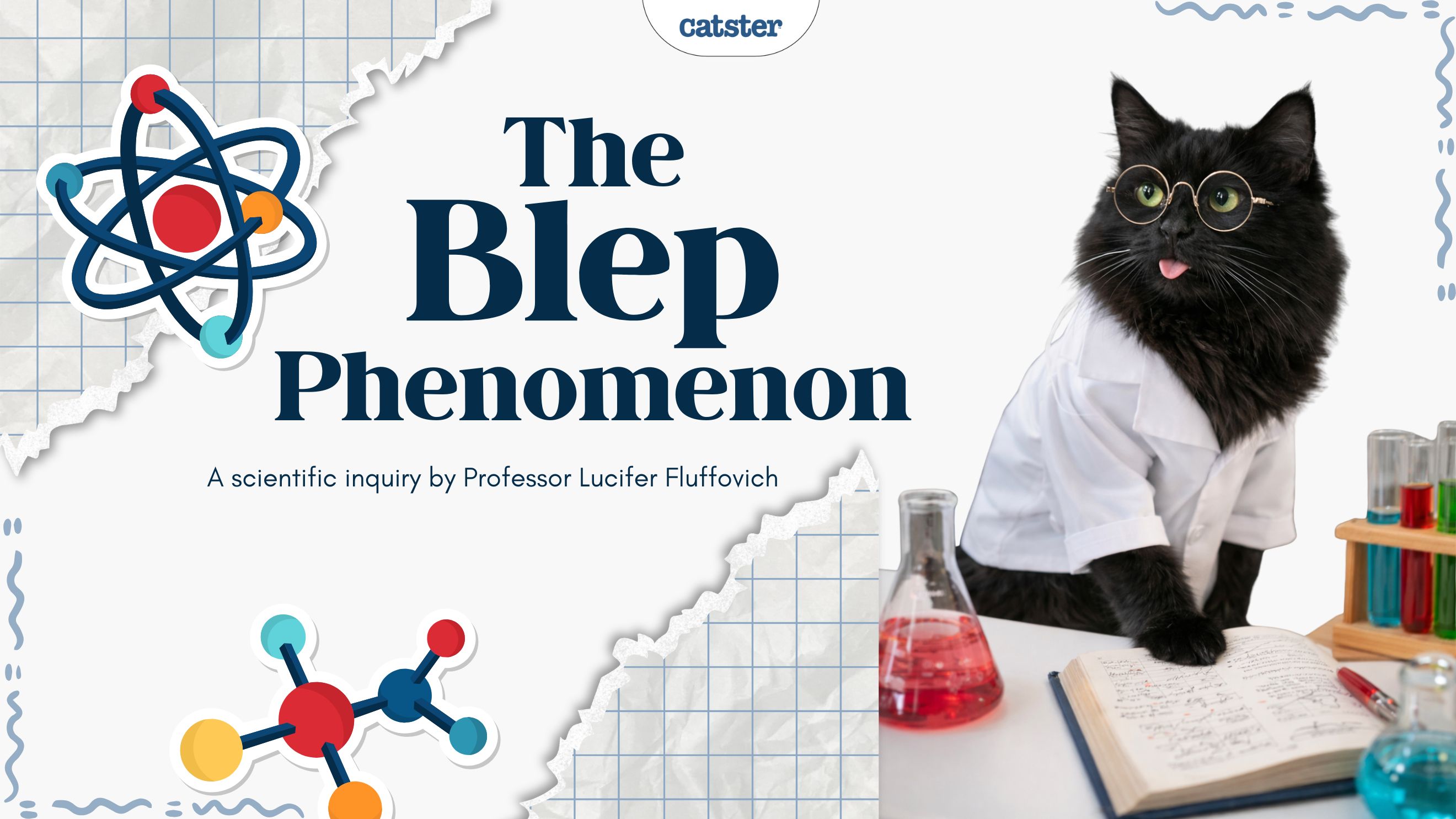
A Scientific Inquiry into the Phenomenon of the “Blep”
In this article
By Professor Fluffovich, Feline Behavioural Scientist (Self-Appointed), Specialist in Snack Acquisition & Advanced Lounging
Esteemed readers, colleagues, and providers of licky treats…
It has come to my attention, during a rigorous observational study conducted from a sun-warmed table, that a most peculiar and delightful phenomenon continues to perplex both the scientific community and the general human population.
I refer, of course, to the blep.
In formal scientific terminology, this behaviour would be described as transient lingual protrusion during relaxed or interrupted motor states.
A phrase which, while accurate, lacks the elegant simplicity of blep.
Defining the Blep (Preliminary Classification)
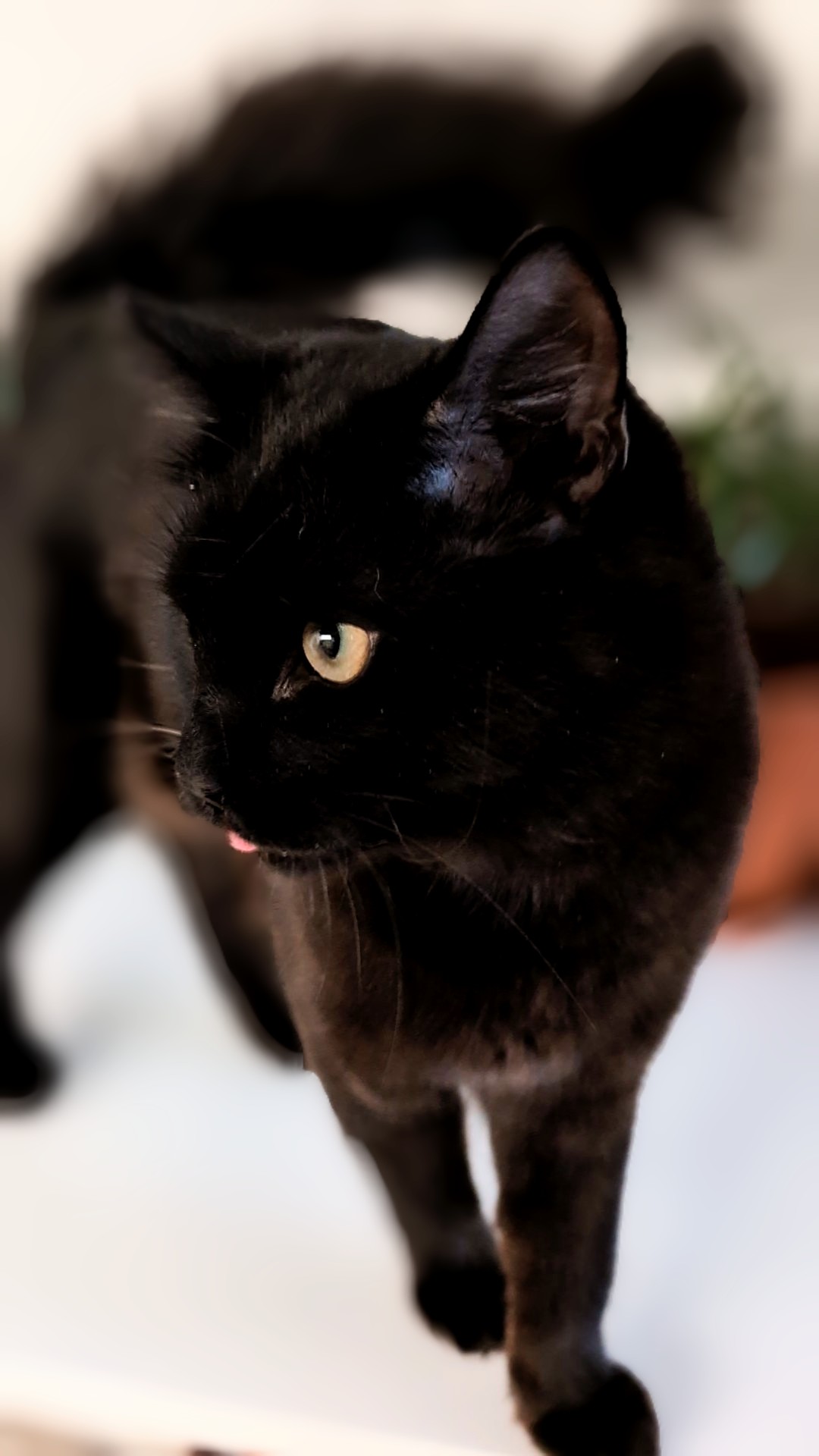
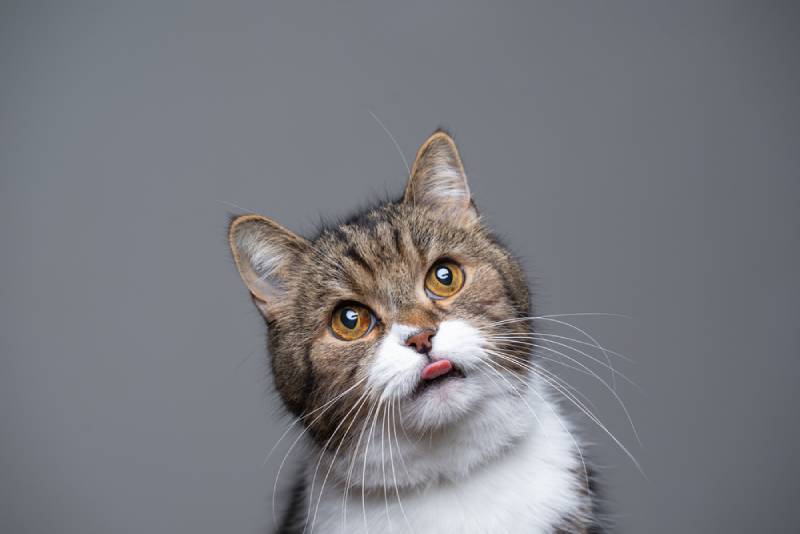
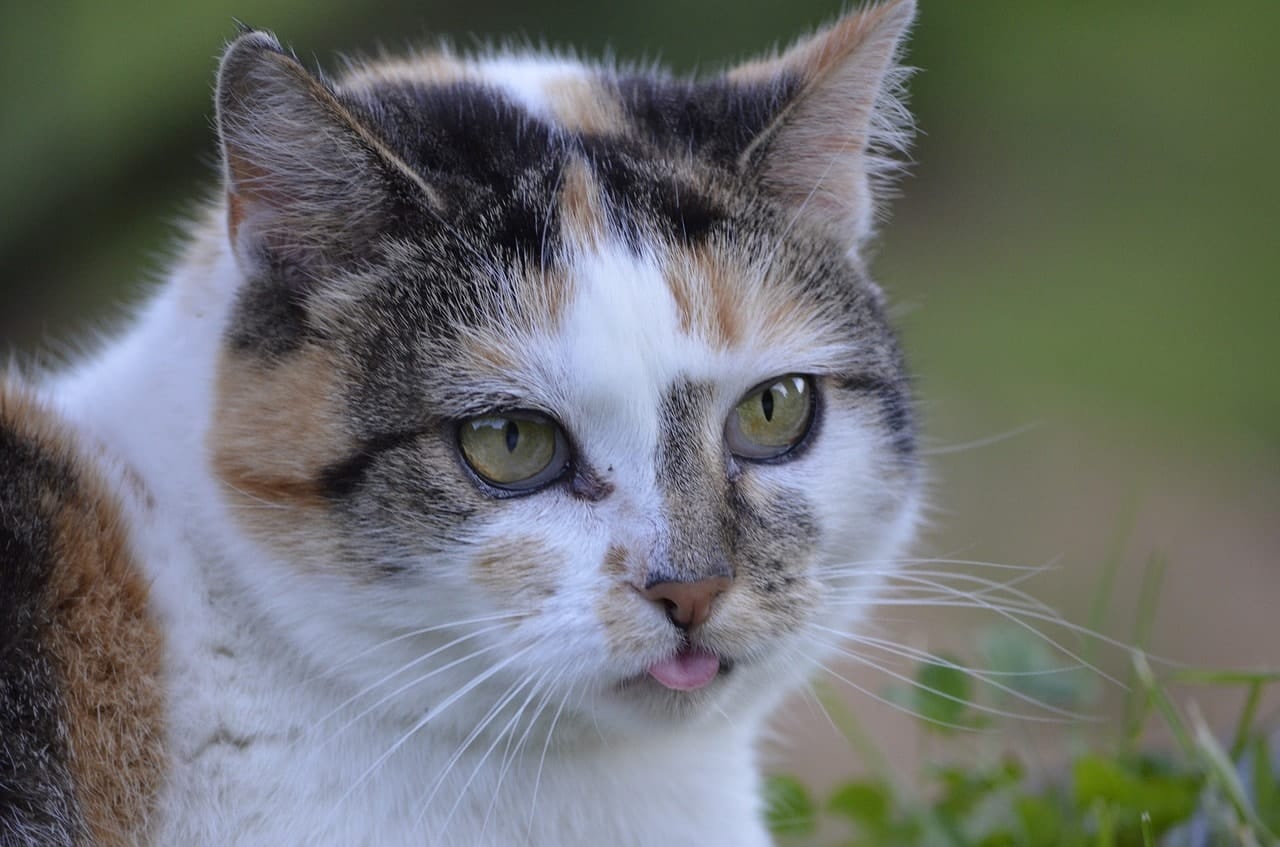
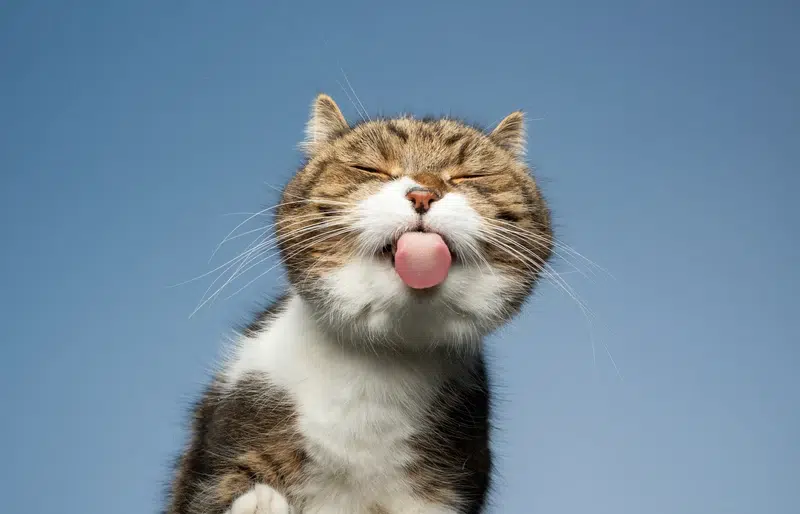
A blep may be defined as a partial, often unintended protrusion of the feline tongue, typically observed during states of relaxation, distraction, or post-grooming interruption.
In layperson’s terms: The cat forgot to put their tongue away.
This behaviour, while outwardly whimsical, is not without a biological basis, though I acknowledge it is also deeply amusing.
Mechanism I: The Relaxation Hypothesis
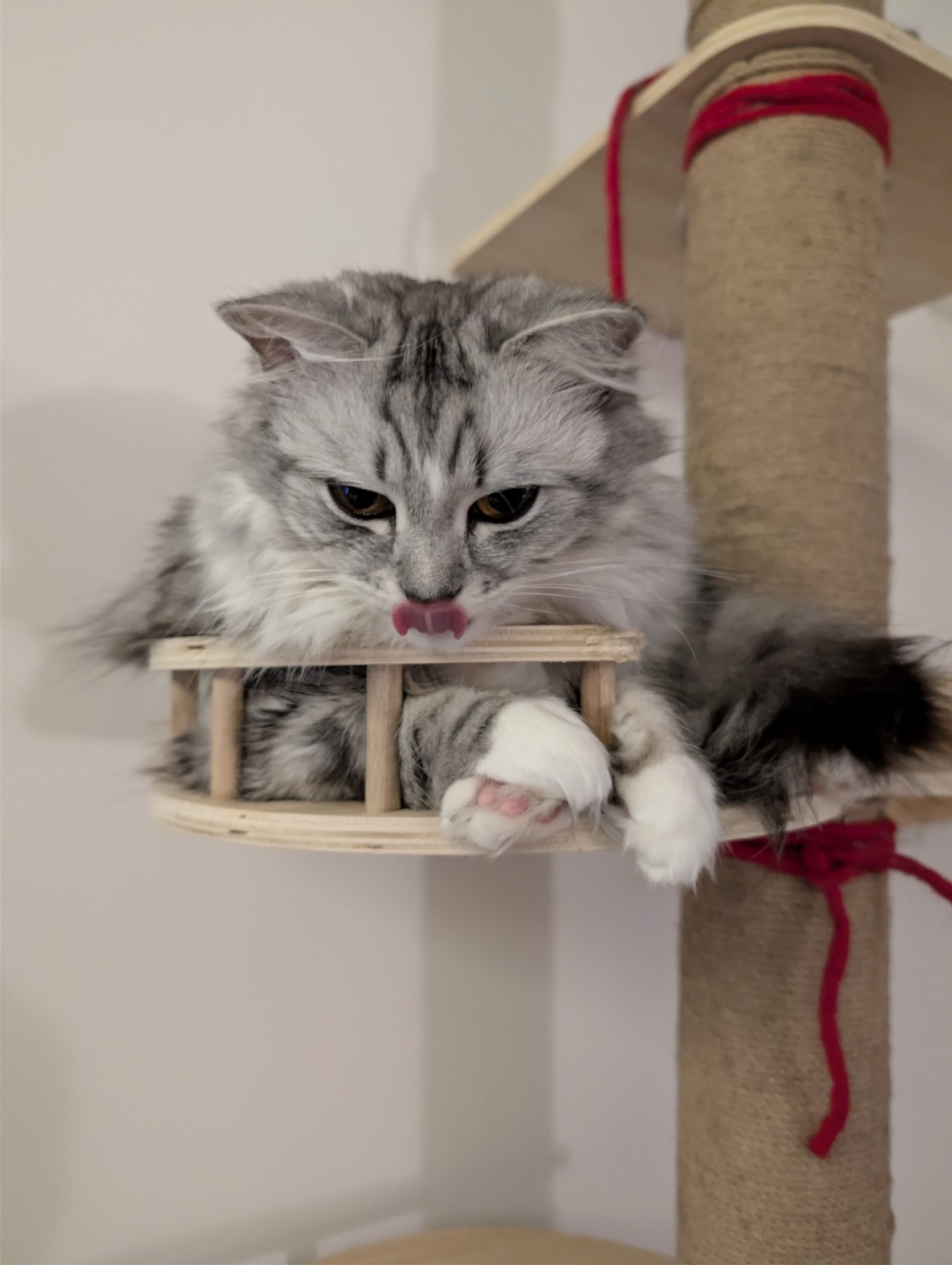
When a cat enters a state of profound comfort (for example: post-meal, mid-sunbeam, or atop an important document), the body shifts toward what humans call a parasympathetic state.
In this condition:
Jaw muscles relax
Facial tension decreases
Motor control becomes… shall we say… optional
The tongue, normally held in place by muscular tone, may therefore remain partially extended.
Thus: Blep.
Mechanism II: The Interrupted Grooming Loop
Felines groom using repetitive motor sequences; efficient, elegant, and, I must add, superior to any human hygiene routine.
These sequences are controlled by neural circuits often referred to as central pattern generators (CPGs), which produce rhythmic, repeated movements such as licking.
However, should a cat become distracted mid-groom (by, for example, a noise, a thought, or absolutely nothing), the sequence may halt abruptly.
The result?
Tongue: extended
Brain: moved on
Situation: unresolved
A classic case of what I term “loop failure leading to blep expression.”
Mechanism III: Sensory Processing (Advanced Consideration)
On occasion, bleps may coincide with sensory evaluation. Cats possess a specialised structure known as the vomeronasal organ (Jacobson’s organ), located behind the upper incisors and involved in detecting chemical signals. While more commonly associated with the Flehmen response, subtle tongue positioning may accompany these processes.
In summary: Sometimes, the blep is not a mistake.
It is… science at work.
Applied Blep Science: The Licky Treat Effect
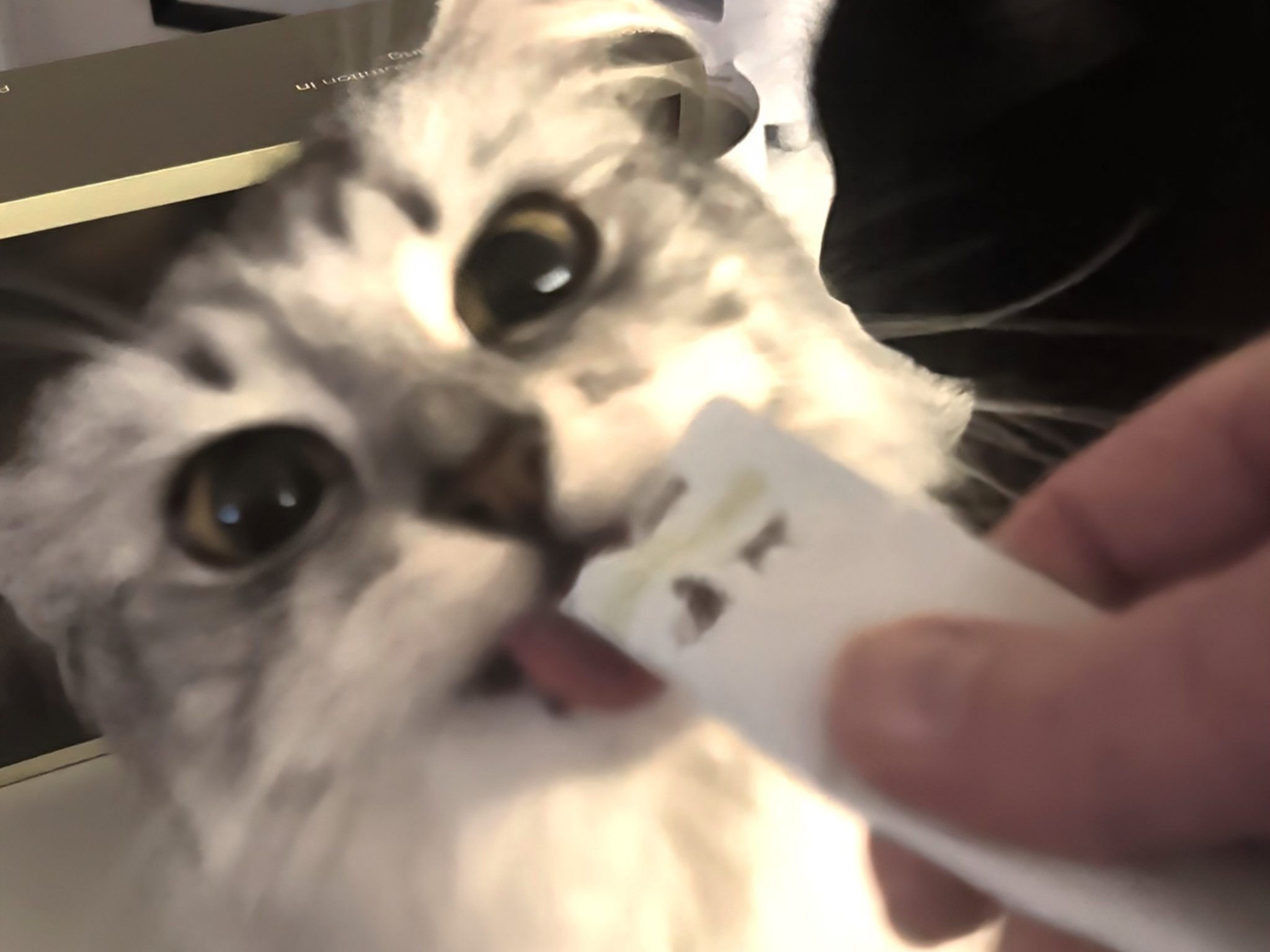
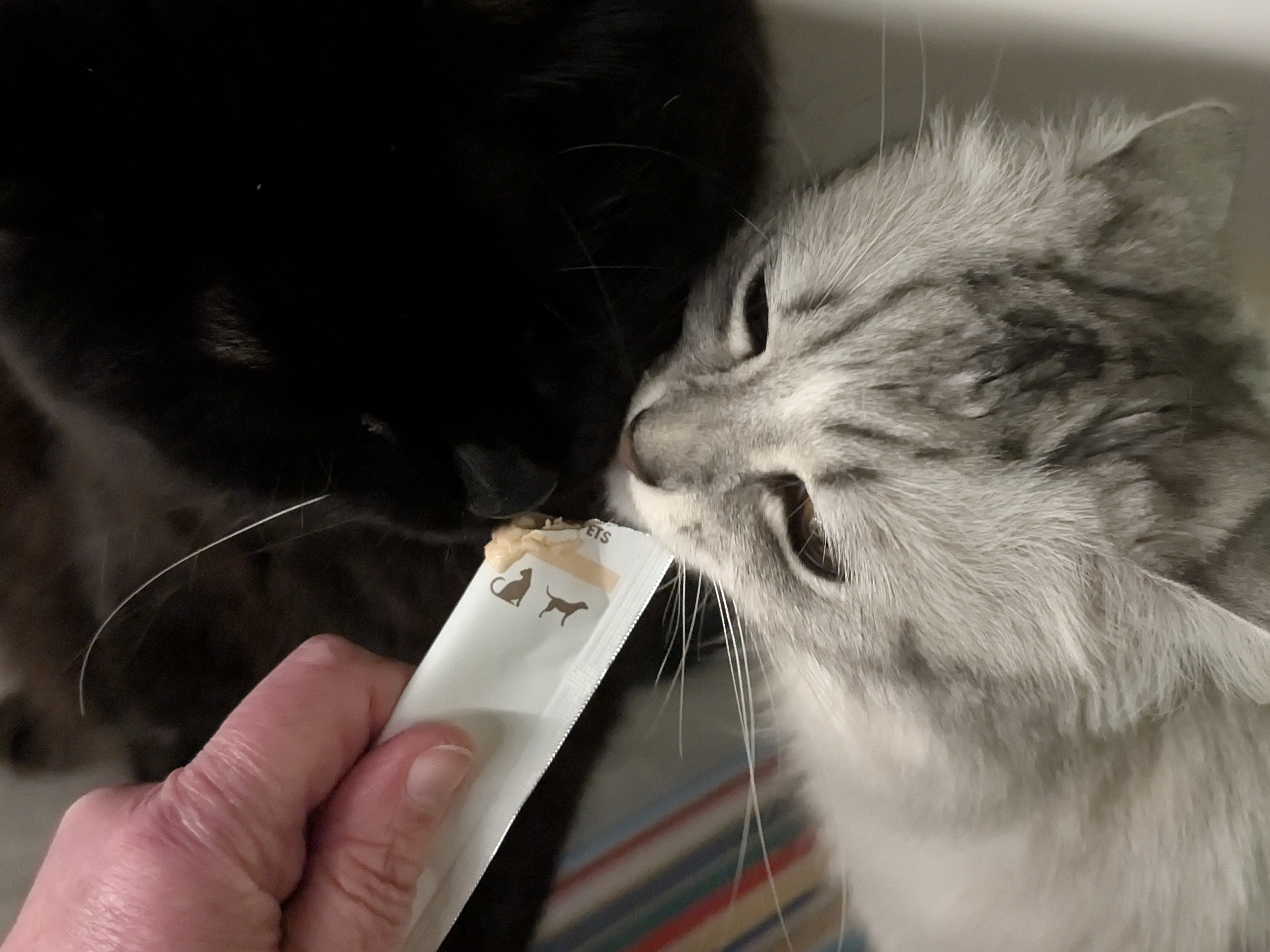
No scientific inquiry would be complete without experimental validation. Through repeated, highly motivated trials, I have identified a reliable method of inducing blep-like behaviour: Introduce a licky treat.
These semi-liquid, highly palatable substances trigger:
rapid, repetitive licking (activation of motor pattern generators)
heightened focus and sensory engagement
occasional momentary pauses between licks
It is within these micro-pauses that one may observe partial tongue extension, delayed retraction, and, in optimal conditions…a transient blep-like state.
It must be clarified that this is not always a true blep in the classical relaxed sense, but rather a blep-adjacent phenomenon induced by a high-value stimulus. In practical terms, the cat is too invested to manage their tongue properly.
Comparative Analysis: The Canine Question
It is frequently asked whether dogs, too, engage in blepping. The answer is: Yes, but with notable differences. In both cats and dogs, tongue protrusion may occur during relaxed states. However, the underlying contributors differ in frequency and context.
Cats:
Commonly linked to relaxation and interrupted grooming motor patterns
Typically presents as a small, static tongue tip
Dogs:
May occur during relaxation, but more often associated with dental structure or missing teeth, jaw conformation, and brachycephalic anatomy (e.g., shorter muzzles)
More importantly, tongue protrusion is frequently associated with thermoregulation via panting, wherein evaporative cooling occurs across the tongue and oral surfaces, a function distinct from the relaxed or interrupted motor patterns typically observed in feline bleps
Tongue protrusion in dogs is often more sustained and less tied to grooming behaviour
In popular culture, a distinction has emerged:
| Term: | Typical Use: |
| Blep | Small, subtle tongue tip (commonly cats, sometimes dogs) |
| Mlem | Larger, active tongue movement (commonly in dogs) |
It must be emphasised that these terms are informal descriptors, not scientific classifications.
Cultural Significance: The Rise of Tongue Out Tuesday
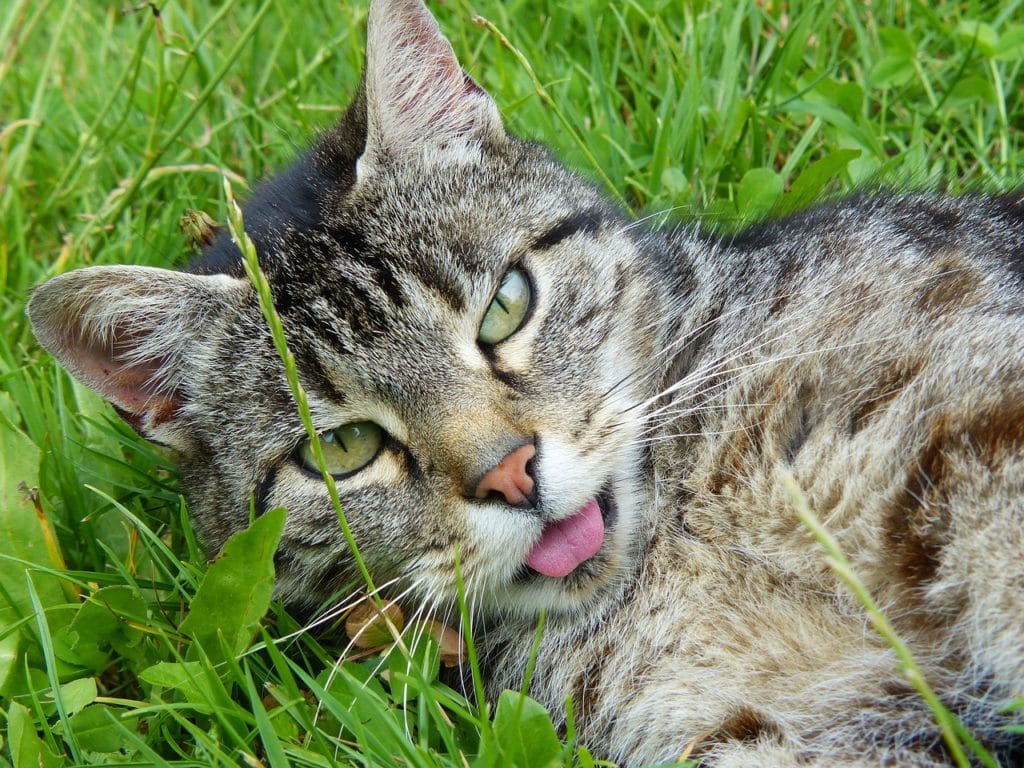
In recent years, the blep has achieved widespread recognition through the weekly observance known as #TongueOutTuesday. While I cannot confirm its precise origin, it has become a global platform for documenting and celebrating instances of lingual protrusion across species. While the weekly ritual of #TongueOutTuesday has its merits, the blep does not operate on a schedule. Perhaps it is time to elevate our standards to: Tongue Out Every Day — T.O.-Day.
Conclusion
The blep, while seemingly trivial, represents a fascinating intersection of neuromuscular relaxation, behavioural interruption, and sensory processing. It is, in essence, a moment where biology pauses… and charm takes over.
Final Remarks
Should you observe a blep in your domestic environment, I advise the following:
Do not panic. Do not correct the cat. Take a photograph immediately. For science, of course.
With academic rigor and minimal supervision,
Professor Fluffovich
Feline Behavioural Scientist
Chair of the Institute for Advanced Blep Studies

Expert cat care, straight to your inbox
Vet-reviewed advice, behavior tips, and the best of Catster. Free, and you can unsubscribe anytime.
By signing up, you agree to our Terms & Conditions and Privacy & Cookies Policy.
Kirsti Harefallet is a London-based marketing strategist who currently works in in real-world evidence and healthcare insights. At home she serves as human assistant to Professor Lucifer Fluffovich and his young colleague Missy, the Siberian cats behind the Kirsti and Her Cats creative universe. Their adventures in feline science, music, and household research are shared on Instagram at @LuciferFluffovich, @ArtemisWuffovna, and @KirstiandHerCats.
Join the conversation
Ask a question, share your story, or send private feedback.