Why Do Cats Lick You? 6 Vet-Approved Possible Reasons


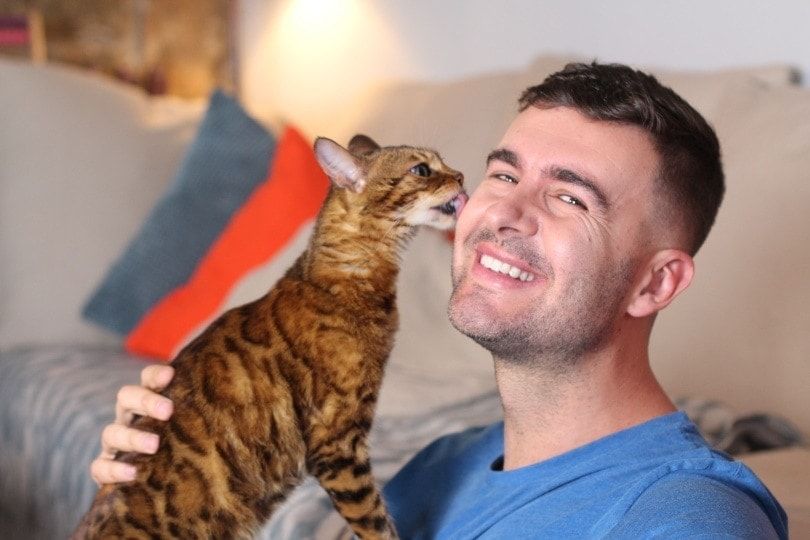
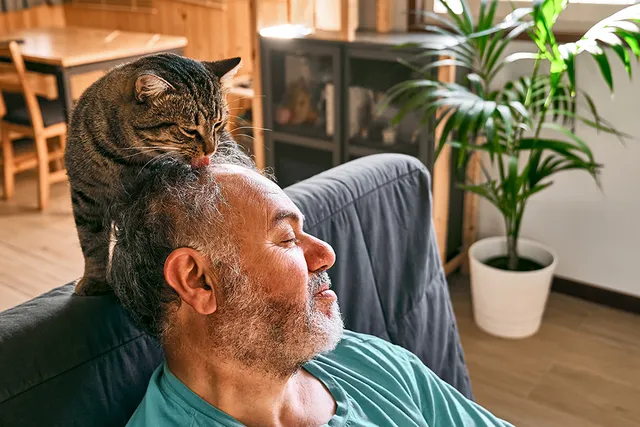
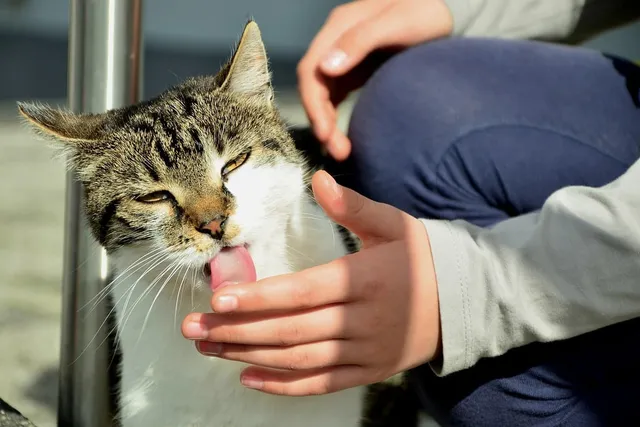
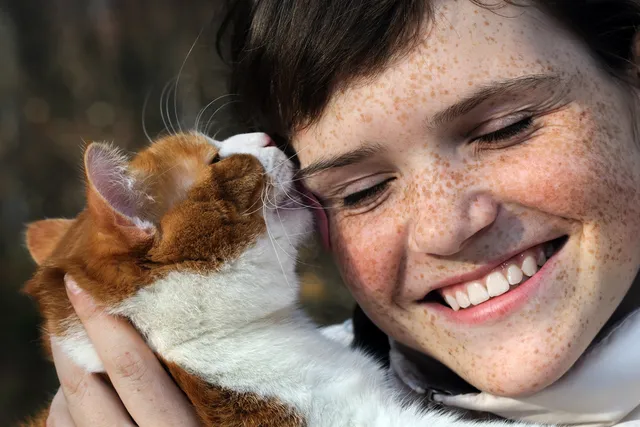
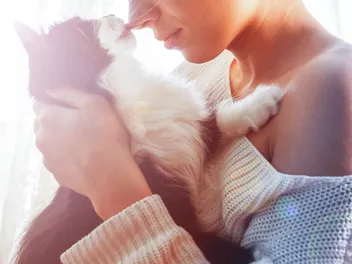
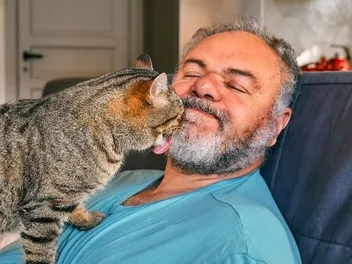
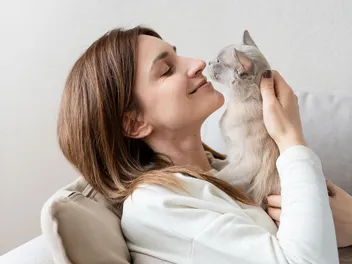
Cats are notoriously aloof little critters, so it’s hard not to feel like the chosen one when yours licks you. But what's the real reason cats lick their humans? Is it a way to show affection, or is something more serious at play? Licking can be a normal behavior, but it may also indicate a medical issue. Read on to learn why you’re the lucky recipient of your cat’s tongue bath.

The 6 Reasons Why Cats Lick You
1. They’re Expressing Affection
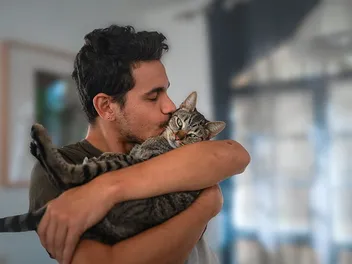
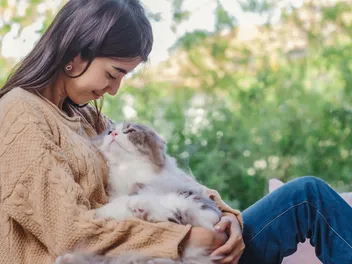
Mother cats groom their kittens by licking them, and those same kittens may carry such behavior into adulthood, grooming other adult cats. This is known as “social grooming” or allogrooming. Grooming is a social activity cats may participate in to communicate and strengthen social bonds, so if your kitty is licking you, it may just be their way of expressing affection.

2. They’re Feeling Stressed or Anxious
Sometimes, when cats feel stressed or anxious, they lick things excessively. This can be objects, themselves, or, yes, even you. It’s best to reach out to a vet for advice if your kitty is exhibiting other signs of stress, such as:
- Hiding
- Inappropriate litter box behaviors
- Digestive issues (e.g., diarrhea, constipation)
- Excessive vocalization
- Decreased appetite
- Increased sleep
- Aggression
3. They’re Scent Marking You

Cats are territorial creatures and love to mark their territory and objects so others know what belongs to them. They also communicate with one another through their marked objects and their scent. They may be licking you to share scent and mark you as “theirs”, making you smell familiar and part of the family. While this behavior is normal, it can sometimes become problematic if you live in a multi-pet house. Keep your eyes peeled for other signs of territorial aggression, including:
- Urine marking
- Aggression (e.g., hissing, swatting, attacking)
- Blocking areas of the home
- Stalking behaviors
4. They’re Seeking Attention
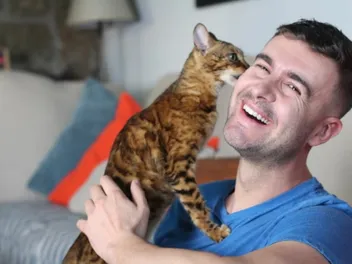
Cats are intelligent, and they know exactly what they need to do to get attention from you when they want it. If you’ve had a big reaction to their licking behaviors in the past, they know all they need to do is lick you to elicit that same reaction. If it’s been a while since you’ve had a play session with your kitty, it might be time to pick up that feather wand and spend some one-on-one time with your pet.
5. They Like How You Taste
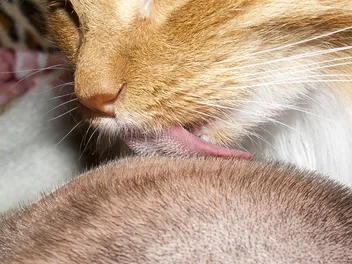
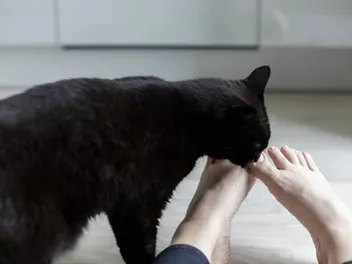
As disconcerting as it may be to hear your cat enjoys how you taste, this certainly could be the reason behind why they’re licking you. Cats explore their world with their tongues, so they could just be giving you a taste test. What’s more, our sweat contains salt that cats often find appealing, so your salty taste may bring your cat back for more.

6. They Have a Medical Issue
Cats may lick you or other objects in the home due to medical issues. Things like pain, discomfort, and nausea can cause excessive licking. If you notice your pet licking a lot more than usual, have them evaluated by a vet just to be sure.
How to Discourage Licking Behaviors
As sweet as it may be to be licked by your kitty, it sure can hurt. A cat’s tongue is full of back-facing barbs known as papillae. The papillae are made of the same material that’s in your kitty’s claws, explaining why excessive licking can hurt so much.
The best way to discourage licking behaviors is through distraction. Grab your kitty’s favorite toy and spend some time playing with them, or sprinkle some catnip on their favorite scratching post. We don’t recommend distracting them with treats as this may incentivize the behavior you’re trying to discourage.
Looking for toys that will cater to the many needs of your cat? The Hepper Hi-lo Cat Scratcher is one of our favorite cat products, and it will encourage your cat to get active. Its clever three-angle design offers multiple ways for your cat to climb, stretch, and exercise. Made of a sturdy plywood base and a replacement cardboard insert, this scratcher is an option that cats can enjoy for years to come. If your cat requires a little encouragement for self-play, the Hepper Catnip Mice Toy Set is a fantastic choice for their instinctual needs. Made with natural, bite-resistant hessian fabric and filled with organic catnip. Cats can satisfy their natural prey instincts while getting the physical activity they need to thrive.
| Image | Product | Details | |
|---|---|---|---|

|
Hepper Hi-Lo Cat Scratcher |
|
Check Price |

|
Hepper Catnip Mice Toy Set |
|
Check Price |
At Catster, we've admired Hepper for many years, and decided to take a controlling ownership interest so that we could benefit from the outstanding designs of this cool cat company!
You can also try redirecting their mouth away from you when they’re actively licking or just getting up and walking away. If your kitty is licking to get attention, ignoring them will usually cause them to stop. Of course, you don’t want to ignore them completely, but only when they’re licking you.
Final Thoughts
Cats lick their humans for many different reasons, but most of the time, it’s entirely harmless. As always, please pay close attention to the other behaviors your pet is exhibiting to gain some insight into why they’re licking so much. A stressed out or sick kitty will usually display other signs, while a cat licking you as a way to allogroom won’t.
Sources
Featured Image Credit: AJR_photo, Shutterstock
Expert cat care, straight to your inbox
News, insights, and useful advice, delivered to you.

No spam — unsubscribe anytime.
By signing up, you agree to our Terms & Conditions and Privacy & Cookies Policy.
How useful was this post?
Click a star to rate. You can leave written feedback afterwards. (We read all feedback.)
For Chantelle, writing and animals are the two driving forces in her life. Growing up on the Canadian prairies surrounded by pets, she now shares her home with five cats, two guinea pigs, and a bearded dragon. Chantelle, her husband, and their child pride themselves on being dedicated pet parent, even spending a fortune on wall-mounted cat shelves to provide their cats with an indoor jungle gym. When she's not snuggling with her cats or photographing their humorous moments, Chantelle is exploring the Rocky Mountains, rewatching her favorite Netflix series, and reading up on various random subjects.