Get

In Your Inbox

Catster is reader-supported. When you buy via links on our site, we may earn an affiliate commission at no cost to you. Learn more.

Sphynx Cat Health Problems: 6 Vet-Reviewed Issues

Share

Catster_Health Problems of Sphynx

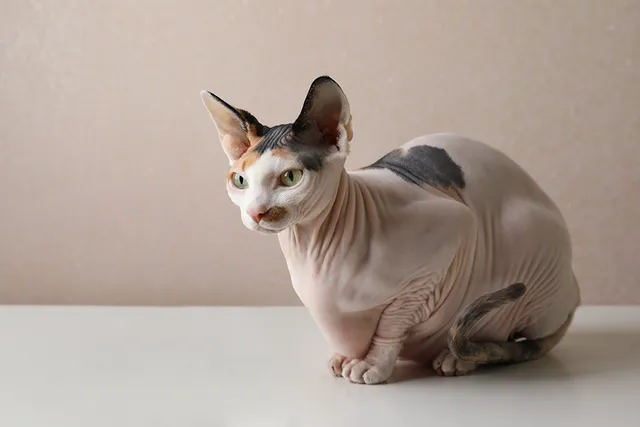
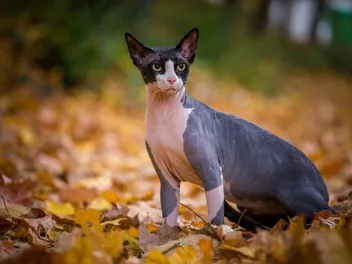
Sphynx cats first came about in the 1960s as a result of a genetic mutation. Ever since cat owners have been in love with the unique look and personable nature of the hairless breed.

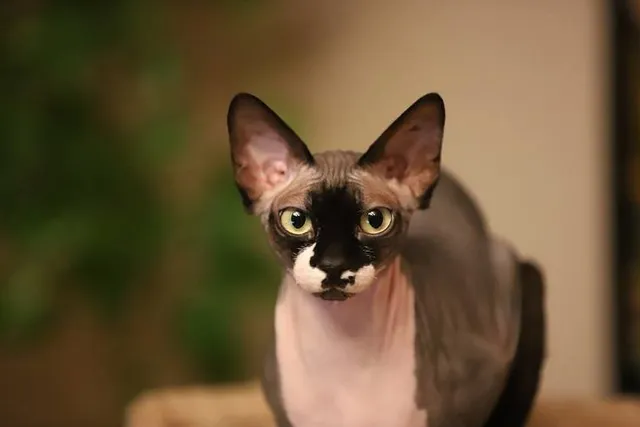
Like other purebred cats, Sphynx cats may develop genetic health conditions. There is some controversy1 around their breeding as hair provides protection, temperature regulation, and communication. They’re also prone to the same conditions that affect cats as a species. Despite this, they are known to be energetic and intelligent companions. Here are 6 common issues for Sphynx cats.

divider 3 paws

The 6 Common Sphynx Cat Health Issues

1. Skin Problems

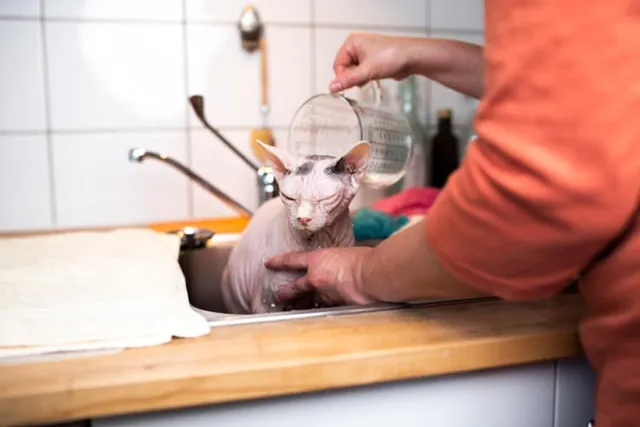
Sphynx cats are hairless, so they lack the protection that fur provides. They need frequent baths to keep their skin free from excess oils and dirt, which can lead to skin problems.  Urticaria pigmentosa is another Sphynx skin problem, it results in red pigmented spots on the skin. Sphynx cats may also be prone to sunburn from lying in direct sunlight since they don’t have a thick layer of fur to protect them.

Signs of skin problems may include:
  • Lesions
  • Red spots
  • Greasy, itchy seborrhea patches

If your pet is showing these signs, we suggest you speak to a vet.

If you need to speak with a vet but can't get to one, head over to PangoVet. It's an online service where you can talk to a vet online and get the advice you need for your pet — all at an affordable price!

PangoVet_Mention-in-Content for PangoVet2 save money


2. Poor Temperature Regulation

Sphynx cats aren’t able to regulate their body temperature effectively, leading them to get chilly easily in cold weather. It’s important that they have sweaters, heated cat beds, and extra blankets to stay warm. Likewise, their lack of fur makes them unable to cool their bodies appropriately in hot weather, and they should have access to cool areas to stay comfortable. They shouldn’t be allowed outside for long periods in either hot or cold weather.

Signs your cat is cold:
  • Avoids walking on cold surfaces
  • Stays close to human companions for warmth
  • Shivering
  • Lethargy
  • Cold to the touch

3. Ear Infections

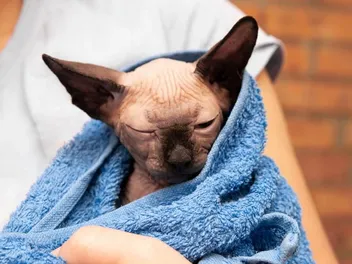
As a result of hairlessness, Sphynx cats have no hair in their ears to protect them from excessive wax buildup and ear infections. It’s important to clean your cat’s ears regularly with pet-safe wet wipes or a cat-safe ear cleansing solution. Avoid sticking anything directly in your cat’s ears—stick to wiping the area outside the canal.

The signs of ear infections may include:
  • Swollen or red ear canal
  • Head tilting
  • Yellow discharge
  • Difficulty hearing
  • Smelly ears
sphynx cat ears check by vet
Image by: santypan, Shutterstock

4. Hypertrophic Cardiomyopathy

Hypertrophic cardiomyopathy is a common disease in Sphynx cats that causes the heart muscle to become abnormally thick. Because of this, the cat’s heart, over time, begins to fail. Your vet should check for signs of heart problems at each exam since hypertrophic cardiomyopathy can develop over time.

Signs of hypertrophic cardiomyopathy:
  • Labored breathing
  • Hind leg paralysis
  • Fluid buildup in the lungs
  • Thromboembolism
  • Acute pain in the hind legs

5. Hereditary Myopathy

Hereditary myopathy is a generalized muscle weakness caused by a defect in the transmission of nerve signals to the muscles. Eventually, the disease progresses to the point that cats can’t walk or exercise because of excessive muscle weakness. Usually, the early signs of muscle weakness can show from three to 24 weeks.

Signs of hereditary myopathy:
  • Muscle trembling
  • Abnormal gait
  • Head bobbing
  • Collapse
  • Exhaustion

Sphynx cat laundry washing machine hepper nest liner


6. Periodontal Disease

Sphynx cats are prone to dental issues, including periodontal disease. Regular dental cleanings can remove plaque and control infections that cause bad breath, drooling, and red, swollen, or bleeding gums. Periodontal disease begins as gingivitis, which can be controlled if it’s caught early enough.

Signs of periodontal disease:
  • Red, swollen, or bleeding gums
  • Bad breath
  • Yellowing teeth
  • Drooling
  • Difficulty eating

divider 1 paws

What Health Conditions Are Common in Cats?

Along with genetic health conditions, Sphynx cats may be susceptible to health conditions that affect all cats as a species. Feline lower urinary tract diseases (FLUTD) and other urinary tract problems, fleas, ticks, and other parasites, and eye problems like conjunctivitis, corneal ulcers, cataracts, and glaucoma are all common in cats. Fortunately, many of these health conditions can be treated or prevented with regular veterinary care.

divider 2 cats

Conclusion

Sphynx cats are sweet and lovable companions. Like all cat breeds, they’re prone to some genetic conditions and general health issues, but with regular veterinary care, you can help your Sphynx cat live a long and full life.


Featured Image Credit: Irina Vasilevskaia, Shutterstock

Want content like this delivered to you?

Sign Up For Our Newsletter

News, insights, expert advice, and everything cat

* By submitting, you agree to our Terms & Conditions and Privacy & Cookies Policy.


How useful was this post?

Click on a star to rate (you can leave written feedback after clicking submit)

Help us improve Catster for pet parents!

Your feedback really matters.

What did you like about this post? Also how can we improve it?

Join the conversation

Leave a Reply

You’re very welcome to leave a comment or question. Please know that all comments must meet our community guidelines, and your email address will NOT be published. Let’s have a positive and constructive conversation.


Talk With A Vet Online

Peace of mind,
anywhere, anytime

Affordable vet advice

Do Cats Cause Schizophrenia? Scientists Find a Link – Here’s What It Means

Being a fierce advocate (and occasional recipient of) mental health support and awareness, the term ‘crazy’ is not one I like to fling...

One in 100 Cats Gets Diabetes – Here’s How to Catch It Early

One in every 100 cats develops diabetes.1 That’s not a rare, unlucky condition reserved for cats with obvious health problems. It’s common enough...

Dramatic Rescue Turns Into Dramatic Reunion

What started as a routine call for the RSPCA became a heroic, five-hour rescue featuring one trapped and traumatized cat, an emotional family...

Ask Dr. Paola – Help! How Do I Know if it’s Ear Mites! (May 4, 2026)

Welcome to our “Ask Dr. Paola” series, where every Monday we bring expert advice straight from Dr. Paola Cuevas (MVZ) to help our...

More related

30 Bewitching Black Cat Quotes & Sayings To Know

People often view black cats in one of two ways—they appreciate their majestic dark charm, or are superstitious, doing whatever they can to...

Domestic Longhair Cat Breed: Info, Pictures, Temperament & Traits

The Domestic Longhair cat isn’t any one specific breed. Rather, it’s just the common name for a house cat with long hair. They...

How to Brush a Cat: 8 Vet-Verified Steps

Whether you’re trying to control shedding or looking for a way to bond with your cat, brushing is an essential part of caring...

How to Pet Your Cat & Find Special Places They Love: Vet-Reviewed Guide

Cats have quite complex personalities and a combination of several personality traits, with one or more being more dominant. Some cats are incredibly...

Keep reading

Can Cats Eat Silverfish? Vet-Reviewed Health Facts & FAQ

Most cat owners can attest that cats are like little toddlers; they grab anything they can and put it in their mouths. However, this can cause problems for their owners, who have to deal with the fact that their cats...

Can Cats Eat Silverfish

How to Stop a Cat From Climbing a Tree: 8 Methods & Safety Tips

Cats are renowned for their agility. In fact, due to their anatomy adapting to their hunting activities, cats are among the most flexible mammals in the world. They are also natural-born climbers1. While climbing is a favorite activity of domestic...

tuxedo cat on tree

How to Get a Urine Sample From a Cat: Effective Vet Approved Tips & FAQ

A urine sample can help a veterinarian check for various conditions in a feline’s urinary tract and kidneys. If your vet has asked you to bring in a sample of urine from your cat, you might be feeling a bit...

woman collecting urine sample of an orange cat

Does Alcohol Kill Fleas on Cats? Vet-Reviewed Effectiveness & Safety Explored

Disclaimer: The information about these products has been fact-checked by one of our licensed veterinarians, but the purpose of this post is not to diagnose illness or prescribe treatment. The views and opinions expressed are not necessarily those of the...

isopropyl alcohol

How to Get a Feral Cat to Use a Shelter: 8 Vet-Reviewed Tips & Considerations

Feral cats scare some people, but when you’re a cat lover, you want to do everything you can to ensure the cats are warm and safe, especially during the frigid winter months. If you’ve taken the time to build a...

cute grey cat in the straw

Do Cats Like Change? Vet-Verified Behavior & Evolution Facts

One of the things that draws people to cats as pets is their independence. They require no walks, less training, and are generally happy in smaller spaces compared to dogs, which some people really appreciate, especially since you can travel...

Scared Tabby cat trying to hide

Why Does My Cat Lay, Sleep, or Play in the Litter Box? 6 Vet-Reviewed Reasons

It is more common than you might think to see a cat lying or even sleeping in their litter box, and it is usually an undesirable action. It can be a sign of illness or may indicate that your cat...

two cats looking at the litter box

Why Is My Cat Suddenly Lethargic & Weak? 12 Vet-Verified Reasons

Cats don’t always make it obvious that they aren’t feeling well. They are notorious for concealing their symptoms until the health condition has progressed to the point of them being unable to hide it. It’s hard to tell that a...

sick cat lying on blanket

Love Cats? So Do We! Join the Catster Community

Stay informed with expert pet care insights delivered straight to your inbox! Discover professional guidance on animal behavior, feeding tips, trusted product picks, and much more.


Sign up for the Catster Email Newsletter

Stay informed with expert pet care insights delivered straight to your inbox! Discover professional guidance on animal behavior, feeding tips, trusted product picks, and much more.