Can Cats Eat Beans? Vet-Approved Nutritional Facts & FAQ


In this article
When making dinner, you pop open a can of beans and set it aside until you’re ready to cook with it. It’s not uncommon for a cat’s curiosity to get the better of them—the noise of a can opening often signals that it’s dinnertime and makes them come running.
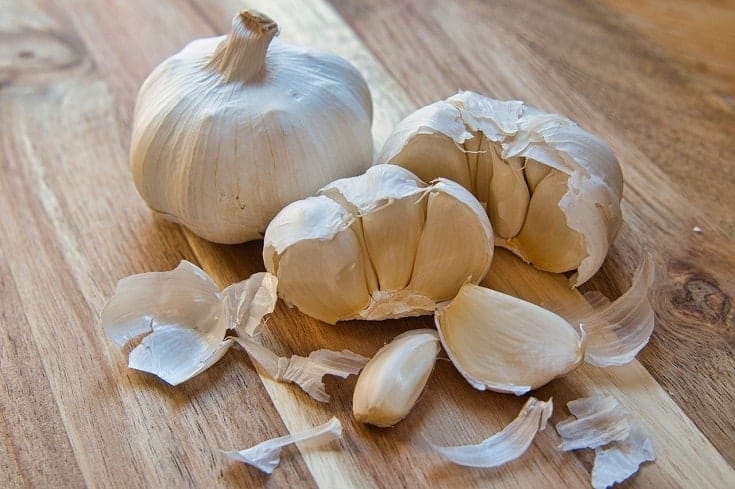
It’s only after they’ve taken a few bites out of the beans that you see their head is buried in the can. Is this a reason to worry? Do you need to take your cat to the vet as soon as possible? Don’t panic, unless there are any garlic or onions that are toxic to cats, in which case you need to contact your vet straight away.
Cats can eat beans, but with a few caveats and precautions, and generally, this is not something that is recommended for felines.

Can Cats Eat Beans?
In general, beans are not dangerous for cats if offered very occasionally and in strict moderation and don’t contain any toxic elements to them. Even though they are a rich source of protein and fiber. But that doesn’t mean they should be eating them on a regular basis. Even small amounts of beans can cause stomach upset. Common issues cats experience after eating beans include:
- Digestive distress
- Stomach pain
- Excess gas
- Intestinal discomfort
Small amounts of beans can sometimes be found as one of the ingredients in cat kibble. Even if the food does contain beans, they are usually mentioned as a filler and don’t offer much nutritional benefit so it’s better to steer clear of them.

Can Cats Eat Canned Beans?
It’s best to keep your cats away from canned food of any kind. Not only might they contain preservatives and high levels of sodium, but they usually have spices and additives that can be toxic for cats. Food companies for human consumption use different formulas and standards than they do for cats. The biggest issue tends to be with salt, garlic, and onions.
Feeding your cat too much salt can be harmful, but eating a few beans is unlikely to lead to salt toxicosis. A more serious issue may arise if your cat ingest beans with garlic or onions as additives, as these are toxic for cats, depending on the concentration and the ingested amount.
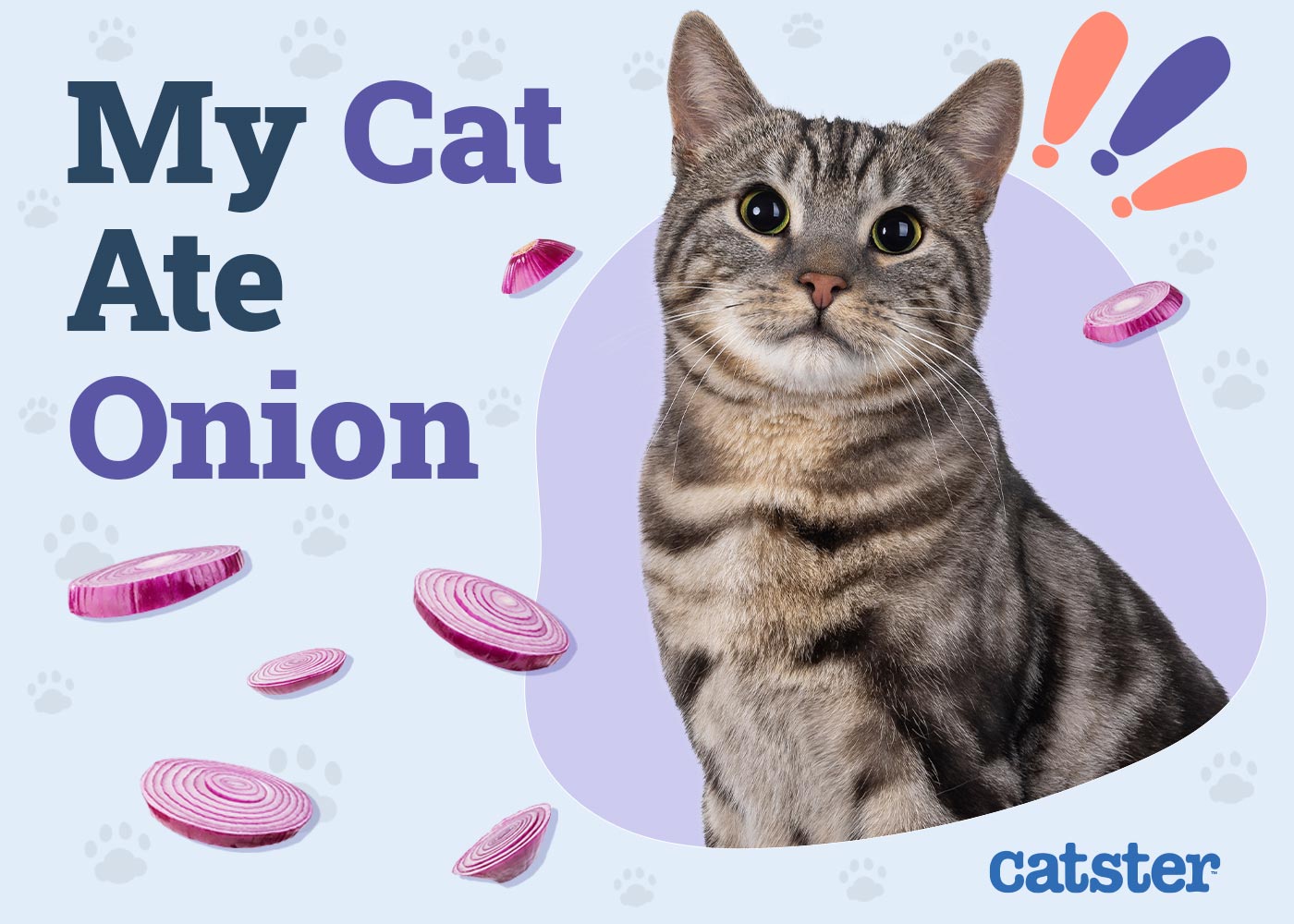
Garlic and onions, alongside chives, leeks and shallots, belong to the Allium family and lead to digestive signs and oxidative damage to the red blood cells, causing hemolytic or Heinz body anemia. Depending on the ingested amount, these signs may be life threatening if left untreated.
Do Beans Offer Any Nutritional Benefit to Cats?
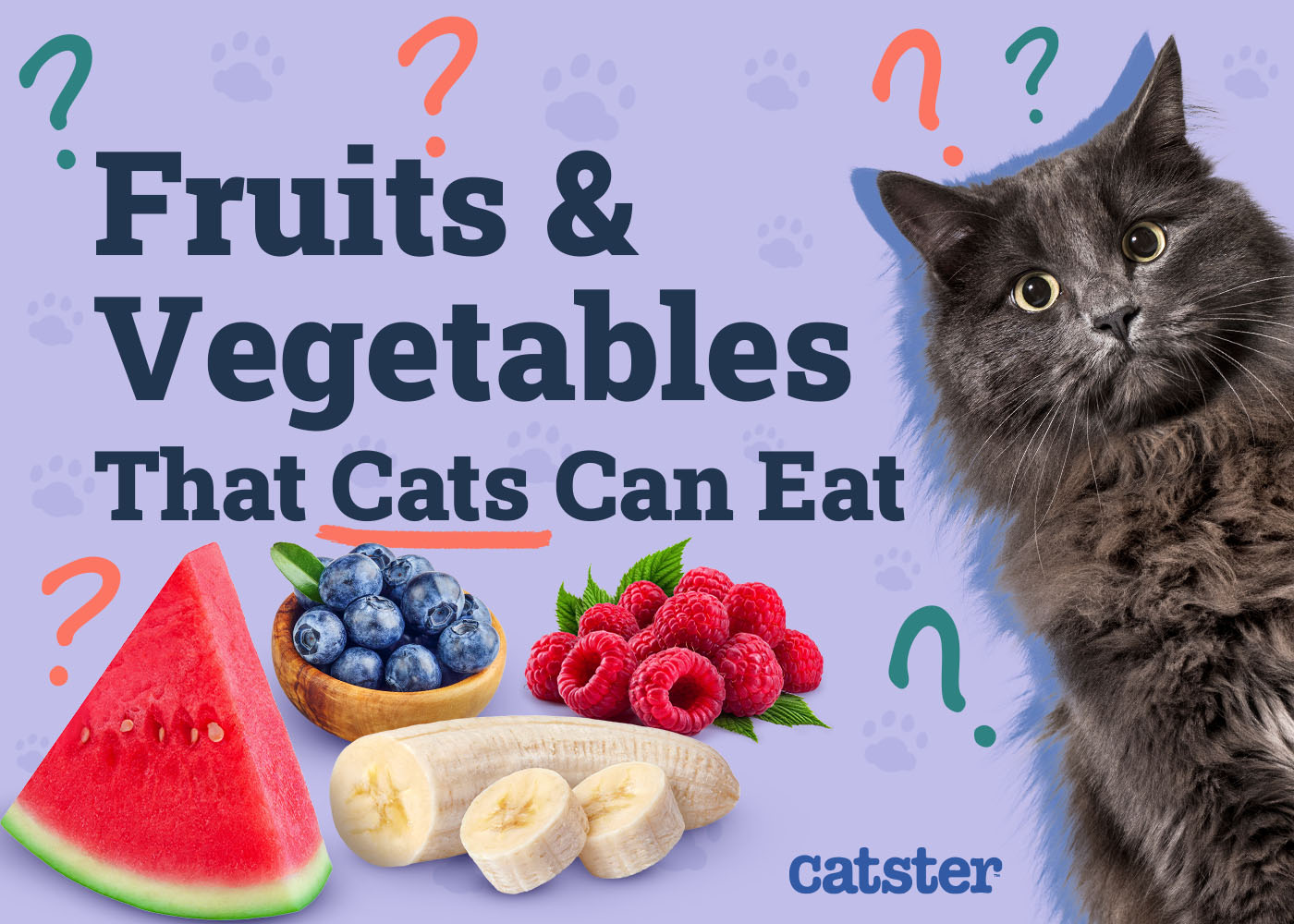
Most humans already accept that beans are rich in protein, vitamins, minerals, and fiber, all of which are crucial for a cat. However, cats are obligate carnivores and require these substances when they come from animal protein only. Cats do not need vegetables, fruits, or legumes in order to survive, and the same applies for beans.

How to Prepare Beans for Your Cat
Your cat will not reap any benefits from beans, and if you are still considering this as an occasional snack for your kitty, consult with your vet first. If your cat happens to love beans and enjoys them as a special occasion snack, there is a safe way to prepare and serve them. Again, do not use beans as a regular treat for your cat. Only give your cats beans when they are prepared correctly and as a rare treat.
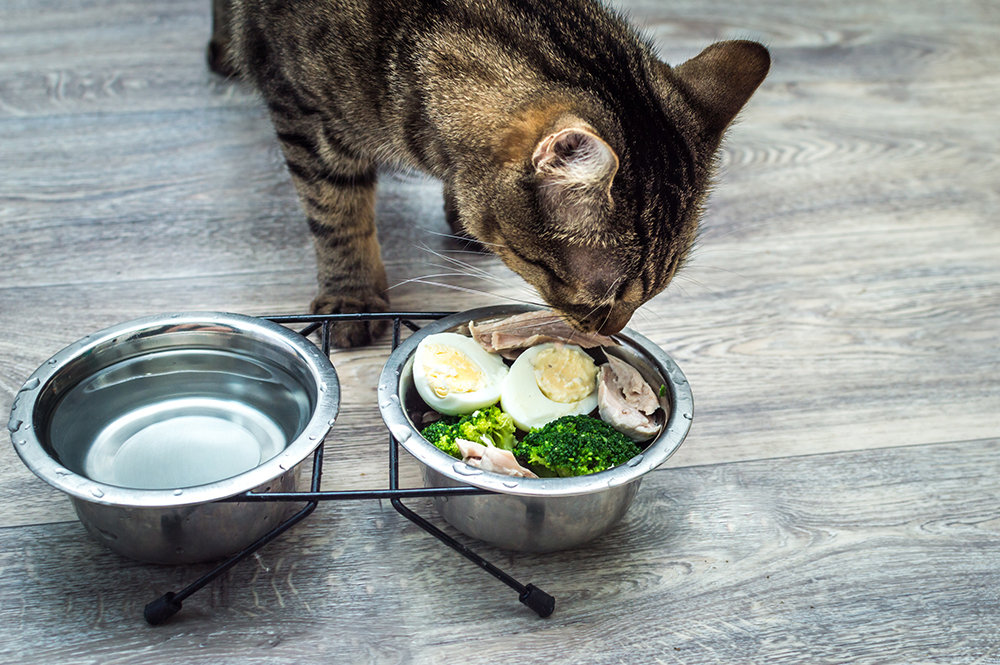
In order to prepare beans so they are safe for your cat, start by pre-soaking them for a few hours. After that, boil the beans in water for 30 minutes or until they are tender and the outer flesh falls off. Do not ever add any salt, herbs, spices, or artificial ingredients to the beans. Serve one or two plain beans to your cat by mixing a small spoonful into their kibble.
Never offer raw beans to your cat, as they are very hard to digest, may pose a choking hazard or cause a blockage if swallowed, and may be contaminated with bacteria. Raw beans also contain lectin, a substance that leads to gastrointestinal signs, bloating, and clumping of red blood cells in people.1
What Types of Beans Can Cats Eat?
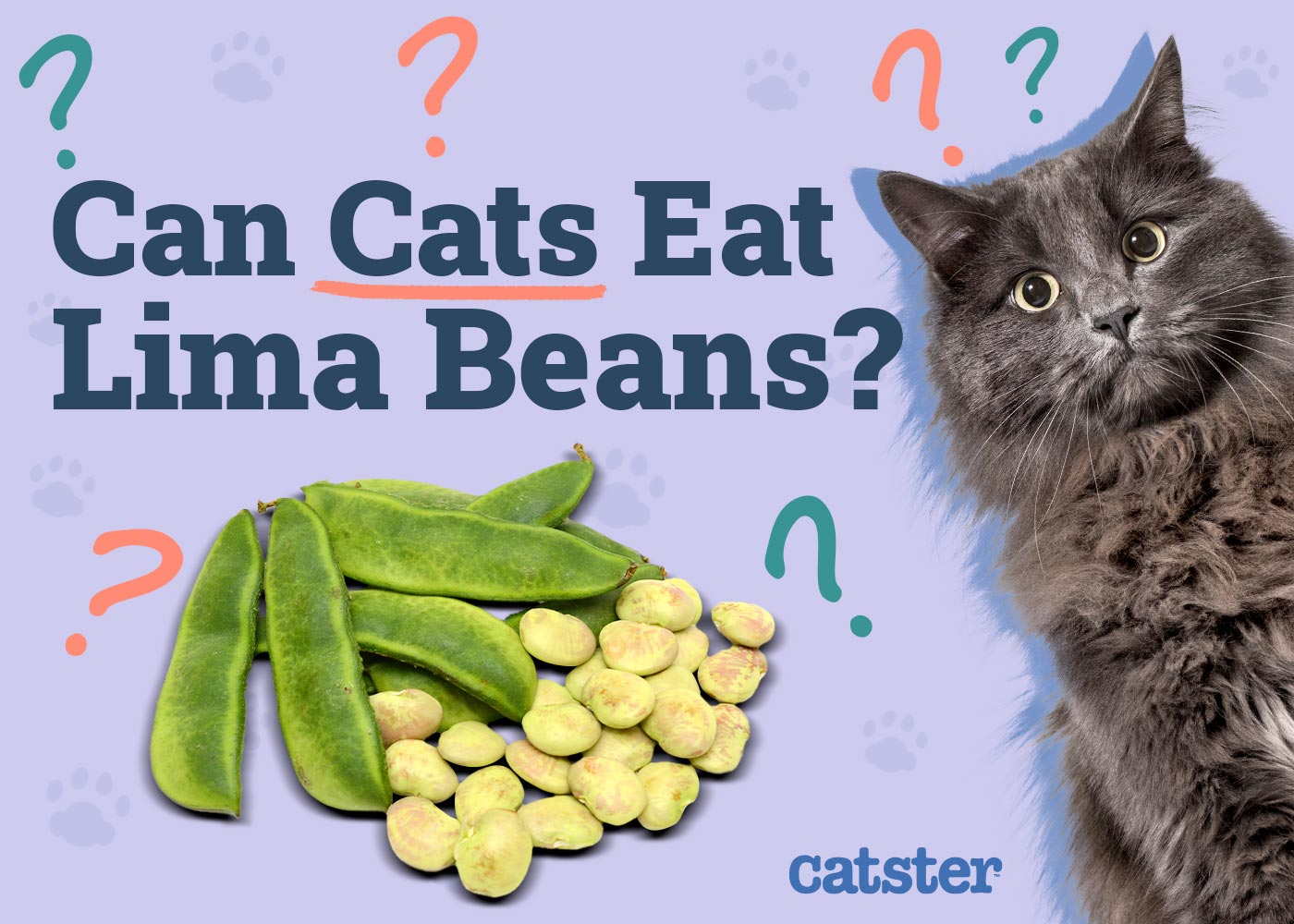
There are a lot of different beans available, so how do you know which are safe for your cats? Here are the types of good and bad beans for felines, although some are not actual beans.
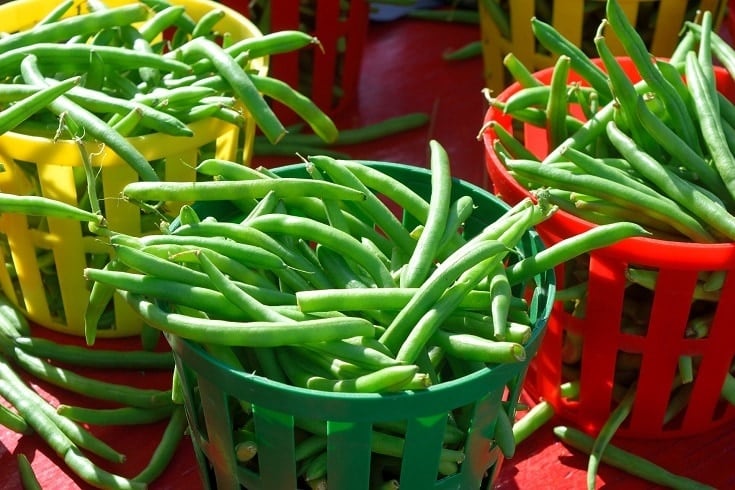
Types of Beans Cats Can Eat, Offered in Moderation
- Black beans
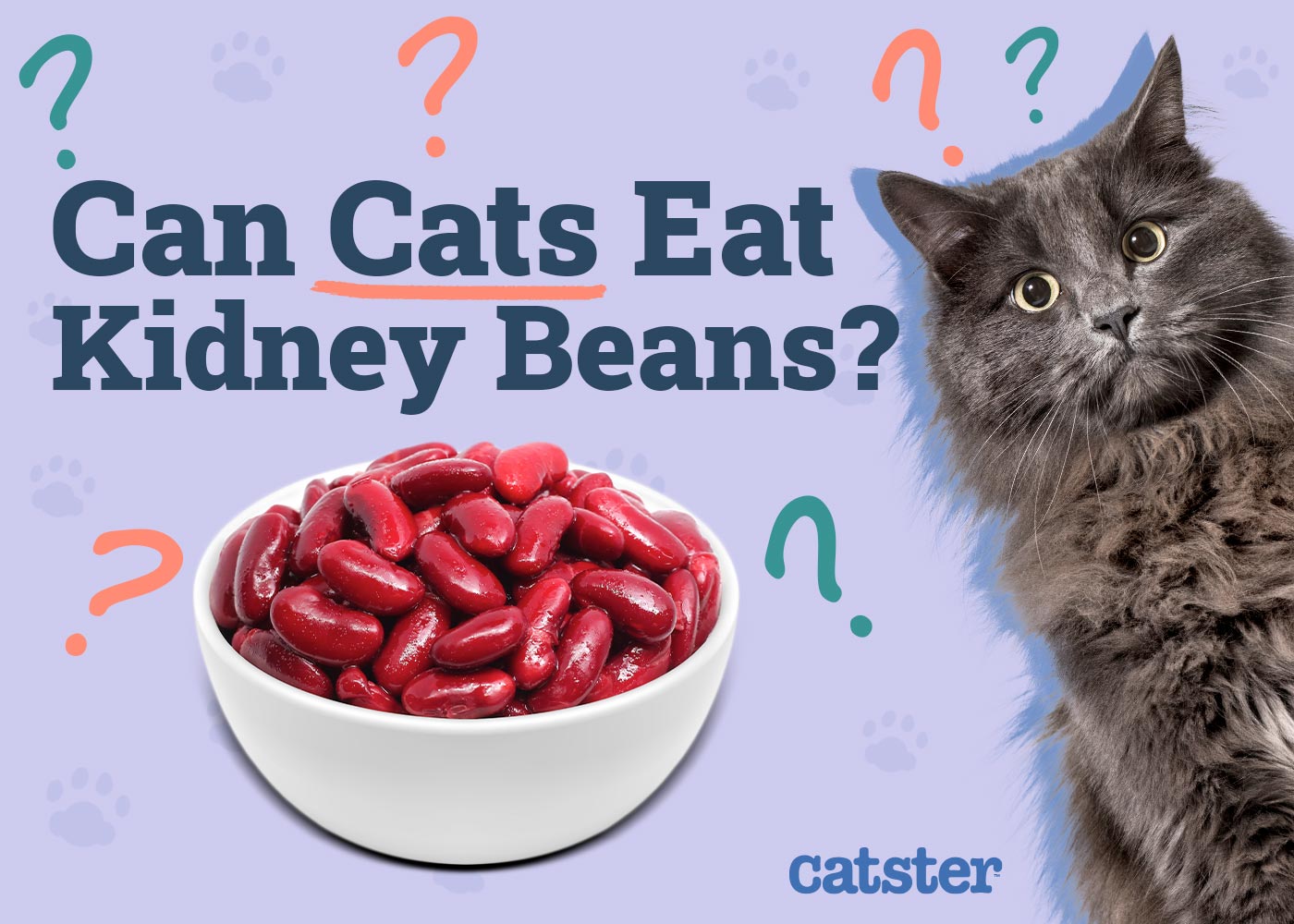
- Kidney beans
- Soybeans
- Pinto beans
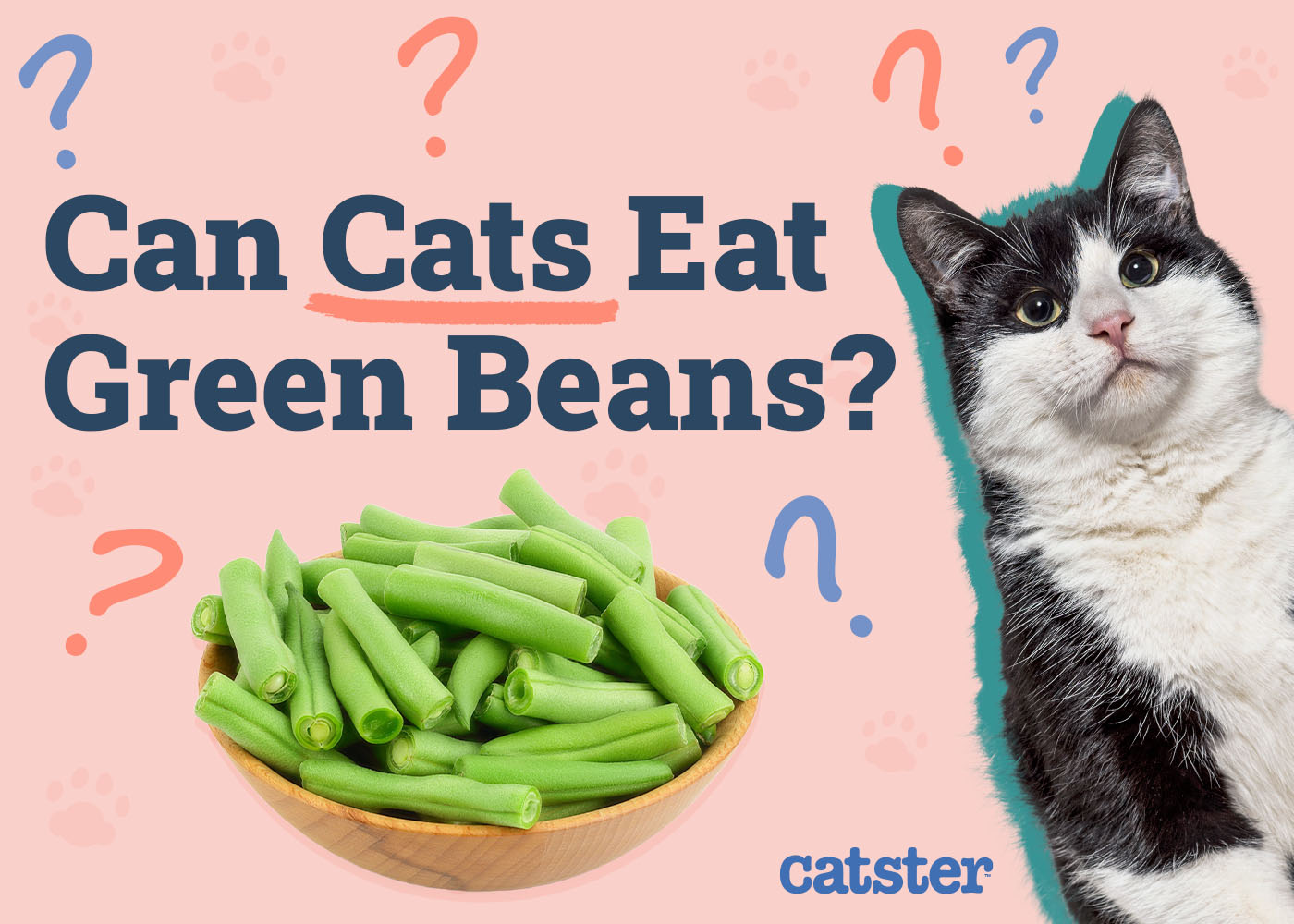
- Green beans
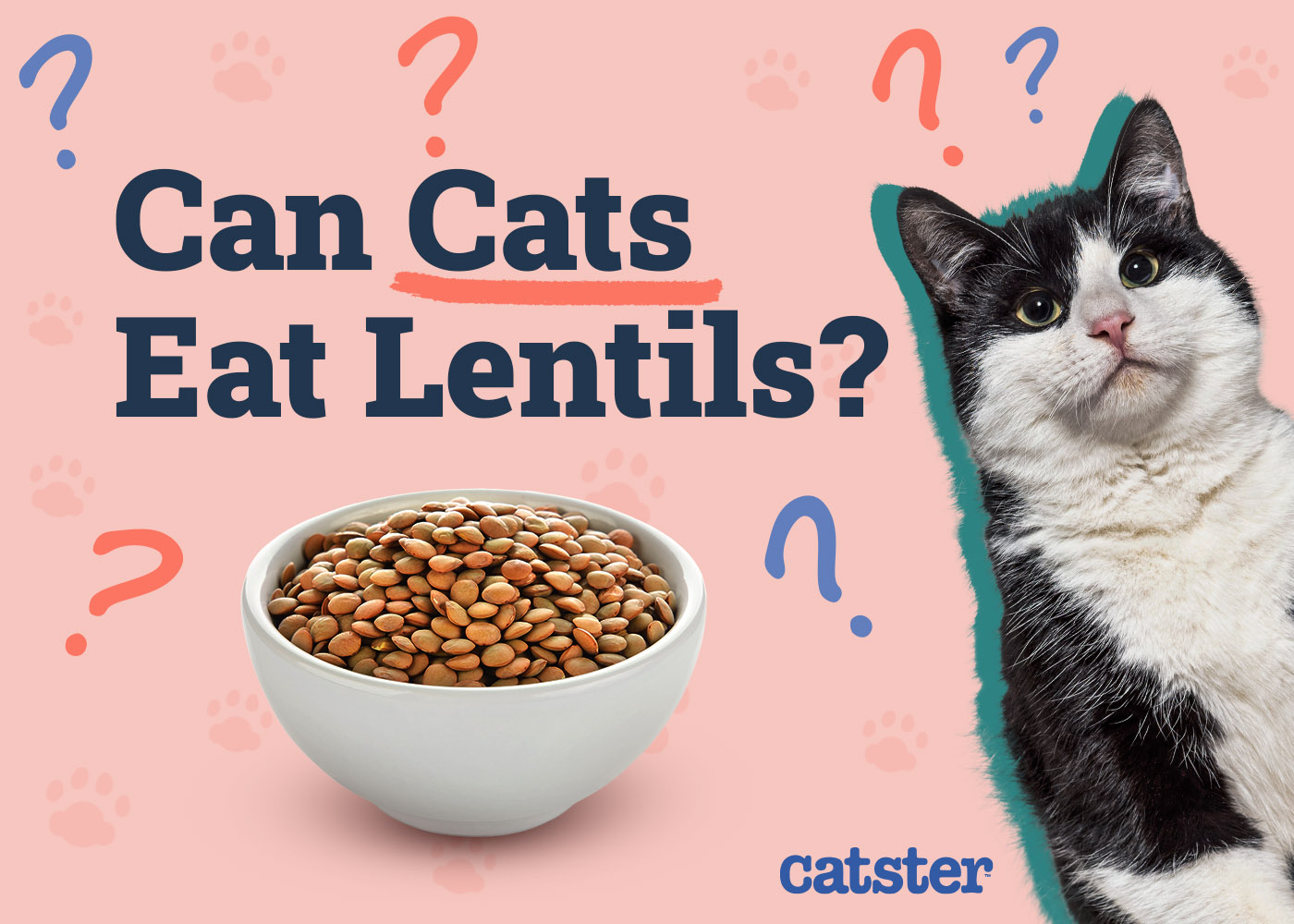
- Lentils
Unsafe Beans for Cats
- Cocoa beans
- Coffee beans
- Refried beans
- Canned beans
- Raw beans
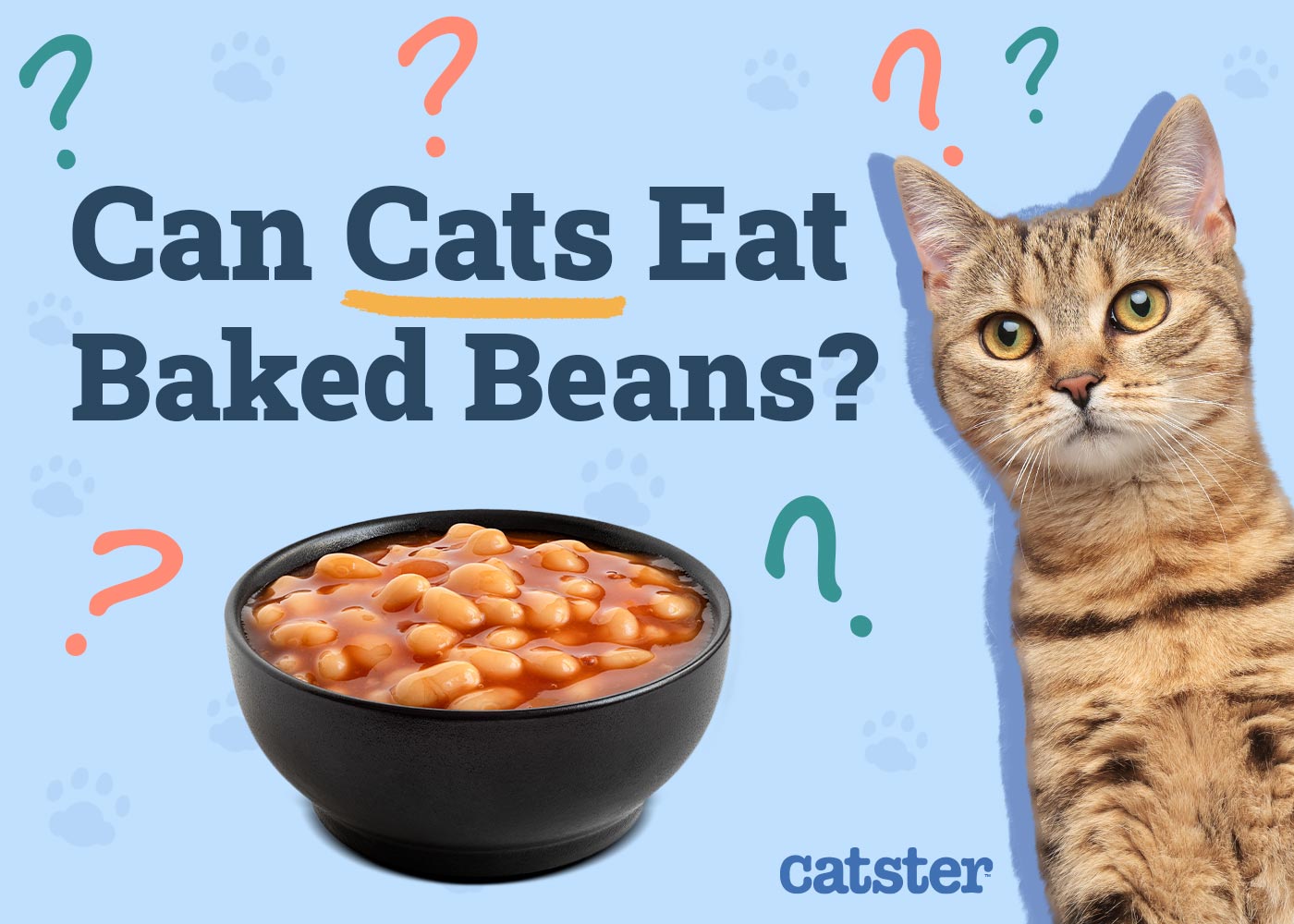
- Baked beans
Final Thoughts
It is normal for some cats to experiment with the food that is around them. Cat owners know how common it is for them to leave their food sitting out and to come back to their pets taking a few bites from their dinner. Plain cooked beans usually aren’t anything to worry about, although it still isn’t recommended for them to eat beans on a regular basis. You should be more concerned if they have decided to eat canned beans or beans with other ingredients mixed in because some of those ingredients could be dangerous for your cat, such as garlic or onions.
If your cat insists on having beans as a snack, take the time to prepare them properly. Remember that salt and other seasonings aren’t necessary and the best way to feed cooked beans to your cat is plain.

Expert cat care, straight to your inbox
Vet-reviewed advice, behavior tips, and the best of Catster. Free, and you can unsubscribe anytime.
By signing up, you agree to our Terms & Conditions and Privacy & Cookies Policy.
Hallie has been a proud nature and animal enthusiast for as long as she can remember. She attributes her passion for the environment and all its creatures to her childhood when she was showing horses on weekends and spending her weeknights devoting her attention to her pets. She enjoys spending most of her time in Michigan playing with her two rescue cats, Chewbacca and Lena, and her dog, Clayton. When Hallie isn’t using her degree in English with a writing specialization to spread informative knowledge on pet care, you can find her snuggled up on the couch reading books or watching nature documentaries.
Join the conversation
Ask a question, share your story, or send private feedback.