Get

In Your Inbox

Catster is reader-supported. When you buy via links on our site, we may earn an affiliate commission at no cost to you. Learn more.

Can Cats Eat Grapes? Vet-Reviewed Nutrition Facts & FAQ

Share

Can Cats Eat Grapes

Cats are carnivores, but they still like to experiment sometimes. Some cats love to taste unusual foods, including fruits and vegetables. Most of the time, that’s totally okay—too much fruit isn’t good for your cat, but a little bit won’t hurt. Unless it’s grapes.

While grape toxicity is uncommon in cats, it has been documented and even a little bit can cause serious harm. If your cat has eaten grapes, fast action could save your cat’s life—contact your local vet immediately. Here’s what you need to know about why grapes are potentially so dangerous to cats and how to help your kitty in a time of need.

divider cat paws oct 2024

Grape Toxicity in Cats

You might wonder what about grapes makes them so dangerous to cats. But the truth is that we still don’t know for sure what it is about grapes that can make them so dangerous to our pets.

Recent studies have suggested that tartaric acid may be the part of grapes that is toxic and this can be found in varying concentrations in grapes and raisins. There is still more research to be done in this area though. However, we do know that when some cats eat grapes it can cause vomiting, inappetence and even serious kidney damage.

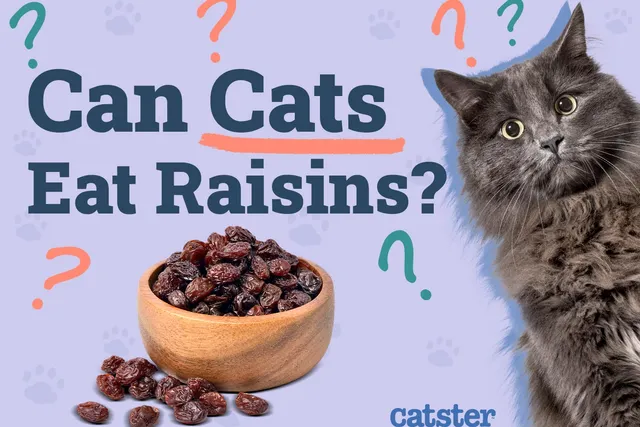
Grapes and raisins both can cause grape toxicity—in fact, raisins can be more dangerous, being dehydrated grapes,  they have the same amount of toxin in a smaller, easier-to-eat form. There’s still a lot we don’t know about grape toxicity, so it’s hard to know if eating just one grape can hurt your cat. Eating grapes doesn’t always cause kidney damage, but there aren’t any studies explaining why some cats that eat grapes are fine and others aren’t.

When it comes to eating grapes, it’s better to be safe than sorry. That’s because grape poisoning can cause permanent damage to your cat’s kidneys very quickly. If you know your cat has eaten grapes, call the ASPCA Poison Hotline (888-426-4435) or your vet’s emergency line right away to find out if your cat needs to be brought in to a vet immediately.

If you need to speak with a vet but can't get to one, head over to PangoVet. It's an online service where you can talk to a vet online and get the advice you need for your pet — all at an affordable price!

PangoVet_Mention-in-Content for PangoVet2 save money

Signs of Grape Poisoning

If your cat has eaten grapes, it’s best to seek out treatment straight away even if you don’t see any signs of poisoning. Some signs of grape poisoning include:

  • Lethargy
  • Vomiting and diarrhea
  • Lack of appetite
  • Abdominal pain

Although rare, if your cat doesn’t receive treatment quickly enough, they might go into kidney failure. By 48 hours after ingestion, you may see signs like:

  • Excessive thirst and urination
  • Repeated vomiting
  • Strong-smelling breath
  • Difficulty walking; wobbly gait
  • Disorientation
  • Seizures
  • Coma

Grape Poisoning Treatment

If your cat does eat grapes, the treatment process will depend on how quickly you’ve gotten your cat to treatment and how severe the damage is. In general, there are three steps to treating grape ingestion—decontamination, evaluation, and treatment. Decontamination is removing any traces of grapes from the digestive tract. Your vet may induce vomiting or give your cat oral charcoal medication to help bind any remaining toxins in the gastrointestinal tract.

NOTE: You should not try to induce vomiting at home—your vet has medications that will cause vomiting with minimal damage to your cat’s digestive system. From there, your vet will need to evaluate your cat’s kidney health through blood work or other methods.

The treatment needed will depend on the results of the blood work. If damage is minimal, treatment generally includes monitoring and sometimes IV fluids to help support and protect the kidneys and prevent dehydration over the next 24–36 hours. However, if serious kidney damage has occurred, your pet might need a long-term hospital stay and regular medication.

a siamese cat getting examined by a vet at the clinic
Image Credit: Sergey Nivens, Shutterstock

divider cat paws oct 2024

Last Thoughts

Grape poisoning is a rare but serious problem. You shouldn’t feed your cats grapes or raisins. If your cat does eat grapes accidentally, contact a vet right away for treatment options.

Related reads:

Want content like this delivered to you?

Sign Up For Our Newsletter

News, insights, expert advice, and everything cat

* By submitting, you agree to our Terms & Conditions and Privacy & Cookies Policy.


How useful was this post?

Click on a star to rate (you can leave written feedback after clicking submit)

Help us improve Catster for pet parents!

Your feedback really matters.

What did you like about this post? Also how can we improve it?

Join the conversation

Leave a Reply

You’re very welcome to leave a comment or question. Please know that all comments must meet our community guidelines, and your email address will NOT be published. Let’s have a positive and constructive conversation.


Talk With A Vet Online

Peace of mind,
anywhere, anytime

Affordable vet advice

Do Cats Cause Schizophrenia? Scientists Find a Link – Here’s What It Means

Being a fierce advocate (and occasional recipient of) mental health support and awareness, the term ‘crazy’ is not one I like to fling...

One in 100 Cats Gets Diabetes – Here’s How to Catch It Early

One in every 100 cats develops diabetes.1 That’s not a rare, unlucky condition reserved for cats with obvious health problems. It’s common enough...

Dramatic Rescue Turns Into Dramatic Reunion

What started as a routine call for the RSPCA became a heroic, five-hour rescue featuring one trapped and traumatized cat, an emotional family...

Ask Dr. Paola – Help! How Do I Know if it’s Ear Mites! (May 4, 2026)

Welcome to our “Ask Dr. Paola” series, where every Monday we bring expert advice straight from Dr. Paola Cuevas (MVZ) to help our...

More related

Grey Maine Coon: Does It Even Exist?

Maine Coons are among the world’s largest cats, with the current record holder – a Maine Coon named Ludo – measuring 45.6 inches...

Bramble Cat Breed: Info, Pictures, Care & More

No primary feline registry recognizes the Bramble Cat, making it unique among pets. It’s not unusual, nor is it a mark against the...

Do Cats Help With Anxiety & Depression? Benefits & Considerations

If you happen to have a cat roommate, you appreciate the companionship that you share with them from day to day. However, you...

8 Vet-Verified Seal Point Cat Facts: Info, Pictures & Breeds

Seal point cats have an ivory, cream, or light fawn coat with dark brown/brownish black (seal) points on the face, ears, paws, and...

Keep reading

Can Cats Eat Mustard? Vet-Verified Risks & Precautions

A cat sneaking a taste of the turkey sandwich you accidentally left on the counter can seem harmless until you consider everything that might be in it. While many toppings like lettuce or mayo may be safe for cats to...

Catster_Can Cats Eat Mustard_v1_Dec 4 2024

Can Cats Eat Turkey? Vet-Reviewed Nutrition Facts & FAQ

Turkey is often touted as a fantastic low-fat protein source for people. It’s tasty and packed with nutrients, including magnesium, potassium, and tons of B vitamins. But is it safe for cats to eat? Turkey is safe for cats to...

Can Cats Eat Turkey

Is It Cruel to Keep My Cat Indoors? Vet-Reviewed Verdict & Facts

Cats are inquisitive, adventurous animals that enjoy exploring their surroundings. However, they prefer sticking close to their home territory. Some cats are born outdoors and live a feral life on the streets with no human companions to care for them....

cat-meowing-or-trilling-by-the-door

Can Kittens Drink Milk? Vet-Verified Nutrition Facts & FAQ

There are plenty of feline stereotypes. For example, cats have a reputation for being curious and aloof, which is more or less accurate. Another common stereotype is that kittens love to drink milk, specifically cow’s milk. So, can kittens drink...

Can Kittens Drink Milk

Does Catnip Really Make Cats High? What You Need to Know!

It’s no secret that many cats love catnip. The plant, which is in the mint family, has a potent effect on felines, making them roll around, playfully bite things, and generally act like they’re high. But what’s really going on?...

Gray Cat Enjoying Fresh Catnip_Anna Hoychuk_shutterstock

Cat FIP Signs & Treatment: Vet-Reviewed Facts & FAQ

Feline infectious peritonitis (FIP) is a disease caused by a mutation of the FeCv virus. Known as the feline coronavirus, FeCv isn’t the same as COVID-19 and isn’t contagious to humans. Most of the time, a cat exposed to FeCv...

cat and vet.

Why Do My Cat’s Farts Smell Like Eggs? Our Vet Explains

Have you ever noticed that your cat’s farts smell like rotten eggs? Is there a way to prevent this unpleasant scent? That rotten egg odor is primarily due to sulfur compounds produced in the digestive process. When cats eat certain...

Cat Stinky

Snowshoe Cat Health Problems: 10 Vet-Reviewed Issues

The Snowshoe cat is a popular breed originating in the United States during the 1960s. These sweet-natured cats look as though they’re wearing a mask with darker markings on their ears, legs, and tail. They have beautiful, bright blue eyes...

Catster_Health Problems Snowshoe Cats

Love Cats? So Do We! Join the Catster Community

Stay informed with expert pet care insights delivered straight to your inbox! Discover professional guidance on animal behavior, feeding tips, trusted product picks, and much more.


Sign up for the Catster Email Newsletter

Stay informed with expert pet care insights delivered straight to your inbox! Discover professional guidance on animal behavior, feeding tips, trusted product picks, and much more.