Can Cats Eat Baked Beans? Vet-Reviewed Risks & Alternatives


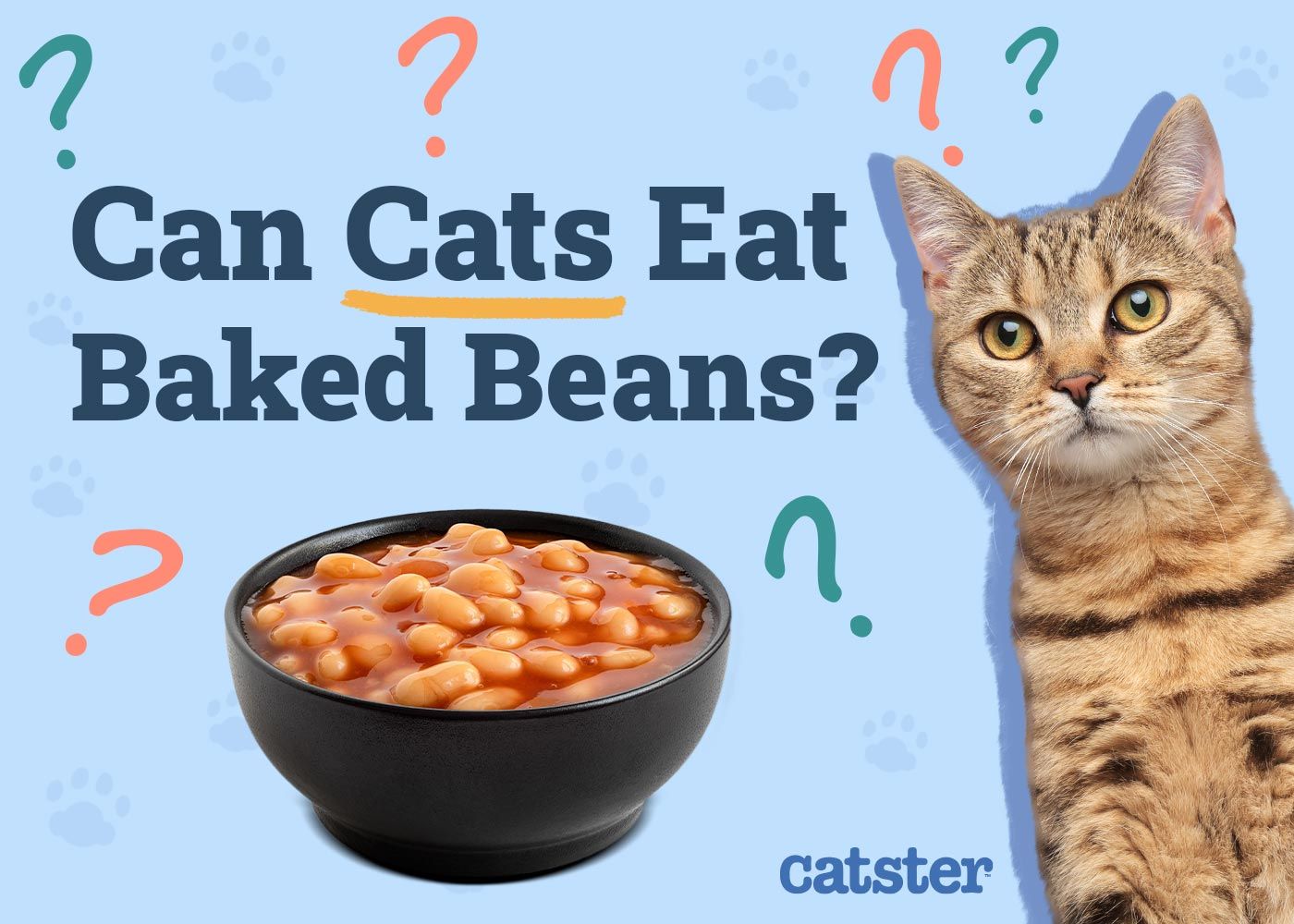
Some kitties are notoriously fussy eaters and others will eat anything in sight. For the latter, almost any food can be tempting, including a warm, delicious bowl of freshly baked beans.
But while some human foods are safe for our feline companions (in moderation), others can be potentially harmful, including baked beans.
Let's take a closer look at why you shouldn't share this traditional dish with your lovable fur baby.

The Nutritional Needs of Cats
Cats are obligate carnivores, which means their bodies are designed to thrive on a diet consisting primarily of animal-based proteins, such as fish and chicken. These are generally easier for cats to digest than plant-based proteins and contain the essential amino acids that they need.
That said, cats also need other types of nutrients to survive including fatty acids, carbohydrates, vitamins, minerals and of course water.

Cats and Carbs
Like all animals, cats need energy to support their normal life activities, and they need even more during certain phases of their life, such as growth, pregnancy, and lactation. Energy can come from carbohydrates, protein and fats. As well as being a source of plant based protein, legumes such as beans are also high in carbohydrates and can provide a source of energy. However, certain peculiarities of cats' digestive systems limit their ability to ferment the fibers found in these plant-based carbohydrates.
Cats and Fibers
Cats do need a small amount of fiber in their diet, and legumes—such as beans—are a good source of fiber.
Fiber in the diet is good for overall gastrointestinal health and can even help obese cats lose weight. According to the National Academy of Sciences, dietary fiber can help manage high blood sugar in older cats. However, too much fiber in the diet can decrease the digestibility of other essential nutrients. Indeed, specific characteristics of cats' digestive systems (such as a relatively small colon) suggest that they are not well adapted to breaking down and utilizing dietary fiber. Always speak to a vet to make sure you are offering your cat a healthy and appropriate diet.
What Are Baked Beans Made Of?
Canned baked beans consist of beans, water, brown sugar, bacon, salt, cornstarch, onion and garlic powder, and other seasonings, spices, and preservatives. Homemade baked beans are usually prepared with white beans and served in tomato or barbecue sauce with spices and seasonings like paprika, onion powder, salt, and brown sugar. Some people add mustard, garlic, onions, bacon, etc.
Both dishes are high in protein but also in carbs, added sugars, and salt.

So, Are Baked Beans Safe for Cats?
While not usually inherently toxic, baked beans are not an ideal food choice for cats due to several reasons and should be avoided.
1. High Sodium Content
Canned baked beans are often loaded with salt as a preservative and for flavor. Cats are not well-equipped to handle excessive amounts of sodium in their diet, which can lead to dehydration and electrolyte imbalances.
2. Harmful Ingredients
Baked beans typically contain other ingredients that may not be suitable for feline consumption. For example, many recipes include onion and garlic, which are highly toxic to cats because they can cause red blood cell damage and anemia.

3. Potential Gastrointestinal Issues
Some cats have sensitive stomachs, and abrupt changes in their diet can cause vomiting, diarrhea, or gastrointestinal discomfort.
What About Homemade Baked Beans?
If you make baked beans and don't include any seasonings, garlic, onions, or other cat-harmful ingredients, you could give your kitty a tiny bite as an exceptional treat. But know that there are safer options for your cat!
Better Alternatives for Cat Treats Than Baked Beans
Commercial cat treats that are made with high-quality ingredients and formulated to meet feline nutritional requirements are readily available in pet stores. These treats are not only safe but also designed to appeal to a cat's taste preferences.
Final Thoughts
While most kitties are curious about human food, it is essential to be cautious before sharing your favorite snack or meal with them. Baked beans—especially canned ones—are not safe options for our feline companions due to their high salt and carbohydrate content, potentially harmful ingredients, and risk of digestive upset. To ensure your feline companion's well-being, focus on providing them with a diet that aligns with their natural carnivorous needs.
When in doubt, always consult with your vet before introducing any new foods to your beloved cat's diet.
Expert cat care, straight to your inbox
News, insights, and useful advice, delivered to you.

No spam — unsubscribe anytime.
By signing up, you agree to our Terms & Conditions and Privacy & Cookies Policy.
How useful was this post?
Click a star to rate. You can leave written feedback afterwards. (We read all feedback.)
Genevieve is both a biologist and a science writer, driven by her deep love for capuchin monkeys, pumas, and kangaroos. Her dedication to wildlife has taken her across the globe, from Bolivia and Guatemala to Canada and Australia, working and volunteering at various rehabilitation centers. As a Canadian living in Argentina, Genevieve starts her days with horses and cows greeting her from the plains outside her home office. She is the proud parent of three rescued dogs—Lemmy, Nala, and Pochi—and an energetic kitten named Furiosa. The opportunity to share her passion and expertise in animal care brings her great satisfaction.