Do Kittens Sleep a Lot? Vet-Reviewed Facts & FAQ


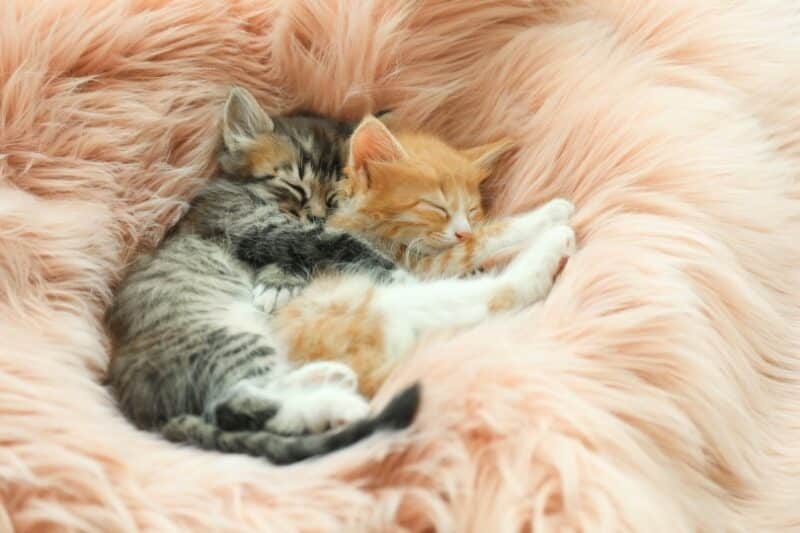
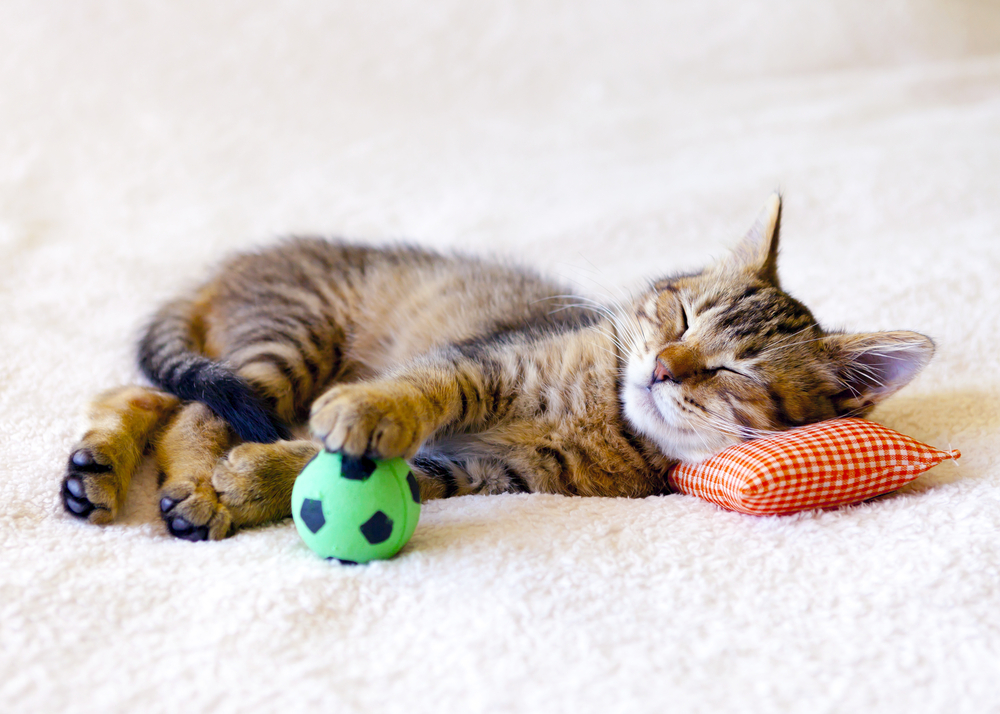
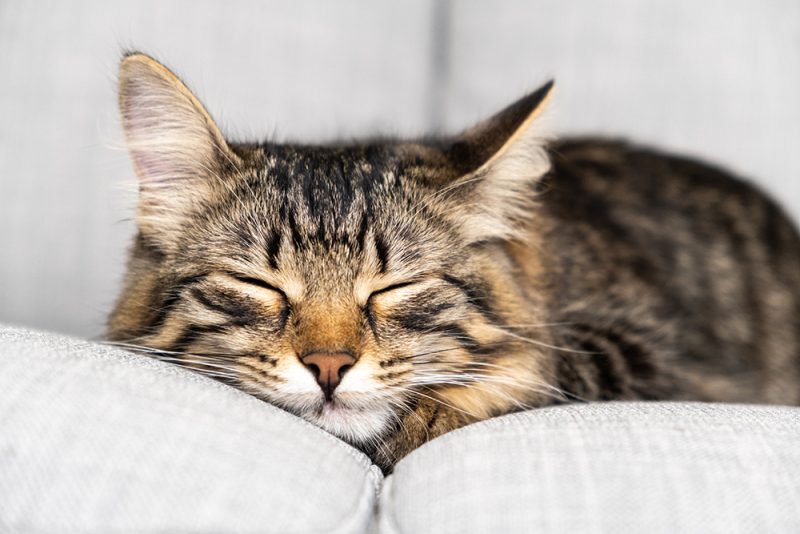
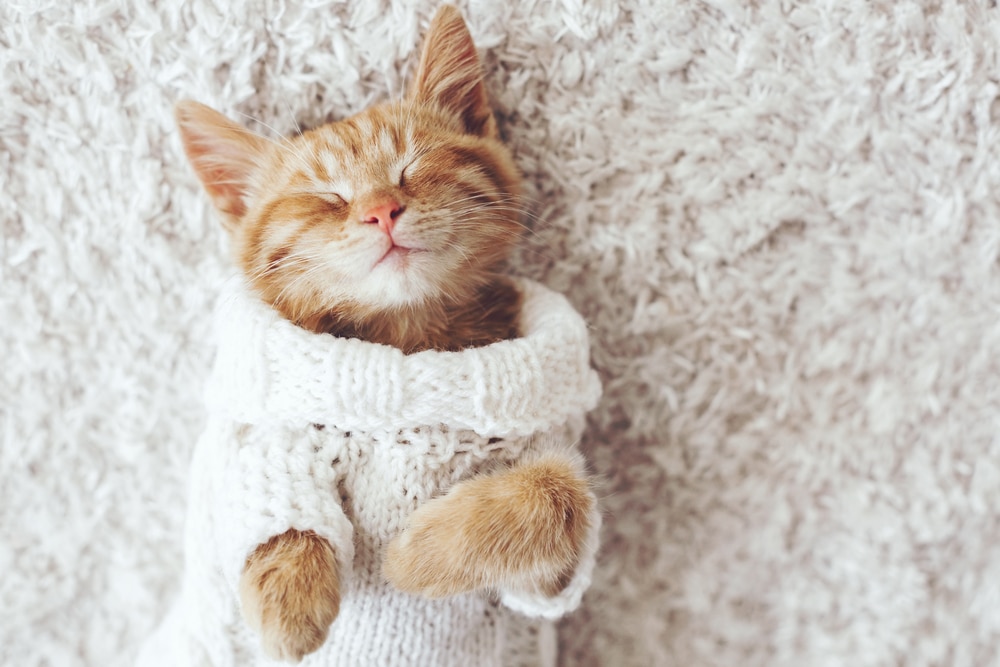
There's nothing quite like the angelic and innocent sight of a sleeping kitten. Kittens of all breeds spend their days learning, growing, playing, eating, and snoozing, and they'll spend the rest of their lives doing these same activities even as adults. Kittens need lots of energy to grow properly to their full potential, and sleep is an integral part of their development.
Kittens need sleep for many reasons, including cognitive and physical development and growth, as well as to ensure they replenish their energy for another day of playing. Because of the massive amount of learning and growing a kitten has to do in their first few months of life, they'll need to sleep for a large portion of their day. The exact length of time a kitten will spend sleeping a day will vary with their age, but we’ll discuss how much kittens sleep and much more here.

How Much Do Kittens Sleep?
Kittens need to sleep a huge amount no matter how old they are, but the length of time differs depending on age. Younger kittens need more sleep since they run out of energy quickly. Neonatal (newborn) kittens will sleep 18 to 21 hours daily, only breaking their slumber to drink their mother's milk.
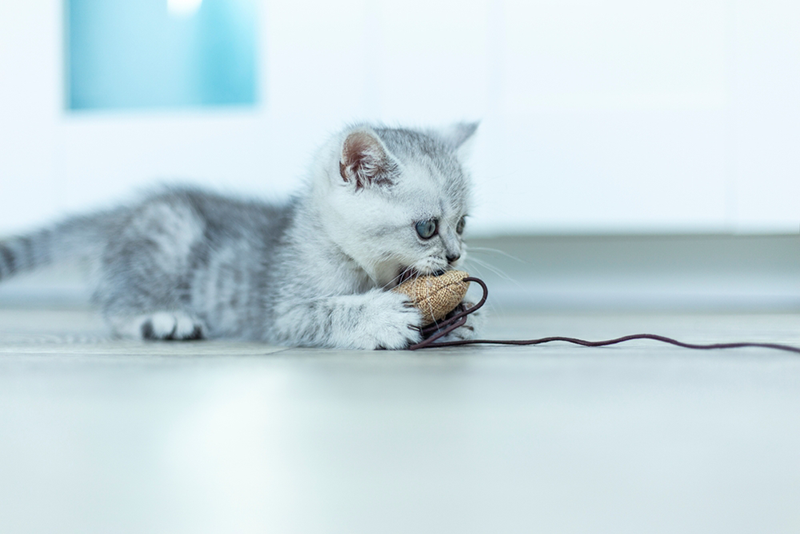
Older kittens are famous for sleeping one minute and charging around climbing the furniture the next, and that's because they gather their energy while asleep to discharge it in manic (but very purposeful) ways when they're awake. Lots of energy is needed to grow and develop, so small kittens need to sleep more than older cats because they expend so much of it in such a short time.1
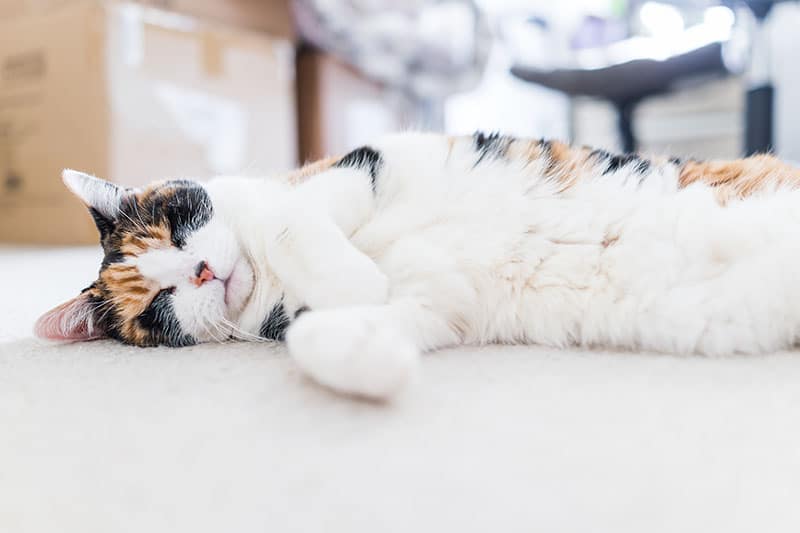
Cats are known to be sleepy animals at any age, and even fully grown cats will sleep for an average of 12 to 16 hours a day. Older cats are also more likely to sleep for a similar amount of time that kittens do, but this is usually due to cognitive decline and illness or other conditions, meaning they have less energy.

Is It Normal for My Kitten to Sleep All Day?
Kittens need to sleep for a large portion of their day, so it's not unusual to think your kitten is sleeping all day! If your kitten is very young, such as if you own the mother and the kittens are less than 8 weeks old, they must sleep all day. Kittens around 3 months old need less sleep, as they're transitioning from newborn to juvenile sleeping patterns, but they'll still sleep for around 18 hours a day.
Sleeping a lot is normal, but your kitten should be bright and alert when they are awake. Kittens are curious and learn through exploring their world, so your kitten should be moving around, exploring, and generally active when they're not sleeping. If your kitten is lethargic when they're awake or don't seem to be waking at all, there may be something wrong that needs veterinary attention.
Why Is My Kitten Sleeping More Than Usual?
Despite your kitten sleeping for most of the day, they should still be energetic and interested in the world around them when awake. Kittens should never be lethargic or difficult to rouse, as they are either asleep and recharging their energy or awake and moving about. If your kitten is lethargic, something is wrong, and they could be sick.
The cause of your kitten's lethargy could be an infection, illness, or even parasites (fleas in particular). If the kitten is young, sudden lethargy could be a sign of fading kitten syndrome.

Fading Kitten Syndrome
If a kitten becomes lethargic and unresponsive, fading kitten syndrome could be to blame. Many factors can cause fading kitten syndrome, and it's most commonly attributed to kittens that "fail to thrive" and die before they wean from their mothers at 8 weeks old.
Young kittens are vulnerable and rely on their mothers for everything.
They cannot control their temperatures or blood sugar levels and are susceptible to hypothermia and hypoglycemia. A tiny kitten that misses one meal or gets too cold can become so lethargic that they can't move or wake, meaning they’ll die without aid. Fading kitten syndrome can also be caused by physical factors such as deformities, low birth weight, or poor mothering by the queen.
Reasons for a Lethargic Kitten
As we've discussed, kittens sleep lots but should never be lethargic. Your kitten should be fully awake after they've slept; if you notice they still seem tired or uninterested after they've slept, you need to take them to the vet for an examination. Common causes of lethargy in kittens include:3
- Infections
- Anemia
- Hypoglycemia (low blood sugar)
- Dehydration
- Poisoning
- Poor nutrition
Anemia is an important point to discuss since older kittens and cats of all ages can become lethargic and even die if they don't have enough blood or red blood cells to sustain their organs. Anemia is a lack of red blood cells; in kittens, it's often due to fleas. Flea anemia is caused by a large flea infestation, as these pesky creatures will take too much blood from the kitten, leading to dehydration, weight loss, lethargy, and pale gums and eventually, killing them. If you notice fleas on your kitten, it's essential to take them to your vet for an age-appropriate flea treatment, as kittens don't have much blood to spare!

How Can I Help My Kitten Sleep Better?
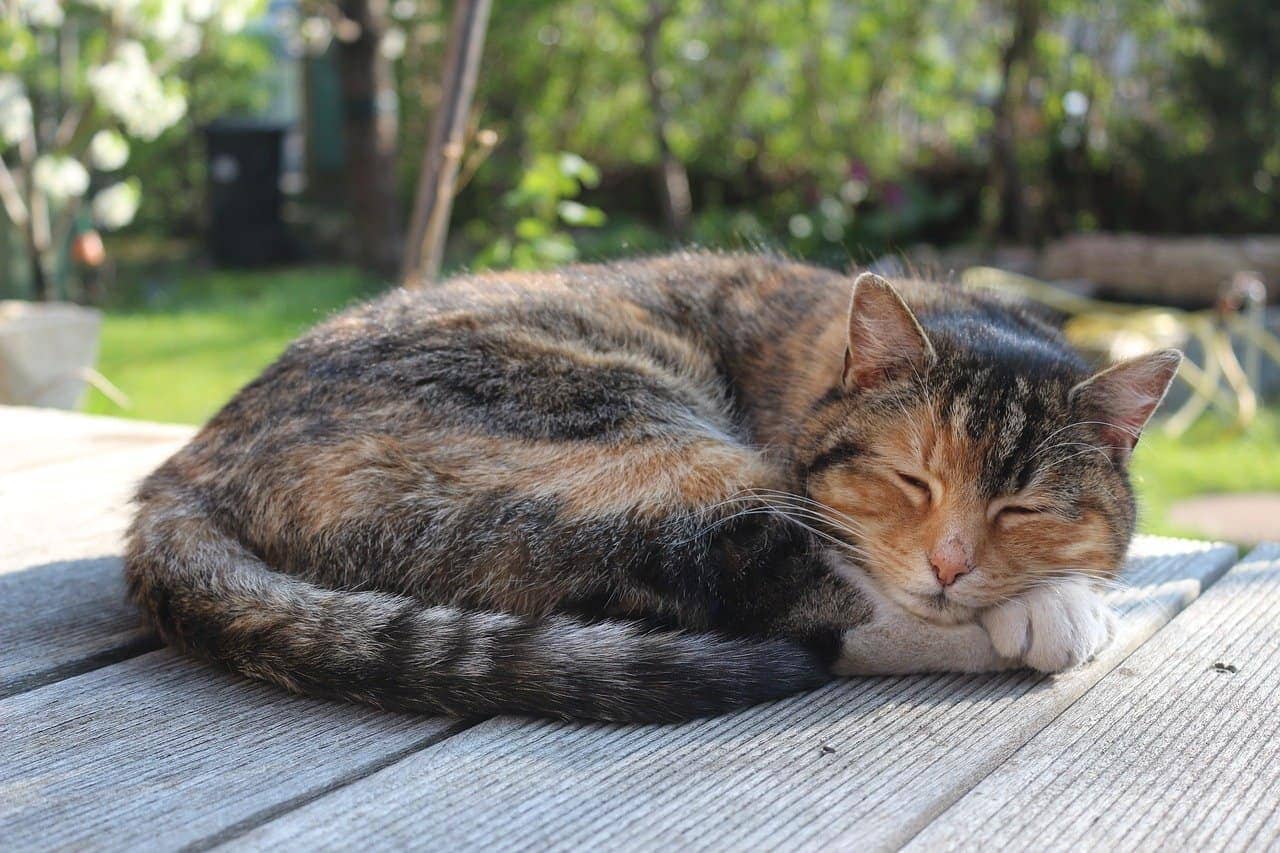
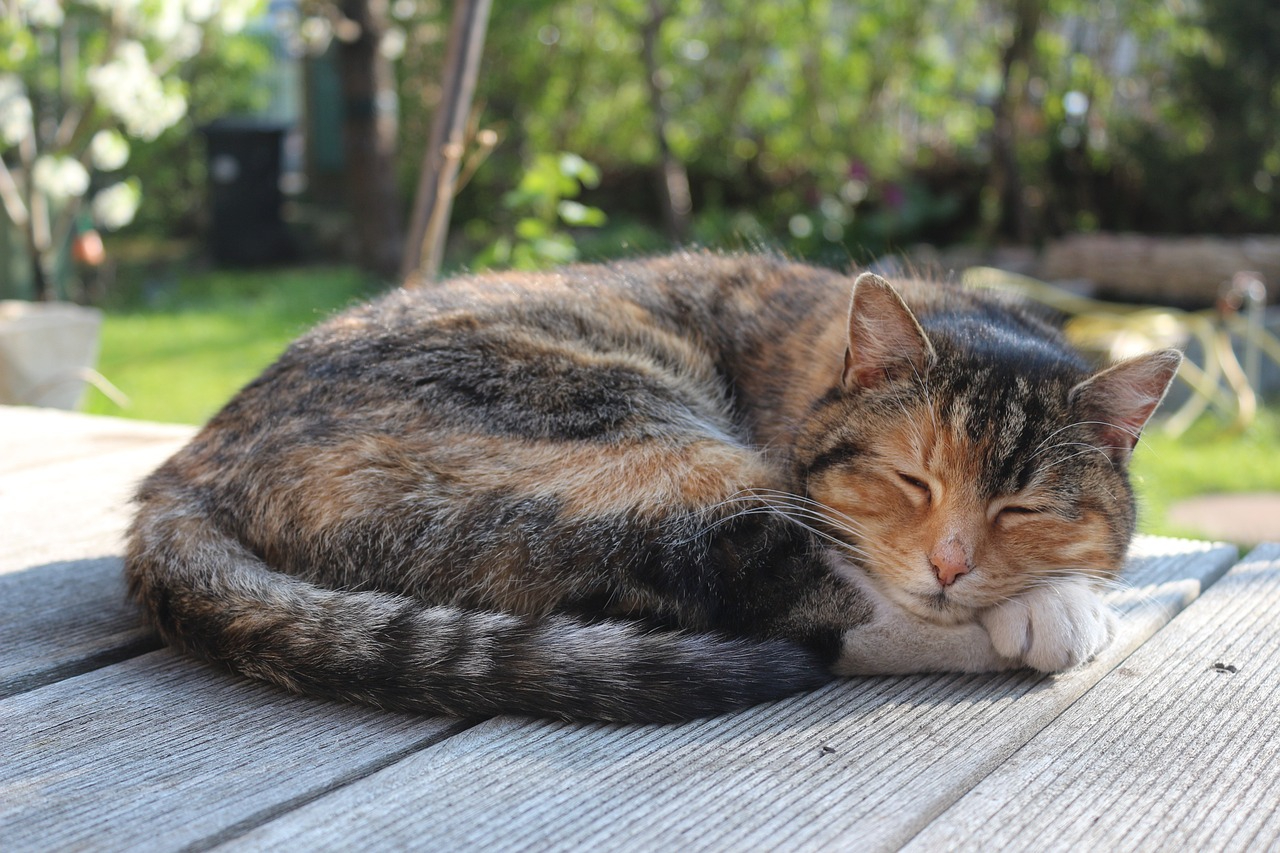
Kittens can fall asleep almost anywhere, including on windowsills, inside shoes, and even in their food bowl! However, you might see a pattern emerging as they get older. Cats sleep in short bursts that usually last around 30 minutes, but kittens sleep for longer and can wake full of energy during the night. Kittens entering juvenile states will likely start trying to play with you or get your attention during the night, which can be frustrating for owners.
Giving your kitten a designated place to sleep from the time you bring them home can help them understand where it is appropriate to sleep. Dark, warm, quiet spaces are best for this, as your kitten will naturally relax and feel at ease. Engaging your kitten in enriching and exciting play before you go to bed can also help to tire them out (if they're awake), meaning they're less likely to want to play in the middle of the night.
Lastly, if you get woken up by your kitten at night, try not to interact with them. Check if they are okay and have everything they need, then go back to sleep. If you interact with them, they'll learn that waking you gets them attention; if you ignore them, they'll likely give up after a few attempts.
Is there anything better than a happy cat? We don’t think so—that’s where the Hepper Nest Bed comes in.

- COMFY KITTY - Your cat or kitten will have an amazingly deep sleep in this self warming, nesting cat bed. The warm, fluffy cat bed lining provides calming stress relief for cats of all ages.
- PRETTY HOME - This round cat bed has a modern and unique design that’s perfect for a sleek indoor look. We don’t think of it as cat furniture but think of the Cat Nest as a “cat home”.
- SPACE SAVER - Reclaim your desk, window sill, or couch from kitten encroachment. This calming nest cat bed has an elevated, space-saving hideout so comfortable your kitty can't resist!
This product was designed with both your and your kitty's happiness in mind. While the comfortable bowl shape and wide lip to rest their heads on are ideal for sleepy kitties, you’ll appreciate the removable and machine-washable fleece liner for easy cleaning. It doesn’t get any better than this! Click here to try it out.
At Catster, we’ve admired Hepper for many years and decided to take a controlling ownership interest so that we could benefit from the outstanding designs of this cool cat company!

Final Thoughts
Kittens sleep for most of the day starting from when they're first born, when they can sleep over 20 hours, to around 3 months old, when it reduces to about 18 hours. Sleeping is vital for kittens, as they have an extraordinary amount of growing to do in a short time, which requires lots of energy. So, it's unlikely that a kitten will sleep too much, but kittens should be aware and alert when awake. If your kitten is lethargic and sleepy after a nap, take them to the vet for a check-up.
Sources
https://www.vets4pets.com/pet-health-advice/cat-advice/kitten/a-guide-to-kitten-sleeping-habits/
https://www.petmd.com/cat/behavior/why-do-cats-sleep-so-much
https://icatcare.org/advice/helping-your-new-cat-or-kitten-settle-in/
https://www.feliway.co.uk/blogs/news/how-to-train-a-kitten-to-sleep-at-night
Featured Image Credit: New Africa, Shutterstock

Expert cat care, straight to your inbox
Vet-reviewed advice, behavior tips, and the best of Catster. Free, and you can unsubscribe anytime.
By signing up, you agree to our Terms & Conditions and Privacy & Cookies Policy.
Christian started writing for a local newspaper as a teenager, and he's been involved in the publishing industry for most of his adult life. Combining his love of writing with a passion for animals, he is currently the Director of Editorial at Pangolia and the Editor-in-Chief at Catster.
Christian lives in the Philippines with his wife, son, and four rescue cats: Trixie, Chloe, Sparky, and Chopper.
Join the conversation
Ask a question, share your story, or send private feedback.