Can Cats See Fire? Explaining Feline Vision & FAQ



Cats have long fascinated humans with their enigmatic behaviors and extraordinary senses. We are often told that cats have superior senses compared to us, enabling them to perceive the world in a unique way.
One intriguing question that often arises is whether cats can see fire. In short, yes, they can! However, due to the differences in the anatomy of cats' eyes compared to human eyes, they do not see it the same way that we do.
Read on as we delve into the fascinating world of feline vision to explore just how cats see fire!

How Do Cats See?
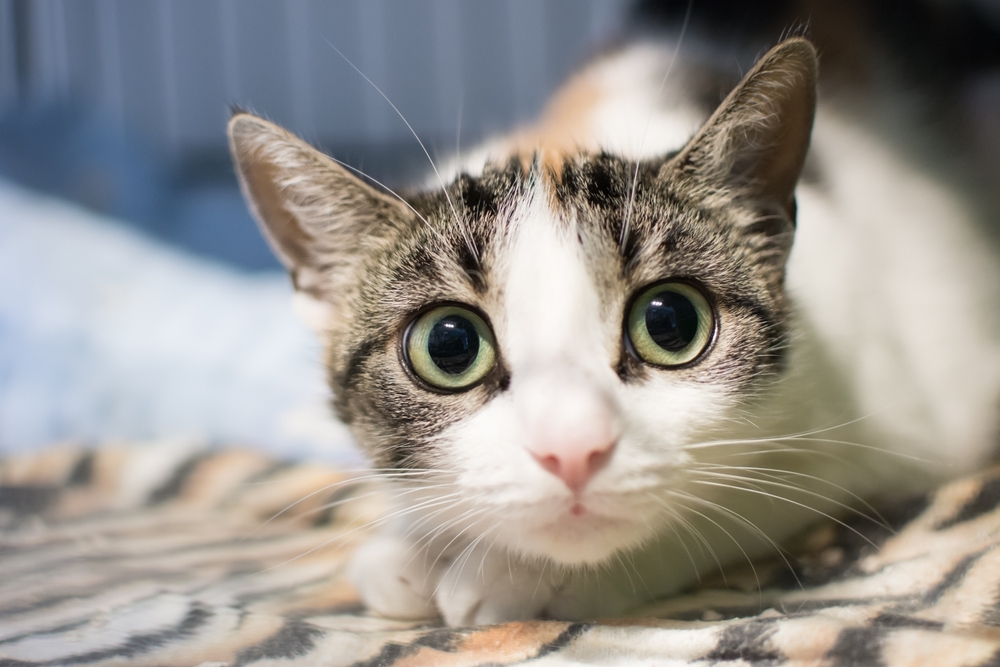
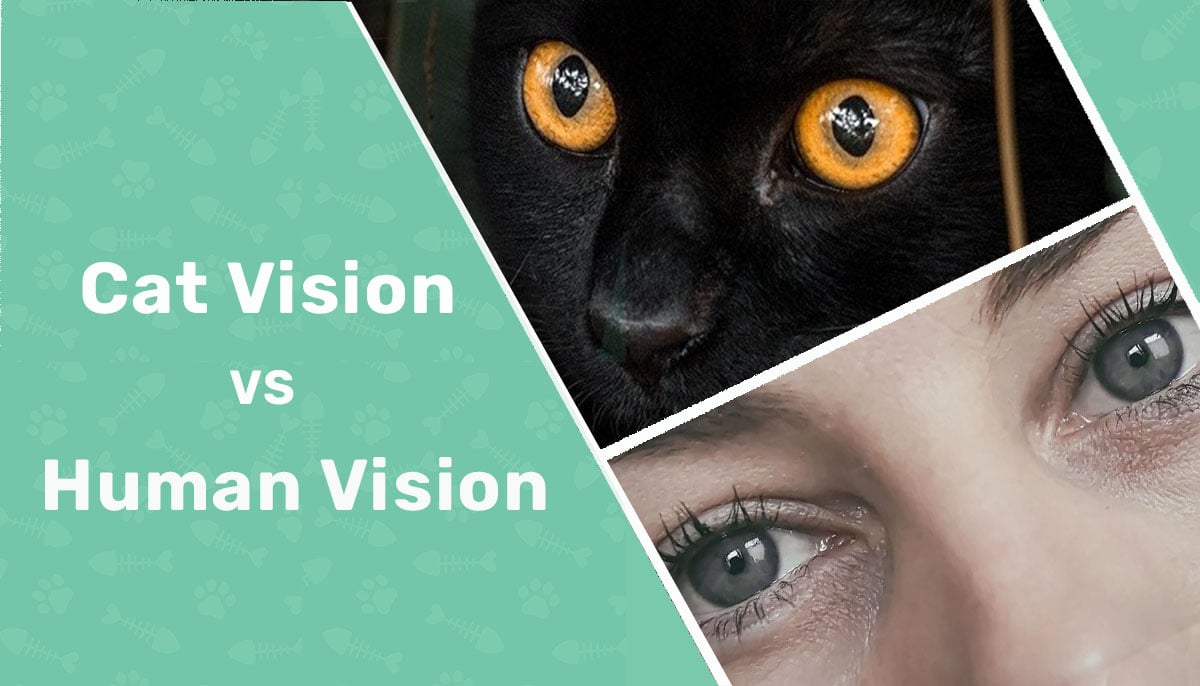
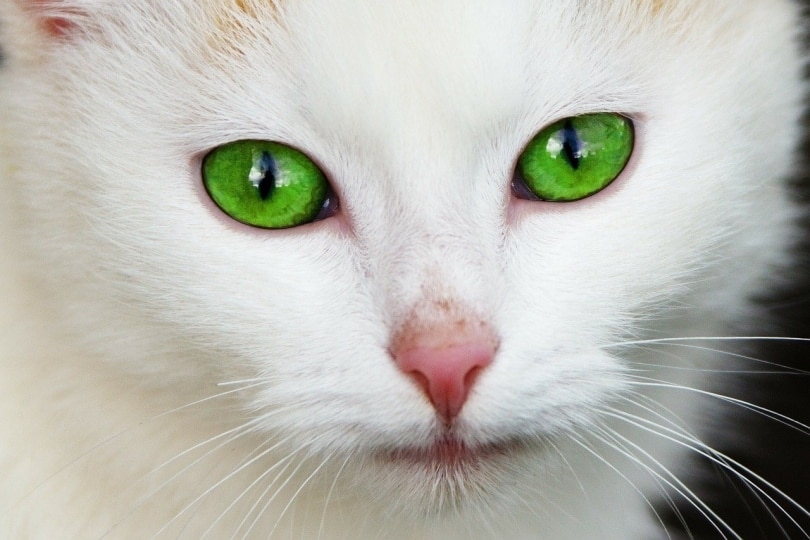
To understand how cats perceive the world around them, we must first explore their unique visual abilities. Cats possess some remarkable features in their eyes that contribute to their exceptional vision. The size and shape of a cat's eye are different from a human's, as it has a larger cornea and pupil, which enables more light to enter.
The tapetum lucidum, a reflective layer located behind the retina, enhances their night vision by reflecting light back to the retina. This reflective layer also gives cats their characteristic "eye shine" in the dark. In addition, cats are crepuscular animals, meaning they are most active during dawn and dusk. Their vision is adapted to thrive in low-light conditions, making them excellent hunters.
These characteristics make their visual system different from humans in a variety of ways.

Do Cats See Better Than Humans?
While cats have superior night vision compared to humans, their visual acuity is not as sharp. The photoreceptors are the light-sensitive cells in the retina. There are two types of photoreceptors: cones and rods. Humans generally have better color vision due to having a greater number of cones, since these are responsible for color vision. Conversely, cats have a higher number of rod cells, which are responsible for detecting movement and seeing in low-light conditions.
To summarize, humans have the advantage during the day while cats have better vision at night. This does not necessarily mean cats have poor vision during the day, but it merely highlights the fact that cats can see much better in the dark.
Can Cats See Fire?
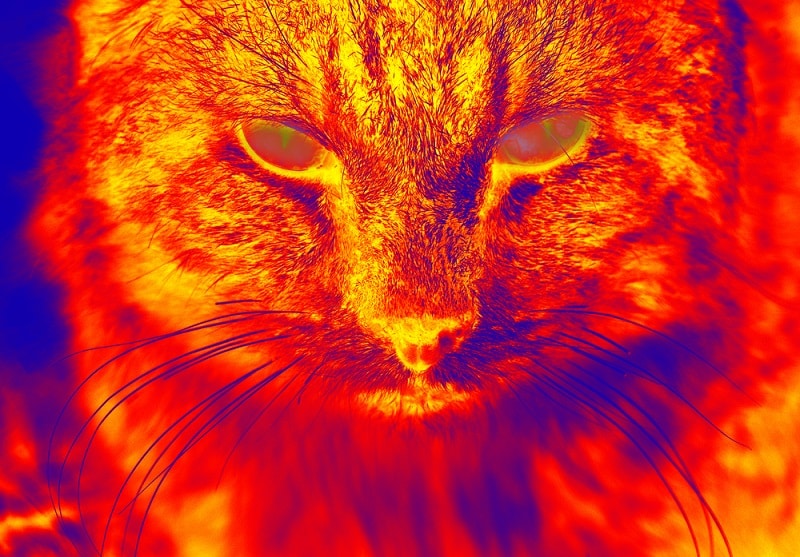
When it comes to perceiving fire, cats do not see it in the same way as humans. Cats have been found to have three different types of cones, as humans do. However, their color vision is not thought to be the same, and while they are considered to clearly differentiate between greens and blues, reds are less clear.
As a result, cats see a more limited range of colors and probably see fires in a different color compared to humans. However, they can still perceive the flickering flames and moving objects associated with fire.

How Do Cats See Fire?
As natural hunters, cats tend to remain vigilant and aware of their surroundings. Their ability to detect movement and their sensitivity to changes in light make them quite observant when it comes to fire.
Although the colors of flames may not be as vivid to them, the flickering and brightness of fire can capture their attention. The unpredictable nature of flames could trigger their innate hunting instincts, making fire an intriguing phenomenon for cats to observe.
Can Cats Sense Fire?
Although cats cannot directly sense fires, they possess an acute sense of smell that is far more sensitive than that of humans. In some cases, cats have been reported to detect smoke or other signs of danger before humans do. Their acute sense of hearing can also play a role in sensing the signs of fire from the unusual sounds they may hear.
Their behavior, such as restlessness or vocalization, may provide subtle cues that they are experiencing or picking up something unfamiliar, allowing their human companions to take timely action.

What Do Cats Do in a House Fire?
In the event of a house fire, cats may react in various ways. Some cats may hide in fear, seeking shelter in hard-to-reach places, while others may try to escape the danger.
As hunters, cats have incredible survival instincts and awareness. They have been known to have an extraordinary sense of self-preservation, and their agility enables them to navigate dangerous situations more adeptly than humans.
However, understand that not all cats are the same, and each may respond in various ways. In the unfortunate event of a house fire, be sure to remember to bring your cat with you during the evacuation process!
Do Cats Have Night Vision?
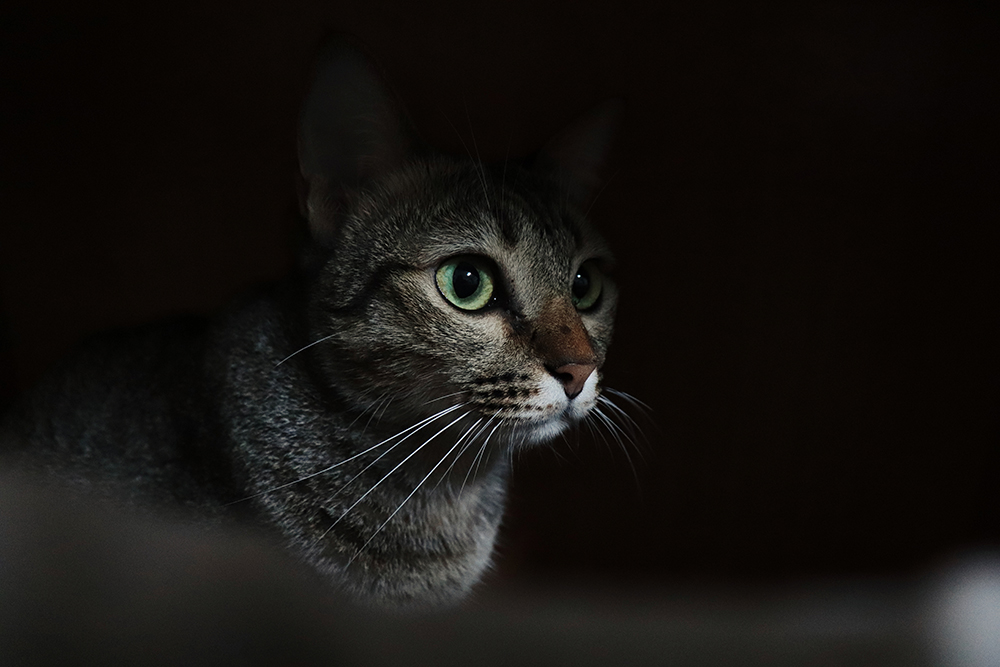
Yes, cats do have exceptional night vision! Their eyes are specially designed and well-equipped to handle low-light conditions. The tapetum lucidum reflects incoming light back to the retina, giving their photoreceptor cells a second chance to detect it.
Their natural hunting instincts, paired with the anatomy and physiology of their eyes, enhance their ability to see in the dark, making them skilled nocturnal hunters.

Common Medical Conditions That Affect Cats’ Eyes
While there are structural differences between cat eyes and human eyes, cats are susceptible to various eye conditions in the same way that humans are. Common problems include conjunctivitis, corneal wounds, uveitis, glaucoma, retinal diseases, and cataracts. These conditions can affect a cat's vision and overall eye and general health.
Remember, cats rely on their senses to perceive the world around them, so any visual problems will make it difficult for your cat to navigate the world. If you notice any abnormalities or changes in your cat's eyes, it is important to immediately consult a veterinarian for proper diagnosis and treatment.
Final Thoughts
While cats have remarkable visual abilities, the way they see fire differs from that of humans. They may not see the vibrant colors or intricate details of flames, but they are highly sensitive to movement and changes in light. In addition, their visual prowess and keen senses make them intriguing observers of this natural phenomenon.
Cats may not see the same way as humans, but their ability to detect movement, sensitivity to changes in light, and exceptional night vision still enable them to explore and enjoy the world around them!
Sources
Featured Image Credit: Fire-n, Shutterstock

Expert cat care, straight to your inbox
Vet-reviewed advice, behavior tips, and the best of Catster. Free, and you can unsubscribe anytime.
By signing up, you agree to our Terms & Conditions and Privacy & Cookies Policy.
Christian started writing for a local newspaper as a teenager, and he's been involved in the publishing industry for most of his adult life. Combining his love of writing with a passion for animals, he is currently the Director of Editorial at Pangolia and the Editor-in-Chief at Catster.
Christian lives in the Philippines with his wife, son, and four rescue cats: Trixie, Chloe, Sparky, and Chopper.
Join the conversation
Ask a question, share your story, or send private feedback.