Why Does My Cat Paw at Smooth Surfaces? 5 Vet Reviewed Reasons


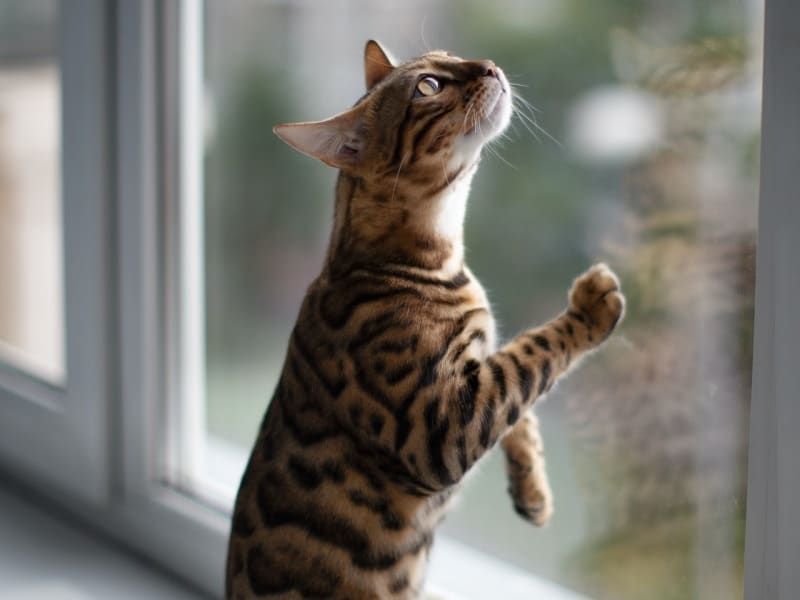
As you know, cats love to explore and get into all kinds of trouble doing so. Their curiosity is one of the things we love most about them, but pouncing on that weird bug or chasing that dangling string can lead to some pretty funny moments.
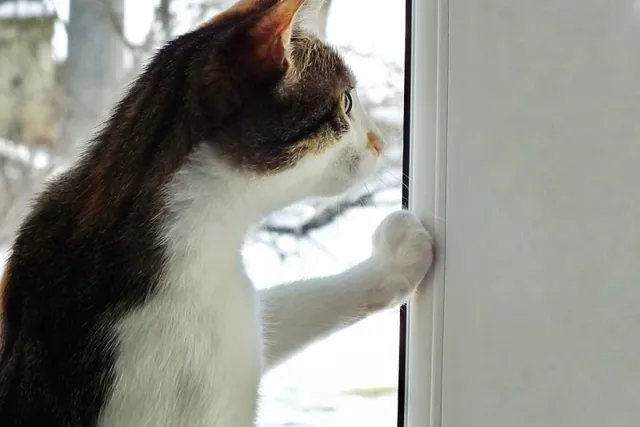
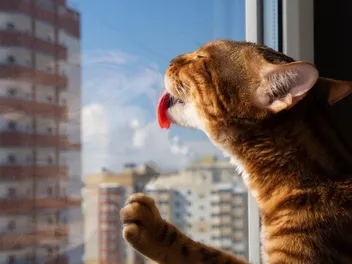
Sometimes, they also do some pretty weird things that we might not understand. For instance, why does your cat paw at smooth surfaces like windows? It’s a question many cat owners ask, but there are actually several answers. Here are the most common reasons why cats paw at smooth surfaces.

The 5 Reasons Why Cats Paw at Smooth Surfaces
1. It Feels Good
Your cat might paw at a smooth surface like a window just because it feels good. Cats have many different types of nerve endings on their paws, from which they can experience all sorts of sensations. When they paw at a smooth surface, it might feel good or soothing, so they do it again and again.

2. They’re Marking Their Territory
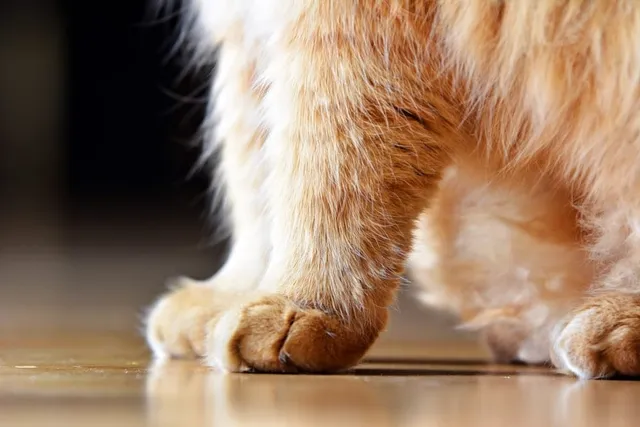
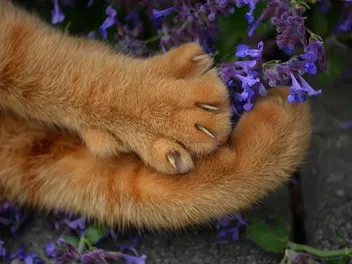
Cats have scent glands on their paws, which they can use to leave a scent behind wherever they go. They’re often marking their own territory or letting other cats know to stay away from scent markings, but they can also use them to mark safe areas in their territory.
If your cat paws on smooth surfaces in your home like a window, a door frame, or even your furniture, they could be leaving a scent. It’s not uncommon for cats to do this, but it’s also something that can be easily fixed with a quick cleaning. You can clean the surface that the cat has marked with an all-purpose cleaner, diluted vinegar water, and a paper towel. Although many would argue that cleaning such marked areas may not be necessary and, in fact, may only further spur your cat to repeat the process.
3. They Can See Their Own Reflection
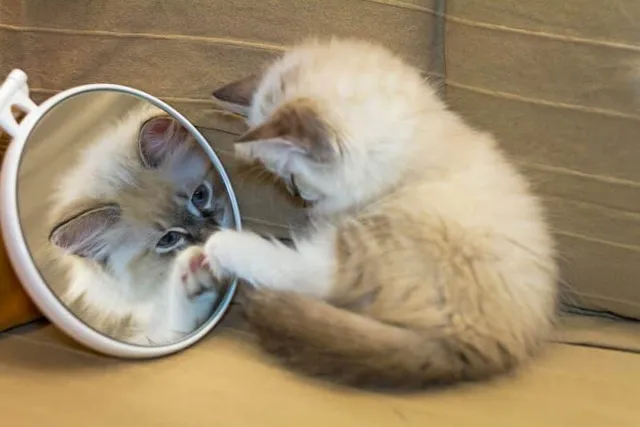
Some cats paw at windows, mirrors, or other reflective surfaces because they can see their own reflection. If a cat can see her own reflection in a window or other surface, she might be pawing at it to get a better look at herself or in an attempt to get to the cat they see in the reflection.

4. They’re Trying to Get Your Attention
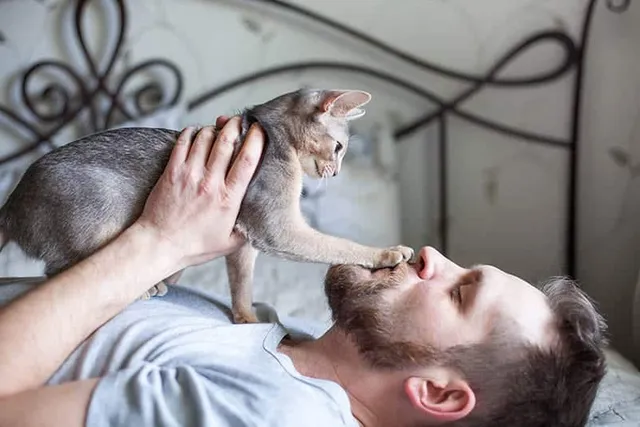
It can be hard for cats to get our attention sometimes. They’re not as verbal as we are, so they often resort to pouncing, meowing, and other attention-seeking behaviors. Pawing at smooth surfaces or even your hair or clothing while you’re trying to work could be your cat’s way of asking for your attention.
You might notice this most frequently when they’re hungry, but it’s worth checking in with your cat if they do this often. Sometimes, they could just need some love and attention. Cats are highly social animals, and they crave attention just as much as we do. If you don’t give them what they need, they might try to get your attention in other ways. If you think your cat is overly clingy, you can ask a veterinarian how to approach this behavior.
5. There’s Something There
Sometimes, there is something there, even if it’s not what your cat expects. Cats are notoriously curious, and they’re likely to get into anything they can. If they paw at a window or at another surface, they could be trying to get to something they see on the surface, like a sticker or a piece of paper. Or, they could smell or hear something below or behind the surface that humans can’t.
How to Prevent Your Cat From Pawing at Smooth Surfaces
While it is not dangerous for your cat to paw on smooth surfaces, you might want them to stop this habit. For example, if you have things on the windowsill that your cat could knock over, you do not want them pawing there. Standing mirrors could also pose a hazard. Here are some things you could try:
- Restrict their access to mirros. Mirrors are commonly found in bathrooms and bedrooms. Consider keeping the door shut if you want to keep your cat away from them.
- Put tin foil on your windowsill. Granted, this is not going to LOOK pretty, most cats might not like the feel of tin foil under their feet. Having a sheet of foil on the windowsill may help keep cats off them.
- Close the shades or curtains. If your cat loves pawing at windows and you might it a bit distracting, close the shades or blinds. But keep in mind that some cats might enjoy scratching at curtains, so keep your eye on them. This might not be the best option for some cats.
- Use a cat-safe deterrent spray. Most cats are not a fan of citrus so this is why a lot of cat-deterrent sprays are citrus-scented. A few spritzes near windows and mirrors might help steer your cat in the other direction. Avoid using essential oils as a way to deter cats from an area as some oils contain toxic ingredients. Always look for something cat-safe. If you have any concerns, ask your vet for advice on what to get.
- Get them a scratcher. By giving your cat something else to paw on, they might start to lose interest in mirrors and windows.
Cats are intriguing animals who sometimes have odd interests and indulge in unusual behavior. Understanding them might be tough but providing a toy that fosters their instinctual needs and curiosities is simple.The Hepper Hi-Lo Cat Scratcher encourages playtime and offers a cat-appropriate place to scratch.
It’s unique 3-position design and cardboard scratch pad allow your cat to explore different levels, improves their health, satisfies natural feline impulses, and deters your cat from delving into places they should not. Show your cat how much you love and appreciate their quirks by gifting them the Hepper Hi-Lo Cat Scratcher.
At Catster, we’ve admired Hepper for many years, and decided to take a controlling ownership interest, so that we could benefit from the outstanding designs of this cool cat company!
Conclusion
Cats love to explore and get into mischief, and when they do, it can lead to some pretty funny and confusing moments for their owners. Pawing on smooth surfaces can be a sign of several different things, but it’s almost always harmless.
It’s important to check in with your cat to see if there are any underlying causes for why they might be doing this. It’s also worth noting that excessive pawing or pouncing can be a sign of anxiety in cats. If your cat is doing it a lot, it might be a good idea to talk to your vet about it.
See Also:
Why Does My Cat Cross Their Front Paws? Does This Mean They Feel Relaxed?
Why Does My Cat Paw Under The Door? The Reasons For This Behavior
Featured Image Credit: Vikki, Pexels
Expert cat care, straight to your inbox
News, insights, and useful advice, delivered to you.

No spam — unsubscribe anytime.
By signing up, you agree to our Terms & Conditions and Privacy & Cookies Policy.
How useful was this post?
Click a star to rate. You can leave written feedback afterwards. (We read all feedback.)
Christian started writing for a local newspaper as a teenager, and he's been involved in the publishing industry for most of his adult life. Combining his love of writing with a passion for animals, he is currently the Director of Editorial at Pangolia and the Editor-in-Chief at Catster.
Christian lives in the Philippines with his wife, son, and four rescue cats: Trixie, Chloe, Sparky, and Chopper.