Can Pregnant Cats Have Catnip? Vet-Verified Risks & Safety Guide

Catnip is an herb with a wide variety of uses and is most well-known for the strange behavior that it causes in cats. While it’s harmless and non-addictive to cats of all ages, including nursing felines and kittens, giving catnip to your pregnant cat isn’t recommended. Catnip can sometimes act as a uterine stimulant and result in premature labor.
Despite not being recommended for pregnant cats, catnip is safe for nursing felines, and kittens do not react to it. This guide will teach you more about catnip, what it is, and its suitability for kittens and pregnant cats.

What Is Catnip?
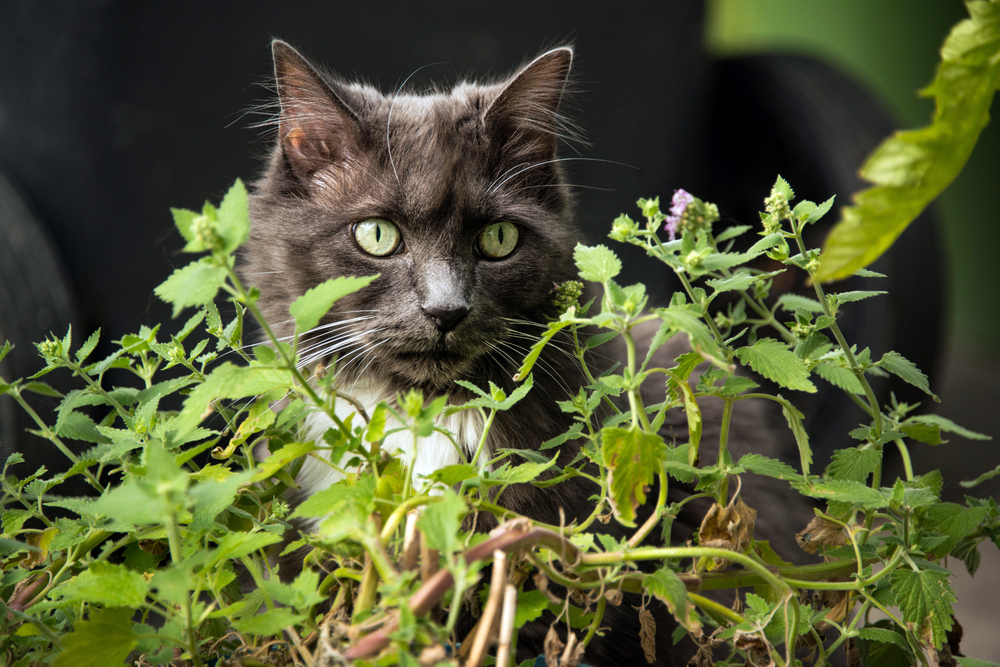
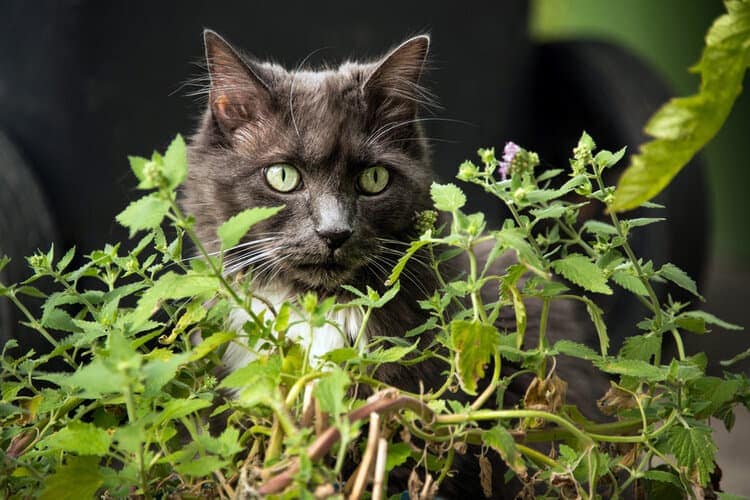
Catnip is a non-toxic herb in the mint family. Also known as catmint, field balm, catswort, or Nepeta cataria in Latin, it’s a plant with heart-shaped leaves native to Europe, Africa, and Asia. While it’s often considered a weed in the U.S.A., it has a variety of health benefits, though it’s best known for inspiring a range of strange behaviors in cats.
The reaction it causes in cats is due to the chemical nepetalactone, an essential oil of this plant that is also a natural insect repellent. Nepetalactone mimics feline sexual pheromones that cats are attracted to—this is why they love catnip so much.
Can Pregnant or Nursing Cats Have Catnip?

Catnip might not be harmful to cats, but allowing your pregnant cat access to it isn’t recommended. If your female cat is susceptible to hyperactive behavior brought on by a reaction to catnip, they might injure themself during their euphoric episode. This can risk the health of your cat and her unborn litter.
The biggest issue posed by catnip to pregnant cats, however, is that the herb can stimulate the uterus to contact, which can induce labor. If she’s given free access to catnip, your pregnant cat might deliver her litter prematurely, which can be dangerous for the kittens. It’s safe to give catnip to nursing queens. It won’t harm them or their kittens.
But we do not recommend giving catnip to your nursing female cat; the risk of her not attending to her kittens is unnecessary. This is especially true if the kittens are newborns, very fragile, and need their mom’s constant attention and help to thermoregulate.
Can Kittens Have Catnip?
Catnip is safe for cats of all ages because it is non-toxic, natural, and non-addictive. You could give it to kittens, too, although they will not react to the herb. They might grow into adults who love the stuff, though.
Kittens only become susceptible to the effects of catnip as they reach sexual maturity and usually start to show a reaction between 6 months to 1 year old. Some kittens might show a reaction earlier, but it’s not common.
How Does Catnip Affect Cats?
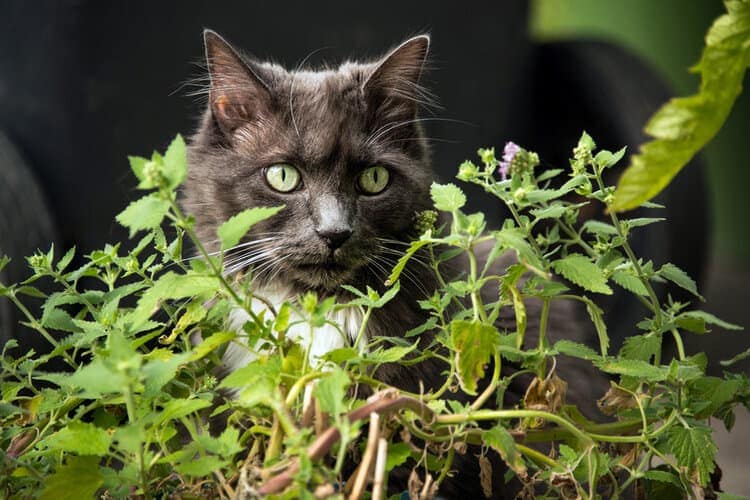
We’ve all heard funny tales of cats high on catnip. It’s an herb that most cat owners have tried at least once just to see what strange behavior their cat might exhibit. However, not all cats react the same way when they’re around the herb.
Aggression
Sometimes, catnip results in aggression. This isn’t a common reaction, but it’s a good reason to supervise your cat when they’re around catnip, especially if you have two or more cats. Introduce your cats to catnip individually to make sure they don’t have an aggressive response. If they do, it’s better to avoid catnip altogether.
Disinterest
Catnip only affects about 60% of cats, and some don’t react at all. A cat's genes are behind the lack of or susceptibility to reaction to catnip. Some cats don’t inherit the gene necessary for a reaction with catnip.
Cats also become temporarily immune to the effects of catnip for an hour or two following their “high”. While the effects of catnip only last for a few minutes, your cat won’t be susceptible to another high for a while. Removed the last sentence here.
Euphoria and Hyperactivity
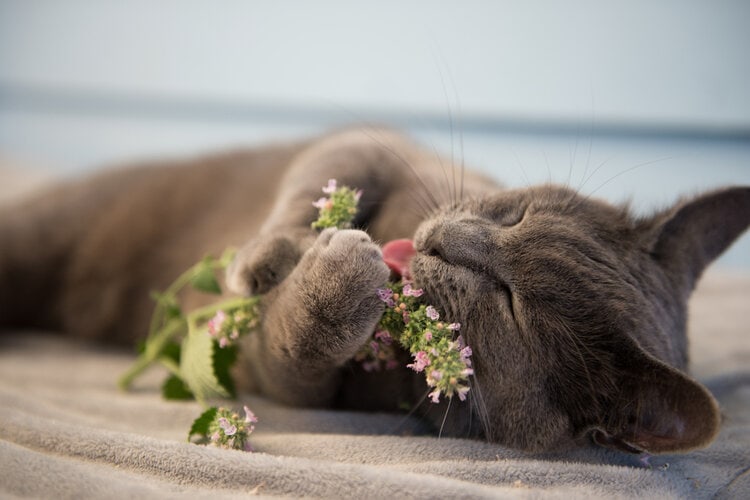
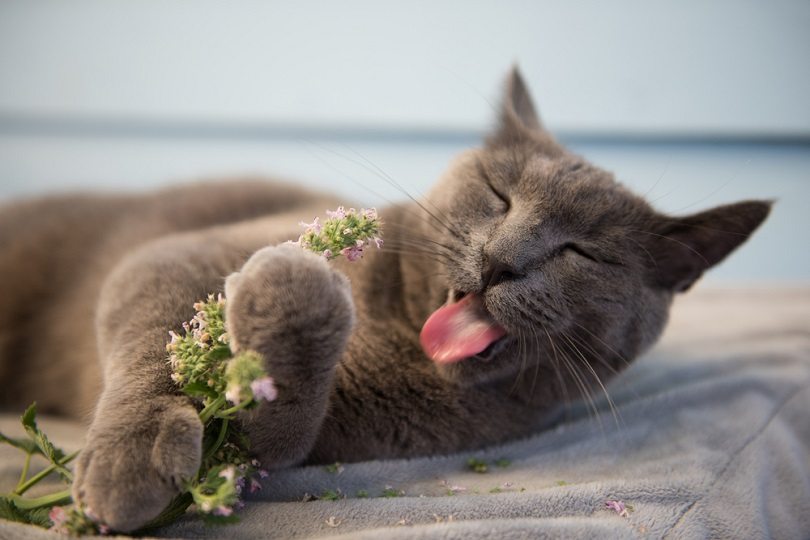
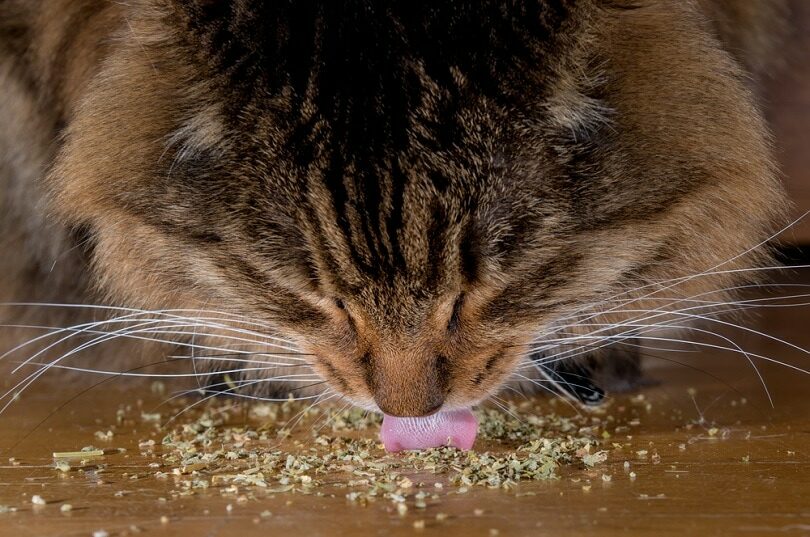
The most common reaction—and the funniest—is euphoria and hyperactivity. Cats that are susceptible to the herb often act strange for the 5–15 minutes that their catnip high lasts. They seem to really enjoy the sensation as they rub their cheeks and chins and intensely sniff or lick the catnip. They’ll roll around, meow, race around the house, or play for a while before curling up for a nap as if nothing happened.
Sedation
For some cats, especially when they eat the plant or the dried leaves instead of inhaling it, the result of exposure to catnip is a light sedation. While you might be looking forward to seeing your cat’s hyperactivity, they might surprise you by nibbling on a few of the leaves and then promptly curling up to go to sleep.
Catnip also has a sedative effect on dogs and can be used to help with anxiety in some canines.
Vomiting and Diarrhea
Cats aren’t likely to overdose on catnip, but if they eat too much of it, this might upset their stomach. Since it’s not toxic or addictive, catnip won’t cause a fatal reaction. Most cats are also good at knowing when enough is enough. They’re likely to ignore the plant once they’ve gotten their fill rather than eat too much.
If they are fed too much catnip, they can suffer from vomiting and diarrhea, but these signs should pass on their own once the catnip is out of their system. You can help by limiting your cat’s access to the herb and monitoring playtime
Conclusion
Ordinarily, catnip isn’t harmful to cats. It’s safe for all ages, even if some cats don’t react to its effects. However, catnip can be dangerous when given to pregnant cats. It can be a uterine stimulant and could cause your pregnant cat to go into premature labor. This could lead to miscarriage or the kittens being born underdeveloped.
To be safe and ensure the health of your cat and her kittens, steer clear of catnip until the pregnancy is over and the kittens are independent of their mom.
Featured Image Credit: fabiansaragoza, Pixabay

Expert cat care, straight to your inbox
Vet-reviewed advice, behavior tips, and the best of Catster. Free, and you can unsubscribe anytime.
By signing up, you agree to our Terms & Conditions and Privacy & Cookies Policy.
Christian started writing for a local newspaper as a teenager, and he's been involved in the publishing industry for most of his adult life. Combining his love of writing with a passion for animals, he is currently the Director of Editorial at Pangolia and the Editor-in-Chief at Catster.
Christian lives in the Philippines with his wife, son, and four rescue cats: Trixie, Chloe, Sparky, and Chopper.
Join the conversation
Ask a question, share your story, or send private feedback.