Is Palmolive Dish Soap Safe for Cats? Vet-Approved Risks & Alternatives


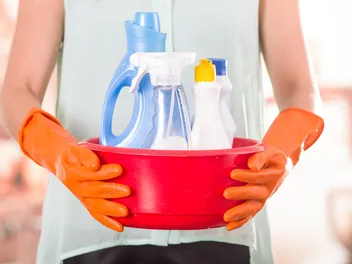
Palmolive is a common dish soap that can be found in many household kitchens. Several dish soap brands, such as Palmolive and Dawn, advertise that they’re safe to use on animals. While this can be true, it really depends on the circumstance.
In general, Palmolive should be used on animals in emergencies only. Regular and long-term use can damage a cat’s skin and coat. Cat shampoos exist for a reason, and cats will greatly benefit from these types of soaps rather than Palmolive.

When to Use Palmolive Dish Soap
There are only a couple of cases where it’s reasonable to use Palmolive over cat shampoo.
If your cat has gotten into a huge mess, you might have to use Palmolive to clean it up. Palmolive works to fight against grease and oil, so if your cat is drenched in some type of oily substance, you may have to lather Palmolive to completely remove the oil.
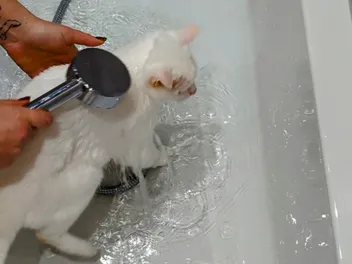
If you don’t own a cat and have found a stray cat that’s in dire need of a bath, you can use Palmolive to rid it of fleas. However, keep in mind that Palmolive may only remove adult fleas from a cat’s coat. Therefore, the eggs and larvae will most likely remain on your cat’s skin and continue to wreak havoc.
As you can see, extreme circumstances may warrant the use of Palmolive. For normal grooming purposes, make sure to use cat shampoo instead.

Reasons for Using Cat Shampoo
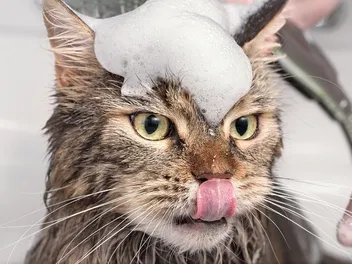
Consistently using Palmolive will eventually irritate and harm a cat’s skin and coat. It will strip your cat of its natural oils, so their skin may be dry and flaky, and their coat may be rough and bristly.
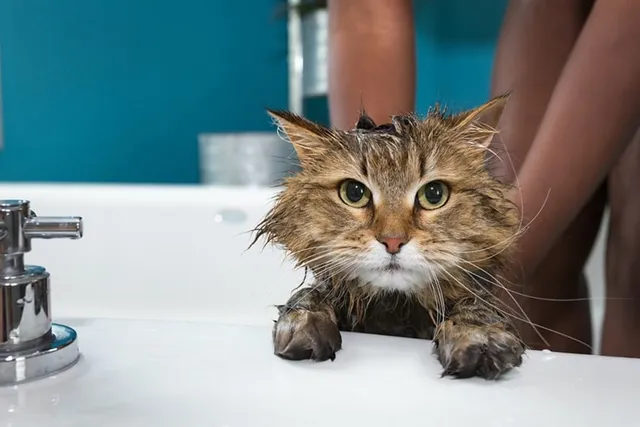
Most cats don’t need baths because they frequently self-groom. However, they’ll sometimes need help if their coat becomes greasy, they suffer from dandruff or fleas, or they develop a skin condition.
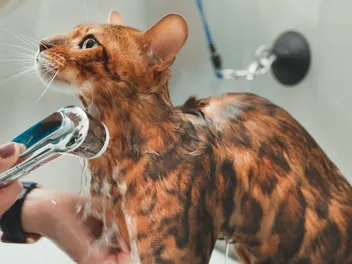
Whenever you bathe a cat, always use cat shampoo. Human and dog shampoo don’t have the proper pH levels that match a cat’s needs, so they can also damage the cat’s skin and coat. There are different types of cat shampoo, so make sure to use the appropriate formula. For example, there are shampoos specifically used for shedding and there are also shampoos that are used for flea and tick control.
If your cat hates baths, a safer option for cats and cat owners would be to take them to a professional pet groomer. Pet groomers will have the essential tools they need to safely groom your cat.

- Only Natural Pet Shampoo - Our vegan, plant-based formulation is made with safe and natural pH-balanced ingredients to moisturize and soothe skin, leaving a fresh, soft and glossy coat to turn heads
- No Soap - A cat and dog wash free from soaps, glutens, dyes, DEA, sulfates and phthalates means it's a hypoallergenic dog shampoo for itchy skin / cat shampoo for itchy skin made with only good stuff
- Colloidal Oatmeal - Formula soothes and nourishes dry, irritated skin, providing itchy skin relief for dogs and cats alike. Trust us - they'll thank you with lots of licks!
If your pet is prone to shedding, Hepper's Oatmeal Pet Shampoo can help reduce it. This gentle, natural formula is designed to help keep your pet's coat healthy and reduce shedding. Click here to order yours today
At Catster, we’ve admired Hepper for many years and decided to take a controlling ownership interest so that we could benefit from the outstanding designs of this cool cat company!

Frequently Asked Questions (FAQ)
Here’s some additional helpful information about cats and their grooming needs.
What dish soaps are safe for cats?
Along with Palmolive, you can use Dawn dish soap. Again, dish soap should only be used as a last resort or if you’re in a pinch and urgently need to bathe a cat. Constantly using dish soap is not recommended. Along with damaging the skin and coat, your cat may end up ingesting residual amounts of soap when licking and self-grooming.
How often should you wash your indoor cat?
Most indoor cats won’t ever need a bath because they do such a great job of cleaning themselves up. However, some cats may have skin conditions that cause their coats to become greasy or flaky.
If you notice that your cat’s coat consistently gets rough and oily over time, you’ll probably have to bathe them regularly. Just make sure that you don’t give your cat a bath more frequently than every 4 weeks. Giving your cat too many baths can strip the skin of its natural oils and cause further damage and irritation.
How do you bathe a cat that hates baths?
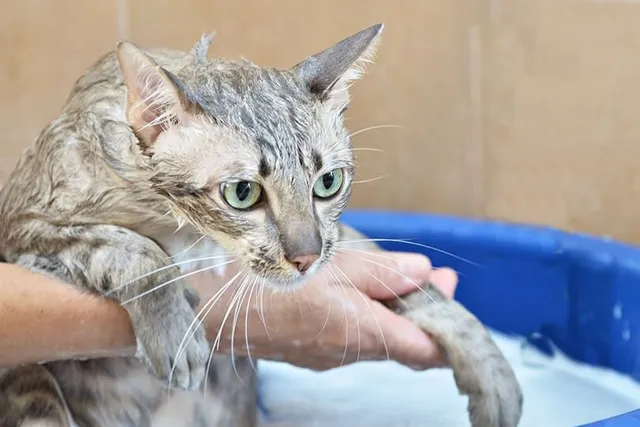
Many cats don’t like water, so it’ll take some time for them to get used to baths. Make sure to always stay calm and slowly introduce cats to baths in small increments.
Start by placing your cat in the bathroom and have them get used to the sound of running water. You can use treats to create a positive association with the sound. Use some waterproof toys and extra delicious treats to get your cat comfortable with touching the water.
Try not to give your cat a bath until they become comfortable with water. Rushing the process can create a negative experience for your cat, and they’ll become more resistant to water.
You can also try to use smaller tubs and warm water to help create a calm and soothing environment for your cat. Always make sure to immediately dry off your cat with a towel so that they don't experience feeling cold with their wet fur.
Final Thoughts
Using Palmolive on your cat every once in a while won’t cause any significant negative effects, but it shouldn’t be used regularly. Cat shampoo is a much better option, and you can speak with your veterinarian if they might be in need of a medicated shampoo.
Overall, only use Palmolive and other dish soaps in emergency situations when all other options aren’t effective.
See Also:
Featured Image Credit: Palmolive dish soap (Image Credit: NeoBatfreak, Wikimedia Commons CC BY-SA 4.0)
Expert cat care, straight to your inbox
News, insights, and useful advice, delivered to you.

No spam — unsubscribe anytime.
By signing up, you agree to our Terms & Conditions and Privacy & Cookies Policy.
How useful was this post?
Click a star to rate. You can leave written feedback afterwards. (We read all feedback.)
Jessica is a freelance writer who spends most of her day researching and writing while her fluffy Cavapoo, Nora, naps beside her. She loves and appreciates pets and animals because there’s so much to learn from them, and they do so much for people. As a dog owner, she understands the special connection that pet owners form with their pets. She loves sharing helpful information that people can use to better understand their pets. When she’s not writing, you can find her walking dogs, tending to her plant babies, or drinking her nth cup of coffee.