5 Cutting-Edge Technologies in Veterinary Medicine (Vet Answer)

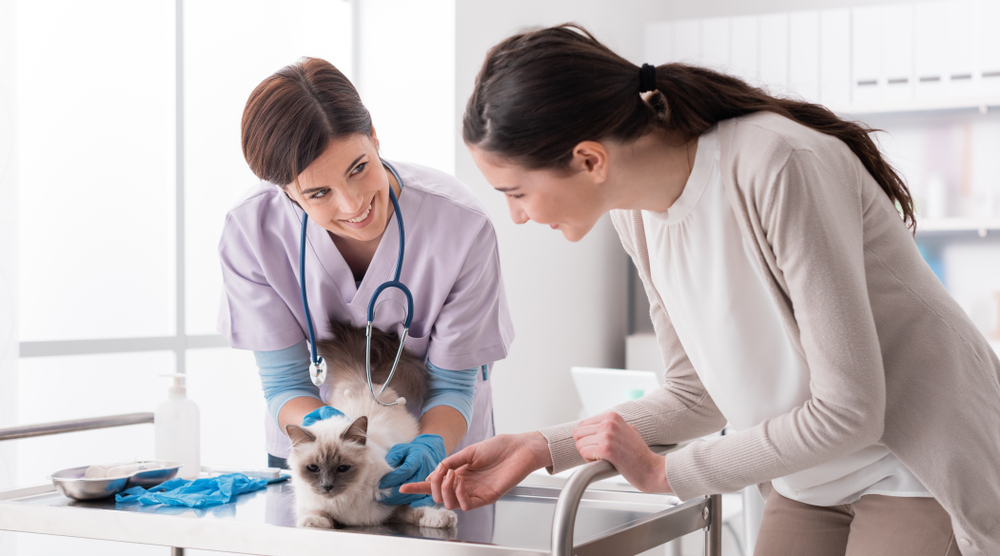
Advances in technology allow us to live longer and happier lives, but what about our furry family members? Let's dive into some of the amazing advances in veterinary medicine designed to keep your cat healthy longer than ever before.

The 5 Cutting-Edge Technologies in Veterinary Medicines
1. Pharmaceutical Products

No article on remarkable advances in medicine would be complete without touching on some of the medications available to help our felines.
- Bexagliflozin
One of the best advances in the veterinary world is a pill to treat diabetes in our cats. Bexagliflozin is a new medication that may one day replace the need to give our cats insulin injections twice daily.
- Solensia
Have a kitty suffering from arthritis? Historically, veterinarians have had little to offer our cats for arthritis pain and management beyond joint supplements and pain medications, some of which can have hazardous side effects such as kidney damage. Solensia is a once-a-month injection for arthritic cats and helps control their discomfort. It tends to be well tolerated, and 77% of pet owners 1 noted improvements in their cat's mobility and comfort.
2. AI-powered Equipment
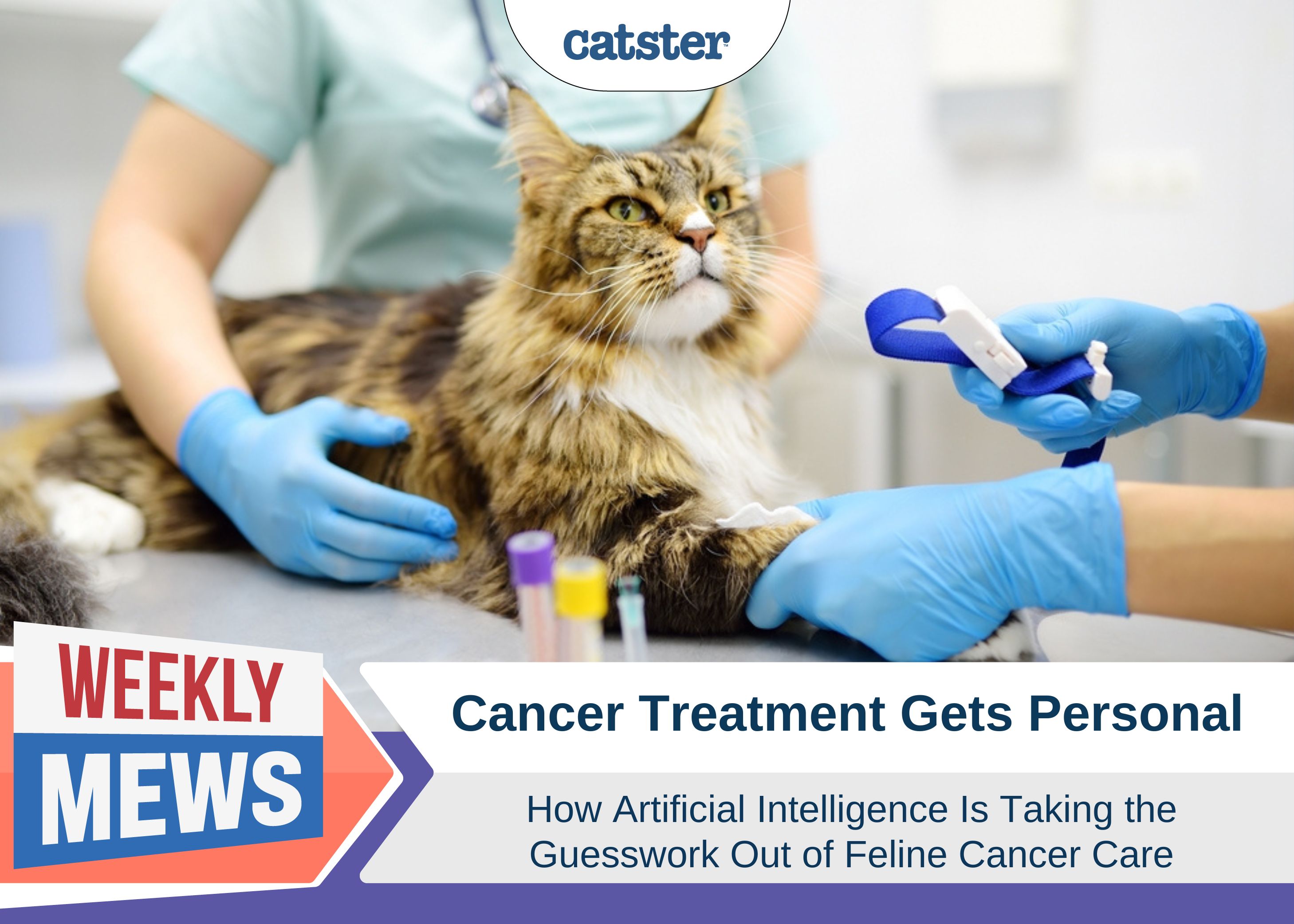
Artificial intelligence is at the forefront of technological advances in human and veterinary medicine. Your veterinary team can harness AI technology to aid us in getting a diagnosis for your cat faster (and more accurately) than ever before.
Machines like the Vetscan Imagyst can analyze a sample faster than most humans. This machine can do many different things:
- Check fecal exams for intestinal parasites
- Evaluate blood samples for irregular cell populations
- Use a urine sample from your cat to check for a urinary tract infection or crystal formation
One of the other neat ways that tech is helping veterinary teams and our pets get a faster diagnosis is the ability to send images to a pathologist for review. Your veterinarian can take a needle to collect a cellular sample from a new lump on your cat and make a slide preparation. Rather than sending the sample to the lab for evaluation, which can take days to get back, the sample can be uploaded into the machine, with images transmitted. Your team may have an answer by the end of the day!
3. 3D Printing for Surgeries

3D printing is fun for a lot of reasons. You can make models and game pieces at home, just to name a few things. Your veterinary team can use a 3D printer to create models to help them develop surgical approaches. This is helpful, particularly when your vet needs to perform a surgery they've only read about. It is most commonly used in prepping for orthopedic and neurological surgeries.
3D printers have also created items to help our furry and feathered friends live more comfortably. They can be utilized to make prostheses.
4. Hyperbaric Chambers

Hyperbaric chambers aren't as common in veterinary medicine as in human medicine, but they are becoming more common. With this tool, your cat is placed in a high-oxygen environment, which can aid in healing various disorders, from severe skin infections to hit-by-car cases. Studies show that this equipment is well-tolerated with minimal possible side effects.
5. DNA Testing

While DNA testing is becoming more common in veterinary medicine for dogs, it has only been recently that accurate DNA testing has been available for cats. The Wisdom Panel for Cats checks a cheek swab for around 70 different cat breeds. Not sure if that's important? The test also looks for more than 40 genetic health conditions, providing you and your veterinarian with invaluable information.
What Is the Biggest Hurdle Facing Veterinary Medicine Today?
The main issue plaguing vet med is a shortage of veterinarians and other veterinary professionals, from technicians to receptionists. The good news is that while we need more vets than ever before, technology is helping practicing veterinarians use their time more efficiently. Doing so will allow them more time to spend on patient care and educating clients while ideally preserving their work-life balance.
Conclusion
Veterinary medicine is constantly changing and evolving. Your veterinarian has access to new medications to revolutionize how we treat our cats and their comfort. Technology advances give veterinarians more time to practice good medicine by effectively leveraging teams and providing timely and accurate information.
Sources
Featured Image Credit: Stock-Asso, Shutterstock
Expert cat care, straight to your inbox
Vet-reviewed advice, behavior tips, and the best of Catster. Free, and you can unsubscribe anytime.
By signing up, you agree to our Terms & Conditions and Privacy & Cookies Policy.
Dr. Samantha Devine DVM (Veterinarian)
Samantha Devine is a practicing veterinarian who loves to share her experience with animal species and their health. Whether it's a guinea pig question or a pressing matter about something your cat ingested, she strives to provide clear answers. She is passionate about preventative care and firmly believes in the old adage, "An ounce of prevention is worth a pound of cure."
Dr. Devine has been practicing veterinary medicine for over 12 years and has spent a great deal of that time writing online to educate pet owners. In addition to general practice small animal medicine, she has worked with horses. zoo animals and aquatic species. She enjoys all aspects of preventative medicine, from nutrition to vaccines.
Dr. Devine received her degree from the Virginia Maryland Regional College of Veterinary Medicine.
Join the conversation
Ask a question, share your story, or send private feedback.