How Long Do Bengal Cats Live? Vet-Reviewed Average Lifespan Data & Facts

In this article
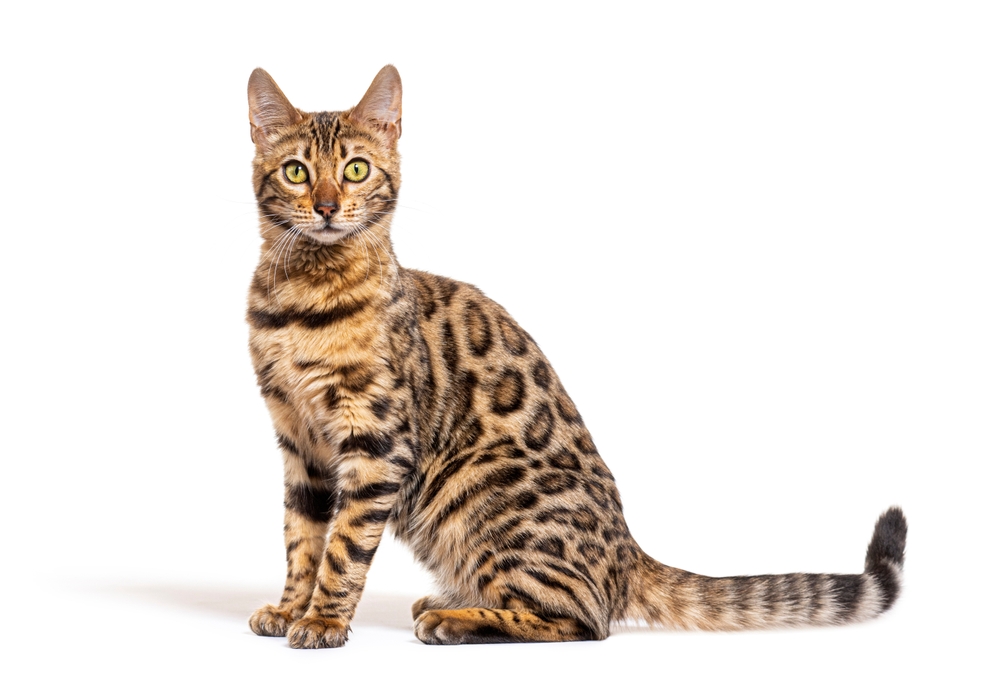
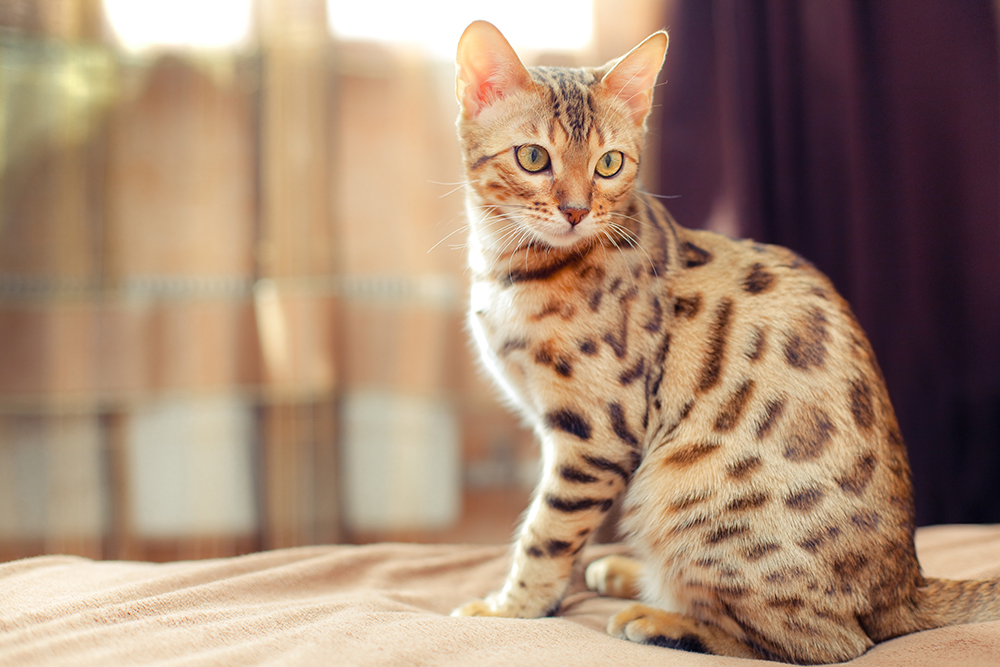
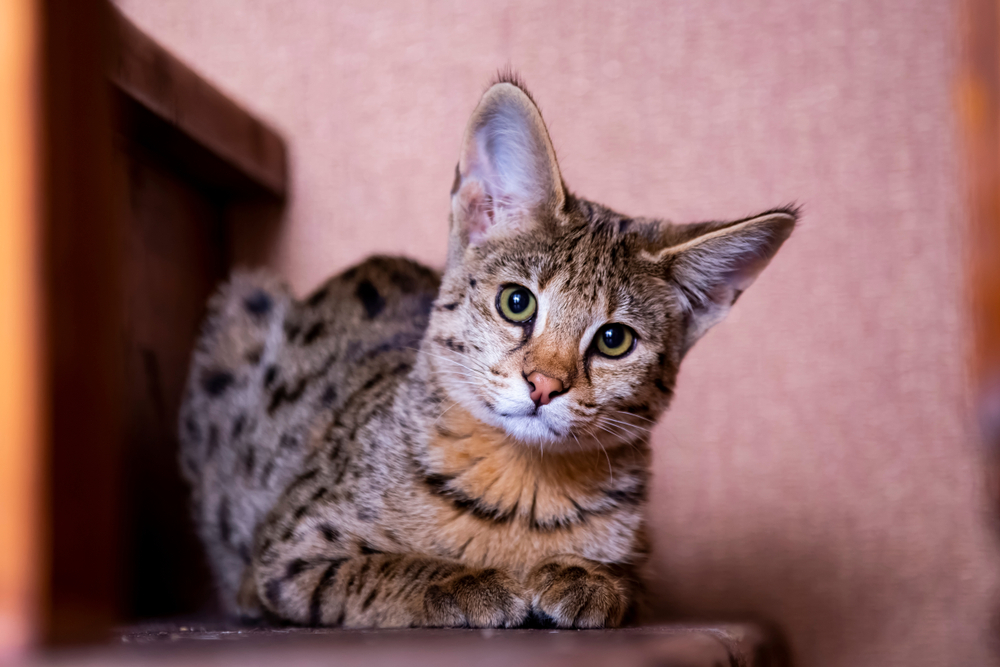
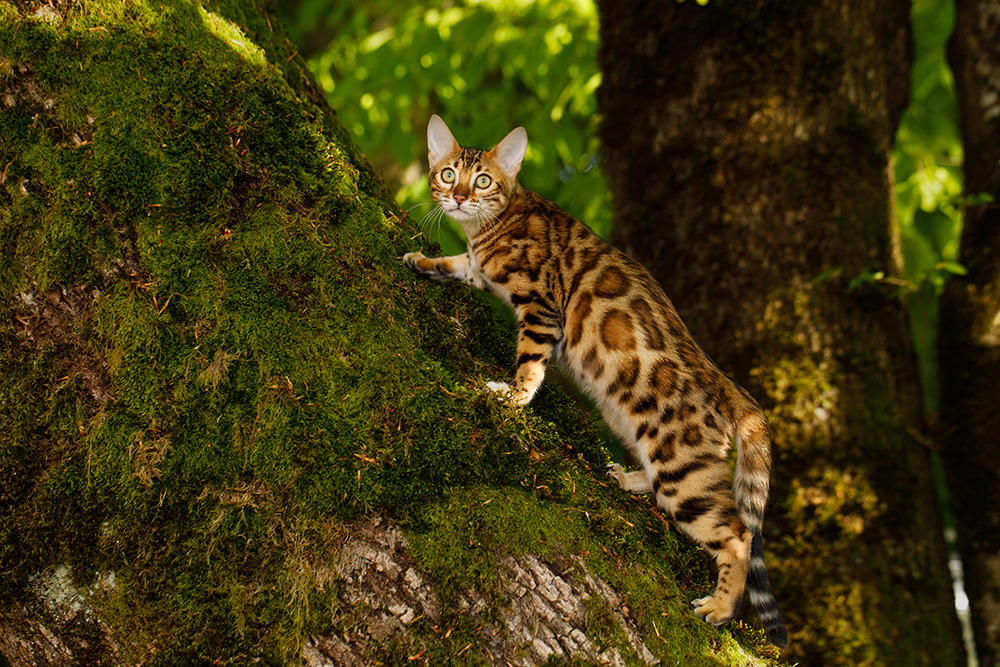
Bengal cats are a cross between a domestic cat and the Asian Leopard Cat. Bengals are known for their gorgeous spotted fur and affectionate personalities. If you have the space for a Bengal and the energy to keep up with them, this could be the cat breed for you.
What’s nice about cats is they typically live longer than dogs, but it depends on the breed of cat you adopt. Let’s look at the average Bengal cat lifespan and a few facts that determine their longevity.

What’s the Average Bengal Cat Lifespan?
On average, Bengal cats live between 12–15 years, with the older spectrum reaching 20 years old.1 A rumor suggests that the oldest living Bengal reached 34 years old before passing away, but there’s no proof, so we can’t say for sure.
Still, Bengals can live longer than their average lifespan, but that depends on several factors discussed below.


Why Do Some Bengals Live Longer Than Others?
1. Nutrition
Nutrition is the biggest contributor to your Bengal living as long as possible. Like other cats, Bengals need a diet rich in protein. This can be obtained through standard cat food, or you can try feeding a homemade diet. But please follow nutrition guidelines to avoid nutrient deficiencies and health concerns. A poor homemade diet is more dangerous than a poor commercial diet, but a vet can help you develop a healthy diet plan.
Knowing how much to feed your Bengals depends on the cat’s age, weight, and energy output. It also depends on the food's calorie count. Bengals are very active, so you may need to feed your cat more than other cat breeds.
Overall, a well-rounded, high-quality cat food rich in protein is the best option for a long, healthy life.
2. Environment & Conditions
The environment in which your cat lives is another big part of their longevity, especially with Bengals. Behavioral problems, depression, and stress often stem from Bengals not receiving enough exercise and attention from owners.
A good way to avoid behavioral issues is to offer interactive play time with puzzle toys, ping pong balls, and cat trees. Other great toys are coffee sacks, boxes, and cat scratchers.
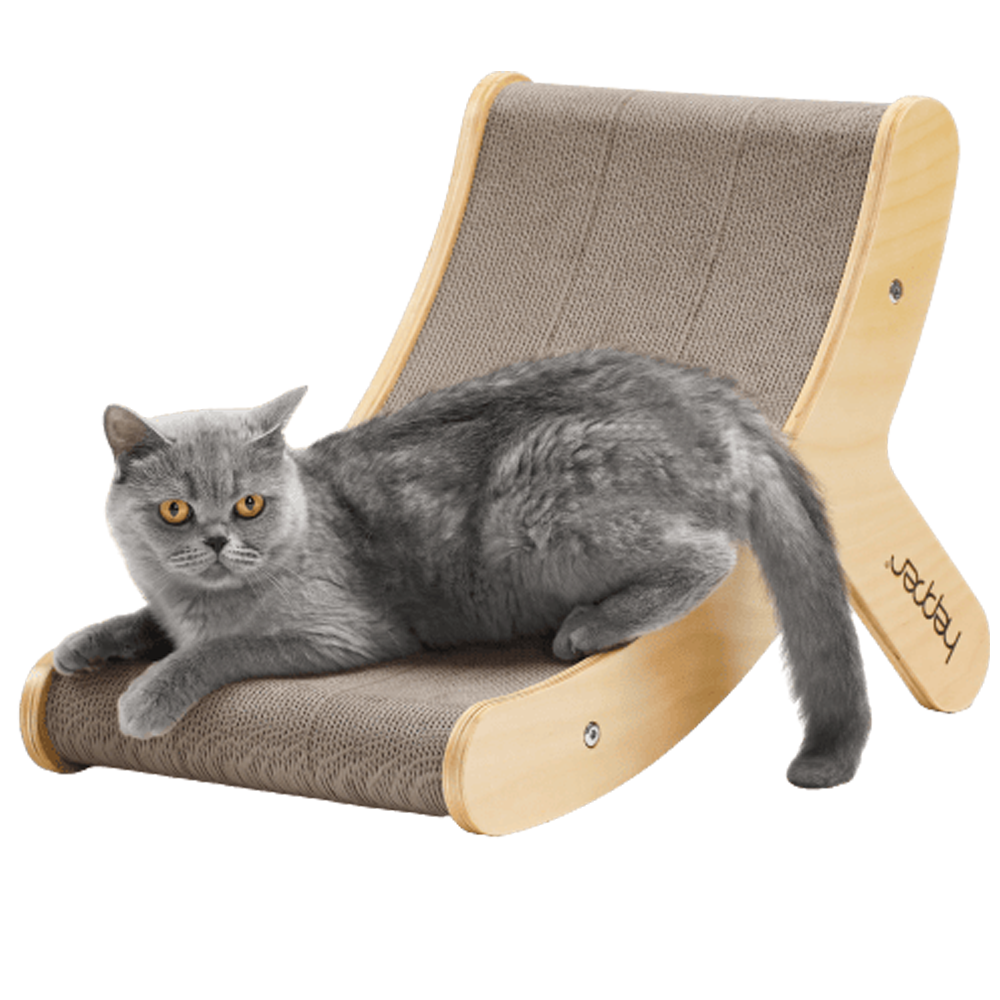
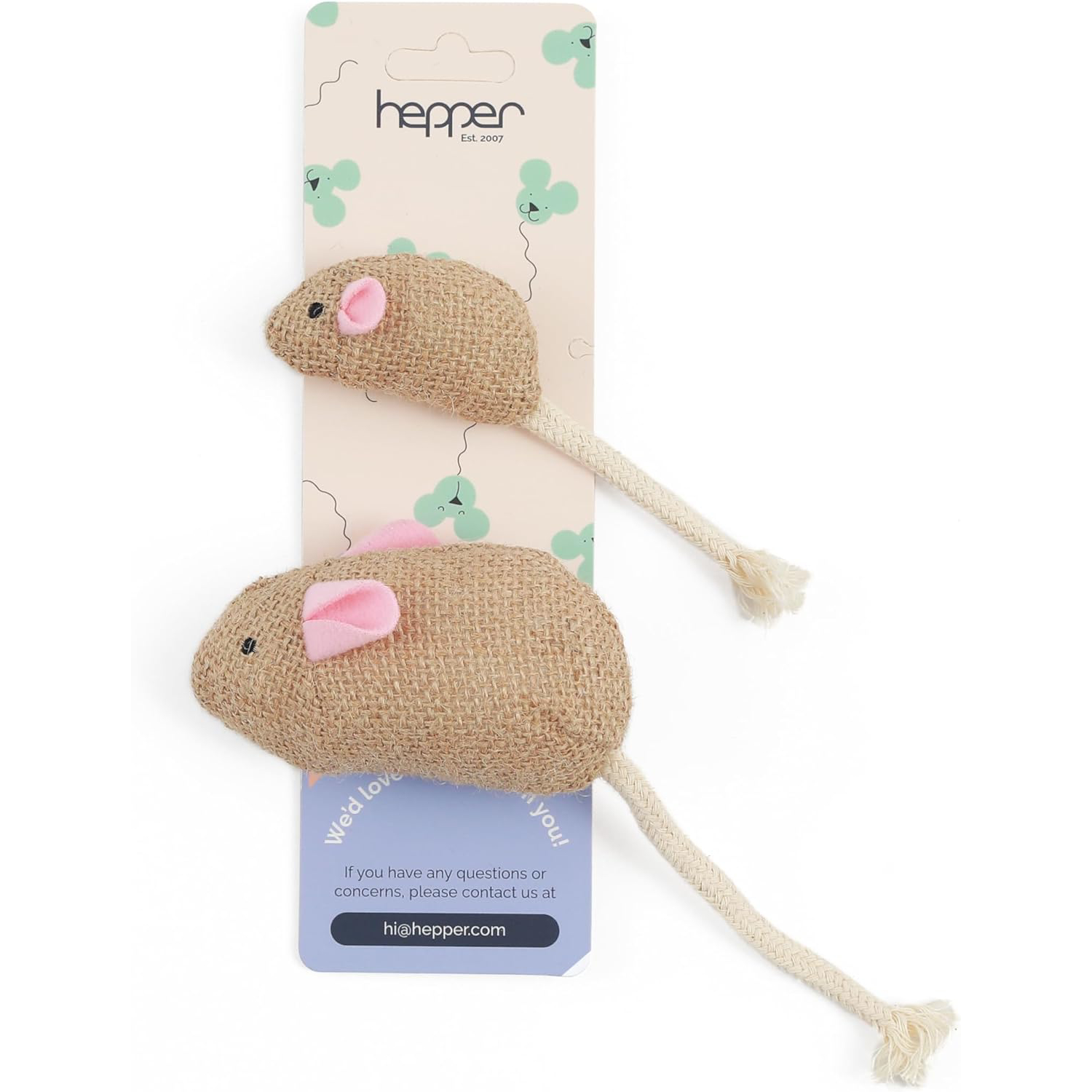
Looking for toys that will cater to the many needs of your cat? The Hepper Hi-lo Cat Scratcher is one of our favorite cat products, and it will encourage your cat to get active. Its clever three-angle design offers multiple ways for your cat to climb, stretch, and exercise. Made of a sturdy plywood base and a replacement cardboard insert, this scratcher is an option that cats can enjoy for years to come. If your cat requires a little encouragement for self-play, the Hepper Catnip Mice Toy Set is a fantastic choice for their instinctual needs. Made with natural, bite-resistant hessian fabric and filled with organic catnip. Cats can satisfy their natural prey instincts while getting the physical activity they need to thrive.
| Image | Product | Details | |
|---|---|---|---|
|
Hepper Hi-Lo Cat Scratcher |
|
Check Price |
|
Hepper Catnip Mice Toy Set |
|
Check Price |
At Catster, we've admired Hepper for many years, and decided to take a controlling ownership interest so that we could benefit from the outstanding designs of this cool cat company!
3. Living Quarters or Housing
Feeding your Bengal a high-quality diet and offering interactive playtime is a good start, but it won’t make a difference if your Bengal suffers trauma from being outside. The best way to keep your Bengal living as long as possible is to keep them indoors.
Staying indoors protects your Bengal from predators, diseases, and catnappers. However, walking your Bengal is a great way to safely expose them to the outdoors. Plus, your Bengal won’t get bored with their toys as quickly.

4. Breeding History
Genetics and breeding history play a part in a Bengal’s life expectancy for medical reasons. Usually, purebred animals have a shorter life expectancy since they have less genetic mixing. However, Bengals are a cross between two breeds, so their genetics have more variety if bred correctly.
However, a bad breeding operation can undoubtedly shorten your Bengal’s life, so it’s crucial to find a reputable breeder.
5. Healthcare
Bengals are generally a healthy cat breed, but they come with a few medical concerns, such as:
- Lymphoma
- Ear infections
- Eye conditions
- Urinary conditions
- Stomach problems
Proper veterinary care, a healthy diet, and keeping your Bengal indoors can help prevent these diseases. Taking your Bengal to the vet at least once a year for an annual wellness exam, routine blood work, and dental cleanings will help your Bengal live a long, happy life.

The 6 Life Stages of a Bengal Cat
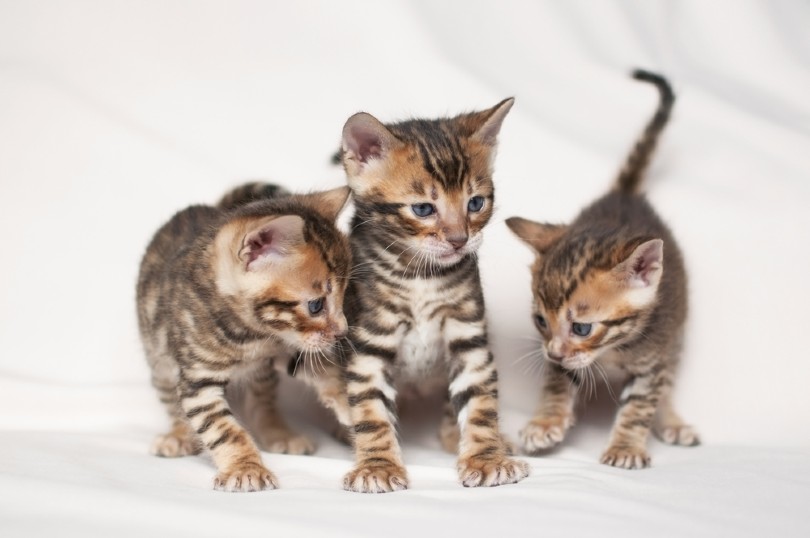
- Kitten (0–6 months): The kitten phase lasts from birth to 6 months old. Newborns are born with their eyes shut and open around 7–14 days old. Bengal kittens are the most rambunctious, playful, and vulnerable at this stage. Early socialization is vital. Kittens are born without teeth but will develop baby teeth (deciduous teeth) around 3 weeks old. The teeth stop growing when the kitten reaches 6–8 weeks old. Baby teeth fall out around 3 to 6 months old (11 weeks) as the adult teeth creep in. Kittens start chewing more often around this time. You’ll also notice your kitten sleeping between 16 and 20 hours daily.
- Junior (6 months to 2 years): Usually, the kitten's enthusiasm slows down around this time, but your cat is still learning how to be a cat. Your Bengal will stop growing around 1.5–2 years old. Females are typically 10 pounds and males are 15 pounds.
- Prime (3–6 years): Bengals reach the prime adult stage after they turn 3 years old. In this stage, the body is fully developed, and their bodies are fully capable of acrobatics, hunting, and anything else to do with daily cat life.
- Mature Adult (7–10 years): At this stage, their body starts to slow down some, but their energy is still high. It’s common for cats to gain a little weight during this stage of life. This is about middle age for a cat.
- Senior (10–14 years): Your Bengal is now considered an old man or lady but can still have a few years left. Routine vet visits are a must since medical issues will start to show more often.
- Geriatric (15+ years): Your Bengal is a wise senior at this stage. You’ll notice your Bengal sleeping most of the time and may have to deal with routine medical issues. At this stage, it’s essential to watch your cat for any sudden changes.

How to Tell Your Bengal’s Age
The best way to guess your Bengal’s age is by checking their teeth. As mentioned above, kittens develop baby teeth around 3 weeks old and lose their baby teeth around 3 months old. All adult teeth should be set when the kitten is 7 months old.
Gently open your cat's mouth and look at the teeth. The incisors are the first teeth to fall out, followed by the canines and premolars. These can give you an indication of how old your kitten is. You can also have your vet look at your cat’s teeth.
If your Bengal has all their adult teeth, pay attention to your cat's weight. Bengals stop growing in the junior life stage, so you’ll know your cat is at least 2 years old if they're not growing.
Older cats will have more wear and tear on their teeth, especially plaque build-up. Their eyes are another indicator of age since they tend to develop cloudiness around 7 years old and older.
Ask your vet to check for any of these signs to help you determine the age of your Bengal.

Conclusion
So, now you know how long Bengal cats can live. Bengals don’t live longer or shorter than the average house cat and are relatively healthy. Are you still interested in owning one?
Well, Bengal cats are not your average house cat. They require a lot of space and an owner willing to put up with their high activity levels. Although they look wild, they’re delightful and loving creatures.
The Bengal is worth the investment if you can put forth the time (and energy) to play with them. If you do, your Bengal will live long and thrive in your home.
Sources
Featured Image Credit: Seregraff, Shutterstock

Expert cat care, straight to your inbox
Vet-reviewed advice, behavior tips, and the best of Catster. Free, and you can unsubscribe anytime.
By signing up, you agree to our Terms & Conditions and Privacy & Cookies Policy.
Christian started writing for a local newspaper as a teenager, and he's been involved in the publishing industry for most of his adult life. Combining his love of writing with a passion for animals, he is currently the Director of Editorial at Pangolia and the Editor-in-Chief at Catster.
Christian lives in the Philippines with his wife, son, and four rescue cats: Trixie, Chloe, Sparky, and Chopper.
Join the conversation
Ask a question, share your story, or send private feedback.