How Long Do Obese Cats Live? Vet Approved Facts & Health Tips


In this article
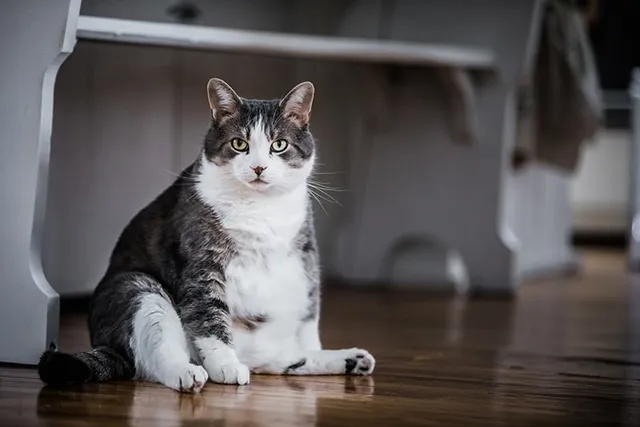
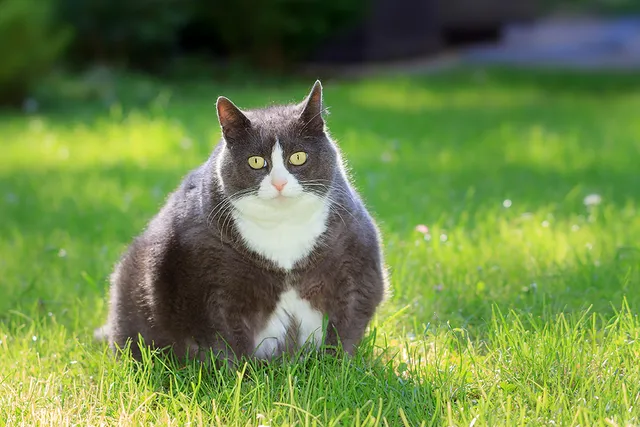
It’s easy for your cat to become obese. They’re too adorable when they beg for food with those big eyes. However, obesity can drastically affect your cat’s lifespan. While healthy cats have been known to live into their 20s, obese cats can have their life expectancy significantly reduced to 5–10 years.
Understanding obesity, its causes, and the risks involved will help you understand why it’s such a big problem. In this guide, we'll help you determine whether your cat is at risk of obesity and how to prevent it and safely manage your cat’s weight.

How Long Do Healthy Cats Live?
Before fully understanding how obesity affects your cat’s life expectancy, you must know how long healthy cats can live. It can vary depending on the breed and health of the cat. Another factor to consider is whether the cat is allowed outdoors and has been spayed or neutered.
Intact cats are prone to reproductive diseases and cancers that can lessen their life expectancy, and outdoor cats are more at risk of encountering predators or getting hit by cars. On average, a healthy cat will live between 12 and 14 years. Some cats have been known to live much longer and can reach their 20s.

How Long Do Obese Cats Live?
While other factors can interfere with a cat’s lifespan, obesity is one of the most common. It affects almost 60% of cats in the U.S.A. and plays a massive role in a cat’s life expectancy. Excess weight, even a moderate amount, has a significant impact on a cat’s health and longevity. Studies have shown a 2.8-fold increase in mortality in obese cats between the ages of 8 and 12 compared to lean cats.
An extensive lifetime study of Labradors found that a moderately overweight group of dogs lived approximately 2 years less than the leaner dogs. Similar results are expected in cats, and on average, obese cats may have their life expectancy reduced to 5–10 years.
What Causes Obesity in Cats?
It’s easy to assume that obesity is only caused by overfeeding your cat. While diet and the amount of food your cat eats are two of the biggest causes of obesity, there are other causes to consider.
1. Age
How old your cat is can affect how much weight they put on. Usually, middle-aged cats are the most at risk of gaining too much weight. The cats that are most at risk are between 8 and 12 years old. All cats are susceptible to obesity, but younger cats, particularly kittens, are usually active enough to burn off the calories that they eat.

2. Diet
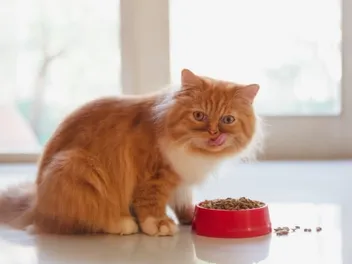
There are a few ways that your cat’s diet can affect their weight. Obesity is most often caused by overeating. It can be due to excessive treats, indulgent or ad-lib feeding practices, or something more accidental, like inaccurately measuring their food for meals. Sometimes, it can be a mix of all three.
3. Inactivity
Indoor cats have less to do than outdoor cats and are more likely to be overweight. If their diet isn’t adjusted to match their activity levels, your cat’s tendency to nap all day in their favorite window can quickly lead to obesity. Always give your cat something to do, such as playing with toys or encouraging them to work for their food using puzzle toys.

4. Underlying Health Conditions
Inactivity isn’t just caused by your cat’s environment; it can also be a result of an underlying health condition. A problem like arthritis is a common cause of obesity. If your cat is in pain whenever they move, they’ll be less inclined to want to get up and move around.
It’s not just joint issues that you need to consider, however. Food sensitivities and allergies can make it difficult to find a suitable weight management diet for your cat.
What Are the Risks of Obesity in Cats?
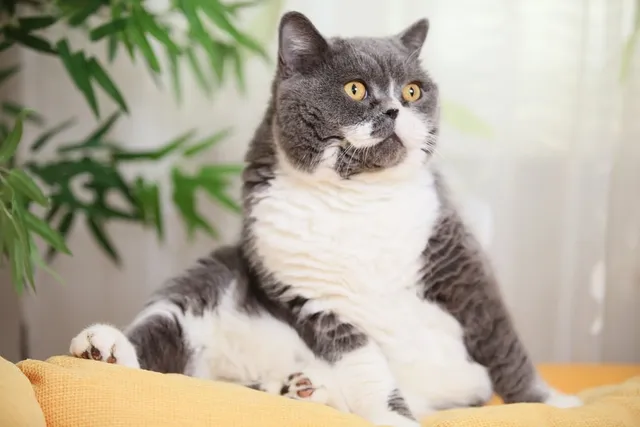
An overweight cat is often seen as adorable or cute. Unfortunately, obesity is an incredibly serious problem and can affect your cat’s lifespan and lead to severe health issues, as well as negatively impacting their quality of life.
Obese cats are more at risk of developing the following:

How to Tell If Your Cat Is Obese
Obesity isn’t the same for all cats. Their breed, size, and age can all affect how much they weigh. Large breeds, for example, might weigh more than small cats, but that doesn’t mean they’re overweight. A cat's ideal weight changes depending on the individual.
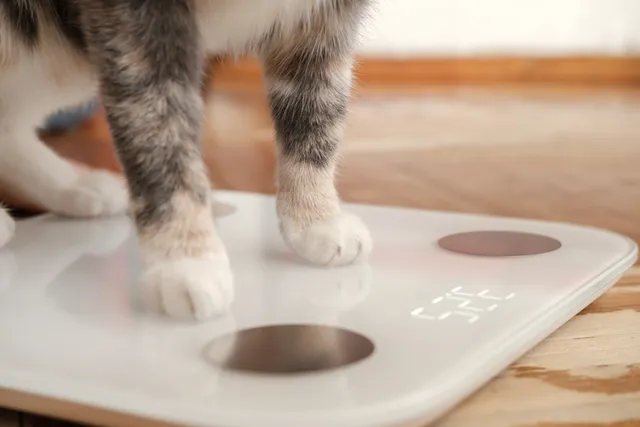
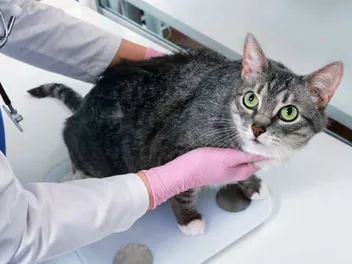
Sometimes, you can tell if your cat is obese by looking at them from above. They might be overweight if you can’t see a waistline, or they look rectangular. To properly figure out if your cat is obese, you first need to determine their ideal weight. Cats that are more than 20% over their ideal body weight are considered obese.
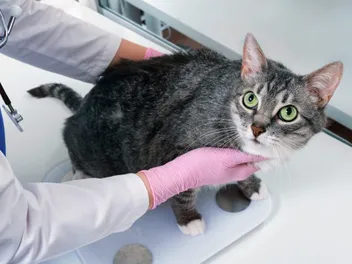
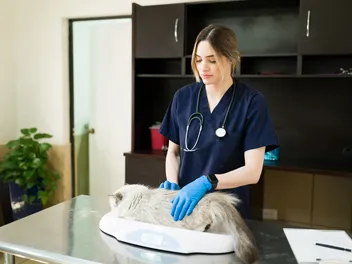
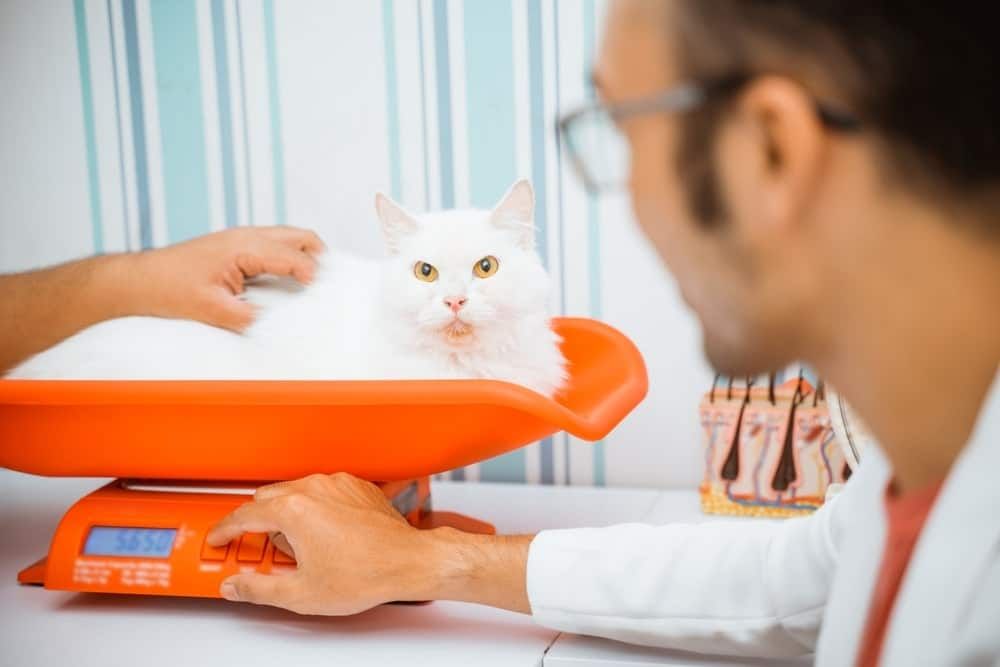
A veterinarian can help you determine your cat’s body condition score and whether your cat is the right weight, slightly overweight, or obese. They’ll also be able to help you manage your cat’s weight properly by recommending the right diet and exercise regime.

How to Prevent Obesity in Cats
Obesity in cats is preventable. It might not be easy, but with the right tactics, you can help your cat maintain a healthy weight. This will reduce your cat’s chances of becoming obese and keep them healthy.
Obese cats aren’t beyond hope, and you can help your cat lose weight. Ask the veterinarian for advice, and always follow the recommended diet plan to ensure your cat stays healthy while losing weight. Even a small amount of weight loss can significantly affect your cat’s quality of life.
Ways to manage obesity include the following:
Never resort to cutting down on your cat’s food altogether. You still need to ensure that your cat gets a balanced, nutritional diet. Instead, reduce the number of treats and snacks between meals, and don’t give them human foods!
Regarding their main diet, you need to adjust the portion sizes based on the veterinarian’s advice, the type of food, and how often you feed your cat. Weight loss should be slow and steady.
Conclusion
Obesity is a serious problem that affects about 60% of cats in the U.S.A. It’s defined as a cat weighing more than 20% of their ideal weight (based on age, activity, and breed) and can significantly reduce their life expectancy and quality of life.
Taking steps to prevent obesity and manage your cat’s weight requires patience and perseverance. The healthier your cat is, the less likely they will develop serious health issues, and the happier they will be.
Featured Image Credit: Odua Images, Shutterstock
Expert cat care, straight to your inbox
News, insights, and useful advice, delivered to you.

No spam — unsubscribe anytime.
By signing up, you agree to our Terms & Conditions and Privacy & Cookies Policy.
How useful was this post?
Click a star to rate. You can leave written feedback afterwards. (We read all feedback.)
Christian started writing for a local newspaper as a teenager, and he's been involved in the publishing industry for most of his adult life. Combining his love of writing with a passion for animals, he is currently the Director of Editorial at Pangolia and the Editor-in-Chief at Catster.
Christian lives in the Philippines with his wife, son, and four rescue cats: Trixie, Chloe, Sparky, and Chopper.