Get

In Your Inbox

Catster is reader-supported. When you buy via links on our site, we may earn an affiliate commission at no cost to you. Learn more.

9 Health Risks for Overweight Cats (Vet Answer)

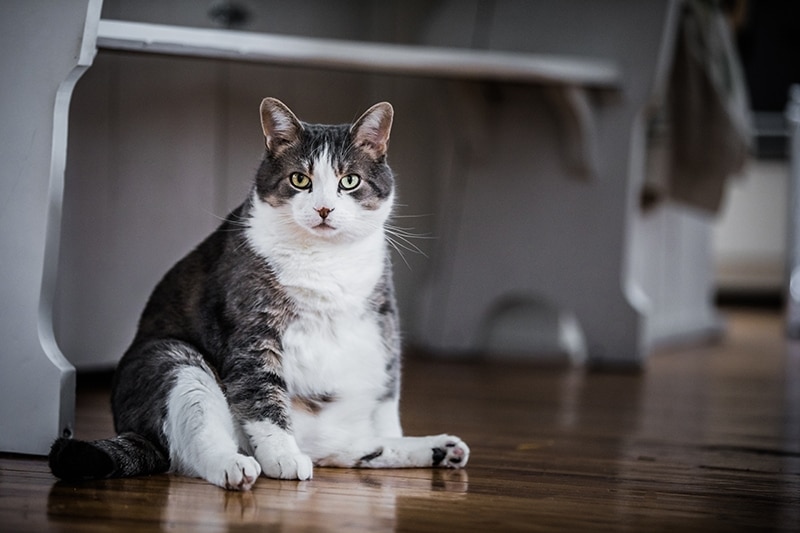
fat-cat-with-mustaches

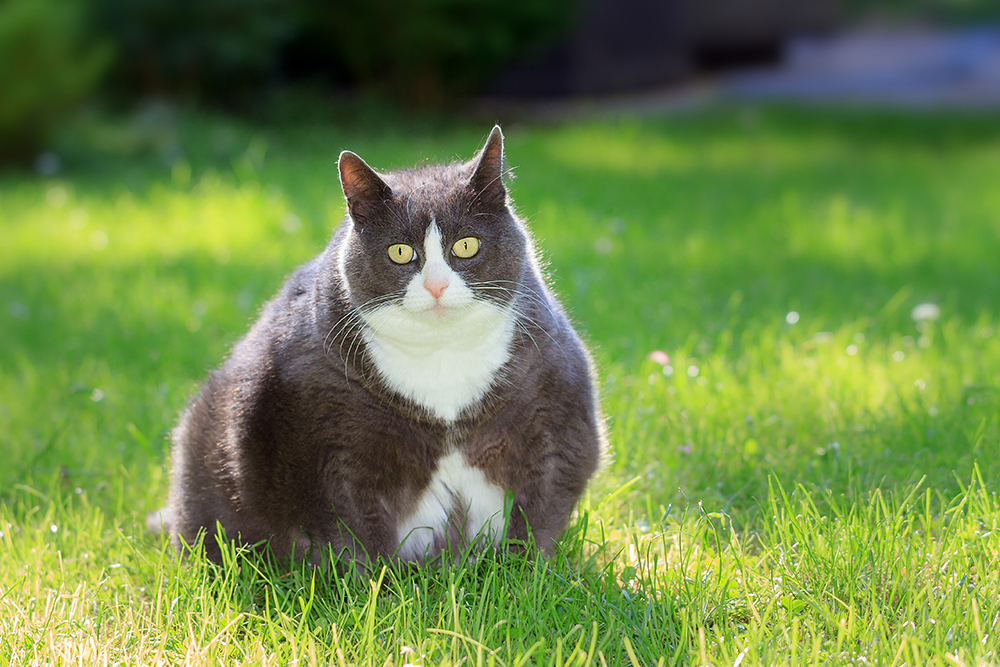
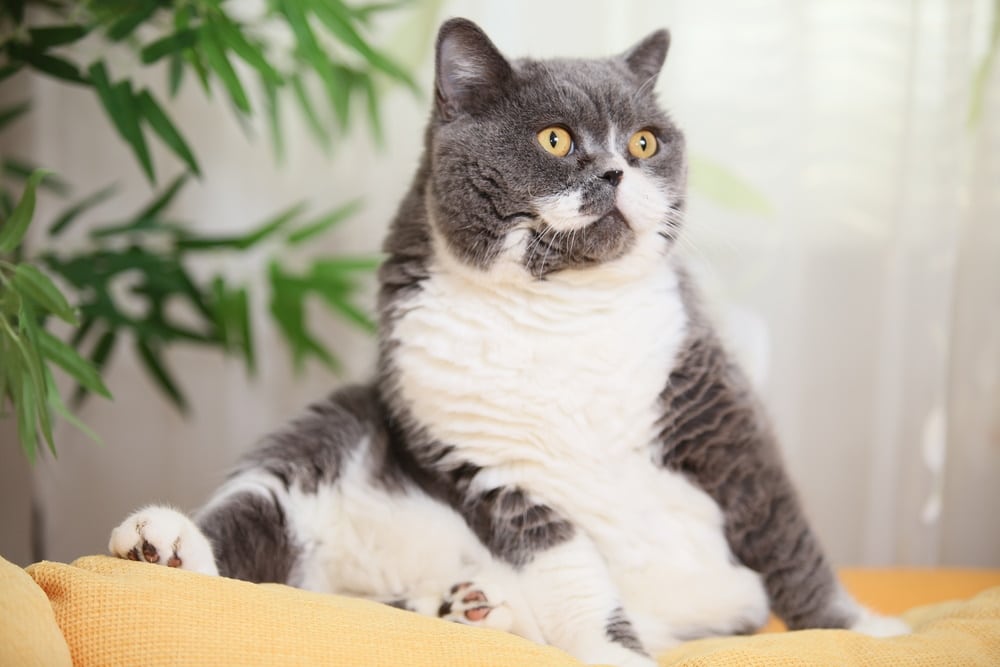
“Chonky” cats, though rather adorable, may be prone to serious health risks due to being overweight. Nearly 60% of cats in North America are overweight, making obesity one of the most common and preventable diseases affecting domestic cats today. A cat is considered overweight when they are more than 10–20% above their ideal body weight and obese when they’re over 20% of their ideal body weight.

divider 3 paws

Why Is Excess Body Fat Unhealthy in Cats?

Fat secretes inflammatory hormones and produces oxidative stress in tissues and organs. Oxidative stress occurs when there are excessive free radicals in the body and not enough antioxidants to get rid of them. This can damage organs and tissues and may result in various diseases. Currently, obesity is treated as a chronic, low-level inflammatory condition in cats.

Here are the types of felines that are prone to obesity:
  • Middle-aged cats (8–12 years old)
  • Spayed or neutered cats
  • Indoor cats
divider 3 paws

The 9 Risks Associated With Being Overweight or Obese

1. Diabetes

Obesity can make diabetes more difficult to control. Insufficient insulin production or response to the insulin hormone can lead to diabetes mellitus. Insulin is essential for the regulation of glucose, or blood sugar.

domestic striped kitten with a sad face feels sick
Image Credit: Julia Cherk, Shutterstock

2. Heart Disease and High Blood Pressure

Excessive weight can place extra stress on the heart and circulatory system. Extra weight can also impair lung function.


3. Anesthesia Complications

Extra fat may prevent anesthetic drugs from being metabolized properly, which can lead to an overdose.


4. Kidney and Urinary Disease

Kidney-related issues may develop due to excessive body fat, including enlarged kidneys and scarring of the delicate filtering units in the organs. Obesity can also be a risk factor for feline lower urinary tract disease.

Siamese-elder-cat-sick-with-cancer-has-a-feeding-food-tube-attached-to-its-nose-to-stomach
Image Credit: SUJITRA CHAOWDEE, Shutterstock

5. Liver Disease

Obese cats that suddenly stop eating may develop a serious and life-threatening liver condition known as hepatic lipidosis. Excessive fat accumulation in the liver can lead to liver failure.


6. Arthritis

Excessive weight on joints adds to the wear and tear of the bones and cartilage and can lead to painful chronic conditions, such as osteoarthritis.

male vet examining a cat with stethoscope in clinic
Image Credit: Africa Studio, Shutterstock

7. Immunodeficiency

Chronic inflammation due to excessive fat may cause an immunodeficiency and may make it difficult for your cat to fight off infections. This may also lead to cancer.


8. Grooming Issues

Obese cats may have difficulty reaching and grooming themselves, which can lead to a matted, greasy, soiled, and unkempt hair coat. Improper grooming may also lead to skin infections.


9. Shorter Life Expectancy

Excess body fat can shorten a cat’s lifespan and lead to disease. According to the VCA, “a 2.8-fold increase in mortality has been shown in obese cats (8–12 years old) compared to lean cats.”

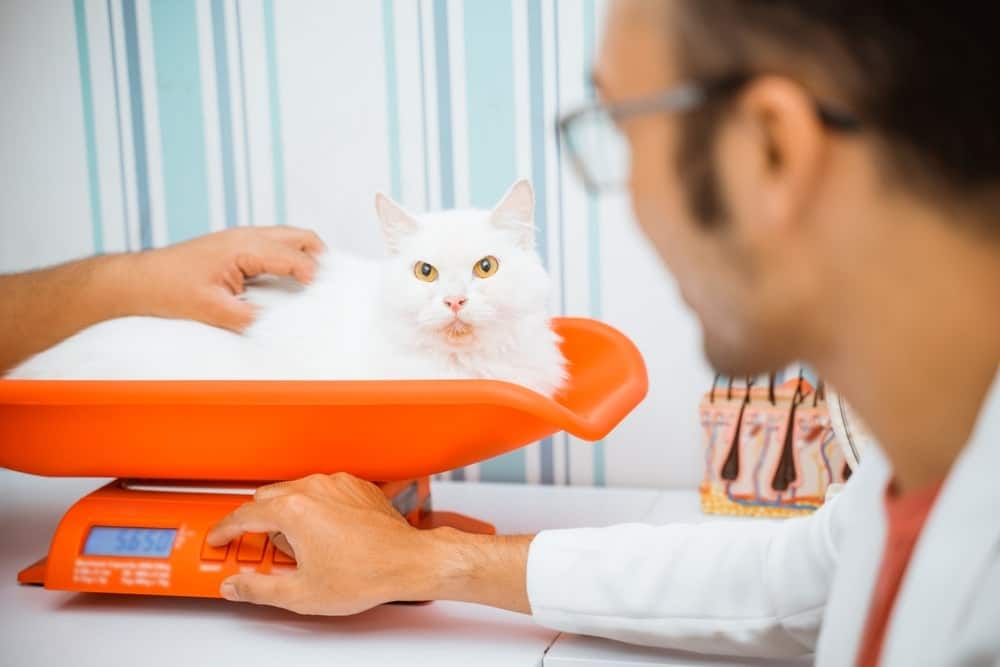
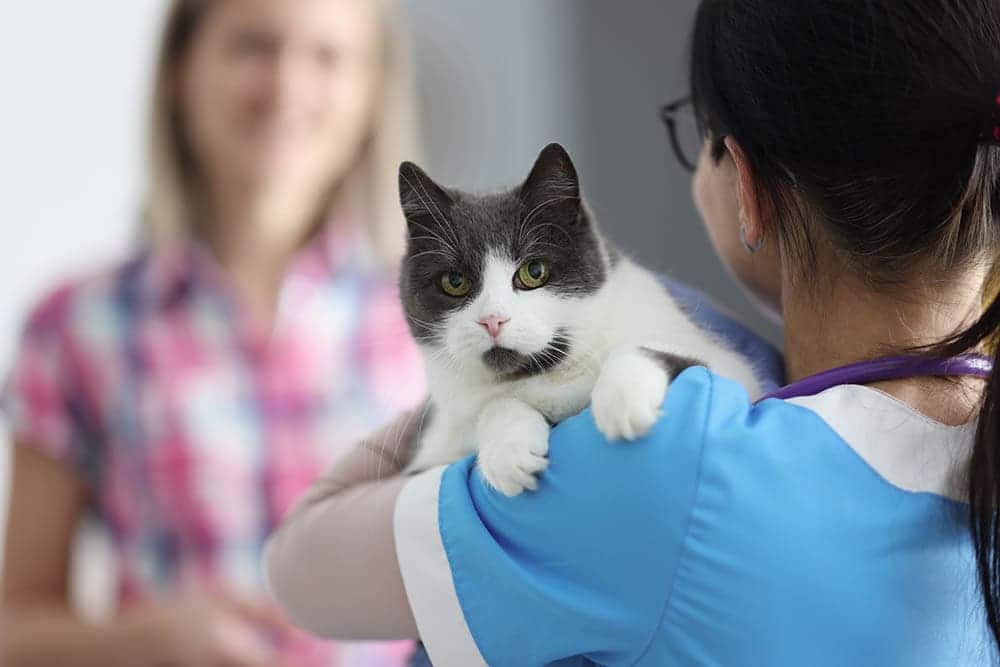
We recommend getting advice from a veterinarian if you have any questions or concerns regarding your pet’s diet and weight.

Need veterinary advice but can't get to the clinic? Catster recommends PangoVet, our online veterinary service. Talk to a vet online and get the answers and advice you need for your cat without having to leave your living room — all at an affordable price!

PangoVet_Mention-in-Content for PangoVet2 save money

divider 3 paws

Conclusion

Obesity in cats can lead to several health issues. Preventing obesity, however, often incorporates the right amount of exercise and nutrition to keep your cat fit and trim. Discussing your cat’s medical history, lifestyle, and diet with your veterinarian often leads to healthier pets in the long run.


Featured Image Credit: Kseniya-Bogdanova, Shutterstock

Want content like this delivered to you?

Sign Up For Our Newsletter

News, insights, expert advice, and everything cat

* By submitting, you agree to our Terms & Conditions and Privacy & Cookies Policy.


How useful was this post?

Click on a star to rate (you can leave written feedback after clicking submit)

Help us improve Catster for pet parents!

Your feedback really matters.

What did you like about this post? Also how can we improve it?

Join the conversation

Leave a Reply

You’re very welcome to leave a comment or question. Please know that all comments must meet our community guidelines, and your email address will NOT be published. Let’s have a positive and constructive conversation.


Talk With A Vet Online

Peace of mind,
anywhere, anytime

Affordable vet advice

150 Great Names for Cornish Rex Cats: Our Favourite Names For These Beauties

Cornish Rex cats are one of the most unique breeds and resemble curly-haired pixies! Because of the tightly curled coats and impish nature...

How Often Will a Feral Cat Move Her Kittens? Vet Approved Facts & FAQ

You may have seen your domestic mama cat move her kittens more than once, and the same behavior is common for feral mother...

Egyptian Mau vs. Tabby Cat: The Differences (With Pictures)

When choosing a new cat for your home, tabby cats and Egyptian Mau cats make wonderful choices since both are friendly, intelligent, and...

Adopting a Senior Cat? 10 Vet-Approved Things to Consider

Adopting a cat is a huge decision in a person’s life. When you visit a local animal shelter or rescue, you’ll find dozens...

More related

12 Healing Crystals for Cats: A Holistic Guide

Are you someone who believes in the healing power of crystals? Maybe you have a pocket full of charged gems or you place...

Bengal vs. Savannah Cat: What’s the Difference? (With Pictures)

Bengal and Savannah cats are both very similar. They are both the result of breeding a domestic cat with a wild cat. Because...

Ocicat vs Bengal: What’s the Difference? (With Pictures)

With their wild and exotic appearance, both the Bengal and the Ocicat look as though they’ve just stepped out of the jungle. However,...

How Long Does It Take a Cat to Adjust to a New Home? Vet-Reviewed Facts & FAQ

There will be an adjustment period whenever you bring home a new cat. While all animals need an adjustment period to some extent,...

Keep reading

Why Your First Cat Shouldn’t Be One of These Breeds

You’ve scrolled through enough cat photos to know which breed you want. Maybe it’s that sleek Bombay that looks like a miniature panther, or the exotic-looking Savannah with its wild leopard spots. You’re ready to bring one home, set up...

Close up of cat paws

How to Feed Cats Properly: Vet-Verified Methods & Tips

Feeding your cat is simply a part of your daily routine, but did you know that some of us maybe aren’t doing it in the best way possible? If you’re confused about the different ways to feed a cat, you’re...

cat eating from feeding bowl

My Cat Is Eating Slower Than Usual, What’s Wrong? Vet Verified

You can learn a lot about your kitty by observing what, when, and how much they eat. Changes in their eating habits are also indicators that something might not be right with your cat, even if they’re still active and...

cat not eating and looking at the food in the bowl

Can Cats Eat Ants? Vet Approved Health Advice & Risks

If you’re a cat owner, you’ve seen your furry friend eat plenty of questionable things. It’s an instinct for cats, but it is also an instinct for you to wonder whether what they’re eating is safe for them. Ants are...

Can Cats Eat Ants

Does Pine Sol Kill Fleas on Cats? Vet-Reviewed Effectiveness & Safety Explored

Pine-Sol is a well-known cleaning product for kitchen and bathroom floors. There is some information surrounding the product and how it may affect fleas on cats, but we can confidently say that Pine Sol does not kill fleas on cats....

Cat wearing collar scratching and itching

What to Do When Your Cat Has an Asthma Attack: Vet Approved Tips

It may be a surprise to learn that just like people, cats can have asthma, and it can be a frightening experience when your cat suddenly suffers from an asthma attack. While it’s a condition that your cat will have...

a cat that feels sick and seems to vomit

How Do I Tell If My Cat Is Constipated? 8 Vet-Reviewed Signs to Watch For

If you’ve noticed that there hasn’t been poop in the litter box for a few days (and your cat isn’t going somewhere else), it could mean that your cat is constipated. Some signs of constipation are more obvious than others,...

cat pooping on the grass

How Long Can a Cat Go Without Peeing? Vet Reviewed Facts & FAQ

As a living being, a healthy cat’s urinary system is always functioning and constantly producing urine. On average, healthy cats urinate two to four times daily, however, it depends on how much water and food they had in the previous...

cat outside the litter box

Love Cats? So Do We! Join the Catster Community

Stay informed with expert pet care insights delivered straight to your inbox! Discover professional guidance on animal behavior, feeding tips, trusted product picks, and much more.


Sign up for the Catster Email Newsletter

Stay informed with expert pet care insights delivered straight to your inbox! Discover professional guidance on animal behavior, feeding tips, trusted product picks, and much more.