Why Does My Cat Want Me to Watch Her Eat? Vet-Verified Facts & Info


In this article
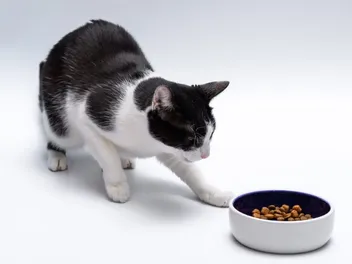
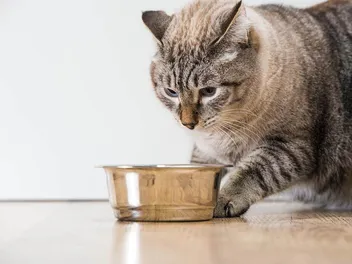
Cats have many quirky habits that make them beloved pets around the world. You are probably already aware that cats can be finicky about feeding time, whether it’s over the type of food, if they prefer to be left alone or some of them even about or who watches them eat.
Some felines prefer eating while being watched, and it can be a habit they picked up as a kitten or learned over time. It is usually not a cause for concern unless your cat refuses to eat if you are not watching them. This is the reason why you need to be conscious about your behavior around your cat’s feeding times.
So, why do cats want us to watch them eat and what does it mean? This article has the answers for you.

Why Do Some Cats Want Us to Watch Them Eat?
There are several reasons why your cat wants you to watch them eat. Your cat could be comfortable enough to let you watch them eat because they trust you and feel safe. It could also be a habit your cat never outgrew as a kitten or adjusted to in a previous home or shelter environment.
Kittens usually eat with their siblings and feel connected and safe together. If they cannot adjust to eating alone when removed from their siblings, they might rely on their owners for a similar connection. This could also apply to cats in shelters who eat surrounded by other felines and sometimes people.
Cats are so unique in their behavior, some cats prefer solitude and might choose to eat when the environment is quiet, such as overnight. Most pet cats have no problem letting their owners watch them eat, and some cats even prefer it. Regardless of the reason behind it, this type of behavior has a name: affection eating.

Affection Eating in Cats
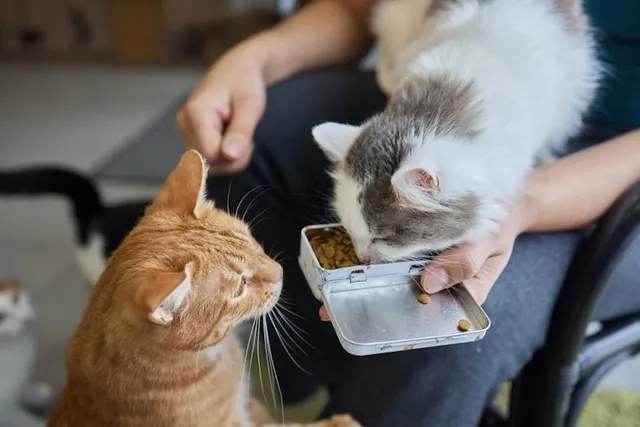
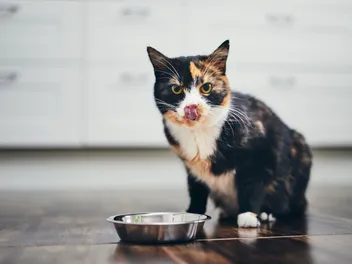
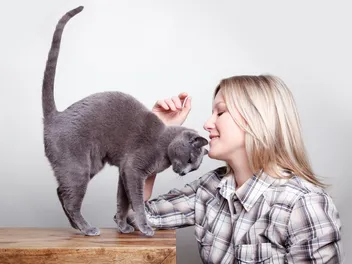
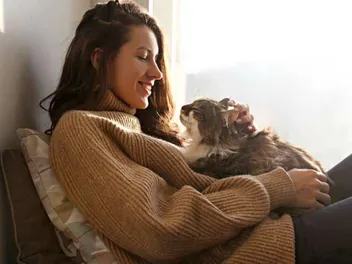
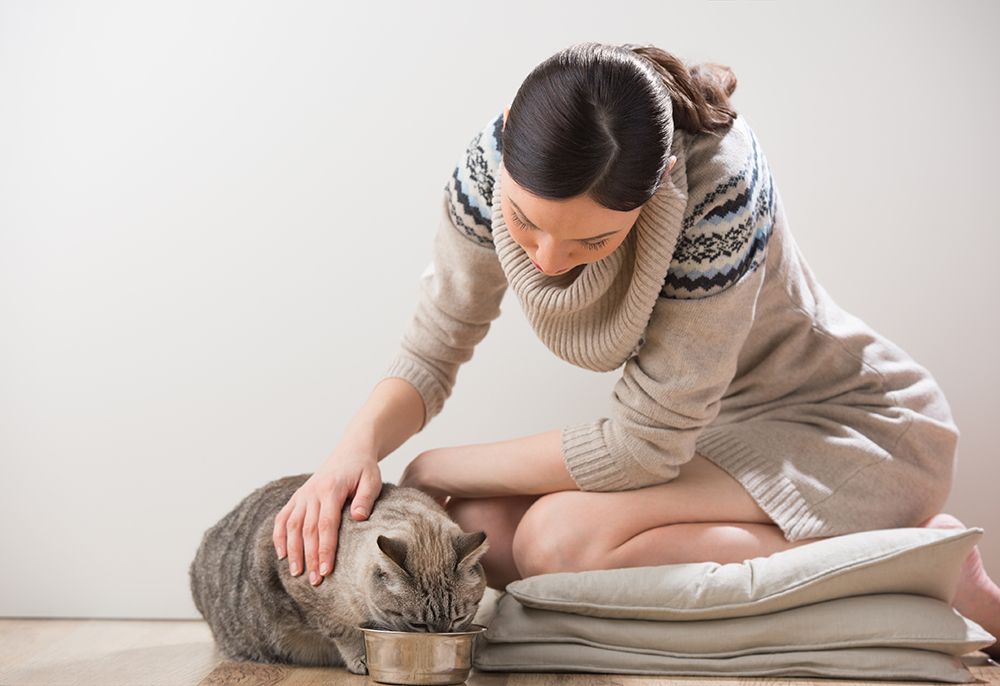
"Affection eating" is the term used to describe cats that require companionship or affection during feeding time. This could manifest as a cat that enjoys having you present while they eat and might be a bit hesitant to eat if you are not around. They could feel more comfortable eating when you are watching or petting them.
Keep in mind that not every cat will be an affection eater, as some cats enjoy being accompanied during feeding time more than others. It’s important to respect your cat’s personal space while they eat and not make feeding time stressful for them. You want to avoid petting your cat while they are eating if they seem uncomfortable. Some cats prefer their space while eating, but others don’t mind the affection.
It will be clear what boundaries your cat has when eating, as most signs of stress or enjoyment of your affection are visible through their body language. A cat that is meowing for you to watch or stroke them while they eat is inviting you to be more affectionate toward them. A cat that is moving away from your touch or appearing irritable should rather be left alone while they eat.

When Is Affection Eating Concerning for Cats?
Most mild forms of affection eating are not a concern for cats. It's not very problematic for a cat to enjoy having you around while they eat if it benefits from your companionship. However, affection eating can become concerning if your cat becomes dependent on your affection to eat and won’t eat unless you are there.
Furthermore, cats might become affectionate eaters because of negative emotions or situations, such as stressors in the environment. These stressors could include moving to a new home, introducing new pets, or noisy construction, amongst others. Your cat could be too stressed to eat alone and will refuse food until you are with them. Some cats can benefit from your encouragement during feeding times, while others could be developing a habit that is difficult to break.
While providing support to your cat is ok, we do not recommend allowing a cat to develop the habit of becoming an affection eater. Why? If something ever happens and you can not be around their life is at risk. Food is a great opportunity for you to bond with your cat, serving it on a plate and placing it in front of them should be enough.
It’s important to discuss any changes in your cats’ eating habits with a veterinarian. It is concerning for a cat to refuse food unless you are giving them affection. There is likely an underlying issue that needs to be addressed, whether it is caused by stress or simply a habit your cat developed that needs to be addressed.
How Can You Help a Cat Overcome Affection Eating?
Let’s take a look below at ways you could help your cat overcome affection eating.
- Place your cat’s food bowl in a quiet area near other pets or people. Some cats do not enjoy eating in an undisturbed area where they feel alone. They might prefer to be around other people or pets when they eat so they feel safer and less vulnerable.
- Try to be less focused on them while they eat. It's okay to want to be near your cat as they eat, but try doing activities around the house where your cat can still see you. Your cat will benefit from your presence but will start adjusting to not having your complete focus.
- Dedicate some of your time to giving your cat attention during activities that do not involve food. This could include playtime, grooming, or a cuddle session on the couch. This allows your cat to receive the necessary social time and affection from you without their eating habits being involved.
- Address any stressors in the environment that could cause your cat to need reassurance during feeding time. Their affection eating habits might start to change once they are no longer feeling stressed.

Conclusion
Affection eating applies to cats that enjoy your affection while eating. They will be content with being watched or petted. In some cases, affection eating can become concerning if your cat refuses to eat without you being there. Cats can become affection eaters for various reasons, such as an old habit or for safety purposes. However, some cats need affection while they eat because they are stressed and want your reassurance. In any way, while your presence during mealtimes can be a tool in some situations, for your cat’s well-being, it is best you do not allow this to become a habit or a necessity. It is best to address the cause and find ways to gradually fade out your interaction and the need for your presence during mealtimes.
See also:
Sources
Featured Image Credit: Milles Studio, Shutterstock
Expert cat care, straight to your inbox
News, insights, and useful advice, delivered to you.

No spam — unsubscribe anytime.
By signing up, you agree to our Terms & Conditions and Privacy & Cookies Policy.
How useful was this post?
Click a star to rate. You can leave written feedback afterwards. (We read all feedback.)
Sarah Psaradelis is an avid young writer with dual passions for literature and animals. She enjoys sharing knowledge of animal care and helping others. Sarah has over 8 years of writing experience and is currently studying veterinary science. She resides in South Africa where she takes care of fish, aquarium snails, dogs, and rodents. Sarah is a passionate vegan activist and animal rescuer pursuing her path to make the world a better place for humans and animals alike.