Get

In Your Inbox

Catster is reader-supported. When you buy via links on our site, we may earn an affiliate commission at no cost to you. Learn more.

Polydactyl Maine Coon Cat Breed: Info, Pictures, Care & Facts
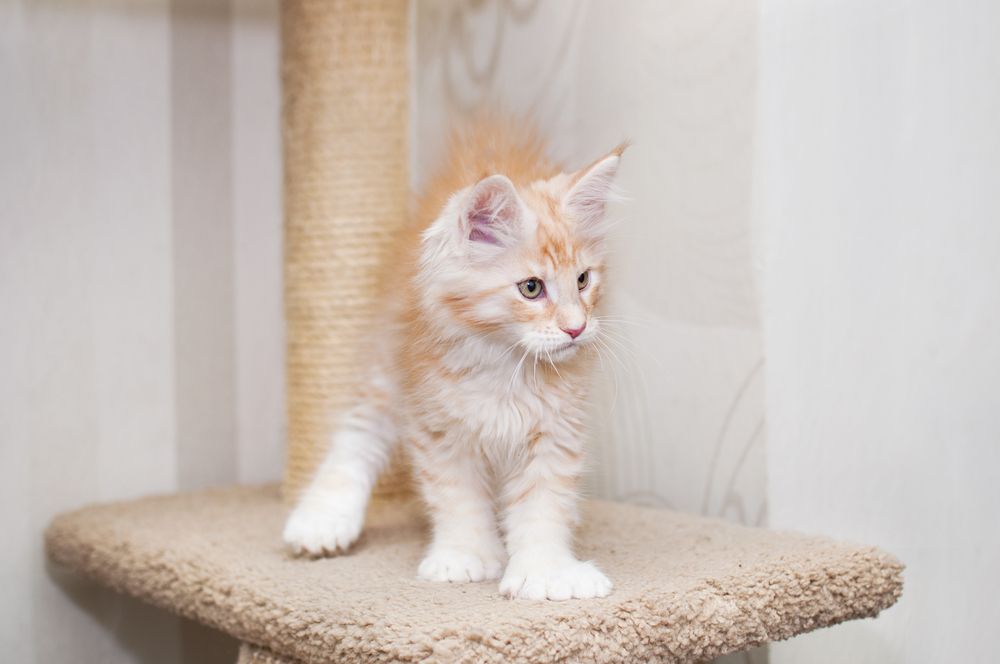
polydactyl Maine Coon

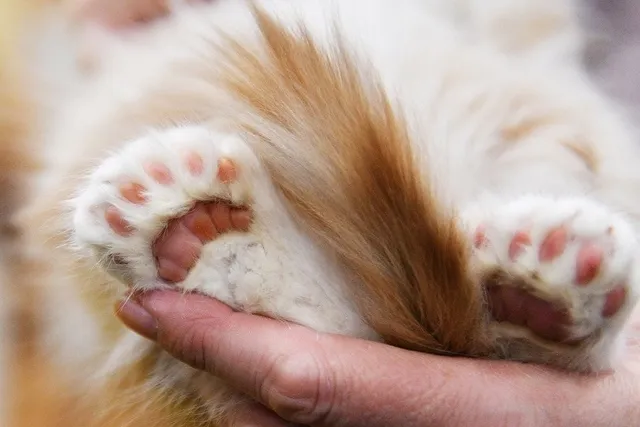
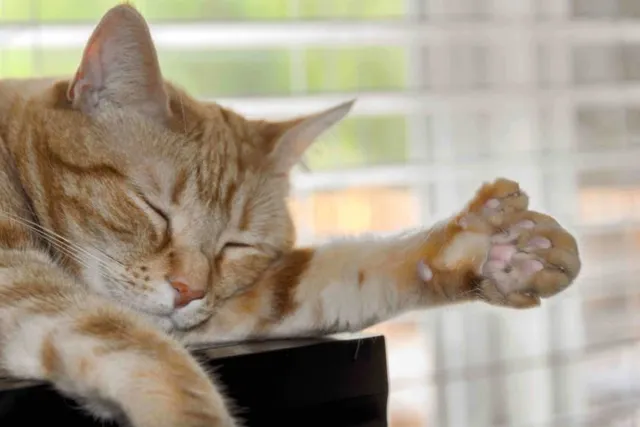
The Maine Coon already gets your attention without even looking at the cat’s feet and their polydactyly or extra toes. This trait can add extra digits to their paws. Polydactyl felines in general have an aura about them, no doubt, because of their association with author Ernest Hemingway. The Ernest Hemingway Home and Museum houses an estimated 60 cats, although they’re not Maine Coons. However, this breed specifically is known for carrying the polydactyl trait. Let’s learn more about these unique felines with extra digits.

Breed Overview

Height:

10–16 inches

Weight:

15–20+ pounds

Lifespan:

12.5+ years

Colors:

All colors and patterns except pointed

Suitable for:

Active families looking for an outgoing cat with dog-like qualities

Temperament:

Playful, intelligent, hardy, friendly

The Maine Coon is an all-American cat breed, with their origin being right in the breed name. The state of Maine even has made them their state cat. It’s fitting, given the feline’s hardiness and muscular bodies. They can handle whatever the Maine climate sends them. It’s not just about the kitty’s large size. Their coat is weather-resistant, which gives them an edge during the harsh winters.

The Maine Coon is almost dog-like in their behavior. It’s one thing that attracts enthusiasts to the breed. Legends exist regarding the cat and their origins. The stories seem to match the large size of the feline. Most interestingly, their polydactyly is symbolic of the breed’s acceptance in cat registries and adds another interesting layer to the pet’s story.

divider 1 paws

Polydactyl Maine Coon Characteristics

Energy
+
A high-energy cat needs a lot of physical and mental stimulation to keep healthy and happy, while a low-energy cat needs minimal physical activity, but still needs mental stimulation. When choosing a cat, It’s important to ensure their energy levels match your lifestyle.
Trainability
+
Cats that are easy-to-train are more willing and skilled at quickly learning prompts and actions with minimal training. Harder-to-train cats are usually more stubborn or aloof and require a bit more patience and practice.
Health
+
Certain cat breeds are more prone to various genetic health problems, and some more than others. This doesn’t mean that every cat in those breeds will have these issues, but they do have an increased risk, so it’s important to understand and prepare for any additional needs they may require.
Lifespan
+
Due to their size or potential genetic health issues of a specific breed, some cats have shorter lifespans than others. Proper nutrition, exercise, mental stimulation, and hygiene also play an important role in your cat’s lifespan and quality of life.
Sociability
+
Some cat breeds are more social than others, both towards humans and other cats and animals. Cats that are more social have a tendency to rub up on strangers for scratches or jump on laps for cuddles, while cats that are less social shy away, hide, are more cautious, and even potentially aggressive. No matter the breed or gender, it’s important to socialize your cat and expose them to many different situations.
Young polydactyl tortie Maine Coon cat kitten
Image Credit: Nynke van Holten, Shutterstock

divider 2 cats

The Earliest Records of the Polydactyl Maine Coon in History

We know that the Maine Coon is one of the oldest breeds in North America. That probably explains its fascination among enthusiasts. The precise origins of polydactyly are unclear, but it begins with the cat. Some tales link the breed with the Vikings. Others credit Marie Antoinette with the feline’s origin. The truth is probably less romantic, involving seafarers traveling to the New World with their cats.

The Maine Coon’s story probably follows a similar path as early feline domestication in the Fertile Crescent roughly 12,000 years ago. Cats proved themselves useful as pest control on ships. Hardiness was another desirable trait under these challenging conditions. However, their known history goes back to the 19th century.

How the Polydactyl Maine Coon Gained Popularity

Pest control undoubtedly helped propel the feline’s popularity. Their hardiness and adaptability to the harsh climate were points in their favor. Their size and dog-like manners also endeared them to fans of this breed. This job nurtured the intelligence and temperament of the breed. Animals assigned to perform pest control have an independent streak, which is helpful for this job.

However, the polydactyl Maine Coon is also a friendly cat. This animal doesn’t hide when things are happening in the household. They want to know what’s going on in most cases. They are very people-oriented, which endeared them to cat lovers. It also helps that they get along with other household members, whether kids or dogs. They’re relatively tolerant and easygoing overall.

Polydactyl Maine Coon Cat
Image Credit: Kutikova Ekaterina, Shutterstock

Formal Recognition of the Polydactyl Maine Coon

The Cat Fanciers’ Association (CFA) recognized the Maine Coon in 1976. The International Cat Association (TICA) followed in 1979. The polydactyl Maine Coon received its separate designation from the TICA in 2015. It’s worth noting, however, that the CFA considers this trait worth withholding the animal from the show ring.

divider 1 paws

Top 4 Unique Facts About the Polydactyl Maine Coon

1. Polydactyly Is a Dominant Trait

Only one parent has to contribute a copy or allele of this trait for it to present visually, making it a dominant trait.


2. No Preference for the Degree of Polydactyly Exists With the TICA Breed Standard

TICA seems to reward the polydactyly trait no matter how it appears in Maine Coon cats. The importance lies in its presence in the felines. On the other hand, the CFA doesn’t view it with merit.

Portrait of Playful Red Maine Coon Cat catching toy his polydactyl paws
Image Credit: Seregraff, Shutterstock

3. The Polydactyl Maine Coon Is a Late Bloomer

Like big dogs, the Maine Coon is slow to mature, reaching their full size at 3 to 4 years. Keep this fact in mind when getting a kitten. The parents should be at least this age before breeding. A reputable seller will ensure this is the case. We suggest asking about the adults’ history to ensure you get a healthy pet.


4. The Polydactyl Maine Coon Isn’t the Only Animal With Extra Toes

Scientists have identified this trait in a few dog breeds, including the Great Pyrenees, Yorkshire Terrier, and Shetland Sheepdog.

divider 2 cats

Does the Polydactyl Maine Coon Make a Good Pet?

There’s a lot to be said for a hardy cat that is tolerant of many things. That describes the polydactyl Maine Coon, extra toes aside. They are hardy and relatively healthy. They are playful and agreeable with most pets and people, including kids. They are intelligent but need enrichment. That’s true of any animal to prevent boredom, though, as a bored pet is a destructive one.

The polydactyl Maine Coon loves people, so they thrive best with pet owners who interact with their cats often. These felines need this attention. They are good pets if they get the love and mental stimulation they need. You should groom your pet regularly, checking their ears and trimming their nails to keep them used to this handling.

The polydactyl Maine Coon loves attention, but they aren’t cuddlers. They like to observe and interact on their own terms. Nevertheless, these cats are sweethearts if you want a pet that stays involved with the household.

Health concerns with the Maine Coon are minimal, and the effects of being polydactyl are minimal. The cats adapt to their differences without any problems.

divider 1 paws

Conclusion

People often describe the polydactyl Maine Coon as a gentle giant because of the animal’s relatively large size compared to other cats. They have big mitts to match their large bodies. While the CFA doesn’t recognize this variation, the TICA embraces them with their own designation. Many find this trait endearing and unique. Nonetheless, this cat couldn’t be friendlier or more playful.


Featured Image Credit: Kutikova Ekaterina, Shutterstock

Want content like this delivered to you?

Sign Up For Our Newsletter

News, insights, expert advice, and everything cat

* By submitting, you agree to our Terms & Conditions and Privacy & Cookies Policy.


How useful was this post?

Click on a star to rate (you can leave written feedback after clicking submit)

Help us improve Catster for pet parents!

Your feedback really matters.

What did you like about this post? Also how can we improve it?

Join the conversation

2 Responses

    1. Hi Carol. Thanks for reading us. You can find information about Manx cats in the following posts:
      https://www.catster.com/cat-breeds/manx-cat/
      https://www.catster.com/cat-breeds/manx-cat-history/
      https://www.catster.com/cat-health-care/manx-cat-health-problems/
      https://www.catster.com/ask-the-vet/manx-syndrome-in-cats/
      https://www.catster.com/lifestyle/manx-cat-colors/
      We hope you enjoy!

Leave a Reply

You’re very welcome to leave a comment or question. Please know that all comments must meet our community guidelines, and your email address will NOT be published. Let’s have a positive and constructive conversation.


Talk With A Vet Online

Peace of mind,
anywhere, anytime

Affordable vet advice

How Much Does a Munchkin Cat Cost in 2026? Updated Price Guide

With their large, curious, owl-like eyes and little legs, it’s easy to see why Munchkin cats get so much attention. These intelligent, incredibly...

9 Cat Souvenirs to Buy When Traveling the World

Traveling the world is always fascinating, and shopping for souvenirs is often a major part of the fun, regardless of whether you’re looking...

What Kind of Cat Breed Is Beluga? Influencer Interesting Facts

If you’ve spent any time on YouTube recently, you’ve surely run into the unmistakable Internet personality “Beluga.” This YouTube channel is headed by...

Can Cats Eat Animal Crackers? Vet Reviewed Facts

Picture the scene: You’ve stolen a few minutes to enjoy some animal crackers, and your cat comes over, settles at your feet, and...

More related

Can Cats Drink Milk? Vet Approved Nutrition Facts & FAQ

Cats drinking a saucer of milk or cream is something we can all picture. Cats have been drinking milk in advertisements, cartoons, and...

How to Train a Savannah Cat: 5 Vet-Reviewed Tips & Tricks

As majestic as a wild cat and as friendly as a house cat, the Savannah Cat is unique and intelligent and has been...

How Long Do Sphynx Cats Live? Vet Reviewed Lifespan, Care Tips & FAQ

You can’t help but notice a Sphynx cat. The large ears and almond-shaped eyes command your attention. It’s no wonder that they are...

Cat Hairballs: Our Vet Explains How to Treat Them

Yuck! Your cat had retched up something long and hairy. Is it a mouse that didn’t get digested? Chances are that your cat...

Keep reading

Can Cats Eat Radishes? Vet-Reviewed Facts & FAQ

We all know that cats are carnivores. However, we also know that some cats enjoy human foods, whether animal-derived or plant-based. Many cats do not want to eat veggies unless they’re secretly hidden in their food, but some do like...

Can Cats Eat Radishes

Are Pothos Toxic to Cats? Vet-Verified Facts & Information

Golden Pothos are among the most common houseplants. They are exceedingly easy to take care of and easy to find. Their large leaves make them very aesthetically pleasing. They’re also relatively slow-growing, so they don’t need to be repotted often....

Catster_Are Pothos Toxic to Cats

My Cat Ate a Dryer Sheet! Vet Reviewed Information & What to Do!

As cat parents, we all know that cats are curious, mischievous, and can get into any number of things they shouldn’t. That includes toxic chemicals, toxic plants, and even dryer sheets. Fabric softeners, both in liquid and dryer sheet form,...

My Cat Ate a Dryer Sheet

10 Flea and Tick Diseases in Cats: Vet-Verified Facts & FAQ

Living with cats means you will, at some point, have to deal with fleas and potentially ticks. Although we often talk about them in the same breath, they are quite different. Fleas are smaller and have six legs while ticks...

domestic-cat-with-skin-desease

Why Do Cats Like Bathtubs? 9 Possible Reasons (Vet Reviewed)

While it’s common knowledge that many cats don’t like water, it’s not uncommon for cats to spend time hanging out near bathtubs. They typically don’t like bathtubs that have much water in them, but some cats seem to have an...

a cat sitting in the bathtub

How Do Cats Fall Asleep So Fast? Vet-Reviewed Feline Sleep Cycle

So, we’ve probably all used the term “catnap” to describe a short stretch of sleep that we take during the day. Perhaps it’s because cats are perceived as lazy, but anyone who lives with a cat knows that this is...

cute ginger kitty

Arm and Hammer Cat Litter Review of 2026: Recalls, Pros & Cons

Review Summary Cat litter is an essential item on any cat owner’s shopping list, and most of us have heard of Arm & Hammer, a brand that has been on shelves for over 170 years. All Arm & Hammer cat...

Arm & Hammer Cat Litter Review

5 Amazing DIY Cat Diapers You Can Create at Home (With Pictures)

If you are a cat lover, then you know that sometimes they have accidents. When this happens, it is important to have a plan in place to deal with the mess. One option is to use cat diapers. Cat diapers...

cat wearing diaper

Love Cats? So Do We! Join the Catster Community

Stay informed with expert pet care insights delivered straight to your inbox! Discover professional guidance on animal behavior, feeding tips, trusted product picks, and much more.


Sign up for the Catster Email Newsletter

Stay informed with expert pet care insights delivered straight to your inbox! Discover professional guidance on animal behavior, feeding tips, trusted product picks, and much more.