Does Bleach Kill Fleas on Cats? Vet-Verified Facts & Safety Guide

In this article
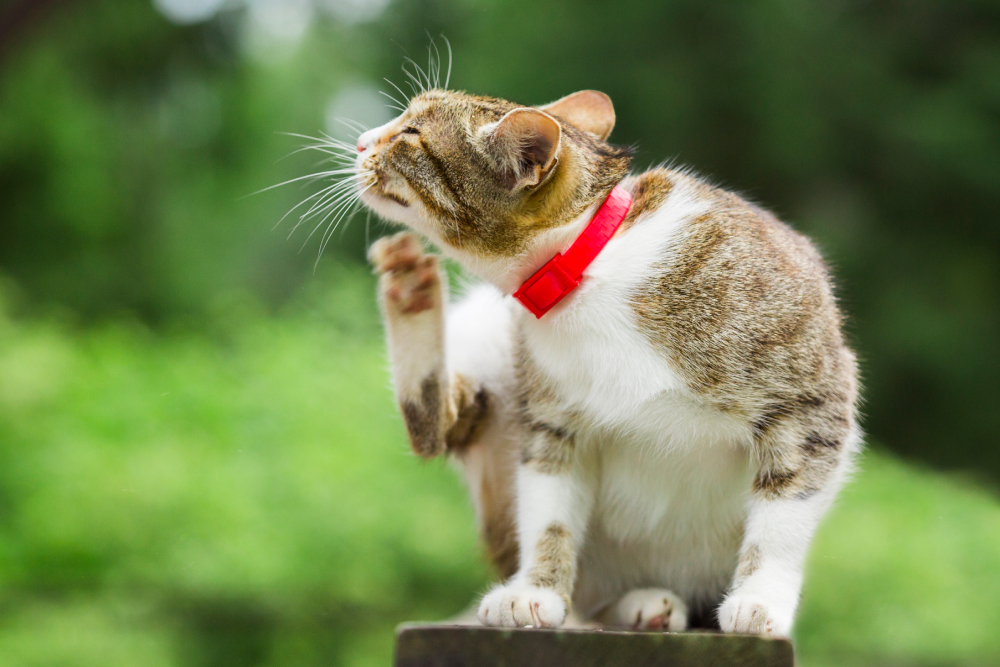
Have you spotted fleas crawling all over your favorite furry friend? You might have heard that bleach can kill fleas, but hold off before grabbing the bleach bottle! While bleach will kill fleas on hard surfaces, it should never be applied to your cat.
In this article, we’ll tell you everything you need to know about using bleach to kill fleas, but before you read any further, it’s important to understand that bleach (sodium hypochlorite) is hazardous to cats. If you think your cat has been in contact with bleach, especially if they ingested some, you should call a veterinarian immediately.

Is Bleach Safe for Cats?
Bleach is not considered safe for cats, just as it is not safe for humans. However, it will kill fleas on hard surfaces such as hard flooring and counters. The fumes from the bleach can cause breathing difficulties for your cat. Direct contact can result in bleach poisoning, causing skin and tissue irritation, vomiting, drooling, and coughing.
To prevent bleach poisoning, follow these tips:
If you think your pet has been in contact with bleach, wash the area with water, give them clean water to drink, and call a veterinarian immediately.
Does Bleach Kill Fleas?
Bleach, or sodium hydrochlorite, kills fleas and flea eggs, but its effectiveness will depend on the concentration. The more diluted the bleach is, the longer it takes to work. If you’re using diluted bleach to clean a hard surface, leaving it to soak for around 10 minutes before rinsing and wiping it away is ideal.
The problem with using bleach, however, is that it is very likely that flea eggs will be hiding in dust spores all around your house, including on soft furnishings such as seats, cushions, beds, blankets, and rugs. If you want to get rid of fleas, you’ll need to address all the areas in your home that could harbor hidden fleas!
What Will Kill Fleas on Cats Immediately?
The fastest and most effective way to kill fleas that are currently on your cat is by giving them an oral medication prescribed by your vet called nitenpyram. Nitenpyram will kill the adult fleas on your cat within 30 minutes.
Unfortunately, the flea eggs will remain on your cat, and once they’ve hatched, they can reproduce within a couple of weeks. Additionally, this medicine won’t get rid of any fleas that may be hiding around your house.


How to Get Rid of Fleas
Depending on the severity of the infestation, it can take weeks to months to get rid of fleas entirely, but if you stay on top of a flea-control routine, you should be able to keep a flea-free home and pets.
1. Sanitation
If you’ve noticed that your pet cat has fleas, you first need to clean your home. Wash your cat’s bedding, rugs, and other soft furnishings that your cat likes to spend a lot of time in. Sweep, vacuum your floors, and dust all around your home, including the skirting boards. Continue this weekly to keep your environment free of fleas that may hatch and risk reinfecting the environment.
2. Bathing Your Cat
The second step in your flea-control process is to treat your cat with a suitable flea product for cats designed to kill fleas. Your veterinarian prescribes the most effective ones, and if you have multiple pets, you’ll need to treat them all!
Remember, most flea infestations take many months to eradicate completely, so pets must be treated for the duration of this period.

3. Home and Pet Treatment
If you suitably treat your cat longer than the life cycle of the fleas and keep your home clean, home treatments, such as flea bombs, are generally not needed.
4. Maintaining the Routine
Using a spot-on treatment, washing your cat’s bedding, vacuuming, and dusting your home regularly will help prevent a future flea infestation.


Final Thoughts
While it’s true that nobody likes fleas, remember that the occasional flea infestation is an entirely normal part of having a pet. Even if you clean your home excessively, your cat or you could bring fleas home from outside.
You can use bleach to kill fleas on hard surfaces, but you’ll need to combine this effort with other steps to eliminate the fleas. You must never use bleach on your pet. Instead, use a recommended insecticide, such as a spot-on treatment, and treat your home as well. Regular vacuuming, dusting, and washing of the cat’s bedding will prevent fleas from spreading through your home.
You Might Also Be Interested In:
Does Lysol Kill Fleas on Cats? Effectiveness & Safety Explored
Does Cedarwood Oil Kill Fleas on Cats? Vet Approved Facts & FAQ
Sources
Featured Image Credit: JumpStory

Expert cat care, straight to your inbox
Vet-reviewed advice, behavior tips, and the best of Catster. Free, and you can unsubscribe anytime.
By signing up, you agree to our Terms & Conditions and Privacy & Cookies Policy.
Christian started writing for a local newspaper as a teenager, and he's been involved in the publishing industry for most of his adult life. Combining his love of writing with a passion for animals, he is currently the Director of Editorial at Pangolia and the Editor-in-Chief at Catster.
Christian lives in the Philippines with his wife, son, and four rescue cats: Trixie, Chloe, Sparky, and Chopper.
Join the conversation
Ask a question, share your story, or send private feedback.