Does Lysol Kill Fleas on Cats? Vet-Verified Facts & Safety Guide


In this article
Fleas endanger our pets and homes beyond the bites and unpleasant stigma attached to infestations. They are also hosts to other parasites, such as tapeworms, which can hatch inside your cat’s intestine if ingested. In some cats, flea bites can also cause an allergy and lead to severe skin irritation that requires veterinary attention.
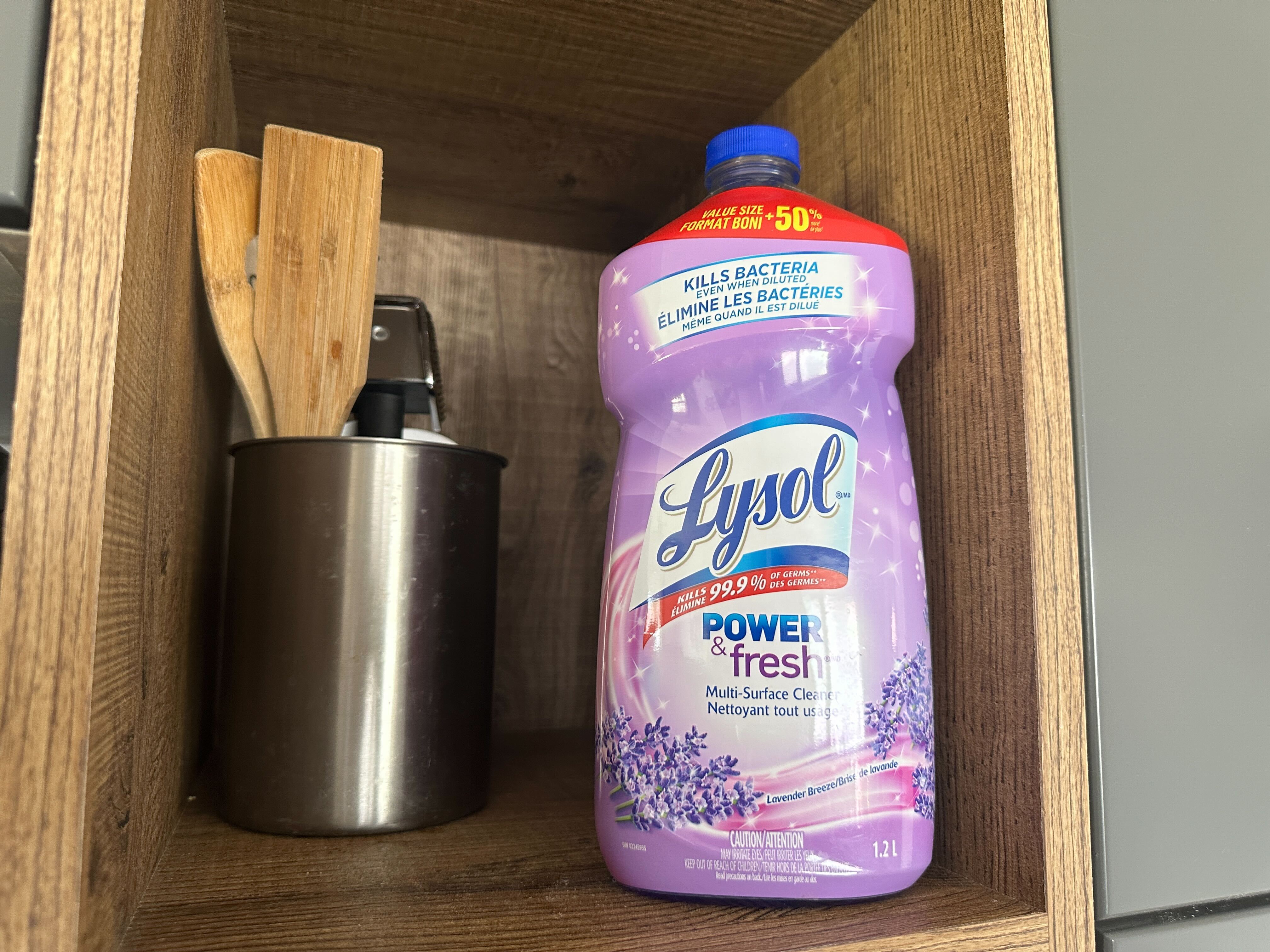
Lysol is a popular brand of disinfectants and cleaners. Depending on the formulation, it often contains various amounts of hydrogen peroxide, ethanol, and benzalkonium chloride as the main active ingredients. So, does Lysol kill fleas? Anecdotally, it may kill fleas, but there is no scientific evidence to prove its effectiveness at all. The chemicals in Lysol and other commercial cleaners are toxic to cats and should never be used on any animals.

Why Lysol Should Be Avoided Around Cats
Lysol isn’t safe for cats because of several active ingredients: benzalkonium chloride, ethanol, and hydrogen peroxide.
- Hydrogen peroxide kills a wide range of bacteria, viruses, yeasts, and spores, while alcohol compounds, depending on the specific formulation, have a variable effect against bacteria and viruses.
- Hydrogen peroxide can cause severe tissue damage to your cat’s esophagus and stomach and lead to intestinal bleeding if swallowed. It can also damage the skin.
- Ethanol and other alcohol preparations used in Lysol are toxic to your cat, leading to gastrointestinal, respiratory, nervous system, and heart disturbances. The liver and kidneys may also be affected, and alcohol poisoning can lead to death in pets, depending on the ingested dose.
- Benzalkonium chloride is also poisonous to your cat. Signs of toxicity include drooling, fever, and tongue and mouth ulcers. Thus, you’ll always want to keep your cleaning cabinets locked if you have a curious cat. If you suspect your cat might have licked the surface you cleaned with Lysol or come in contact with it another way, contact your vet immediately.

Do I Have a Flea Problem?
In case you’re wondering if you have an infestation already on your hands, flea eggs are very small and hard to spot. They are only about 0.5 millimeters long and have an oval shape. Flea larvae are 2–5 millimeters long and resemble tiny worms. You are unlikely to see them during an infestation because they quickly burrow deep into carpets, cracks, pet beds, and grass.
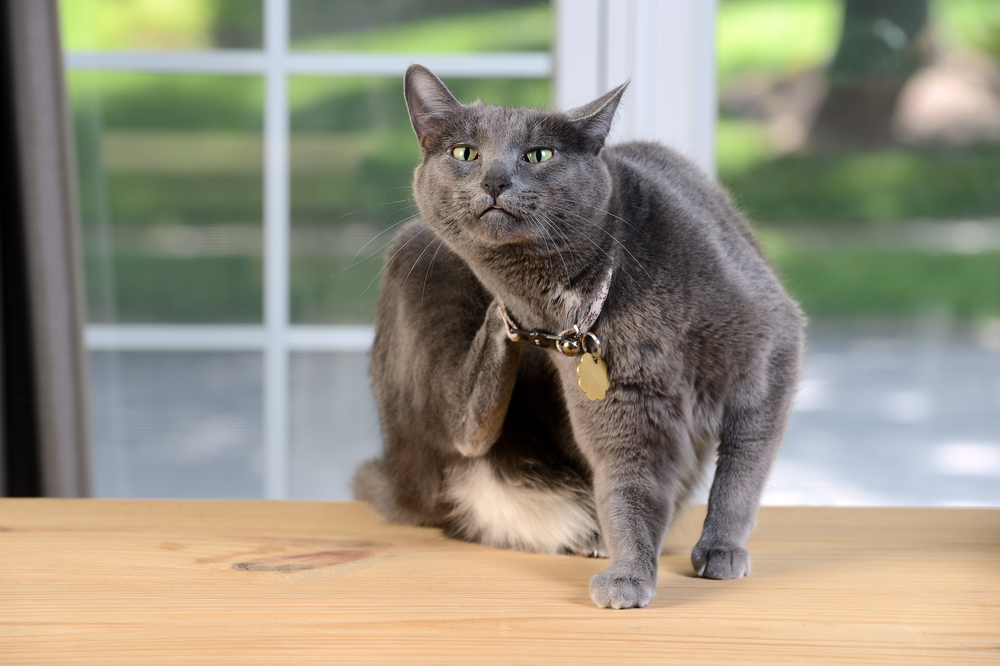
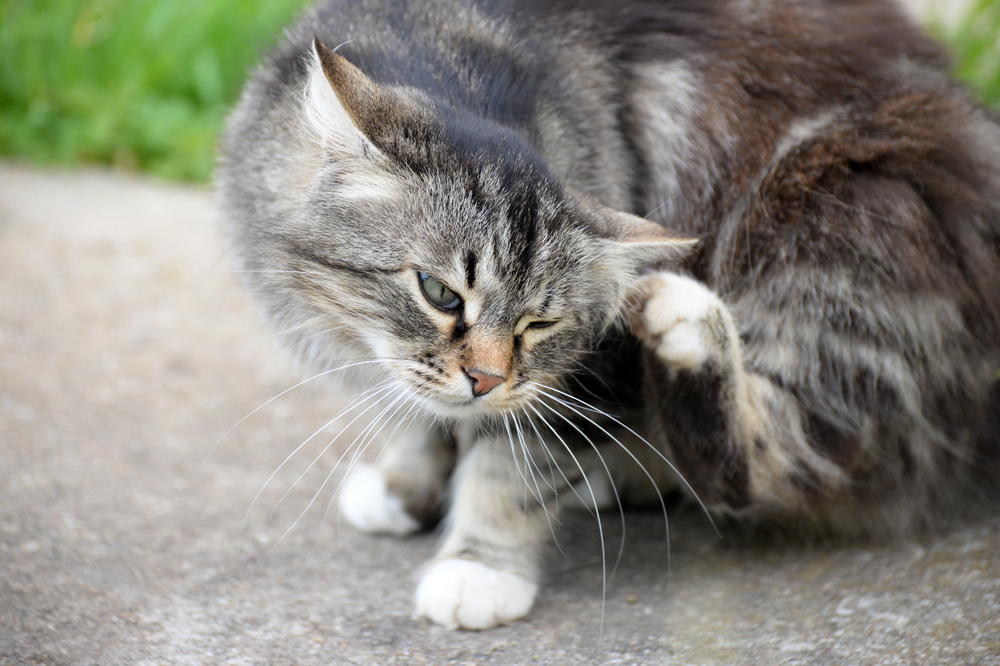
Adult fleas are easily spotted with the naked eye but may be hard to catch due to their amazing jumping skills. If you see black, crumbly specks that look like coffee grounds on your cat’s body, you can be sure that fleas are present. The black specks are flea poop. They contain dried blood from the host and will turn reddish brown if exposed to water.
Why Fleas Are a Big Deal
On average, a single female adult flea lays 20 eggs daily, sometimes even as many as 50. Flea eggs make up around half the entire flea population in the home. Depending on the temperature and humidity, it only takes 1 to 10 days for the eggs to hatch. From there, the larvae quickly grow over 5 to 20 days and form a cocoon (pupa stage).
Pupae can survive for months in the environment, but adult fleas will eventually emerge, usually after several days or weeks, when they sense vibrations and movement, rising carbon dioxide levels, or body heat indicating the presence of a host they can feed on. Female fleas will feed first and then produce eggs within a few days, and the cycle repeats. Since fleas grow and multiply quickly, only a few pesky critters can start an entire infestation.
Cats often suffer from allergies and can be allergic to flea saliva. As little as one flea bite in an allergic cat can cause significant and painful skin irritation and, often, sores from excessive scratching and licking. These will require veterinary attention. Fleas serve as intermediate hosts to tapeworms, which means that the tapeworm cannot complete its life cycle without the presence of fleas.
The worms can hatch in their intestines if your cat or dog accidentally eats a flea while grooming. In rare cases, tapeworms may even infest humans, especially children, if they swallow fleas. If you suspect your cat has fleas, it’s best to speak to your vet about the most appropriate vet-approved flea treatment available so you can get the infestation under control quickly!
How to Prevent Fleas
Many people believe that fleas are only an issue in the warmer months and are absent in the winter, but this is not the case. Temperatures as low as 55.4°F (13°C) will cause a failure in the larvae to pupate, while at 46.4°F (8°C), 100% of pupae will die within 20 days and 72% of pre-emerged adults will die by day 40. Exposure to 37.4°F (3°C) for 10 days and 30.2°F (-1°C) for 5 days is lethal to pre-emerged adults, while the vast majority of pupae will die within a day.
As you can see, colder temperatures drastically reduce flea survival. But even in the winter, your home never gets that cold, so the temperature inside is more than adequate for the flea life cycle to continue. That is why you should keep up with preventative flea treatment for your cat even during winter months. Your vet will advise you on the best prescription product available.
Unfortunately, despite your best efforts, you may occasionally spot a few fleas or flea dirt on your cat or around your home. The most important prevention and treatments for your cat are based on veterinary-approved medicines that must be administered appropriately and regularly.
That way, you will stop fleas from laying eggs and contaminating your home, causing the vicious cycle to repeat. Alongside this, you should develop a house-cleaning regimen. Just a few hours a few times a week cleaning the house can help prevent infestations, which otherwise can take hours of labor every day and might not resolve for several months. On top of that are the health hazards that come with fleas, such as tapeworms and skin irritation.
1. Vacuum Frequently
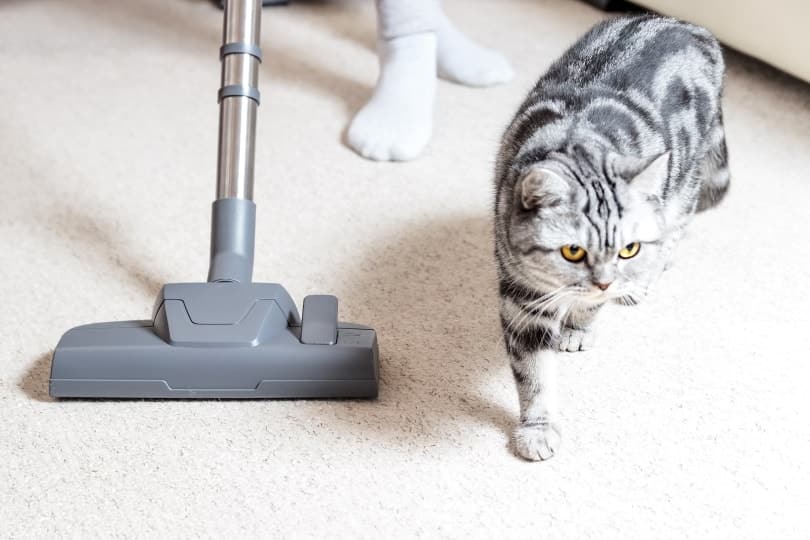
If you can’t wash something, vacuum it well and often. During an infestation, vacuum once daily. Carpet, bedding, and sofas must be cleaned and vacuumed at least once a week to clear any possible flea eggs. Be sure to knock out the filter directly into the outside trash can to prevent the tiny flea eggs from landing inside your home.
2. Spray Fabrics With Natural Flea Repellent
You might consider spraying bedding with a natural product or essential oil-based flea repellent for added protection. A licensed commercial pest control applicator should be contacted for advice on the best products to use in your home and yard, especially in shady areas and places where pets spend most of their time.
If you are considering natural or commercial products, be careful not to apply or spray around your cat because many essential oils and ingredients can be toxic. Make sure the product doesn’t contain permethrin since it is extremely dangerous for cats. It’s best to speak to your vet before choosing a product for your home.
The treated area needs to dry completely before it’s safe for animals and children to re-enter. You should never use pest control products directly on your cat, even if some are marketed for use on pets, as there is no evidence to confirm they are effective against fleas and no guarantee they are safe for your cat.

3. Wash Bedding in Hot Water at Least Once a Week
Machine-wash sheets on the hot water setting every week, especially if your cat sleeps in your bed. You'll also need to wash their bedding weekly or vacuum it if it's spot-clean only.
4. Apply Vet-Approved Flea Prevention Formulated for Cats
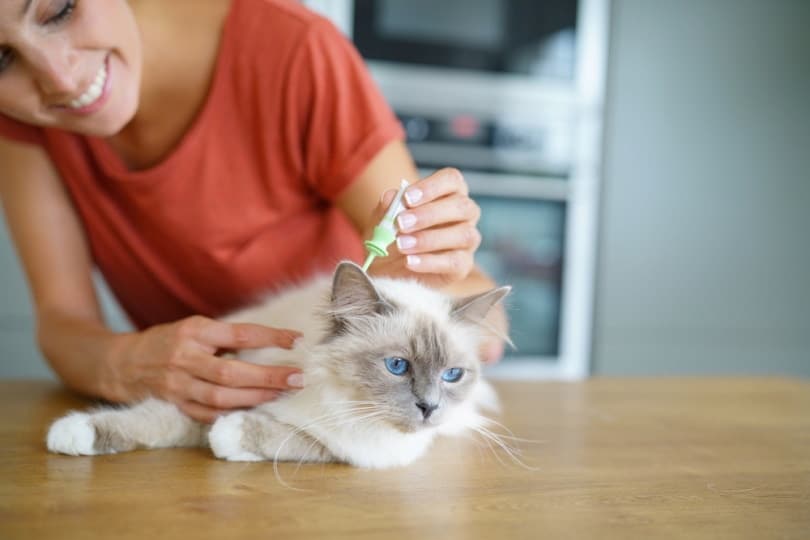
Topical and oral medication, many of which require a veterinary prescription, is the mainstay of flea prevention and treatment for cats. Make sure you treat all the cats in the house, and if you have other pets, they also need safe and species-appropriate treatment. If you have a canine under your roof, take extra care not to mix up their medicine.
Pyrethrins and permethrins are common insecticide agents in flea prevention products for dogs, but both are deadly for cats and fish. Flea control products differ in formulation, how they affect adult fleas, and their developmental stages. Speak to your vet first about the best flea product for your cat, and mention any other pets in the house.

5. Put a Halt to Existing Infestations with a Capstar Tablet.
If your cat already has fleas, you might want to give them a Capstar tablet. The medicine starts working within 30 minutes, and all fleas on your cat should drop dead within 48 hours. Capstar tablets are safe for cats and kittens as long as they are at least 4 weeks old and weigh at least 2 pounds.
The product does not require a veterinary prescription. However, speak to your vet if you are unsure how much to give your cat. Capstar will only kill adult fleas and does not affect larvae, pupae, or eggs. Therefore, your cat and home will still be infested with fleas since it is not sufficient to control the issue on its own and needs to be combined with other treatment options. Side effects of Capstar are uncommon but possible.
6. Flea Comb Your Cat Regularly
Every time you spot the “coffee grounds,” you’ll want to comb your cat to ensure the fleas don’t get out of hand. But you can also do it more regularly, as it’s a good way to spot flea dirt and fleas. You can dip the flea comb in a mixture of dish soap and water to catch the fleas and stop them from jumping away.
Although fleas can survive in plain water for days, the dish soap serves as a surfactant, which causes them to sink and drown. During the hotter times of the year, you may want to flea comb your cat at least once a week to ensure they’re clear. Ensure you regularly treat your cat for fleas with a safe, vet-approved product.

7. Consider Keeping Your Cat Indoors or Providing a Secure “Catio” For Outdoor Exercise
One way to minimize your cat’s exposure to fleas could be to keep them indoors or control their outdoor activity by providing a safe enclosed space for them to exercise and enjoy the outdoors, such as a “catio.” Of course, fleas will be present in the environment and can reach your cat from other animals that might pass through your yard, such as rodents.
Your “catio” will still need regular cleaning to ensure no flea eggs are waiting to hatch. Even indoor cats can get fleas, so regular flea prevention and treatment with a vet-approved product is crucial.
Disclaimer: Please be aware, as we have already mentioned, that some dog flea products on the market are based on compounds called Pyrethrins, which are highly toxic to cats and fish. Please take special precautions, use only cat-specific anti-flea products on your cat according to your veterinarian’s advice, and follow the manufacturer’s instructions carefully. The recommended site, dosage, and frequency of application should never be exceeded. If you have a multiple-cat household, it is recommended to keep your cats separate to avoid ingestion of toxic chemicals via allogrooming. Always consult with your veterinarian before applying any treatment to your cat. Never use a pyrethrin-based product in the same room you keep a fish tank. Use gloves and keep away from children. Kindly dispose of the bottles considering safety precautions. The information about these products has been fact-checked by one of our licensed veterinarians, but the purpose of this post is not to diagnose illness or prescribe treatment. The views and opinions expressed are not necessarily those of the veterinarian. We recommend contacting your pet’s veterinarian before purchasing any over-the-counter flea product.

Conclusion
Lysol isn’t a safe or effective treatment for fleas. The hydrogen peroxide, alcohol, and benzalkonium chloride chemicals are all toxic to your cat. While some anecdotal reports calm that Lysol kills fleas, there’s no objective evidence that Lysol is an effective insecticide. A diligent cleaning routine combined with regular flea control using vet-approved products is the best method to tackle the fleas and keep your cat safe. Speak to your vet about flea prevention and treatment before the infestation worsens, as you might feel the consequences for months.
Related Reads:
Sources
Featured Image Credit: Catster

Expert cat care, straight to your inbox
Vet-reviewed advice, behavior tips, and the best of Catster. Free, and you can unsubscribe anytime.
By signing up, you agree to our Terms & Conditions and Privacy & Cookies Policy.
Brooke Norris is a freelance writer who lives with three cats and a dog. She has a B.S. in Media Studies from the University of North Georgia. Booke loves storytelling and spending time with her pets at their house in New Orleans, Louisiana. In her free time, she enjoys gardening, cooking, and brewing coffee.
Join the conversation
Ask a question, share your story, or send private feedback.