Does My Cat Need a Catio? Vet-Reviewed Pros, Cons & FAQ

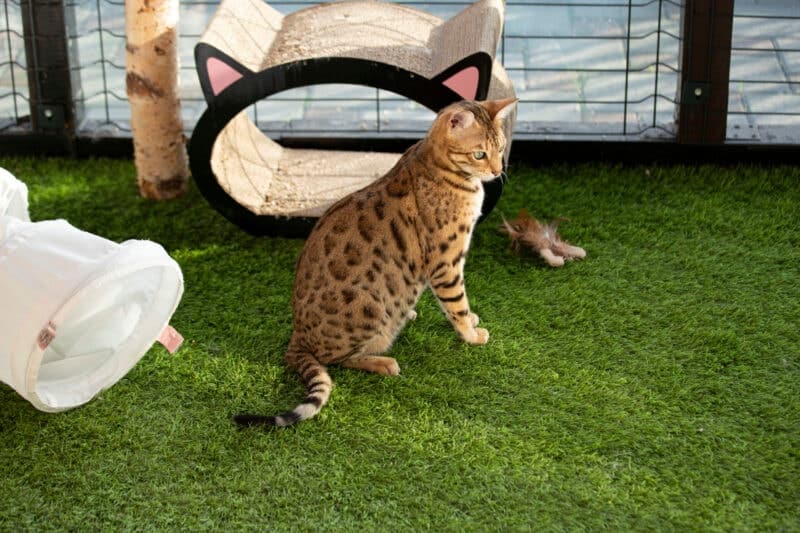
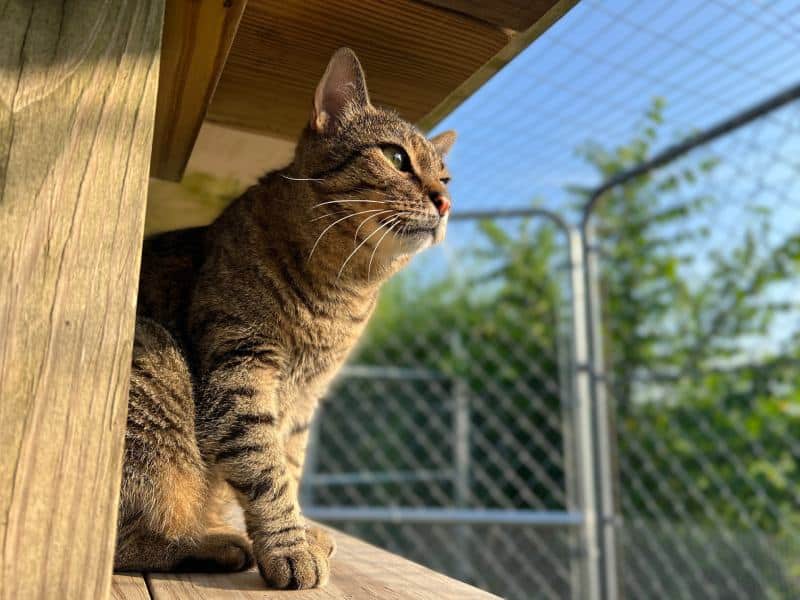
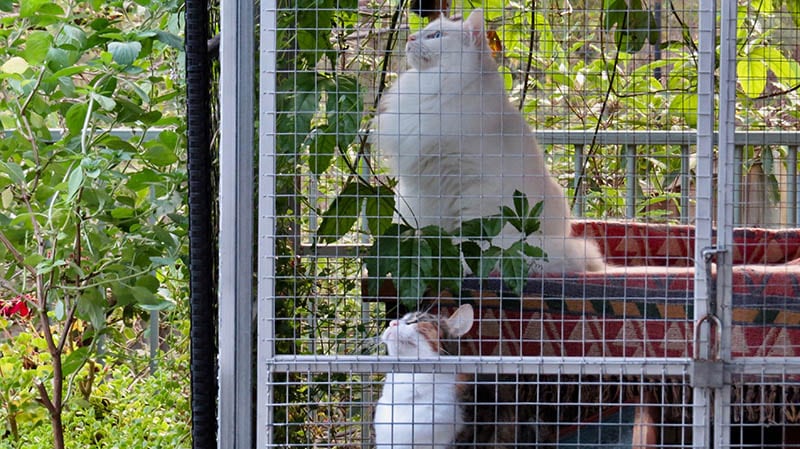
Catios are purpose-built enclosed places for cats to enjoy the outside world safely and securely. Felines that spend time in a catio get to feel the breeze run through their fur and enjoy the sun without being able to wander off. So, if your cat enjoys watching the world go by from a window or always makes an escape attempt at your door, they might benefit from a catio!

How Does It Work?
Catios are outdoor spaces constructed specifically for cats and are typically attached to the owner's home or as a stand-alone structure within the boundary of their property. The entrance to a catio can be as versatile as the catio itself, with some having a cat flap or door in the side, others having an entry through a window, and some even having a specially built tunnel leading from the house.
Catios usually allow indoor cats to experience the outdoors to feel, smell, and see their surroundings. This is an excellent way of enriching an indoor cat's life, particularly as many catios have extra furnishings and fittings to make them feel at home.

What Is the Primary Purpose of a Catio?
Catios are primarily used as a source of enrichment for indoor-only cats, allowing them access to the outside in a controlled way.
Outdoor cats have a huge impact on local wildlife due to their predatory instincts. Only in the U.S., it is estimated that outdoor cats kill approximately 2.4 billion birds every year. Catios enable cats to experience the world without putting themselves or the wildlife at risk. Owners can also use them to minimize the spreading of infectious diseases and to reduce cat-on-cat conflicts by letting each cat in the house display natural behavior in a designated space without fighting.

What Are the Different Types of Catios?
Catios can be made of different materials in different shapes and sizes and placed in many areas. The catio’s design and specifications can be tailored to the tiniest detail, ensuring it caters to your cat's needs. Some catio companies offer bespoke packages that are 100% customizable, and others come in a flat-pack box for self-assembly.
Materials Used for Catios
Catios are usually constructed from treated wood and sturdy wire mesh, but can also have metal elements and plastic sheeting incorporated into the design. Of course, the materials used must be waterproof and (more importantly) cat-proof. Treated wood and wire mesh combinations are effective, sturdy, and cost-effective materials to construct a catio.
Catio Designs
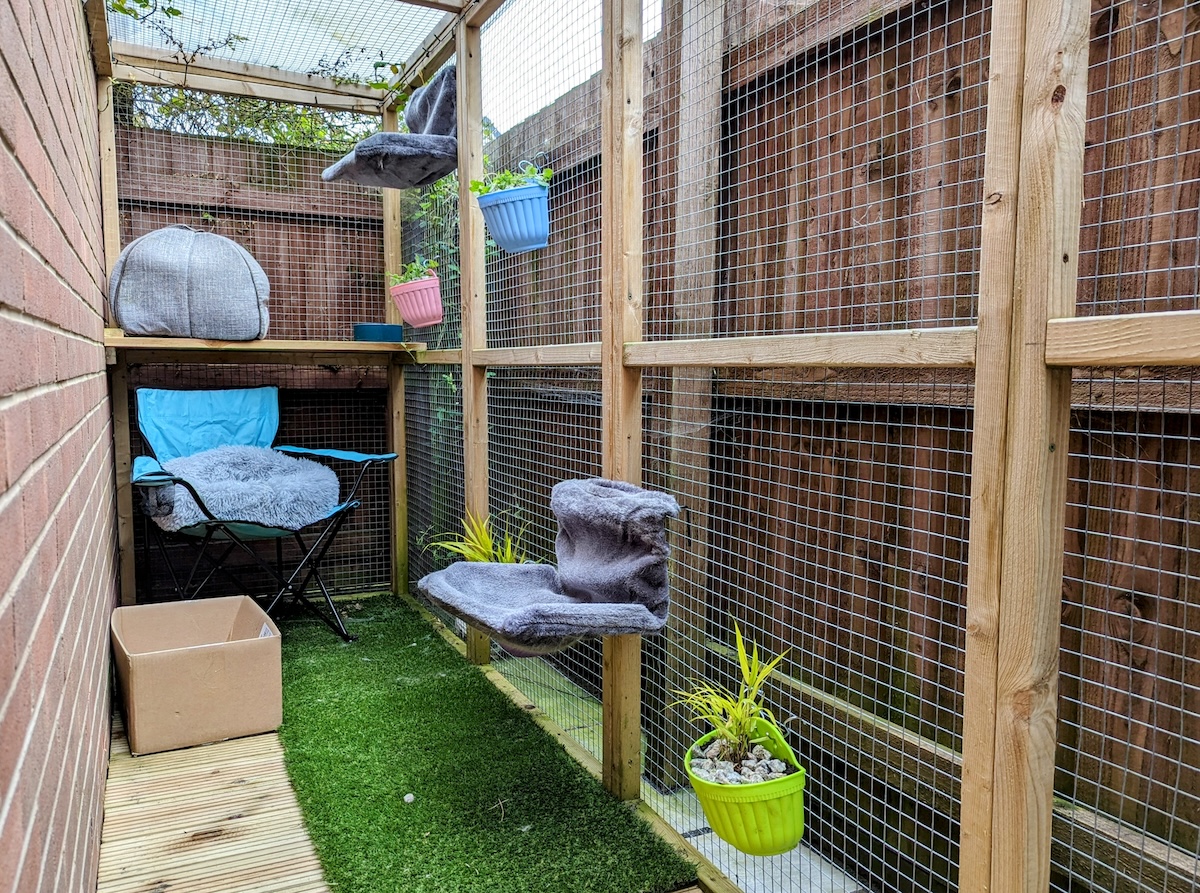
The design of the catio is totally up to the owner. The great thing about them is that they are so customizable; a catio can range from a small window box just big enough for a curious cat to sit to a multi-level structure with electricity and heating. The sky is the limit when it comes to catio design!
Some catios can be custom-made by catio companies, with bespoke fixtures and fittings for each cat. They can be made with additional supports for elderly cats, warming pads or enclosed places for cats with illnesses, and built-in toys for kittens. Alternatively, many businesses now sell pre-made catios for home construction. Finally, if you're feeling crafty, a catio can be made DIY style by using plans found or bought online, with many of them using wood and chicken wire as the base materials.

Where Is a Catio Used?
Catios are commonly used in houses or neighborhoods with high areas of traffic, wildlife regulations (keeping the cats inside), or places where letting a cat outside would be dangerous for them. They are commonly used worldwide by cat owners who want to give their cats more enrichment opportunities, and they're very popular in the U.S., as they keep cats safe and entertained while protecting wildlife.
Catios can be made to fit anywhere. They can be placed outside a window as a window box, which can be perfect for those living in places without yard access. Catios can also be placed on balconies, giving cats who live in an apartment an outside option. Even houseboats can have a catio built in, giving cats a taste of the sea air without the risk of falling overboard!

Pros & Cons of Catios
Advantages of Catios
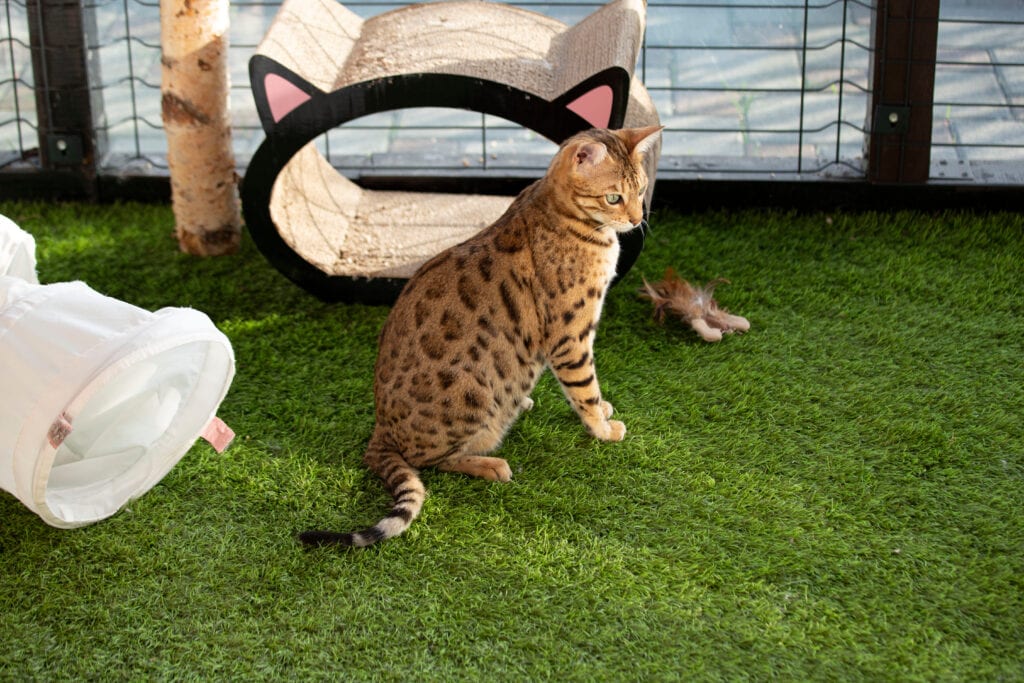
When considering the advantages of catios, we first think of the benefits to the cats that frequent them. Catios give cats a safe space to display natural behavior that may be seen as a "problem" in the home. For example, scratching and running about can be two behaviors that annoy owners when they're done inside the house. A catio can provide a cat with the perfect space to scratch and go wild without impacting their owners. Cats that like to scratch furniture can be given scratchers, cat trees, and even old furniture inside their catios to mark on.
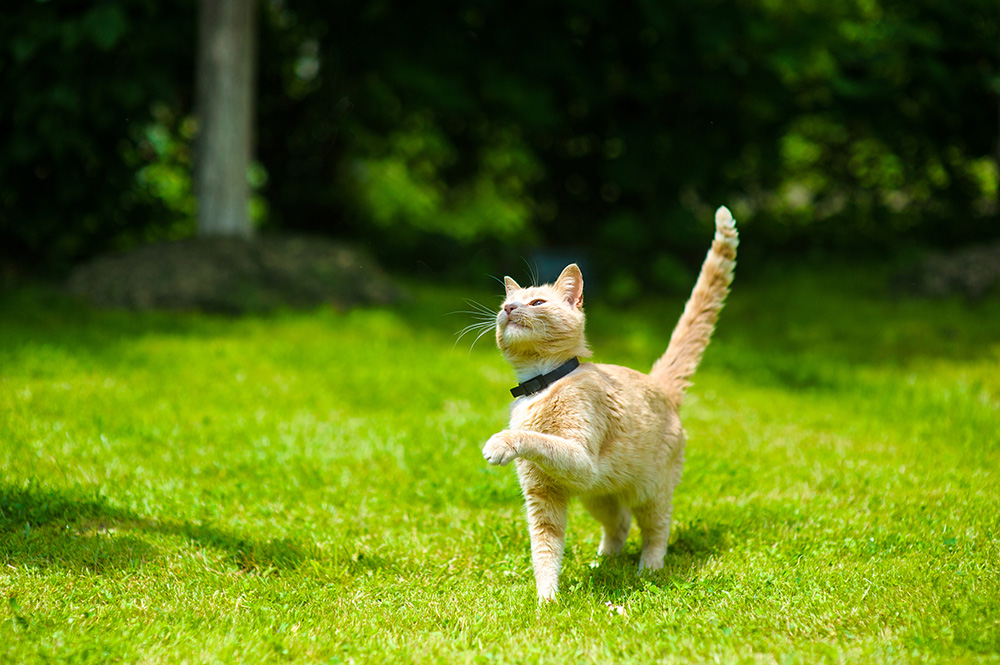
Another advantage for cats is their outdoor enrichment from using a catio. Air, sunlight, and the nature around them provide a 360° look into the world while protecting the cat and wildlife. The sights, sounds, and smells can all help a cat feel excited and relaxed and can help relieve them of the urge to run outside each time the door opens. Catios can also reduce inter-cat conflict in a multi-cat household, as they provide extra space, resources, and entertainment. The felines can use the catio as an extension of the home, getting much-needed space if tensions rise, without sacrificing essential items like food and water bowls.
Owners can completely customize and tailor their catio to individual tastes. They can be incorporated into any yard or home design, making them aesthetically pleasing and functional.
Disadvantages of Catios
Unfortunately, some drawbacks come with the installation of a catio. First, catios can be quite costly to build, particularly custom ones. The price of a catio can be prohibitive for some owners, but there are ways of keeping costs to a minimum if you know basic DIY.
Second, not all homes will have the space needed for a catio; this is especially true for owners who want a more "classic" catio rather than the window-box types. DIY knowledge is required if owners want to build a catio themselves from plans, but the entrance to the catio can also cause problems if they want it incorporated into the house.
Lastly, no one can guarantee that a cat will use the catio once it's been built! It'd be cruel to force a cat into an area they don't want to be in, and some cats will, unfortunately, not enjoy a catio as much as their owners might want them to. Cats not used to being outside can be particularly nervous about going into a catio, so a slow introduction into the new area at the cat's pace is essential.

Frequently Asked Questions (FAQ)
Can Cats Live Outside in a Catio?
While some cats might seem like they never want to come inside once they're out or never want to leave their catio, they must always be given a choice to return inside the home. In addition, cats are social creatures that need the attention and affection of their family (most of the time), so if a cat that is used to being around their humans and involved in family life is suddenly locked outside, it can cause them stress.
Weather plays a major role in how comfortable—and safe—a cat will be in a catio. In summer, high temperatures and direct sun can quickly cause overheating or even heatstroke if there isn’t adequate shade and ventilation. In winter, most catios don’t provide insulation against cold winds, rain, or snow, which can leave a cat chilled and stressed. For this reason, cats should never be confined to a catio year-round. The safest option is to ensure your cat always has the choice to come indoors, especially during extreme weather or at night.
Do Indoor Cats Need a Catio?
Not all indoor cats need a catio to live an enriched and happy life. Some owners work very hard to ensure their indoor cats get all their emotional, behavioral, and enrichment needs met despite never going outdoors; the key to this is providing adequate stimulation and chances to display natural behavior. Catios are a way to help owners in this mission, providing a dedicated area for cats to rest, play, and perform these natural behaviors while providing stimulation via the environment around them.

How Will I Know If My Cat Will Like a Catio?
It can be risky to determine whether or not, after all your hard work, your cat will like the catio once built. While there is no definitive way to know, there are signs you can look out for that show that a cat wants the adventure of the outside.
Look out for the following signs to help you decide whether to take the plunge and get a catio:
- Your cat runs to the front door at the slightest hint of it opening.
- Your cat is always exploring, getting into new places, and finding new things to play with.
- Your cat is inquisitive, curious, and mischievous.
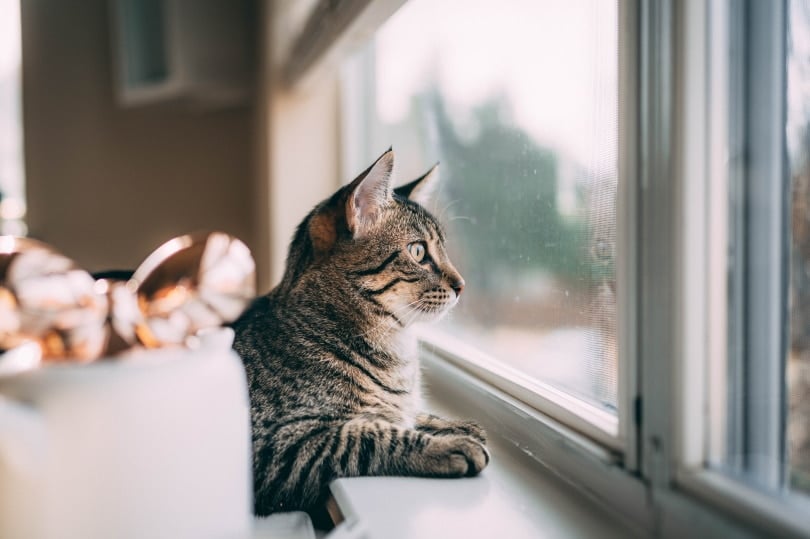
- Your cat sits at the windowsill and spends hours looking outside, watching the birds and the world go by.
How Do Cats Access a Catio?
There are many ways that owners can incorporate entrances and access points into a catio, and some of them are very creative. However, choosing an entry that fits both your home layout and your cat is vital, as a catio will be no use to either of you if they can't get into it!
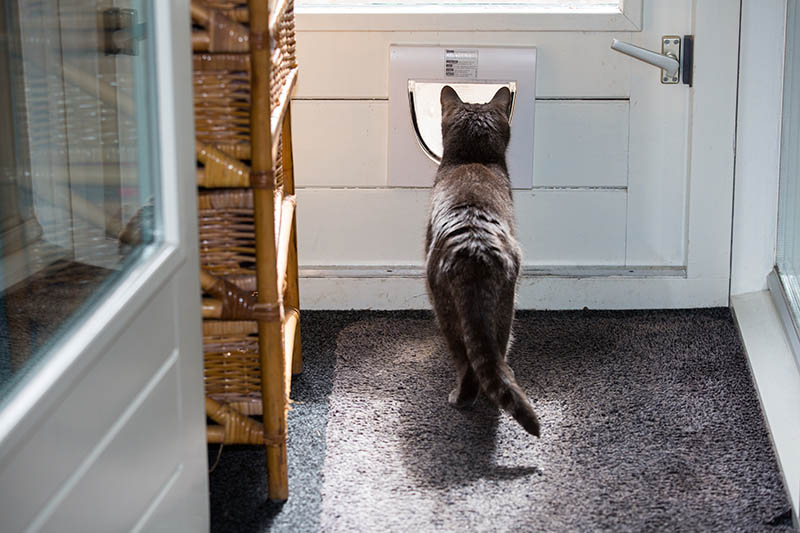
- Standard cat-door entrances, which can be made through walls or windows
- Simple doors that can be opened from the inside of the home
- Doors that are accessed via the yard
- Tunnel systems that run from an entry in the house to the outside and back into the catio
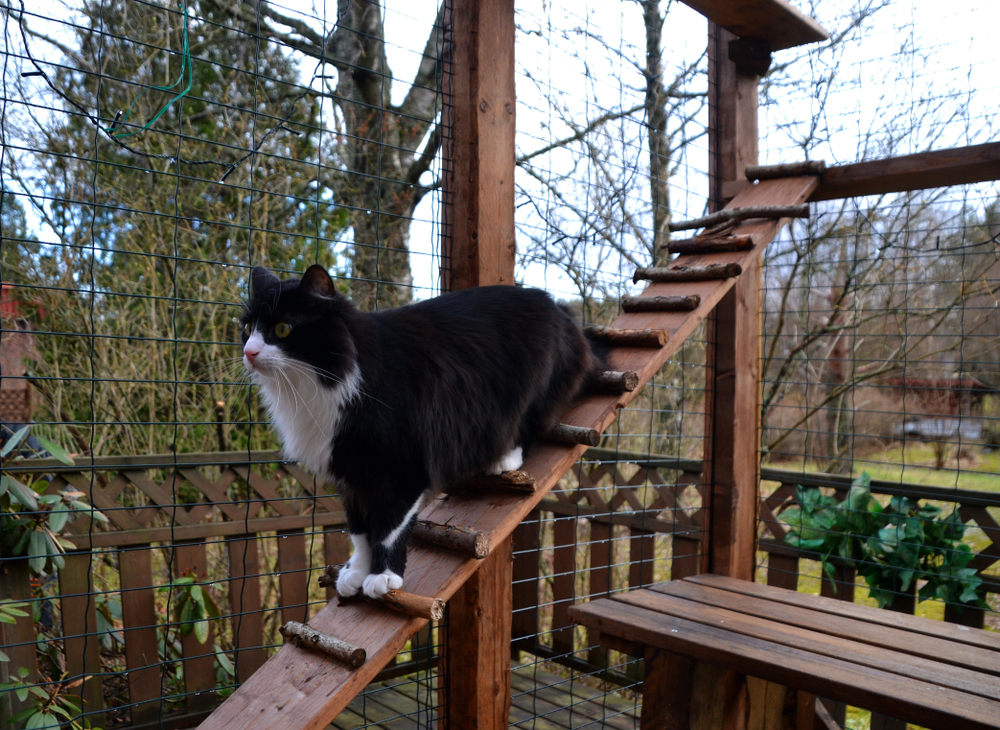
- Ramps (good for elderly cats or cats with additional needs)
- Climbing walls (good for energetic kittens)
- Windows that open into the catio
The ways in which an entrance can be built into the catio are as varied as the catios themselves. Just make sure it's suitable for your cat!
How Much Do Catios Cost?
The exact costs of a catio are hard to pinpoint since they're so customizable. The price of each type depends on how they're constructed and whether they're DIY or custom-built and installed. The price of materials and labor need to be factored into a catio build. Generally, the plans for DIY catios range from $40 to $150 without the materials. For bespoke, laborer-installed catios with all the bells and whistles, you could be looking at a price range starting at $3,000 and sometimes exceeding the $10,000 mark for the top-of-the-line models!
Alternatively, if you want to surprise your cat with something cool, check out the Hepper Hi-Lo Cat Scratcher. It's not just a scratcher; it's a piece of modern furniture that your cat can play on. It's got a curvy design that's perfect for stretching and moving, and it's built tough with strong birch plywood and thick B-flute cardboard. You can adjust it to three different heights, which keeps cats entertained. Plus, it won't break the bank! Our cats love it, and we do too.

- Premium Materials - Hepper's cardboard scratcher is made with dense, B-flute cardboard, and a metal core. Encased in a 1/2" plywood frame with gloss coating. Stable and beautiful, use after use
- High, Low and Lower - A single cat scratch pad won't keep your cat engaged. 3 unique positions keeps them coming back, and back, and back again. Finally, something to get them away from the couch!
- Activates Muscles - The Hi Lo isn't just a cat nail file to stop the chief cat couch scratcher. The deep cat scratcher wave encourages maximum musculoskeletal activation for a healthier workout
At Catster, we’ve admired Hepper for many years, and decided to take a controlling ownership interest, so that we could benefit from the outstanding designs of this cool cat company!
Are Catios Weatherproof?
Catios are usually weatherproof only up to a point, but they can be made to withstand long, hot summers and cold winters. A catio should be able to keep your cat comfortable in all but the most extreme of weather, so most of them come with a roof (usually plastic sheeting). Angling the roof can prevent rain and snow from building up and causing damage.
Inside the catio, textured surfaces on slip hazards such as ramps and shelving are essential for weatherproofing, particularly if elderly cats are using them. Providing warm and sheltered areas and cubbies can protect your cat from the elements in the winter. Using the same principle to offer cooling areas (cooling pads are great for this) and shade makes them usable in the summer too.
Keep the catio in good condition year-round, and check it regularly for any loose wire, weak points, or potential hazards. Lastly, a wind cover on the side of the catio can protect cats from harsh wind, but cats will usually make it very clear they want out when they've had enough of any adverse weather! Giving your cat the option to come inside is the most important thing to remember, so they can decide whether they want to be out in bad weather.

Conclusion
Catios are a great addition to any home, as versatile and customizable as they are. They are made to give the cats living in the house their own space and the opportunity to relax. If you want to build your catio, plans can be bought online and built to your specifications, but they require DIY skills. If you want a pre-built catio, be prepared to pay a pretty penny for it! No matter how your catio is constructed, your cat will (most likely) love their new outdoor home-away-from-home.
See Also: How to Cat Proof a Fence
Sources
Featured Image Credit: TheCats, Shutterstock

Expert cat care, straight to your inbox
Vet-reviewed advice, behavior tips, and the best of Catster. Free, and you can unsubscribe anytime.
By signing up, you agree to our Terms & Conditions and Privacy & Cookies Policy.
Beth is a mom to two toddlers: one with four legs, one with two. Beth has years of practical experience as a veterinary care assistant, working in both the operating room and in consult, expanding her knowledge to gain certification in her favorite subject: feline behavior and welfare! When she's not writing about her favorite topics (cats and creature comforts), she's looking after her two-year-old daughter and her mischievous eight-year-old Nebelung, Kiba. When she gets a moment's respite, Beth loves to delve into fiction books. Horror is her favorite genre, with fantasy and rich history being her second go-to's.
Join the conversation
Ask a question, share your story, or send private feedback.