Does Alcohol Kill Fleas on Cats? Vet-Reviewed Effectiveness & Safety Explored


In this article
Disclaimer: The information about these products has been fact-checked by one of our licensed veterinarians, but the purpose of this post is not to diagnose illness or prescribe treatment. The views and opinions expressed are not necessarily those of the veterinarian. We recommend contacting your pet’s veterinarian before using the products described.
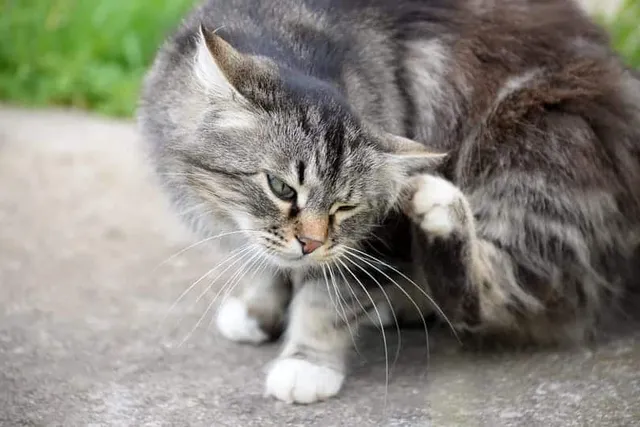
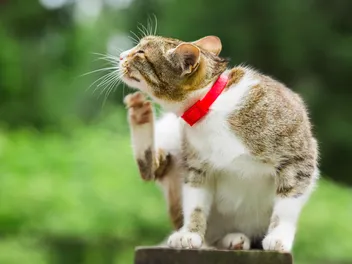
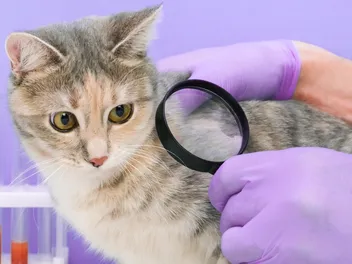
Alcohol is extremely drying and can kill many insects, including fleas. Alcohol does kill fleas on contact in most circumstances but is not a recommended method for flea control, as it can also harm your feline.
Applying alcohol to your cat’s skin can cause irritation, inflammation, and even chemical burns. Plus, alcohol can be absorbed through the cat’s skin or licked off later, leading to toxicity. Cats are very sensitive to the effects of alcohol, as they usually weigh very little.
There are many safer, effective methods for flea control, such as topical medications, flea collars, and oral medications. These are a much better option for most cats. We recommend speaking with your vet about the best form of flea control for your feline and avoiding alcohol.

Effectiveness of Alcohol for Killing Fleas
Alcohol is an effective solution for killing fleas. It is extremely drying and should dry out the fleas rather quickly. When a flea comes into contact with alcohol, it is thought to penetrate the insect’s exoskeleton, which causes them to dehydrate. With enough of this dehydration effect, the flea will perish. Very few fleas will survive this drying process, making it a very effective method for killing fleas.
There is limited scientific research on how effectively alcohol kills fleas. Very few scientific studies have been done, so we don’t know much about using alcohol for flea control.
With all that said, even though alcohol does kill fleas, it isn’t a long-term solution. It only works for a very short time (while it is still wet) and won’t prevent new fleas from infesting your feline. Therefore, other flea control methods are considered more effective over the long run, as they often work for several days or months.

The Dangers of Using Alcohol on Cats
While alcohol will kill fleas on your cat, it isn’t safe. Several potential problems may arise when you use alcohol on your feline—even in small amounts.
- Skin irritation. Alcohol is extremely drying, which is why it works on fleas. However, it can also be very harsh and drying on your cat’s skin, which can cause inflammation. In some cases, it may even cause chemical burns if it is left on your cat’s skin for too long or if your cat is particularly sensitive.
- Cats are sensitive to alcohol. Because cats lick themselves for grooming, they will ingest alcohol left on their skin and coat. Alcohol can cause many problems, including vomiting, diarrhea and lethargy. It is toxic when consumed in high amounts, potentially resulting in coma and death.
- Even if your feline doesn’t ingest much alcohol, some can absorb through the skin, causing alcohol poisoning. Difficulty breathing, tremors, and seizures can occur.
- While alcohol may kill fleas on contact, it doesn’t prevent more fleas from appearing shortly after it is applied. Therefore, it isn’t that effective at long-term flea control. Your cat may experience another infestation shortly after they are treated.
Is Rubbing Alcohol Safe for Cats?
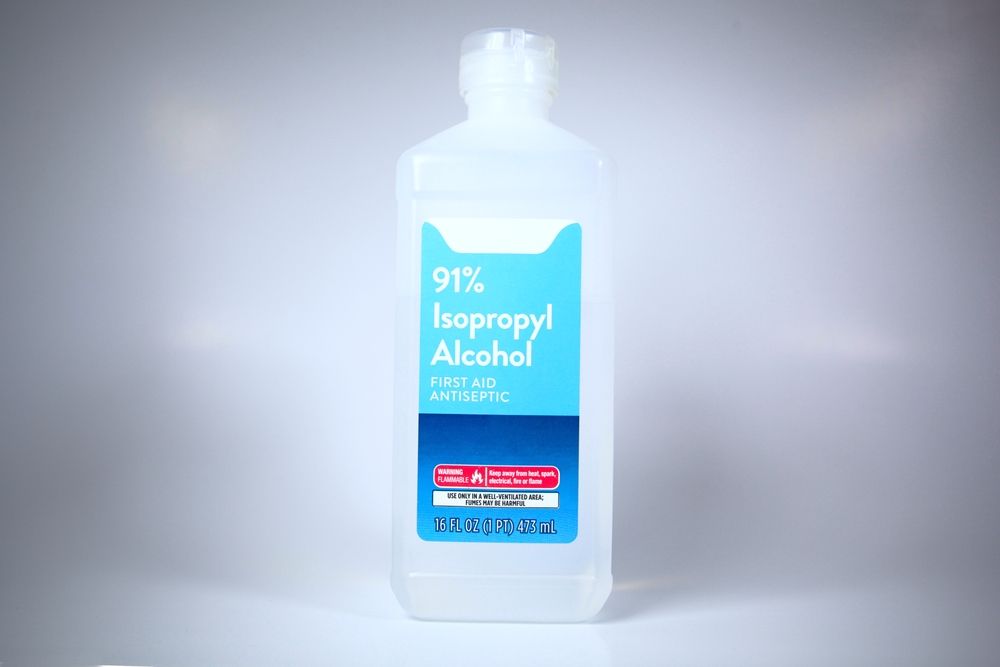
Rubbing alcohol isn’t safe for cats for the same reasons other types of alcohol are not. If it is applied topically, it can cause skin irritation and burns. If it is eaten, it can cause a range of problems—even death. Because cats lick their fur, anything applied topically will likely be consumed.
Rubbing alcohol does kill fleas. However, it isn’t safe for use on cats (or most other animals) and won’t keep fleas away long-term.

Will Hydrogen Peroxide Kill Fleas on Cats?
Hydrogen peroxide is only moderately effective at killing fleas. While it can help remove debris and clean wounds, it isn’t effective at killing fleas compared to other options. Therefore, we don’t recommend utilizing it as your sole flea-killing solution.
Furthermore, it can cause discomfort and irritation for many cats. As it is very drying, it may lead to rashes and inflammation. Many cats scratch and bite these irritated areas, leading to sores and scratches. If the cat doesn’t leave these spots alone, it may develop secondary infections, which can be extremely troublesome and require veterinary attention.

Safe Flea Control Options for Cats
As we’ve explained, you shouldn’t use any form of alcohol to kill fleas or remove them from your feline. While many types of alcohol may be effective at killing fleas, they are not a safe option for your cat. Your cat may have serious complications, as alcohol is toxic to them.
However, there are several safe options you can try. In most cases, speaking with your vet may provide the best advice, as certain cats do better on certain preventative flea medications.
Here’s a list of options often recommended:
Which option you choose may depend on many factors, such as your cat’s age and geographical area. However, they are all safer when compared with alcohol, which we recommend avoiding.
If you're unsure about the right method or medication for treating your cat, you should consult your vet, especially if your pet has an underlying health condition.
Final Thoughts
Although rubbing alcohol does kill fleas immediately upon contact, treating cats for fleas with it is not advised. If cats consume or absorb it via their skin, rubbing alcohol can be hazardous to them and lead to chemical burns and skin irritation. Furthermore, cats are renowned for often licking themselves, which could lead to them consuming the alcohol if administered topically.
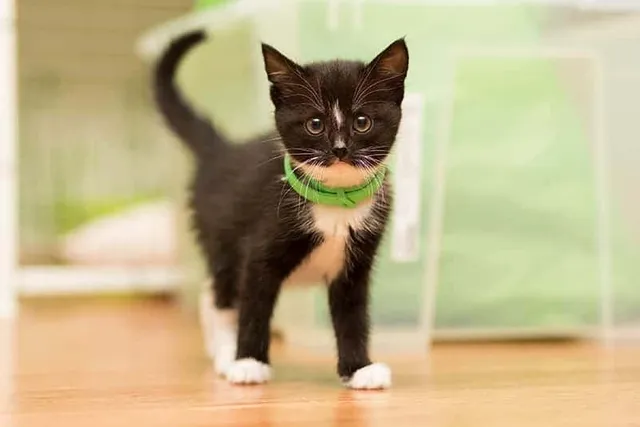
Cats can use flea combs, topical drugs, oral meds, or flea collars, which are safer and more efficient flea treatments. Your veterinarian can help you choose the best flea treatment for your cat, depending on age, weight, and general health.
Sources
Featured Image Credit: John Hanson Pye, Shutterstock
Expert cat care, straight to your inbox
News, insights, and useful advice, delivered to you.

No spam — unsubscribe anytime.
By signing up, you agree to our Terms & Conditions and Privacy & Cookies Policy.
How useful was this post?
Click a star to rate. You can leave written feedback afterwards. (We read all feedback.)
Kristin is passionate about helping pet parents create a fulfilling life with their pets by informing them on the latest scientific research and helping them choose the best products for their pets. She currently resides in Tennessee with four dogs, three cats, two fish, and a lizard, though she has dreams of owning chickens one-day!