Get

In Your Inbox

Catster is reader-supported. When you buy via links on our site, we may earn an affiliate commission at no cost to you. Learn more.

Does Cold Weather Kill Fleas on Cats? Vet Approved Advice

Share

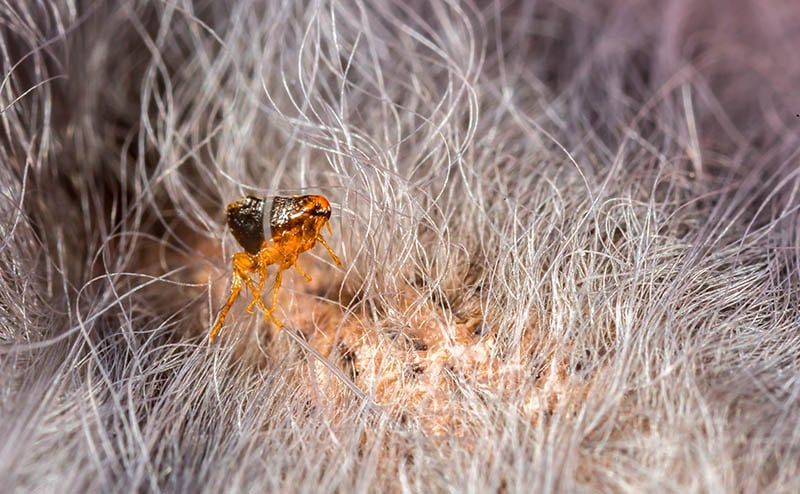
close up flea on a cat

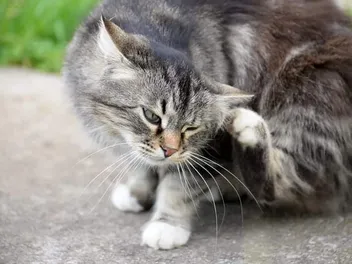
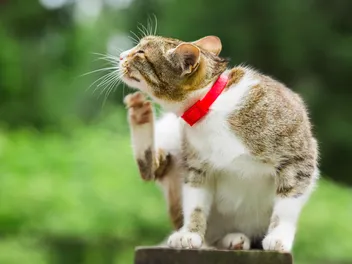
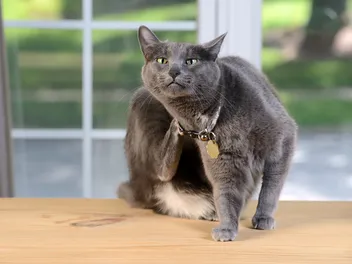
Do fleas die in winter or cold weather? According to Athens Animal Wellness Center1, fleas can survive for up to 5 days in temperatures as low as 46 degrees Fahrenheit. That means unless you keep your house at sub-50 temperatures, the fleas on your cat won’t be dropping off any time soon, especially since your cat keeps them nice and toasty. Unless you get rid of them, fleas can lay up to 40 eggs per day, which quickly snowballs into a very big and very itchy problem.

The fleas outside will die in less than a week if they don’t find a host, so you only have the fleas inside to deal with. That said, many fleas will make their way indoors during early winter weather by hitching a ride on your pets.

Winter might reduce local flea populations, but it can’t cure an infestation. For more info on how you can help get rid of your cat’s fleas and keep them away, you’ve come to the right place. Read on below for specific treatment and prevention strategies you can employ in your home today.

divider 3 paws

How to Get Rid of Fleas on Your Cat

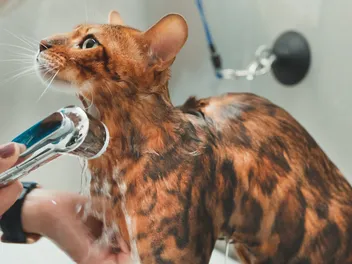
You’ll first need some pure Castile soap or cat shampoo, hot water, and a fine-toothed flea comb suitable for your cat’s coat. Start by normally brushing out the fur, then dip your comb in soapy hot water. Brushing your cat with this hot, soapy water will draw out and kill both the fleas and their eggs.

If that doesn’t quite do the trick, you may need to up your game with some heavier-duty treatment options. Let’s look below at which you can use to control fleas for your cat and how well they work.

Flea Treatment Options:
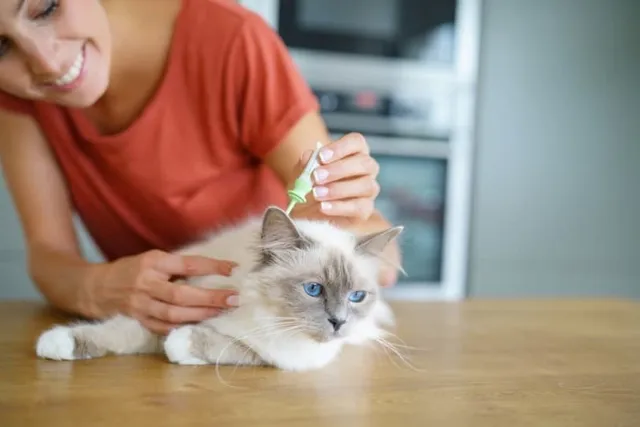
  • Topical Medication: These are highly effective pour-on medications applied to the back of your cat’s neck, where they can not lick it. These treatments typically last for a month and are effective against fleas, eggs, and larvae.
  • Oral Medication: Oral anti-flea medication for cats is also available. They start killing adult fleas 30 minutes after ingestion and kill about 90% of the flea population after 4-6 hours. Re-infestation is possible because flea eggs may remain in the environment, so repeated treatments and deep home cleaning are needed.
  • Flea Collars: These are passive accessories that slowly disperse anti-flea medicine into your cat’s fur and their skin’s oil glands.

Topical medication is 100% the most effective way to go to kill the fleas on your cat. It’s pretty cheap, easy to apply, and starts working quickly. If your cat simply won’t tolerate handling, you can try hiding oral medicine inside a tasty treat or another snack.

applying flea treatment to cat
Image Credit: Csaba Deli, Shutterstock

divider 3 paws


How to Prevent & Deter Fleas in Your Home

Deterring fleas is the most effective way for your cat to not get fleas in the first place, but it works after treatment just as well. Keeping your home clean is the best way, but there are a few specific things for you to try that will drastically decrease the chances of another flea infestation from plaguing your best furry feline friend.

Flea Prevention Tips:
  • Wash all bedding and fabrics your cat has regular contact with after treating them for fleas. Use hot, soapy water for washable items and a steam cleaner for upholstery.
  • Vacuum every day with a HEPA-rated vacuum, paying special attention to carpets and crevices.
  • If practical, consider getting rid of your carpets—they’re basically giant flea forests for them to hang out in until they can find a host. Otherwise, ensure that you steam clean them after each good vacuum.
  • Restrict how often your cat goes outside to keep fleas away.
  • Keep your grass trimmed, as fleas love long, unkempt lawns.

divider 3 paws

Conclusion

Unfortunately for itchy cats, just waiting for winter to kill their fleas isn’t a good solution. Cats are pretty good about picking the occasional flea off, but severe cases could call for oral or topical medication. After treating your cat, treat your home to keep fleas away for good.

Related Read:


Featured Image Credit: Vera Larina, Shutterstock

Want content like this delivered to you?

Sign Up For Our Newsletter

News, insights, expert advice, and everything cat

* By submitting, you agree to our Terms & Conditions and Privacy & Cookies Policy.


How useful was this post?

Click on a star to rate (you can leave written feedback after clicking submit)

Help us improve Catster for pet parents!

Your feedback really matters.

What did you like about this post? Also how can we improve it?

Join the conversation

Leave a Reply

You’re very welcome to leave a comment or question. Please know that all comments must meet our community guidelines, and your email address will NOT be published. Let’s have a positive and constructive conversation.


Catster's Digital Magazine is Back!

Vet-approved health & behavior advice

Real cat stories & community features

Weird Cat Behaviors That Actually Make Perfect Sense

We have been sharing our lives with cats for thousands of years, yet we still find ourselves genuinely stumped by what they get...

The Dream of Talking to Cats Just Got Closer to Becoming a Reality

If you’ve ever wished your cat could simply tell you what they wanted, you’re not alone. From the meow that wakes you before...

Kizzy: The Feline Princess With a Purpose

We were first introduced to Miss Kizzy after she won a licky-treat challenge hosted by Professor Fluffovich, our resident feline research specialist. While...

Chatting With Sally About Mission Meow & Helping Cat Rescue Organizations Collaborate | Chatty Cattys, Episode 24

In this episode of Catster’s podcast, Chatty Cattys, Nicole and Dr. Karyn sit down with Sally Williams, the founder of Mission Meow, for...

More related

How to Keep My Cat from Using the Dog Door: 10 Vet-Verified Tips & Tricks

Cats are curious creatures, and they can become attracted to using the dog door for various reasons, such as exploring new areas, following...

Social Pets CBD Hemp Oil Review (2026): Pros, Cons & Verdict

Social CBD manufactures a variety of products containing cannabidiol (CBD), a natural plant compound that’s been in the news a lot in the...

Why Are Cats Weird About Water? 5 Reasons Why Their Behavior Is Strange

Cats seem to have a complicated relationship with water. They may hate getting baths, but they’ll still have fun playing with water running...

Are Poinsettias Poisonous to Cats? Vet-Approved Facts & FAQ

With their crimson leaves, poinsettias are stunning plants, and most people can’t resist having them in their homes. However, poinsettias have a bad...

Keep reading

10 Weird Cat Litter Box Habits (Vet-Approved Explanation)

Cat litter isn’t everybody’s favorite topic, but it’s an important one, nonetheless. You’ve gotten used to your cat’s usual comings and goings and probably even noticed a few quirky behaviors related to your cat’s litter box(es). Every cat is unique,...

Ginger cat sitting in a litter box

Is Food Coloring Safe for Cats? Vet Approved Facts & FAQ

In addition to taste and smell, the color of food plays a large role in making our food look tasty or a drink look refreshing. Certain colors can stimulate the appetite or turn it off, and the culinary arts consider...

Catster_Is Food Coloring Safe for Cats

Why Do My Cat’s Farts Smell Like Eggs? Our Vet Explains

Have you ever noticed that your cat’s farts smell like rotten eggs? Is there a way to prevent this unpleasant scent? That rotten egg odor is primarily due to sulfur compounds produced in the digestive process. When cats eat certain...

Cat Stinky

Are There Cat Hemp Treats? Vet-Verified Health & Safety Facts

With hemp products becoming more and more popular, pet owners worldwide are increasingly wondering if hemp-based products can be offered to cats. The answer is yes, cats can have hemp-based treats; however, these products should always be approved by your...

giving orange cat a hemp chew

Can Cats Eat Minnows? Vet-Reviewed Facts & FAQ

If you’re a cat owner, you may have wondered whether your feline friend can snack on minnows. It’s a valid question. After all, fish are a natural part of their diet, in the wild, right? The answer is yes, so...

Can Cats Eat Minnows

What Is a Cat Kiss? Feline Affection Explained

Scientists have come far in understanding cat body language, but there is still a lot we don’t know. We cannot know what goes on inside a cat’s head. They don’t exactly talk, which means we typically have to use roundabout...

burmese cat kissing womans nose

Kittens First Vet Visit: What to Expect & How to Prepare (Vet-Approved)

The first days and weeks after welcoming a new kitten into your home are usually full of excitement as you become acquainted with your new companion. Getting to know your pet’s quirks and personality traits and bonding with them is...

vet checking up tabby cat

Hand Sanitizer & Cats: Vet-Reviewed Safety Tips & How to Use It Around Your Pets

In the wake of heightened health awareness, hand sanitizers have become a staple in households worldwide. While they offer a convenient way to eliminate germs from our hands, pet owners, particularly cat owners, face a unique set of challenges. Keep...

Woman Applying Hand Sanitizer

Love Cats? So Do We! Join the Catster Community

Stay informed with expert pet care insights delivered straight to your inbox! Discover professional guidance on animal behavior, feeding tips, trusted product picks, and much more.


Sign up for the Catster Email Newsletter

Stay informed with expert pet care insights delivered straight to your inbox! Discover professional guidance on animal behavior, feeding tips, trusted product picks, and much more.