Get

In Your Inbox

Catster is reader-supported. When you buy via links on our site, we may earn an affiliate commission at no cost to you. Learn more.

Does Rain Kill Fleas? Vet Reviewed Effectiveness & Safety Explained


Share

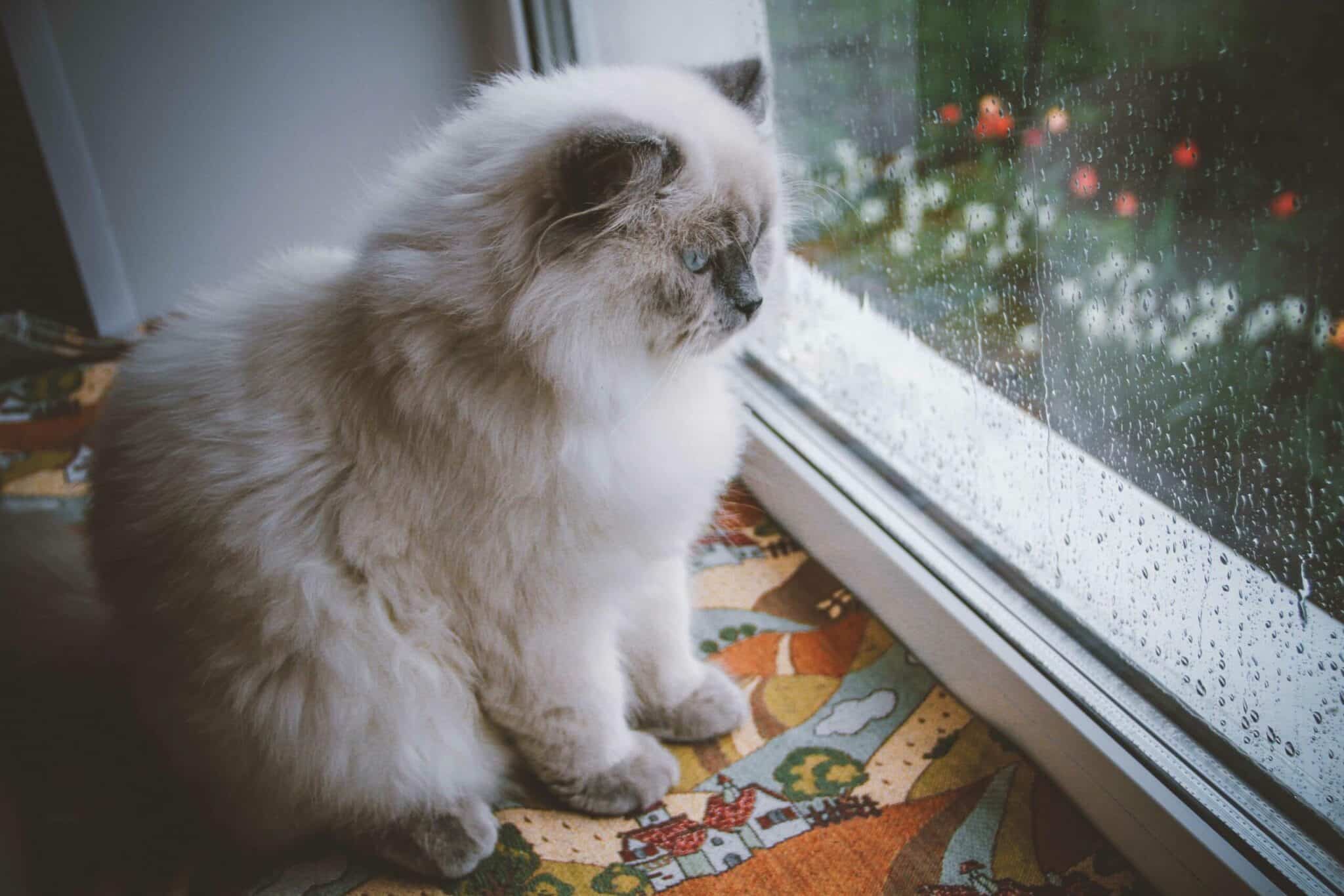
cat in the window watching the rain

If your cat has ever had fleas, you’ll know what a pain it is to get rid of them. Trying to find the right method to get rid of fleas while avoiding poisonous pesticides is no joke! And if it’s a wet time of year, you might wonder whether the rain would help kill fleas or make it worse. The truth is, it’s hard to tell. Rain has some positive and some negative effects on fleas.

In general, rain can kill fleas in some situations, but it can also give them what they need to grow stronger and breed faster. Fleas thrive in humid places, but too much rain can hurt flea populations as well.

divider single cat paw oct 2024

Hardy Fleas

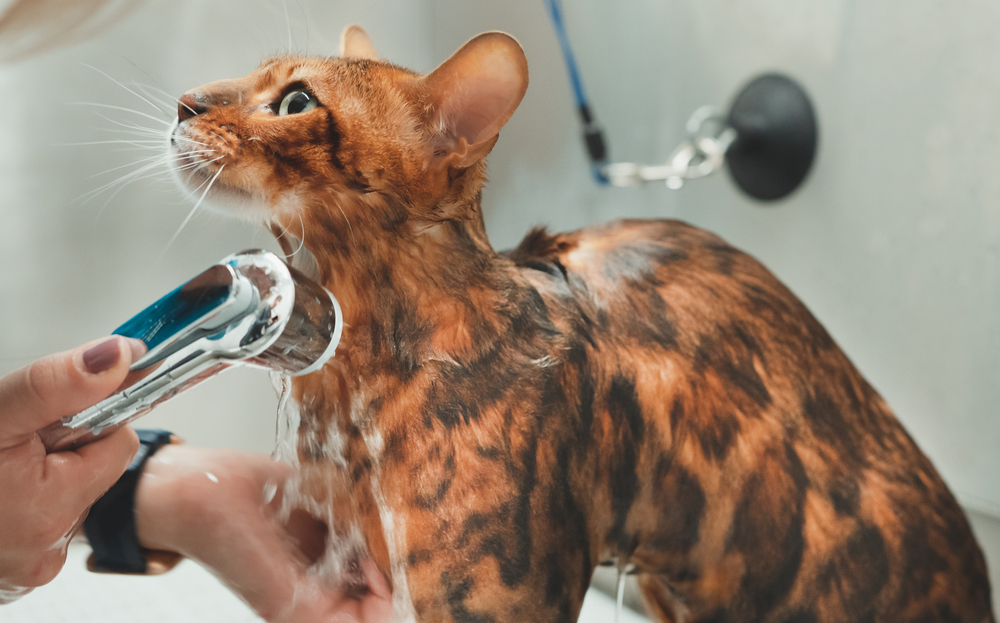
There’s no doubt about it—fleas are hard to kill! If it were easy to get rid of fleas, chemical dips, and treatments wouldn’t be so popular. So, it’s no surprise that a little rain (or even a bath) won’t kill the fleas hanging out in your pet’s fur. In fact, fleas can survive being submerged in water for up to 48 hours! That’s why soaking your pet isn’t enough to get rid of adult fleas.

But flea eggs are much more vulnerable—they can be washed away or killed if there’s too much water. And since flea eggs are often deposited in the soil, heavy rainfall can be dangerous. But fleas thrive in damp soil and humid air. That means that as long as the flea eggs are relatively protected, rain can be good for fleas, not bad.

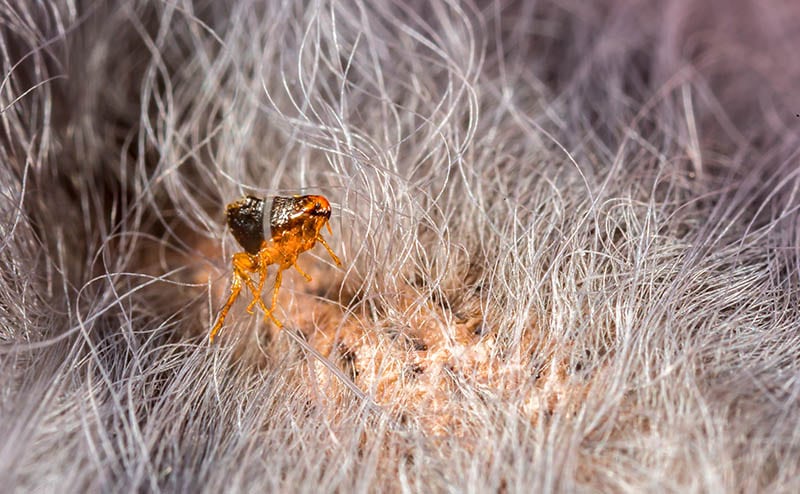
close up fleas on cat
Photo Credit: KanphotoSS, Shutterstock

divider single cat paw oct 2024

Flea Life Cycle

Egg

Fleas start out as eggs. These eggs can be laid on your pet’s fur or in the soil. The egg stage is the most vulnerable time for fleas. During heavy rainfall, soil can be inundated with water, drowning the eggs, or it can be washed away, destroying any eggs.

Larvae

When fleas hatch into larvae, they are very vulnerable to changes in humidity. In low-humidity environments, they can dry up and die. In general, the higher the humidity, the faster flea larvae grow. They can take in moisture from the air in humid environments, helping them stay strong and healthy. However, extremely high humidity (above 95%) can be bad for flea larvae.

However, like eggs, larvae can be vulnerable to heavy rains. They can be drowned or washed away in the right conditions. They also need to feed on the feces of adult fleas. If their food source is washed away, larvae might starve.

Adults

Adult fleas are very hardy and mobile, making it unlikely that heavy rains will harm them. They are likely to find higher ground or a furry host if it is raining too hard, and they can survive being submerged for much longer than juvenile fleas.

divider single cat paw oct 2024

Dealing with Fleas

White cat wearing a green collar from fleas and ticks
Image Credit: Inga Gedrovicha, Shutterstock

Cats need flea protection in wet and dry weather. There are lots of different ways to protect your home and cat from fleas. Flea collars can reduce the chances that a flea picks your cat as a host. Sprays can kill fleas around your home and yard. Topical treatments are applied to your cat’s fur to prevent or kill fleas. Oral treatments can be given to your cat on a monthly basis to stop fleas from infesting your cat.

One treatment that doesn’t work well in wet weather is diatomaceous earth. This silica-heavy mineral is a great way to kill fleas by desiccation—pulling water out of their bodies—without adding any pesticides to your home. But since it only works when dry, it’s not an ideal solution in humid or rainy environments.

Consult your vet about the different means of flea protection.

divider single cat paw oct 2024

Last Thoughts

If you’ve got a cat, don’t expect heavy rain to protect it. Although rainfall can kill fleas in some situations, it can also give them everything they need to grow stronger and breed faster. Instead, it’s important to have a solid science-backed plan to help your kitties stay flea-free. No matter what option you prefer, make sure your cat is protected year-round, no matter the weather.

See also:


Featured Image Credit: BrittanyNY, Shutterstock

Want content like this delivered to you?

Sign Up For Our Newsletter

News, insights, expert advice, and everything cat

* By submitting, you agree to our Terms & Conditions and Privacy & Cookies Policy.


How useful was this post?

Click on a star to rate (you can leave written feedback after clicking submit)

Help us improve Catster for pet parents!

Your feedback really matters.

What did you like about this post? Also how can we improve it?

Join the conversation

Leave a Reply

You’re very welcome to leave a comment or question. Please know that all comments must meet our community guidelines, and your email address will NOT be published. Let’s have a positive and constructive conversation.


Catster's Digital Magazine is Back!

Vet-approved health & behavior advice

Real cat stories & community features

Chatting About Big Cat Tourism, Lion Hunting, and Learning From Our Mistakes | Chatty Cattys, Episode 26

In this episode of Catster’s Chatty Cattys podcast, Nicole and Dr. Karyn dive into the dark side of big cat tourism and the...

Why Cats Sit by the Door (But Don’t Go Through It)

Door-sitting is one of those quirky little habits that almost every cat owner experiences at some point. You know how it goes: a...

Six Legs Are Better Than Three – How A Tripod Dog and Kitten Found Friendship Through Recovery

Sometimes the most meaningful friendships begin in the most unexpected places. At a Maryland veterinary hospital operated by Last Chance Animal Rescue, two...

The Original Space Invaders – Why Zero Respect for Personal Boundaries Is a Good Thing

Cats have a reputation for being independent, and in many ways they are. But anyone who has tried to work at a laptop...

More related

How Long Should Kittens Stay With Their Mother? Vet-Reviewed Facts & Development

There is no doubting the attraction of young kittens. They’re tiny and stumble around, and our instinct to protect them takes over. However,...

Why Do Cats Have Tails? Vet-Reviewed Science & Facts

Cats move their tails in different positions when showing affection or communicating with humans or other cats. As a cat parent, you may...

Cat Yoga: Mindful Moments With Your Feline

Yoga can be a great opportunity for exercise, mindfulness, relaxation, stress relief, and more, depending on the type of yoga you opt to...

How to Tell If a Stray Cat Is Pregnant? 10 Vet-Approved Signs

There are many challenges to taking in a stray cat. First, you need to make sure that they’re healthy and uninjured. Second, you...

Keep reading

Why Does My Cat Roll on Concrete? 7 Vet-Verified Reasons

Cats are known for their quirky behaviors and love of throwing themselves down in sunny spots indoors or out. But have you ever wondered why your cat enjoys rolling around on rough, scratchy surfaces like concrete? As it turns out,...

a California Spangled cat sitting outdoors

Why Is My Cat Over-Grooming? 5 Vet-Reviewed Reasons

It’s completely natural and healthy for cats to groom themselves and each other, but if your cat starts overgrooming, there may be a medical issue that needs addressing or environmental changes to consider. Signs of overgrooming include excessively licking the...

cat licking paws

How to Show Dominance to a Cat: 10 Tips for Becoming More Assertive

How many times have you walked into someone’s home only to quickly realize the cat is the one running the show? If you’re a cat owner struggling with a dominant cat or just trying to ensure that doesn’t happen to...

man playing cat outdoor

Can Cats Drink Coconut Water? Vet-Verified Nutrition Facts & FAQ

Coconut water is the clear liquid that is found inside young coconuts. It is packed with electrolytes and is known to offer benefits to humans when consumed. But can cats have coconut water? Coconut water is not toxic to cats...

How to Tell If a Cat Is Neutered: 6 Vet-Reviewed Signs to Look For

The best and often easiest way to check if a cat is neutered is to bring him to the veterinarian. If that isn’t an option for you, there are a few signs you can look for. Before you begin, you...

neutering cat on a vet's operating table

Can Cats Eat Curry? Vet-Reviewed Facts & FAQ

Curry is a popular dish made with various spices, including turmeric, cumin, and coriander. While it is enjoyed by humans all over the world, can cats eat curry too? And is it healthy for them? While most people believe that...

Can Cats Eat Curry

Are Cats Playful? Vet-Reviewed Feline Character Explained

Absolutely, most cats love to play! However, cats vary a lot in temperament depending on their breed, gender, and other factors. Some breeds are particularly known for being playful, like the Bombay, while others are known for not being playful....

Two cats are lying on the floor. Gray cats are playing with a laser pointer.

8 Vet-Verified Ways to Be an Eco-Friendly Cat Owner in 2024

Owning a pet takes a lot out on the environment. After all, our pets have needs too, and these needs require resources that we must take from the environment. Therefore, if you want to live in balance with the planet...

cat playing with owner

Love Cats? So Do We! Join the Catster Community

Stay informed with expert pet care insights delivered straight to your inbox! Discover professional guidance on animal behavior, feeding tips, trusted product picks, and much more.


Sign up for the Catster Email Newsletter

Stay informed with expert pet care insights delivered straight to your inbox! Discover professional guidance on animal behavior, feeding tips, trusted product picks, and much more.