10 Surprising Facts About Cat Urination (Vet-Verified)


This article has been reviewed by a qualified veterinarian using information available at the time of review. It is designed to provide general information only. The knowledge of feline medicine is continually evolving. This article is not intended to replace consultation with a veterinarian for your specific pet. It does not take into account your pet’s unique circumstances.
If all you know about your cat’s urine is that you scoop it out of the litter box every day, there’s so much more to the story. Your cat’s urination habits can provide vital clues about their physical and emotional state. They can also tell you how they feel about their litter box. Here are 10 surprising facts about cat urination you need to know.

The 10 Facts About Cat Urination
1. Cats Use Urine to Communicate
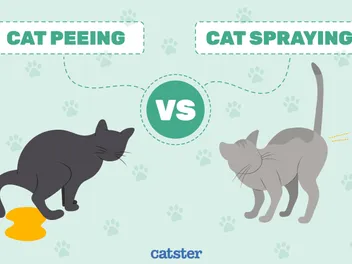
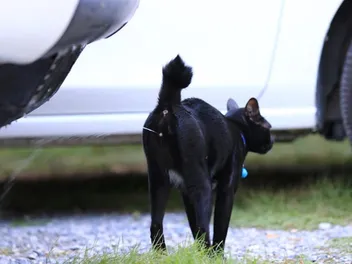
Cats are territorial animals who rely on scent to help mark their boundaries and possessions for other kitties to respect. Urine marking and spraying is one way that cats spread their scent. If you notice that your cat is suddenly urinating in inappropriate locations, they could be marking.
If you’ve recently added a new cat to the house, the two kitties might trade urine-marking locations as they work out their new territory boundaries. Indoor cats may start marking near doors or windows if a new outdoor kitty starts hanging around. In general, urine marking makes kitties feel more secure and can be a sign of stress.

2. Both Sexes Urine Mark
Urine spraying is most closely associated with unneutered male cats, but neutered male and female cats can also mark. However, intact male cats spray the most and have the smelliest urine, so it’s hard to miss.
If your cat is spraying, spaying or neutering them may help stop the problem. Unfortunately, that’s not always the case. About 10% of male and 5% of female cats keep marking even after they’ve been spayed or neutered.
3. No Urine Means Big Trouble
If you share your house with a male cat, paying attention to their urination can be a matter of life and death. Male cats can become “blocked” or unable to urinate for a variety of reasons, including stress and crystals in the urine.
If your male cat can’t pee, you might notice him making frequent trips to the litter box, straining, vocalizing, or trying to urinate in strange locations. A blocked cat is an emergency and needs to be seen by a vet right away. Female cats can also become blocked but this is rare.

4. Peeing Too Much and Not Enough Are Both Problematic
The frequency and amount of your cat’s urination can give you clues to their health. If your cat isn’t drinking enough, they can become dehydrated and pee less often. At the same time, cats who drink and urinate frequently could be suffering from medical conditions like kidney disease or diabetes.
When you scoop the litter box, keep an eye on how much urine you’re scooping out. If you’re noticing less or more urine, it’s time to call the vet.
5. Urinating Outside the Box Is a Sign
If your cat starts peeing outside the litter box, they’re probably trying to tell you something. The question is, what? Inappropriate urination is one of the most common feline behavior problems, and figuring out why your kitty is avoiding the box can be tricky.
As we discussed previously, the first step is to rule out a medical problem. Once your kitty has a clean bill of health, it’s time to investigate further.

6. Behavioral Issues Could Cause Inappropriate Cat Urination
If your cat is decorating the house with urine, it could be due to stress. For example, cats may react to household changes, such as a new baby, roommate, or partner, by urinating inappropriately.
You might also notice other signs of stress, such as overgrooming, hiding, or even aggression. Sometimes, your cat might need medication to deal with their stress. You should also increase their environmental enrichment and spend plenty of time with your kitty each day.
7. Litter Box Hatred Is Real
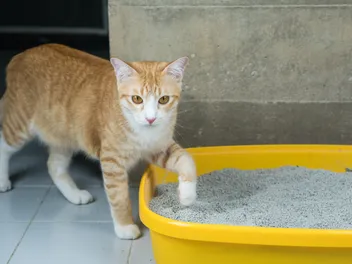
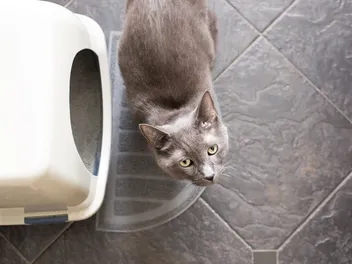
Your cat might be peeing outside the litter box because they don’t like it. The box might be too small, dirty, in the wrong location, or full of the wrong kind of litter. You might notice your cat peeing right next to the litter box or choosing a different type of surface to urinate on.
To solve litter box hatred, you might need to get creative to see what your cat prefers. Ensure you have one more litter box than the number of cats in the house. You should also find one type of litter that your cat likes and stick with it, and scoop the box at least once daily.

8. Urine Color Matters
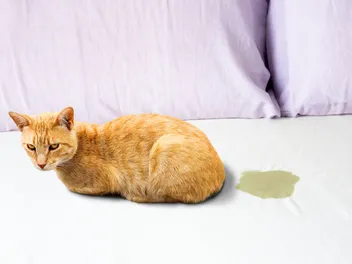
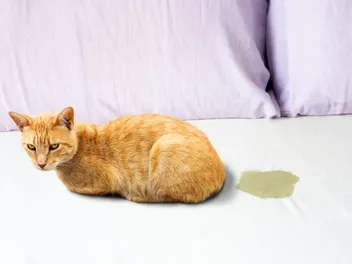
Normal cat urine is typically golden or straw-colored. If your cat’s pee is a different color, it could indicate a problem. Generally, you won’t be able to tell what color your cat’s urine is if they’re peeing in the litter box only.
If they urinate on other surfaces, it might be more obvious. If your cat’s pee is dark yellow, completely clear, bloody, cloudy, or excessively pungent, take your cat to the veterinarian for a full examination.
9. Your Cat Doesn’t Use Urine to Make a Point
Sometimes, your cat will make your bed, dirty clothes, or other personal possessions the target of inappropriate urination. When that happens, it can be tempting to assume your kitty is out to get you or mad at you for some reason.
However, cats probably can’t make those kinds of mental leaps like humans do. Assuming human causes for animal behavior inevitably leads to misunderstandings. Instead, follow the steps we discussed earlier to investigate the causes of inappropriate urination and find appropriate solutions.

10. Urine Clean Up Is Key
An important step in solving inappropriate urination is to clean up any stains around the house thoroughly. If you don’t remove the odor, your cat may continue to pee in the same spot out of instinct.
The faster you can clean up the urine, the easier it will be. Start by soaking up as much of the pee as you can. Then, soak the area with an enzymatic cleaner to break down the odors rather than just cover them up. Follow the directions on the bottle regarding how long to let the product sit before cleaning it up.

How to Effectively Clean Up Cat Messes, Odors & Stains
The first part of cat mess prevention is ensuring you are taking the time to properly clean any accidents - and that starts with investing in the right products! Of course, you'll want to opt for something safe first and foremost, to protect your feline's health, but secondly, you'll need a solution powerful enough to lift the toughest, stinkiest, most set-in stains. After careful consideration, we fell in love with one product and highly recommend it to all pet owners!
Our Favorite Enzyme Cleaner
| Rating | Image | Product | Details | |
|---|---|---|---|---|
Best Enzyme Spray
 |

|
Hepper Advanced Bio-Enzyme Pet Stain & Odor Eliminator Spray |
|
Check Price |
There are several reasons we can't get enough of the Hepper Advanced Bio-Enzyme Pet Stain & Odor Eliminator Spray. It permanently removes the very worst smells and stains, it can be used on a multitude of surfaces and its neutral scented, meaning no odor masking! It comes in a generous 32-oz bottle and comes with 100% satisfaction guarantee. Learn more about this holy grail of a cleaner here!
At Catster, we’ve admired Hepper for many years, and decided to take a controlling ownership interest so that we could benefit from the outstanding products of this cool cat company!
Conclusion
These 10 surprising facts about cat urination are more than just interesting knowledge to pass on at parties. They can also help you catch medical problems early, solve inappropriate urination issues, and keep your cat’s urine in the litter box where it belongs.
Just remember, some cat urination problems can be signs of life-threatening health issues like diabetes or a blockage. Don’t hesitate to contact your vet if you’re concerned, especially if you suspect your cat can’t pee.
Sources
Featured Image Credit: nanniezwawa, Shutterstock
Expert cat care, straight to your inbox
News, insights, and useful advice, delivered to you.

No spam — unsubscribe anytime.
By signing up, you agree to our Terms & Conditions and Privacy & Cookies Policy.
How useful was this post?
Click a star to rate. You can leave written feedback afterwards. (We read all feedback.)
Elizabeth Gray is a lifelong lover of all creatures great and small. She got her first cat at 5 years old and at 14, she started working for her local veterinarian. Elizabeth spent more than 20 years working as a veterinary nurse before stepping away to become a stay-at-home mom to her daughter. Now, she is excited to share her hard-earned knowledge (literally--she has scars) with our readers. Elizabeth lives in Iowa with her family, including her two fur kids, Linnard, a husky mix and Algernon, the worldʻs most patient cat. When not writing, she enjoys reading, watching all sports, and spending time outdoors with her family.