Inappropriate Elimination In Cats: Vet-Approved Guide & Explanation


In this article
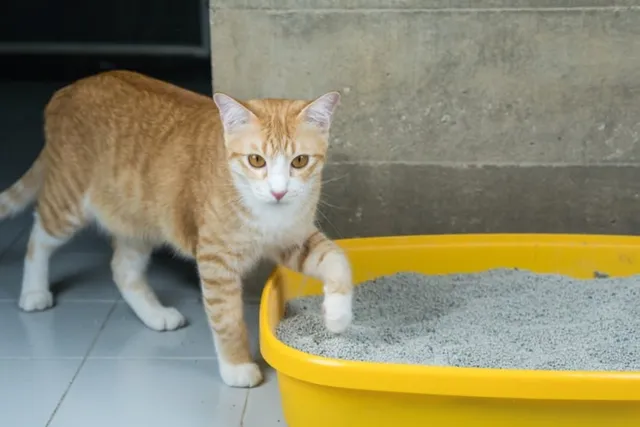
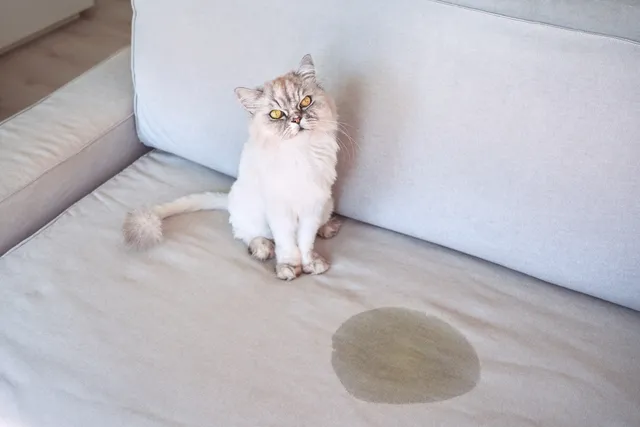
Cats usually are pretty good about going to the bathroom in their litter boxes, but some occasionally veer off course and start peeing and pooping in other places. Inappropriate elimination can have various causes, but it’s almost always something to be concerned about since it can be linked to medical or behavioral conditions. In this article, we’ll discuss why cats use the bathroom outside the litter box and what to do about it.

What Is Inappropriate Elimination?
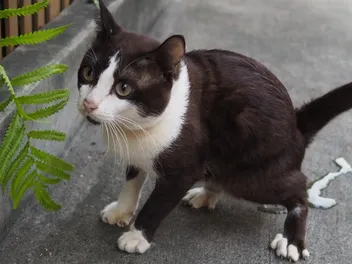
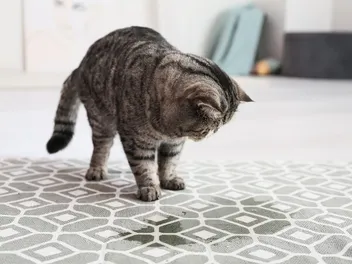
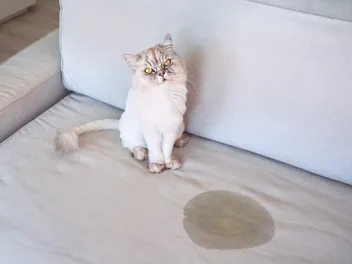
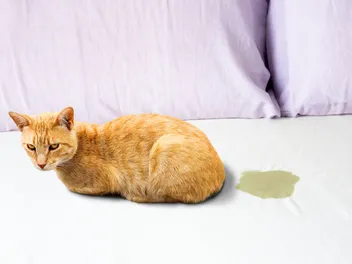
Inappropriate elimination is the term veterinarians use when cats pee or poop in places where they’re not supposed to. It can involve urine or feces.

What Are the Signs of Inappropriate Elimination?
Cats display different patterns when eliminating away from the litter box. Some have spots they return to repeatedly, and others have surfaces they gravitate to, such as carpets or bathroom floors. The pattern can appear to be relatively random.
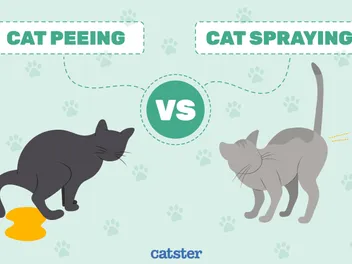
Spraying occurs when cats pee on walls and upright objects to mark their territory. When cats spray, they position themselves in front of their targets, lift their tails, and release streams of urine that appear to go straight backward.
Cats with difficulty peeing and only producing small amounts of urine may be suffering from feline lower urinary tract disease (FLUTD), which can have many different underlying causes. Their urine can contain blood, and affected cats may show other behavioral changes due to the pain and discomfort, including over grooming of their perineum.
Contact your veterinarian immediately if your cat is showing signs consistent with FLUTD. Cats struggling to pee should be seen immediately since they can develop urethral blockages that can be life-threatening. This is more common in male cats.
What Are the Causes of Inappropriate Elimination?
Inappropriate elimination can be caused by medical conditions as well as behavioral issues.
Medical Causes
Cats may avoid using their litter boxes due to pain or because they’re experiencing discomfort while using the bathroom. Cats who have uncomfortable restroom experiences can develop aversions to their litter boxes.
Senior pets and those with joint conditions sometimes experience pain when getting into and out of litter boxes, and cats with conditions such as inflammatory bowel disease and urinary tract issues avoid their litter boxes because going to the bathroom hurts.
Kidney disease, digestive problems, bladder and other urinary tract conditions, thyroid issues, and diabetes are just a few of the conditions that can cause cats to use the litter box more than normal, which can lead to sanitation issues if the owners don’t clean the boxes frequently.
Dirty litter boxes are a major cause of inappropriate elimination. A cognitive problem can also cause a cat to use the bathroom away from the litter box.
Behavioral Causes
Inappropriate elimination sometimes involves spraying, which is a way cats communicate information about their territory and health to other cats. The behavior can also occur when cats are stressed out or frustrated by something going on in their environment.
Many cats are particular about where their litter boxes should be located. Those whose litter boxes are placed in noisy areas may decide to go elsewhere, and using a new litter can also upset some cats and lead them to go outside the box.
How Do I Care for a Cat Who is Eliminating Inappropriately?
Dealing with inappropriate elimination depends on whether it’s caused by medical or behavioral factors.

Medical Causes
Because several medical conditions can cause inappropriate elimination, it’s critical to have the cats checked out by a veterinarian. The treatment depends on what’s causing the health condition.
Behavioral Causes
Some cats dislike the litter or where the box is located. Experimenting with different types of litter and putting the litter boxes in areas where cats like to hang out and on all levels of multi-level homes can sometimes make inappropriate elimination a thing of the past.
Litter box aversions can usually be addressed by identifying and fixing whatever is causing the problem. Spaying or neutering cats may reduce or stop spraying. Stress-related spraying can be handled by providing cats with comfortable environments featuring many enrichment activities and reducing their exposure to situations that make them anxious.
Litter Box Fundamentals
Whether cats are using the bathroom outside of the litter box for medical or behavioral reasons, providing them with comfortable conditions to relieve themselves is an absolute must for getting things under control.
1. Size and Litter Type
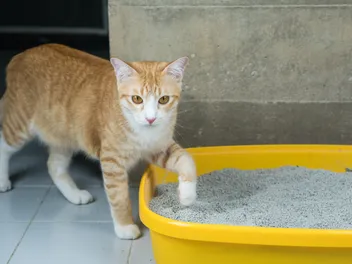
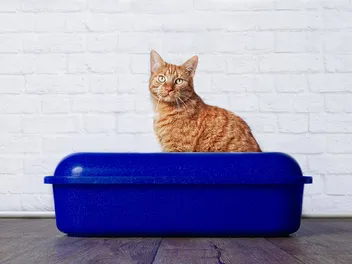
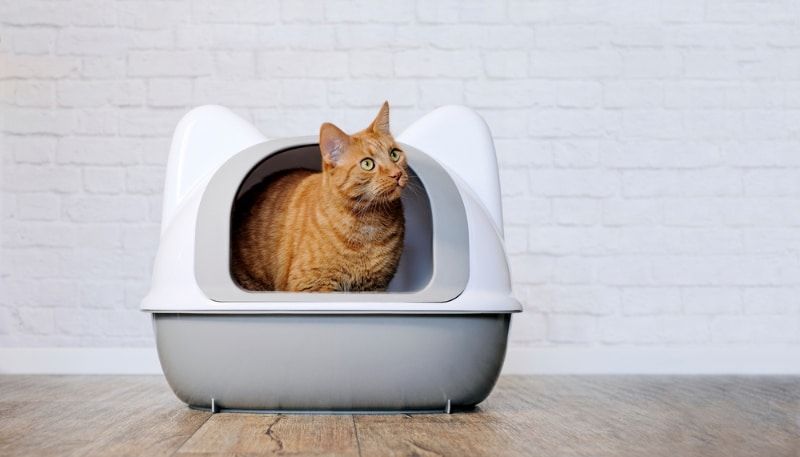
Cats prefer large, open litter boxes so they can pee and poop without having to contort themselves. Products with covers and hoods often trap odors, which can increase the odors just enough to drive some cats away. Many prefer unscented litter since fragranced varieties are too strong for their sensitive noses.
2. Cleanliness
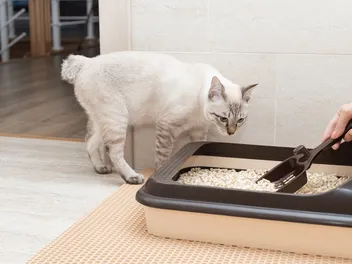
Litter boxes should be kept as clean as possible, and daily scooping is absolutely essential. Used litter needs to be regularly disposed of, and litter boxes require regular washing with soap and hot water to get rid of bacteria and keep odors under control.
Avoid using cleaning products featuring ammonia or bleach; if the litter box retains odors after cleaning it, it’s best to replace it. If you use unscented litter and want to neutralize the odors, you can try Hepper’s Advanced Bio-Enzyme Cat Litter Deodorizer Powder.

3. Placement
Cats are more likely to use litter boxes in areas that meet their needs. Some avoid using boxes near appliances that make lots of noise, like washing machines and furnaces, or in busy areas of the house.
Pets with mobility issues often have trouble making it up and down stairs, which can result in accidents. Putting the box where an older cat can get to it quickly and easily can make it easier for them to reach the facilities.
4. Multi-cat Homes
Multi-cat homes need extra resources to keep cats from becoming stressed due to resource competition. Cats don’t typically like to share litter boxes, so each should have their own to enjoy and an extra.
Frequently Asked Questions (FAQ)
1. How Do Veterinarians Identify Medical Causes of Inappropriate Elimination?
Most veterinarians start by gathering basic information about the cat’s behavior and signs from pet parents. Then, they’ll examine the cat and perform urine and blood tests if needed.
If no medical cause for the behavior is found, veterinarians can help pet parents narrow down potential behavioral causes and suggest ways to encourage them to use the litter box.

2. Are There Ways to Encourage Cats Not to Return to the Same Places to Pee?
Cats generally don’t like to eat or drink close to where they use the bathroom. Leaving a food dish with a few treats in favored inappropriate elimination locations can sometimes encourage cats to return to their designated restrooms.
Cleaning up accidents as quickly as possible using an enzymatic cleaner can remove at least some of the temptation for cats to return to places they’ve peed or pooped for subsequent visits.
Conclusion
Inappropriate elimination involves situations in which cats pee or poop outside of their litter boxes. It can be caused by medical problems or behavioral issues, and cats who start peeing and pooping in inappropriate places should always be evaluated by a veterinarian to ensure the problem isn’t caused by a health condition.
Although some cases of inappropriate elimination can be resolved relatively easily, your veterinarian can help you determine why it’s occurring and treat the problem.
Sources
https://vcahospitals.com/know-your-pet/inappropriate-elimination-disorders-in-cats
https://vcahospitals.com/know-your-pet/cat-behavior-problems-house-soiling
https://www.petmd.com/cat/conditions/urinary/utis-cats-urinary-tract-infections-cats
https://icatcare.org/advice/feline-lower-urinary-tract-disease-flutd/
Featured Image Credit: Lightspruch, Shutterstock
Expert cat care, straight to your inbox
News, insights, and useful advice, delivered to you.

No spam — unsubscribe anytime.
By signing up, you agree to our Terms & Conditions and Privacy & Cookies Policy.
How useful was this post?
Click a star to rate. You can leave written feedback afterwards. (We read all feedback.)
Lorre Luther is a writer who is firmly convinced that cats are smarter than humans. She left her law career in the United States and moved to the Netherlands to follow her dream of becoming a writer. Lorre currently lives in Rotterdam, she enjoys traveling and greatly appreciates the beauty of nature. Lorre has a spot for animals and admires the intelligence of cats.