Why Does My Cat’s Poop Smell So Bad? 8 Vet-Verified Reasons & Solutions


In this article
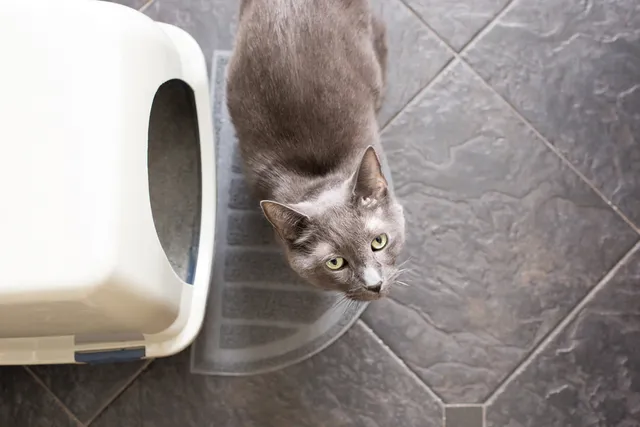
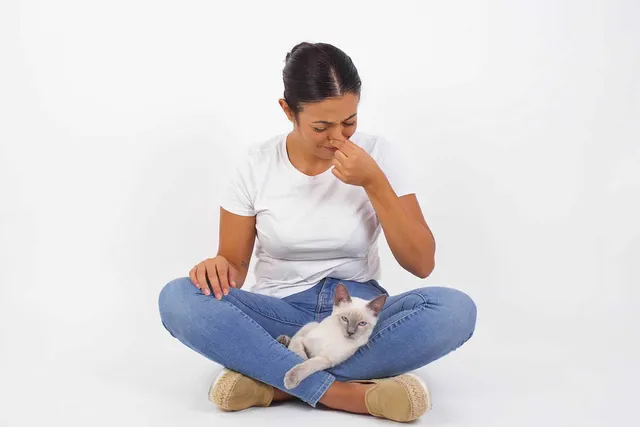
As much as we all love our cats, cleaning out their litter trays is unlikely to top any cat lover’s list of favorite tasks. If your cat’s poop smells bad, this can make the job even worse!
Smelly cat poop can be a sign that something is wrong, so it’s important to get to the bottom of the problem, so to speak! So, if you’re asking yourself “Why does my cat’s poop smell so bad?” then keep reading. Below, we have eight of the common reasons why along with the stinky cat poop remedy.
First, though, if your cat’s stinky poop hasn’t freshened up after a couple of days, seek veterinary advice. If their bad-smelling poop is accompanied by vomiting or blood or has a diarrhea consistency, seek an emergency veterinarian.
Cleaning up after our pets is not the most enjoyable part of owning them. Despite keeping a clean litterbox, cat odors and stains may still exist around the house. Sometimes, even the best litter box setup needs extra help. If you're tired of dealing with bad smells from litter boxes, Hepper Advanced Bio-Enzyme Pet Stain & Odor Eliminator Spray can help with the worst pet stains and smells. Additionally, the Advanced Bio-Enzyme Cat Litter Deodorizer neutralizes odors upon contact.
Our Favorite Products
| Image | Product | Details | |
|---|---|---|---|

|
Hepper Advanced Bio-Enzyme Pet Stain & Odor Eliminator Spray |
|
Check Price |

|
Advanced Bio-Enzyme Cat Litter Deodorizer |
|
Check Price |
At Catster, we’ve admired Hepper for many years and decided to take a controlling ownership interest so that we could benefit from the outstanding designs of this cool cat company!

The 8 Reasons Your Cat's Poop Smells So Bad
1. Cat litter
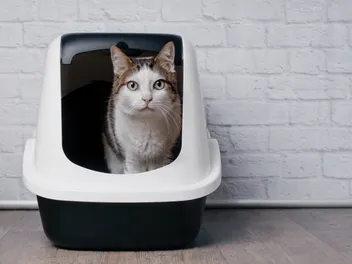
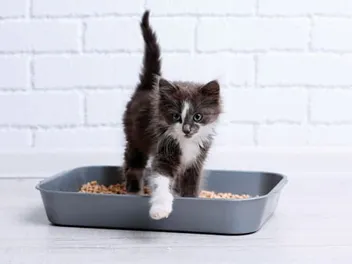
Natural cat litters like paper, unscented clay, and wood pellets often hold onto the smell of cat poop, even after you have cleaned the tray. Your cat’s poop might not smell any worse than normal, but that lingering smell can soon become unpleasant.
Solution
2. Diet
Introducing a new food to their diet can sometimes lead to smelly cat poop, often with a loose consistency. If you plan to change your cat's diet without a specific medical reason for it, you should always try to do it gradually. You can change to the new diet over a period of 10 days by adding 10% of the new diet every day. This will allow your cat's digestive system to adapt to the new diet. Your cat might have eaten something that disagreed with them, like a mouse or something else that they managed to catch. Cats are carnivores, but protein-rich foods can also cause smelly poop. Cats can develop intolerances to grains or sensitivity to any of the ingredients in a formula, both of which can cause smelly poop as a result.
Solution

3. Bacteria
If your cat eats something that’s been contaminated with bacteria like E. coli or Salmonella spp., this may cause cat poop that smells bad, as well as indigestion, inflammation, and diarrhea. Some cats love to hunt for food (even if they don’t need to!), and eating rodents or birds can put them at risk of a bacterial infection.
Solution
4. Parasites
Certain types of intestinal parasites can cause excessive gas, diarrhea, and stinky cat poop. Giardia, coccidia, and trichomonas infestations can all result in your cat’s intestines becoming inflamed, too.
Solution
5. Digestive issues
If your cat’s digestive system is unable to digest or absorb fats and starches within their diet, this can result in particularly stinky cat poop. The technical terms for these digestive issues are maldigestion and malabsorption. Cats can also suffer from specific food sensitivities and intolerances. All of these digestive issues can result in bloating, gas, and stinky cat poop.
Solution

6. Medications
Certain medications, including hormonal medication and pain relievers, can cause smelly poop. Some vitamin and mineral supplements can also cause cat poop that smells bad.
Solution
7. Anal gland infection
If your cat’s anal glands become infected, they might not drain properly. This can result in a foul-smelling discharge that can end up covering their poop and elsewhere!
Solution

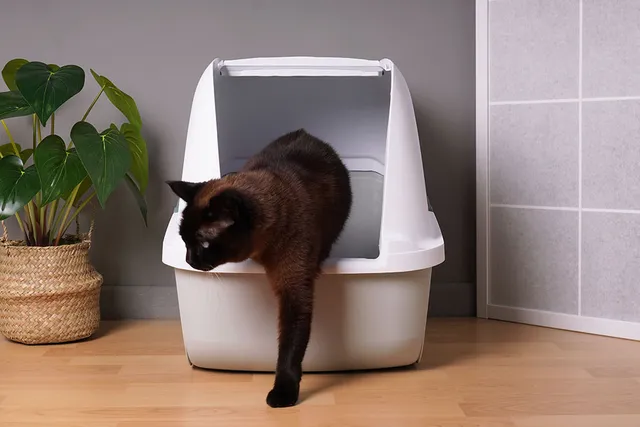
8. Not covering up their poop or pooping outside the litter tray
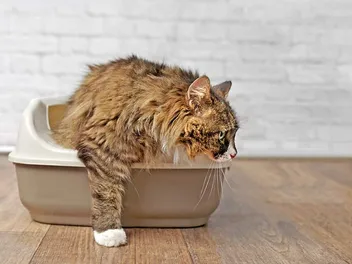
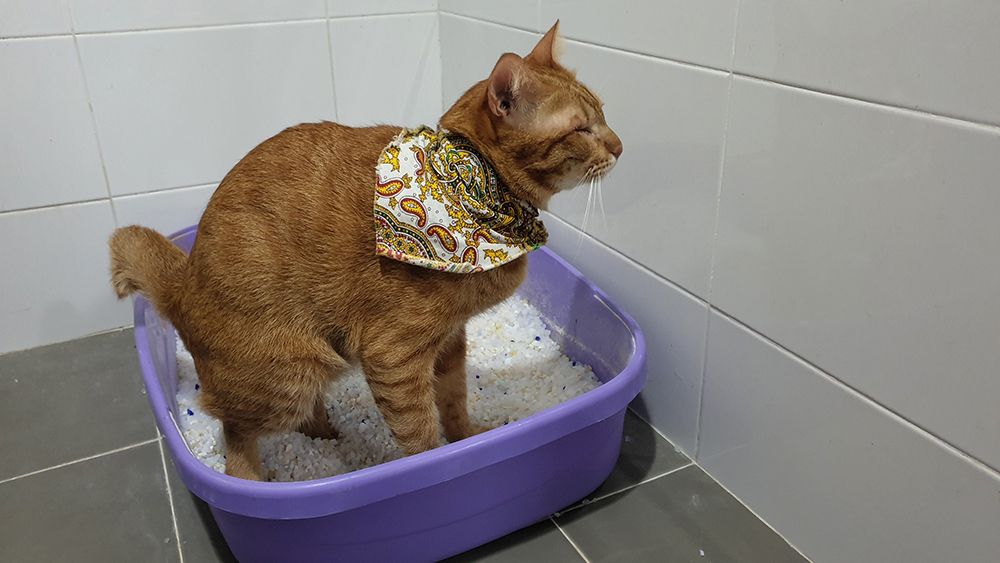
Even if your cat’s poop is not any smellier than usual, if they’re not covering it up in the litter tray, then it’s going to start to smell bad. This may be a sign that the litter is hurting your cat’s paws, or they don’t like the texture or smell of the litter. Cats pooping outside the litter tray may be having trouble accessing a tray with high sides, or the tray is too small.
Solution

- ADVANCED ENZYMATIC CLEANER - Penetrates the most stubborn smells and stains at the deepest molecular levels to dissolve any pet mess you encounter and lift it away at the source.
- FOR ANY MESS, ON ANY SURFACE - This pet odor eliminator cleans your carpets, floors, furniture, fabrics, and more. Whether it's urine, feces, vomit, or drool, you can erase all foul spots and smells!
- FRESH, NATURAL ODOR - Our unique formulation doesn't rely on dangerous or unpleasant chemical fragrances to get the job done. We eradicate smells and stains, not just cover them up.
At Catster, we’ve admired Hepper for many years and decided to take a controlling ownership interest so that we could benefit from the outstanding products of this cool cat company!

When to See a Vet
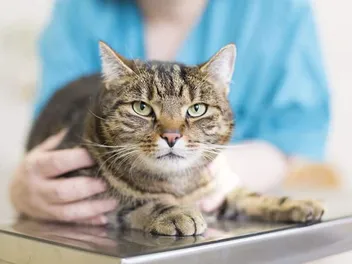
If your cat’s smelly poop is also diarrhea-like in consistency, it’s doubly important to get them checked by a vet as soon as possible. Ongoing or recurrent diarrhea can be the result of an underlying condition, like kidney disease, liver disease, or a hyperactive thyroid. The vet will need to run tests to determine the exact cause.
If smelly cat poop is combined with lethargy, lack of appetite, or vomiting, call a vet as a matter of urgency.
Always keep your cat’s litter tray as clean as possible, and monitor your cat’s poop so you can quickly tell if something is wrong. You may smell it before you see it, and that’s always a sign that something isn’t quite right!
If your cat’s stinky poop is combined with other issues, like pooping outside the litter box, your cat may be suffering from an underlying health condition. Speaking to a vet as soon as possible is the best course of action.
Final Thoughts
Certain stinky poop problems can easily be solved by changing the type of litter that you use or adjusting your cat’s diet. Others may need medication and ongoing treatment. Whatever the issue, seeking advice from a vet is essential, and then you can start looking forward to a happier cat and a pleasant-smelling home once again!
Related Reads:
Featured Image Credit: RJ22, Shutterstock
Expert cat care, straight to your inbox
News, insights, and useful advice, delivered to you.

No spam — unsubscribe anytime.
By signing up, you agree to our Terms & Conditions and Privacy & Cookies Policy.
How useful was this post?
Click a star to rate. You can leave written feedback afterwards. (We read all feedback.)
Emma is a freelance writer, specializing in writing about pets, outdoor pursuits, and the environment. Originally from the UK, she has lived in Costa Rica and New Zealand before moving to a smallholding in Spain with her husband, their 4-year-old daughter, and their dogs, cats, horses, and poultry. When she's not writing, Emma can be found taking her dogs for walks in the rolling fields around their home...and usually, at least some of the cats come along, too! Emma is passionate about rescuing animals and providing them with a new life after being abandoned or abused. As well as their own four rescue dogs, she also fosters dogs for re-homing, providing them with love and training while searching for their forever homes.