Why Do Cats Like Feet? 8 Interesting Reasons
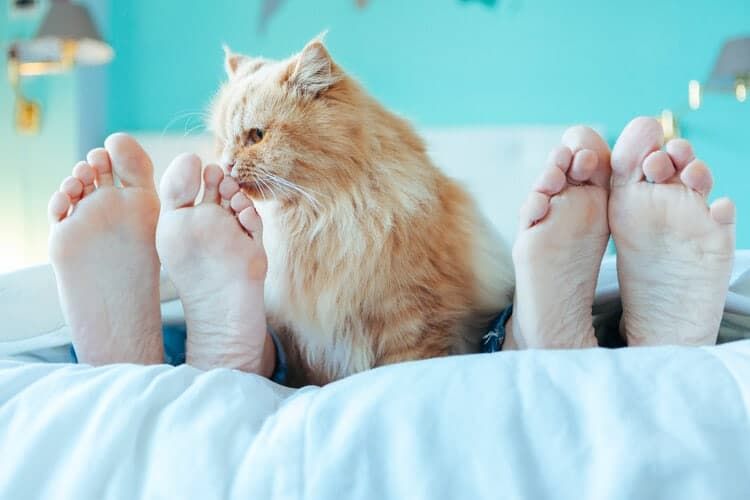
Cats can be quite quirky, often making toys out of the most ordinary objects that they can find. One mundane thing that cats seemingly love to sniff, rub against, and play with is the feet of humans.
Some cats seemingly can’t get enough of people’s feet, but why are cats so interested in them? What’s so special about this body part that attracts our furry feline friends? Keep reading to find out a few potential reasons that your cat likes your feet.

The 8 Reasons Cats Like Feet
1. Affection
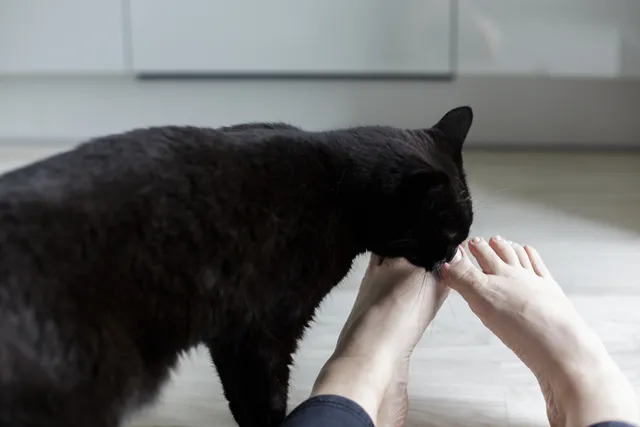
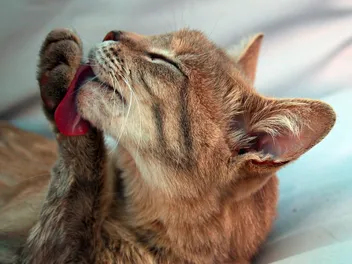
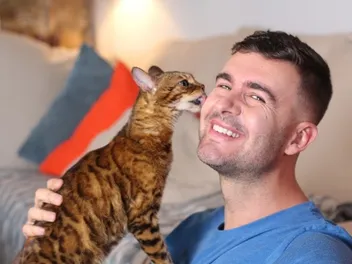
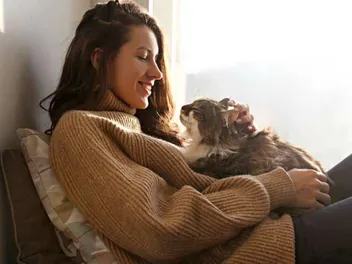
It’s common for cats to show affection in unusual ways, and one of the ways that some cats choose to show their affection is by paying attention to your feet. When cats are close to other cats, they may groom them, so it’s not unusual for your cat to lick or “groom” your feet as a show of affection for you.
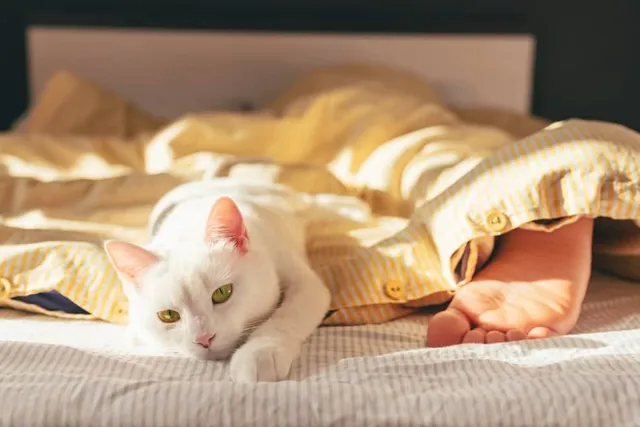
They may also cuddle with your feet in an attempt to get closer to you. Your feet are one of the smelliest parts of your body, so it’s not unusual for your cat to associate your stronger-smelling body parts with an increased closeness to you.

2. Scents
Pheromones aside, your cat can garner a lot of information about you, what you’ve been doing, and where you’ve been by sniffing your feet. Cats have around 200 million odor sensors in their noses2, while humans only have around 5 million. This means that your cat can smell things on your feet that are completely imperceptible to you.
The smells on your feet can give your cat information about animals you’ve been around, the locations you’ve been to, what you’ve been eating, if you’ve been exercising, and more. Sniffing your feet can be interesting and even enriching for your cat.
3. Marking Territory
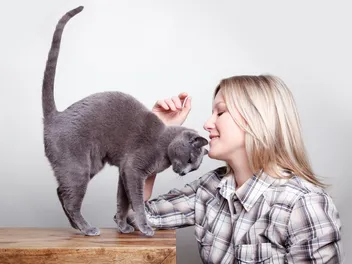
Have you ever noticed your cat rubbing their face against your feet? Cats are known to rub their faces against just about anything, including their people. They have scent glands in their cheeks, and these enable your cat to leave their smell behind anywhere they’ve rubbed against.
If your cat likes to spend time rubbing their face against your feet, it’s likely that they are attempting to mark you as part of their territory. They may even be more likely to do this if they can sense other cats have been near your feet, so they can let those other cats that come near your feet know that you belong to them.
4. Seeking Attention
Cats will do all kinds of wacky things to try to get your attention, from screaming in your face before dawn and bringing you toys to paying lots of attention to your feet. Your cat may try to get your attention by sniffing, licking, biting, pouncing on, or rubbing against your feet. This can go beyond trying to be affectionate to you.
If your cat is bored or wants you to pet or play with them, then they may start paying extra attention to your feet because they know it will get your attention. Think of it in a similar way to your cat choosing to walk across your keyboard when you’re trying to use it.

5. Hunting Instincts
Cats are very talented hunters, but most domestic cats don’t have a need to use their hunting instincts. These originally developed to help cats catch food, but as they’ve become fully domesticated, most cats are fed as much as they require and don’t need to rely on hunting for food. While this is good for the cats, it means that their natural hunting instincts aren’t being appeased.
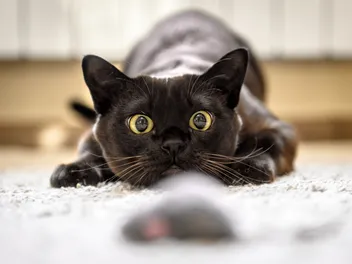
Cats that aren’t using their hunting skills will look for other ways to use these instincts. While providing your cat with toys and puzzles can help satiate these instincts, some cats will attack your feet in an attempt to hunt. This commonly occurs when your feet are underneath a blanket, in socks, or otherwise not immediately identifiable as feet.
6. Playfulness
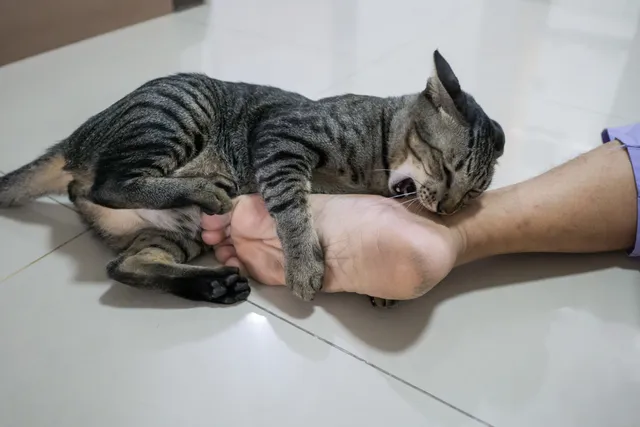
Some cats are very frisky animals that will find any reason they can to play. In a similar vein to cats “hunting” your feet, some will make your feet into their toys. They may pounce on your feet, with some cats even grabbing on and bunny-kicking your feet as if they have caught prey.
If your cat just wants to play with your feet and not hunt them, though, they may be gentler and sillier in their game than they would if they were trying to catch your feet to appease their hunting instincts.
7. Tastes
It’s not suggested you test this one, but your feet might taste good to your cat. Some cats will happily lick your feet because they like the taste. Feet have a variety of glands that secrete sweat, pheromones, and scents, as well as losing skin cells regularly.
All of these things can add to the taste of your feet, and your activity and even diet can influence the taste of your feet. It isn’t overly common for cats to pay attention to your feet simply because they like the taste, but it isn’t unheard of.


How Can I Get My Cat to Leave My Feet Alone?
As funny as it might be, it can also quickly become annoying and inconvenient to have a cat that loves to pay attention to your feet. Getting your cat to leave your feet alone will likely require training and time to remedy. The best way to get your cat to leave your feet alone is simply to not encourage the behavior.
Don’t provide positive feedback when your cat is bothering your feet, but provide positive reinforcement when your cat leaves alone, especially if they do so on command. You can use vocal feedback to discourage the behavior. Your cat is capable of understanding basic commands, including telling them “no” when doing something you don’t like.
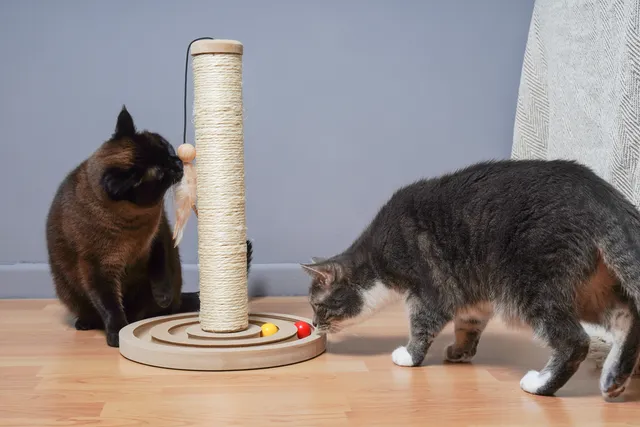
Providing your cat with an outlet for their energy and hunting desires can help reduce your cat’s likelihood of bothering your feet. This means ensuring your cat has a rotation of interesting toys, as well as time with you every day. You can also encourage your cat to use their hunting instincts appropriately by providing them with games and food puzzles.

Conclusion
Cats are some of the strangest animals that we bring into our homes, so it shouldn’t be unexpected when your cat does weird things like playing with your feet. This behavior can get obnoxious, though, and you may need to work with your cat to discourage the behavior. But if you don’t mind, your cat may spend lots of time sniffing, licking, biting, kicking, rubbing on, and pouncing on your feet!
Sources
Featured Image Credit: Beatriz Vera, Shutterstock
Expert cat care, straight to your inbox
News, insights, and useful advice, delivered to you.

No spam — unsubscribe anytime.
By signing up, you agree to our Terms & Conditions and Privacy & Cookies Policy.
How useful was this post?
Click a star to rate. You can leave written feedback afterwards. (We read all feedback.)

Brooke Billingsley, a former veterinary assistant for nine years, became a nurse in 2013. She lives in Arkansas with her boyfriend of five years, surrounded by her beloved pets: three dogs, two cats, five fish, and two snails. Brooke has a soft spot for special needs animals, caring for a three-legged senior dog and a widely known cat with acromegaly and cerebellar hypoplasia. She has developed a keen interest in fish keeping and is always learning how to provide the best environment for her aquatic pets. In addition to her passion for animals, Brooke enjoys gardening and maintains a vegetable garden during the summer. She stays active with yoga and received her 200-hour yoga teacher certification in 2020. Brooke also hosts a podcast that delves into folklore and myth, dedicating her spare time to research and writing. She embraces the philosophy that every day is an opportunity for learning and growth, continually working to acquire new skills and knowledge.