Why Does My Cat Lick My Feet & Toes? 5 Vet-Reviewed Reasons


In this article
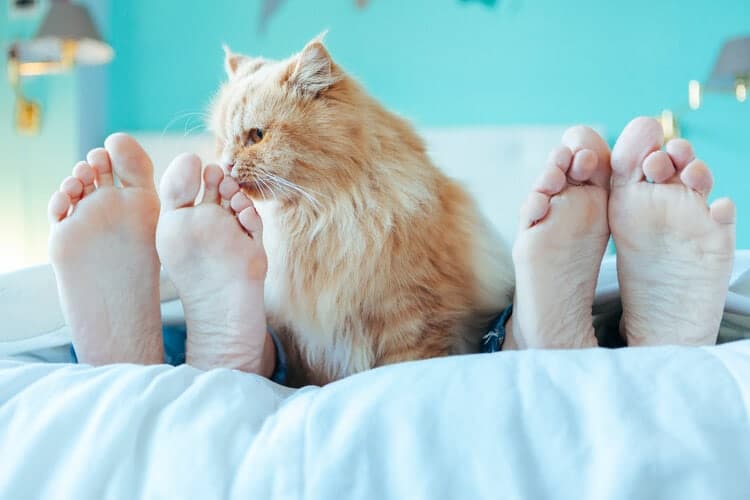
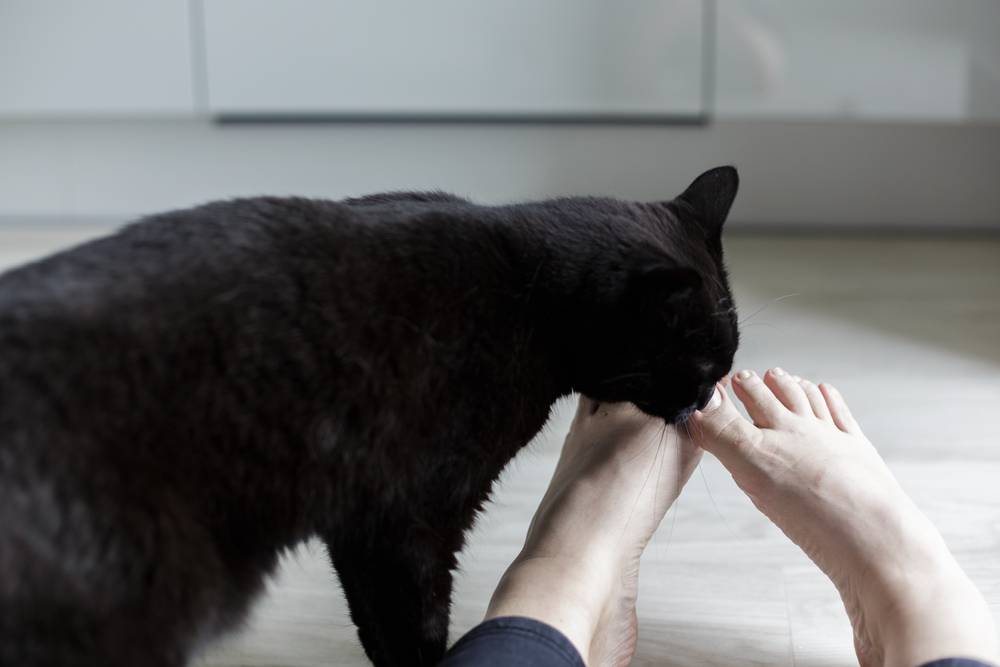
Does your cat lick your feet? Demand attention? Invade your space? These behaviors might be a little peculiar to us humans, but we love them all the same. Getting a sandpaper kiss across your tootsies may or may not be a welcomed surprise—many of us are quite ticklish.
If you just want to understand your cat's body language or a bigger issue at hand, we'll go over why cats lick our feet and toes and when it's a problem.

The 5 Reasons Why Cats Lick Your Feet & Toes
1. Your Cat Is Offering Mutual Grooming
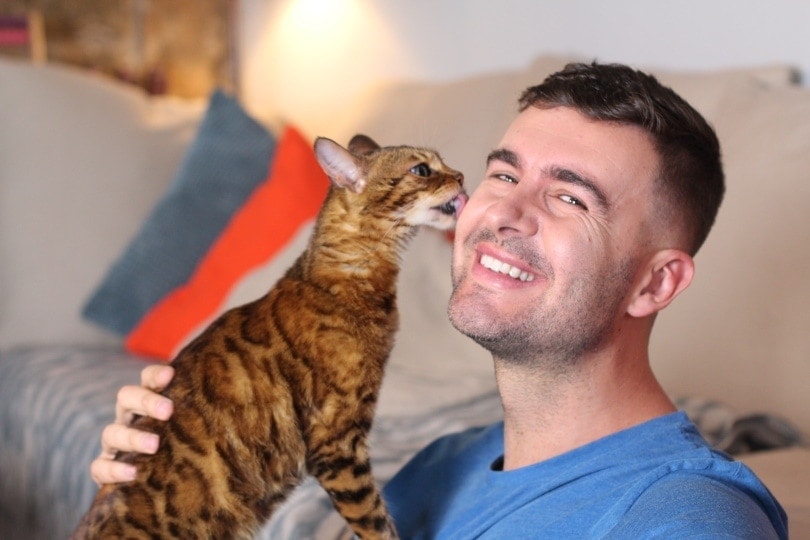
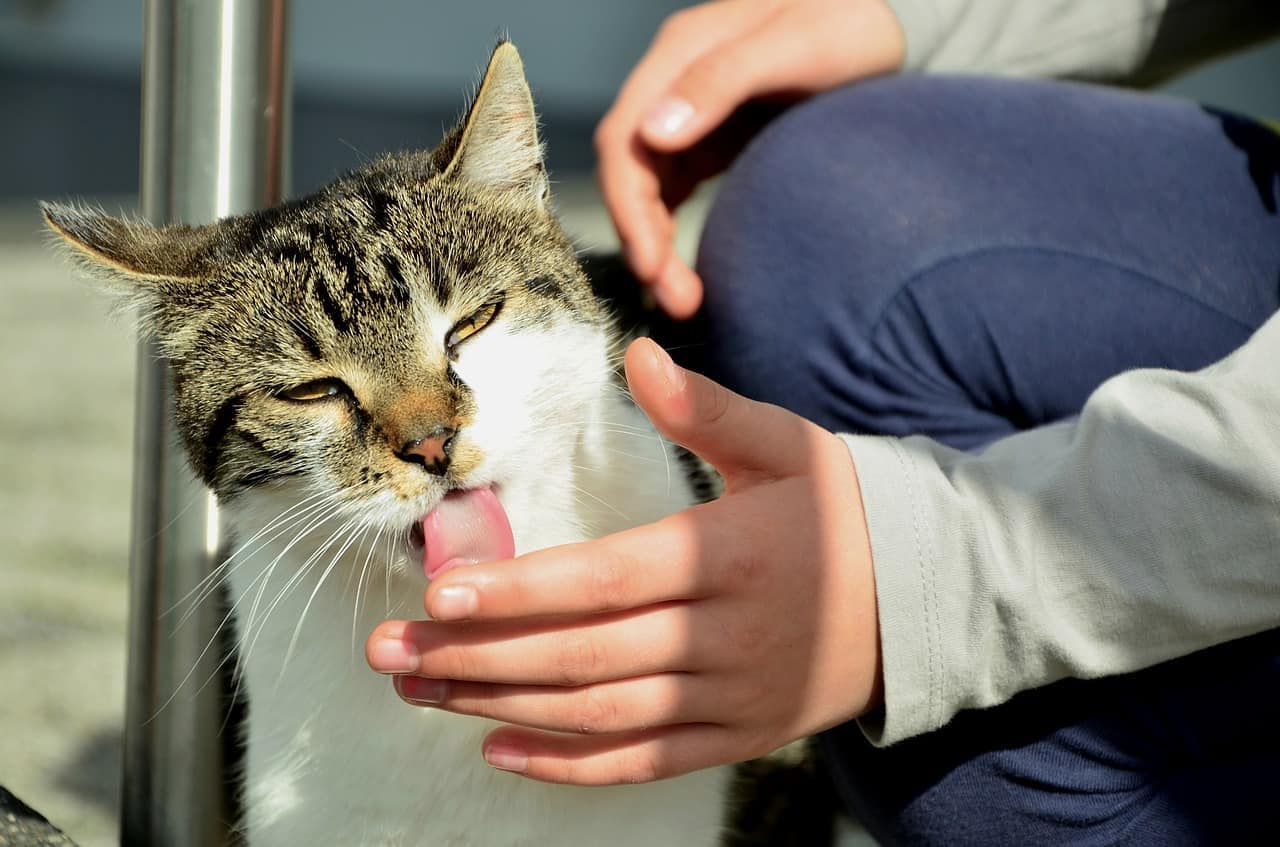
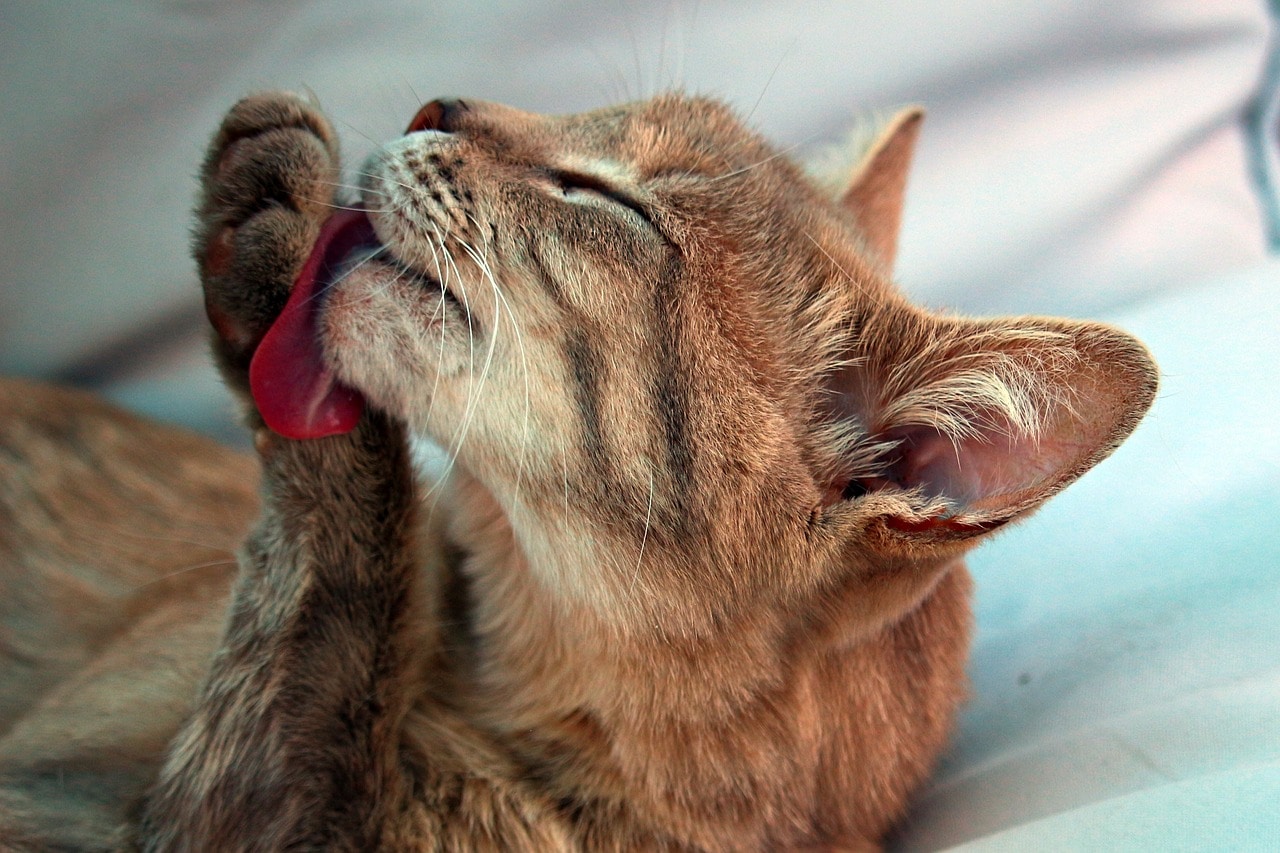
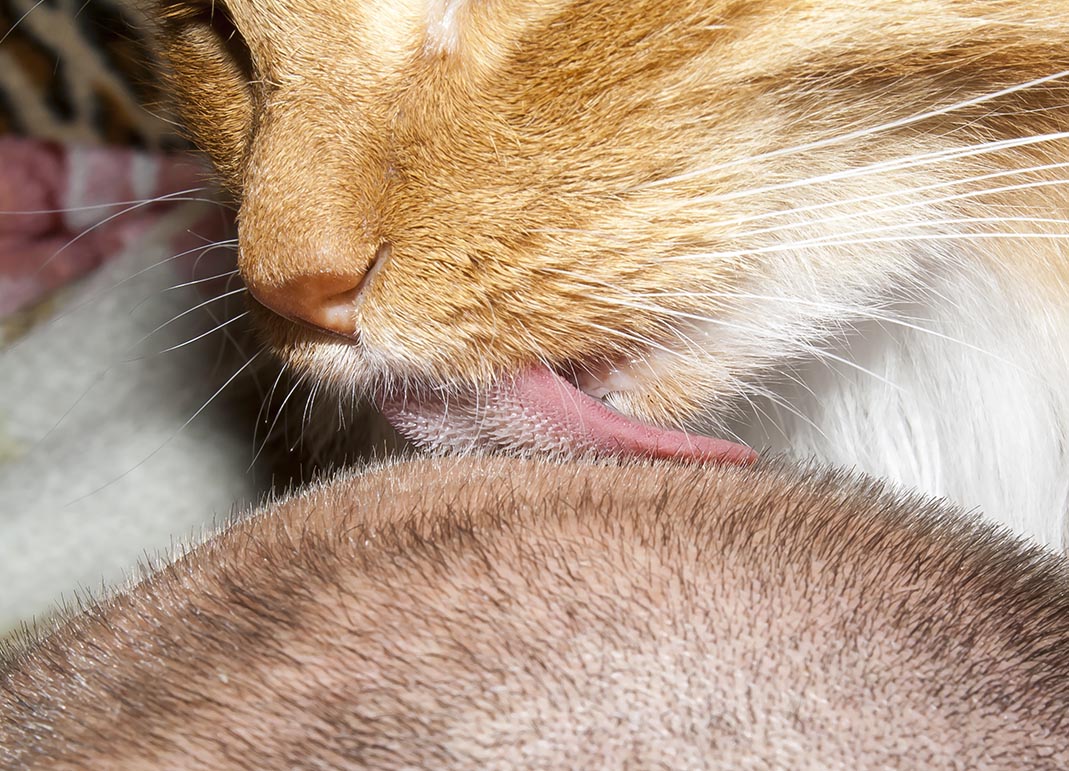
Affection is a big part of your relationship with your cat. You're always giving them chin rubs, and they're constantly giving you head bunts. Allogrooming is a bonding social behavior between cats. So, it’s not uncommon for your cats to randomly "groom" a part of your body. Because feet are such an attractive thing to a cat, they might gravitate toward them naturally.
And hey—maybe it smells really are a little rough down there, and they're doing you a favor.
2. Your Cat Is Marking Territory
If you know anything about how cats mark their territory, you know that cats have scent pads on their foreheads and cheeks. When they rub, it places their scent on things. That is why you might notice that your cat is bunting your hand.
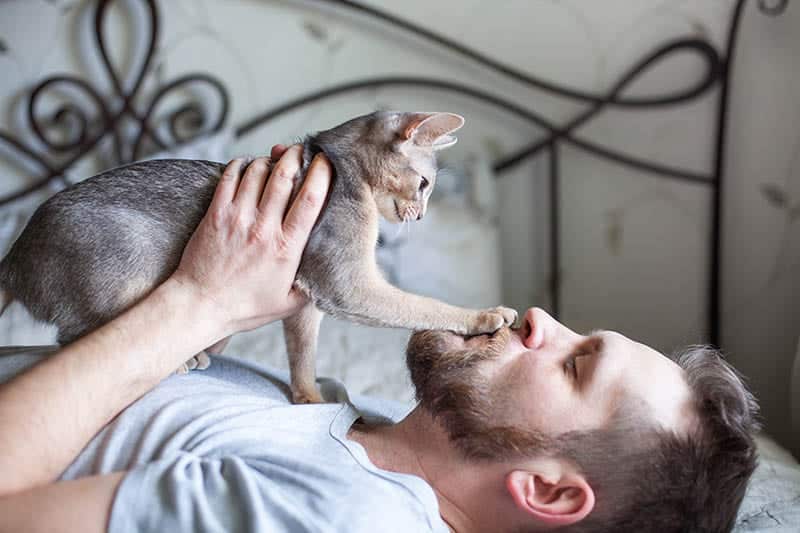
Bunting is a sign of affection but also a way to basically claim you as their own. If your cat is licking your feet, it could be to place their scent on you, letting other cats know that you were their human and not theirs.
This is especially common in a multi-pet household, as certain animals can get jealous and territorial with others, unwilling to share their attention.

3. Your Cat Is Getting More Information
Your cat can tell all sorts of information using its sense of taste and smell. And whether you realize it or not, our feet tell lots of stories. We have met so many different scents out of the sweat glands in our feet. Interestingly, this is often how diabetic service dogs are trained to detect drops of sugar in the blood.
A diabetic person will emit expirations from their feet that the dog detects and alerts the owner. It's really interesting to compare the abilities and sensations between humans and our pets. The same concept is similar to cats. They can smell and taste our feet, learning a lot about our bodies.
What might seem like peculiar behavior to you is actually an extremely intelligent primal way that your cats get to know you better.
4. Your Cat Likes a Certain Taste
Because of those same sweat glands in our feet that we just talked about, your cat might be attracted to your general musk or taste. All of our bodies smell different, giving off certain chemicals. And our feet can be practically scentless to downright stinky.
We all know how our cats are drawn to very aromatic and not-so-pleasant smells. It’s not uncommon for cats to try to lick your feet when they’re interested in the scents that you’re emitting.

5. Your Cat Is Initiating Attention
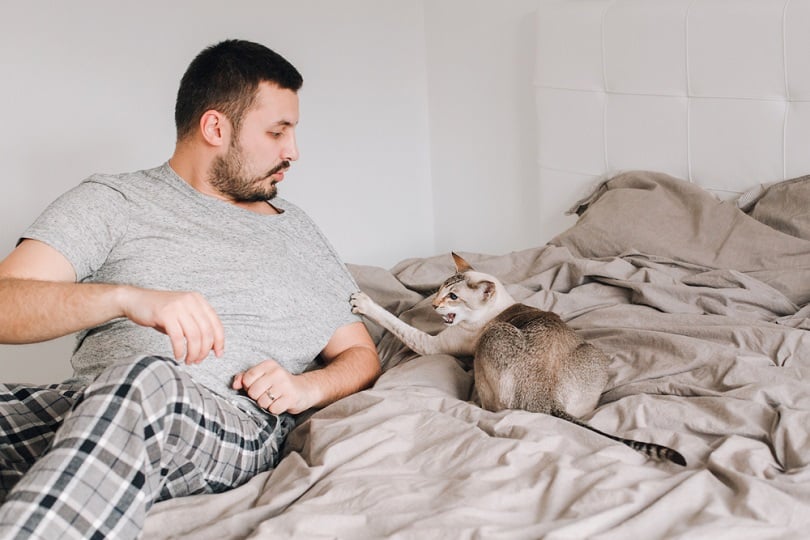
If you're sitting down with your feet propped up and your cat sees that you're not giving him any attention, this might signal that it's time to do so. Your feet are open and exposed, and your attention is diverted. It's a prime opportunity for your cat to do something they know will get a rise out of you.
If your cat licks your feet and gets a response, they will learn. After all, if licking your feet ends with a nice rub down or some delicious snack, it's well worth it for your feline.

What If Your Cat Attacks Your Feet?
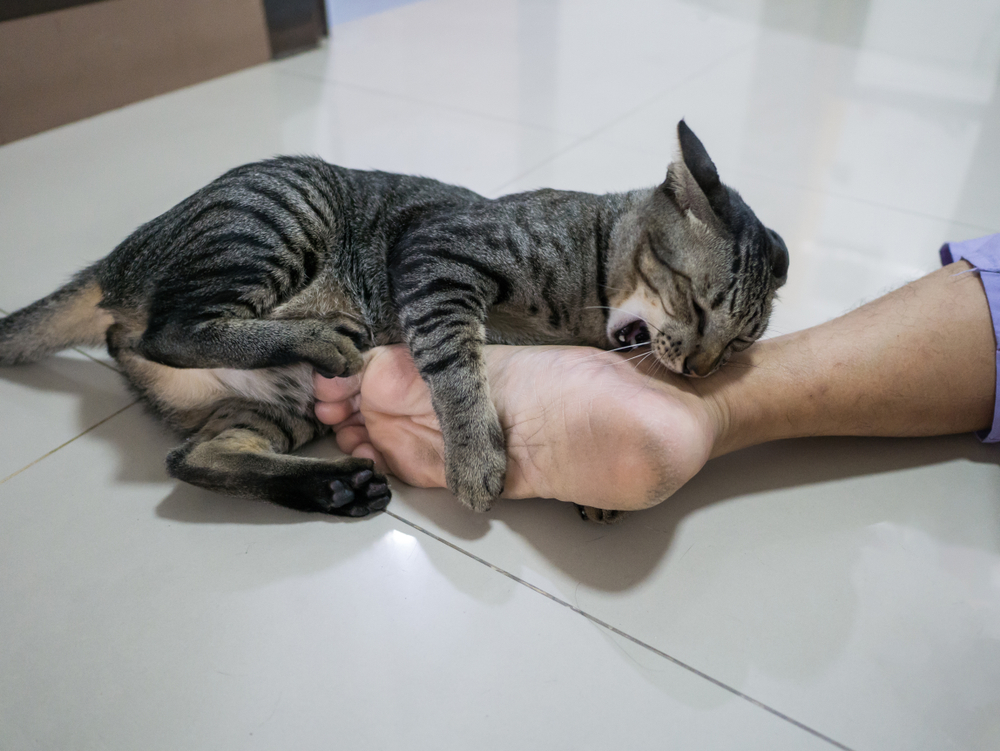
You know how crazy your cats can be during play. They seem to come running out of nowhere, driving under your feet for the great attack. You're probably caught by surprise and likely in pain.
Anything can strike your cat's attention and get them ready to rumble around. If your cats get frisky, attacking your dangling feet is probably a way to kill the boredom and practice their ninja skills. After all, how else are they going to get your attention?
Even though this is usually a harmless and adorable action, it can really hurt sometimes. If you have an extra rough cat that seems to attack you out of nowhere, they might benefit from some behavioral training. A veterinarian can be a great source of information about the training methods.
Distract Your Cat
Teaching cats good behavior can be a little bit different than teaching dogs. Any cat owner knows that the bottom line is that cats don't care what you think, and dogs do. When another creature doesn't care what you think, it's a little complicated to get them to obey you.
In fact, it's more like a negotiation than a commandment. You are working with your cat to get a result instead of ordering them to do something. Once you know this is how they roll, it makes it easier to train them. There are tons of available resources on how to train your cat. But generally, food is the key to any of their hearts. If you give them a stinky savory snack, they might have all eyes and ears on you.
You should learn to read the cat’s behavior. There are typically visible signs before aggressive behavior occurs. Once you recognize your cat’s body language cues, you may be able to avert the situation completely. Offer the cat an alternative behavior opportunity, such as climbing a tree or chasing a laser. Give the cat a treat for engaging in that alternative behavior instead of attacking your feet.
Keep in mind that hormones can also play a role in a cat’s aggressive behaviors. Intact cats can experience behavioral changes, and aggressive behavior is more common in males. We highly recommend spaying or neutering your cats before they reach sexual maturity, generally between 4 and 6 months of age.

How to Stop Your Cat Licking Your Feet
If your cat licking your feet is unbearably irritating, you can always try to avoid the situation. Try wearing socks or slippers in the house to cover up your toes from temptation.
If you have bare feet, you can always wait for them to approach and gently pull your feet away, telling them no. We know that they don't always listen, but it's worth a go.

Conclusion
Cats licking feet is probably totally harmless. We understand that if you're ticklish, it can really be a big episode every time it happens. In any case, foot licking is generally harmless unless accompanied by violent attacks. That's not common, and you should address any extreme behavioral issues with your veterinarian or behaviorist.
Featured Image Credit: Jasmin Bauer, Shutterstock

Expert cat care, straight to your inbox
Vet-reviewed advice, behavior tips, and the best of Catster. Free, and you can unsubscribe anytime.
By signing up, you agree to our Terms & Conditions and Privacy & Cookies Policy.
As a freelance dog writer and passionate pet enthusiast, Ashley Bates is pursuing studies in animal therapy. A mother to four human children and 23 animal companions, Ashley is dedicated to volunteering at shelters, advocating for animal rights, and rescuing animals in need. Her goal is to spread awareness, provide education, and offer entertainment about pets to reduce homelessness. Ashley's specialties include dogs and cats.
Join the conversation
Ask a question, share your story, or send private feedback.