Why Does My Kitten Bite Me? 5 Vet-Reviewed Reasons


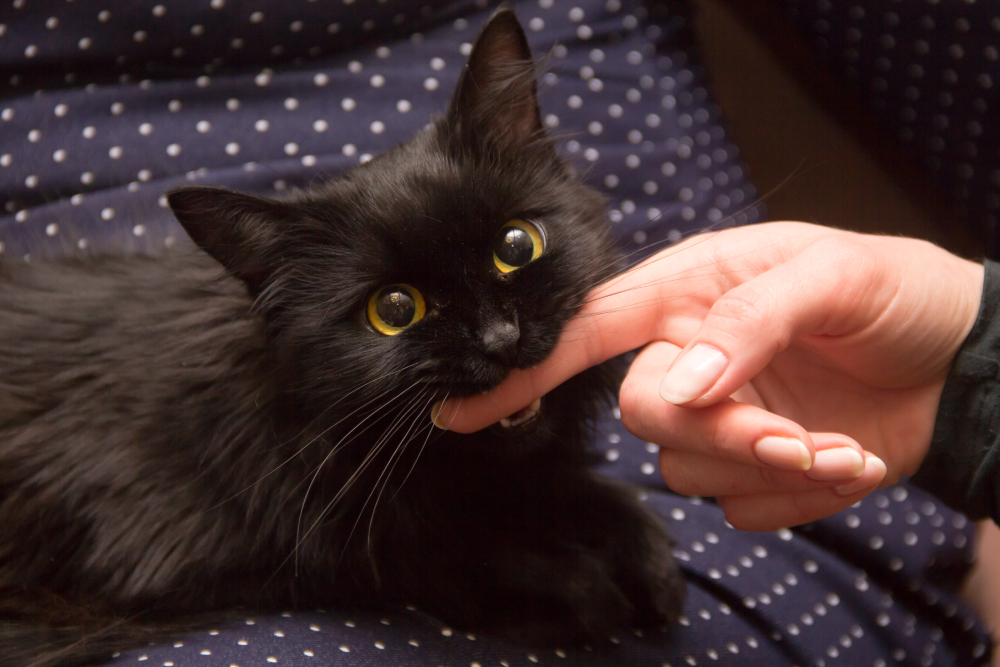
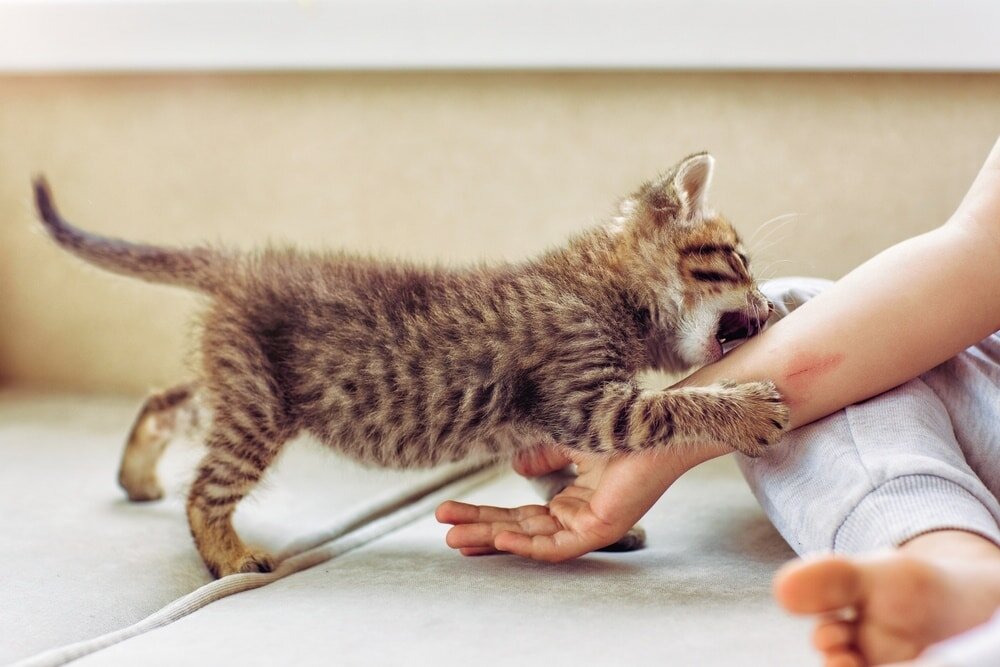
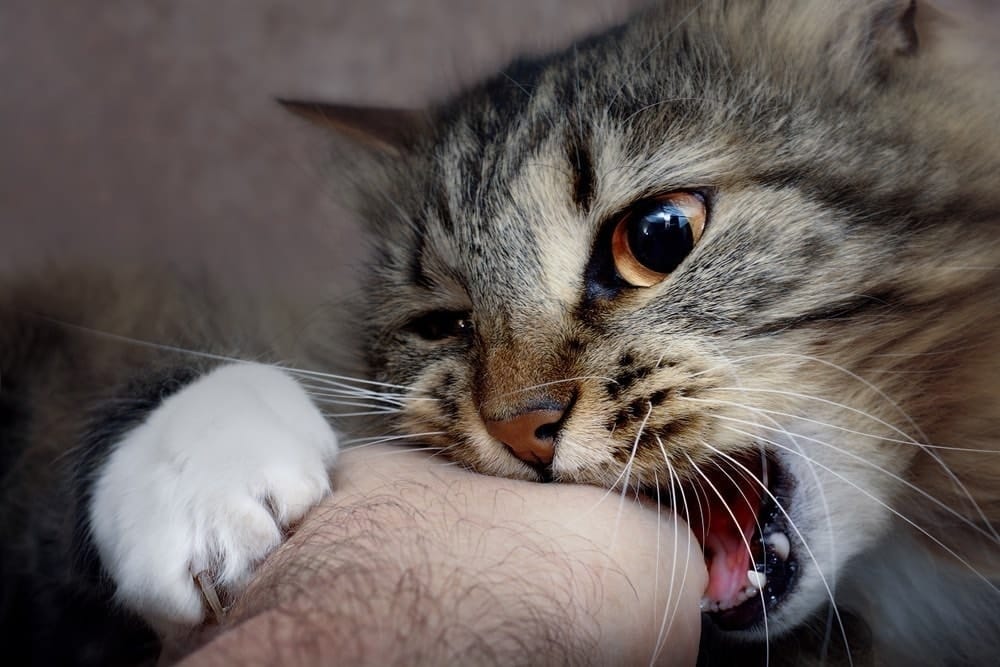
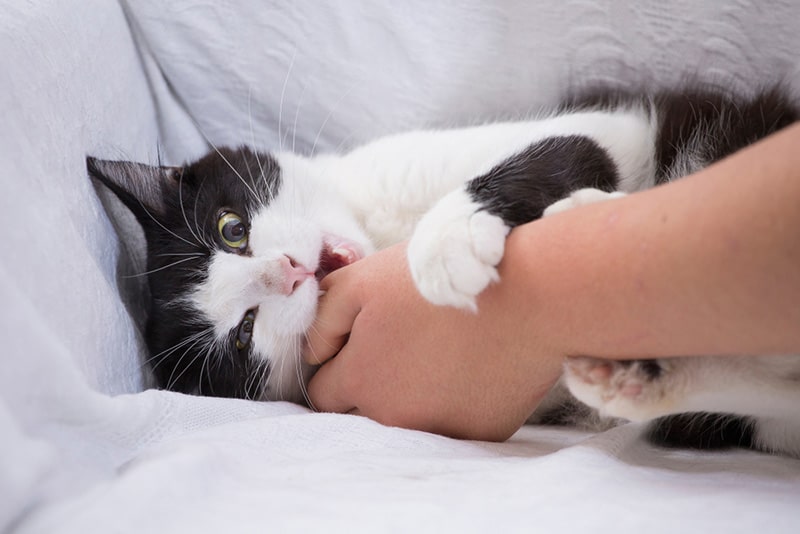
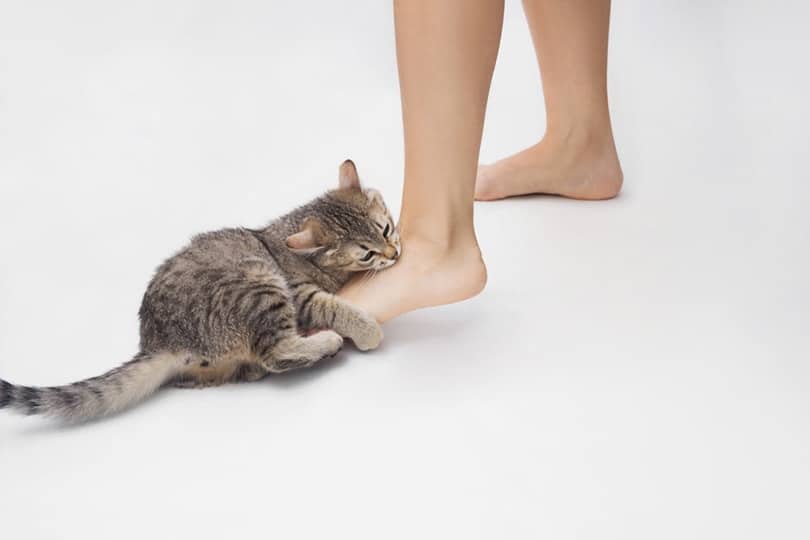
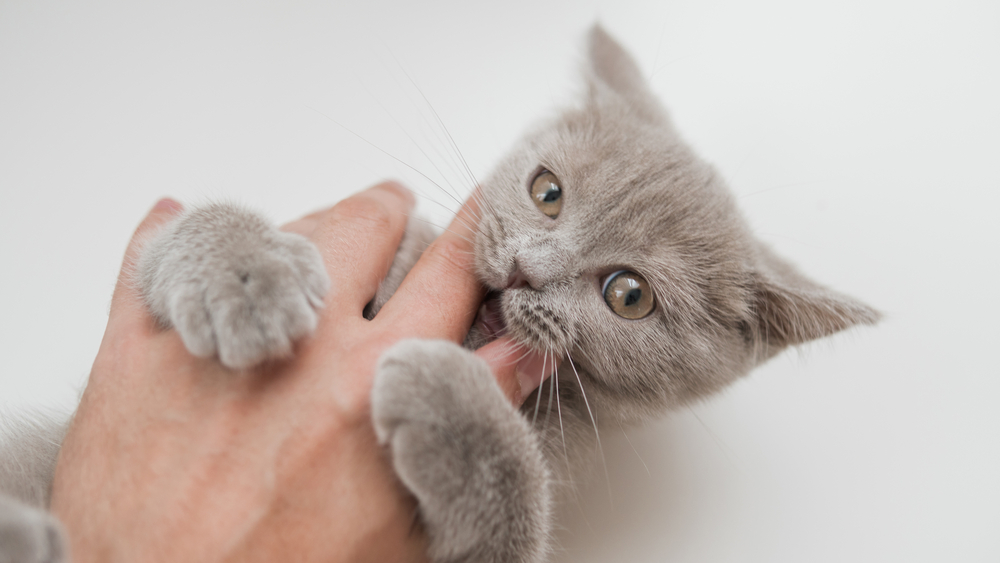
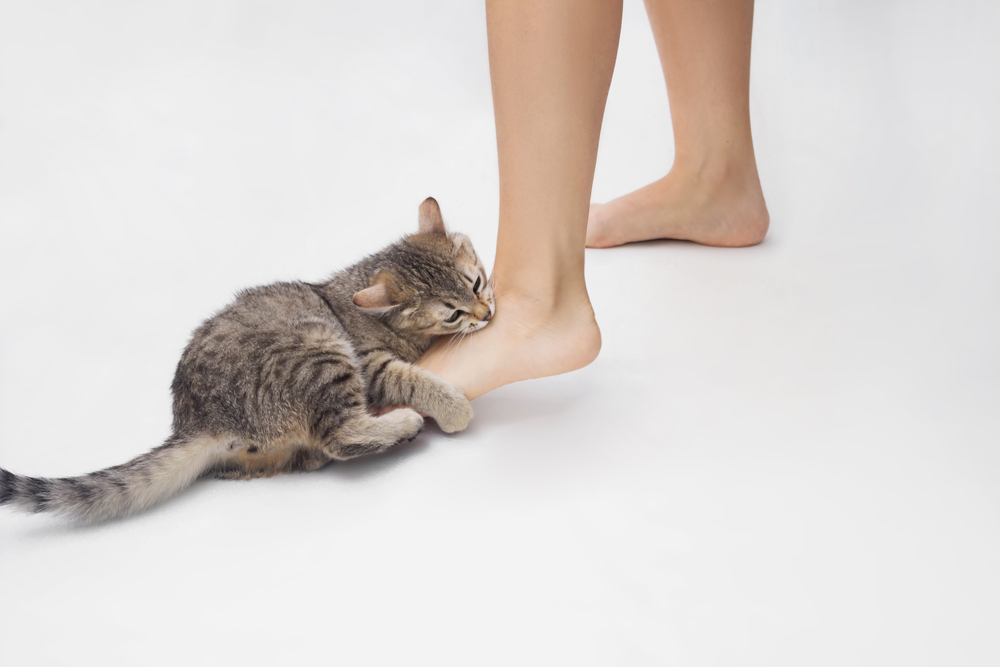
Kittens always look cute but they do not always play cute. These rascally little animals love to roughhouse and explore the limits that their owners put on them. So, it’s no wonder that many of them tend to bite their human companions. The biggest reason is to satisfy their natural instincts to hunt prey. However, there are many other reasons that a kitten might bite their human companions.

The 5 Reasons That Kittens Bite
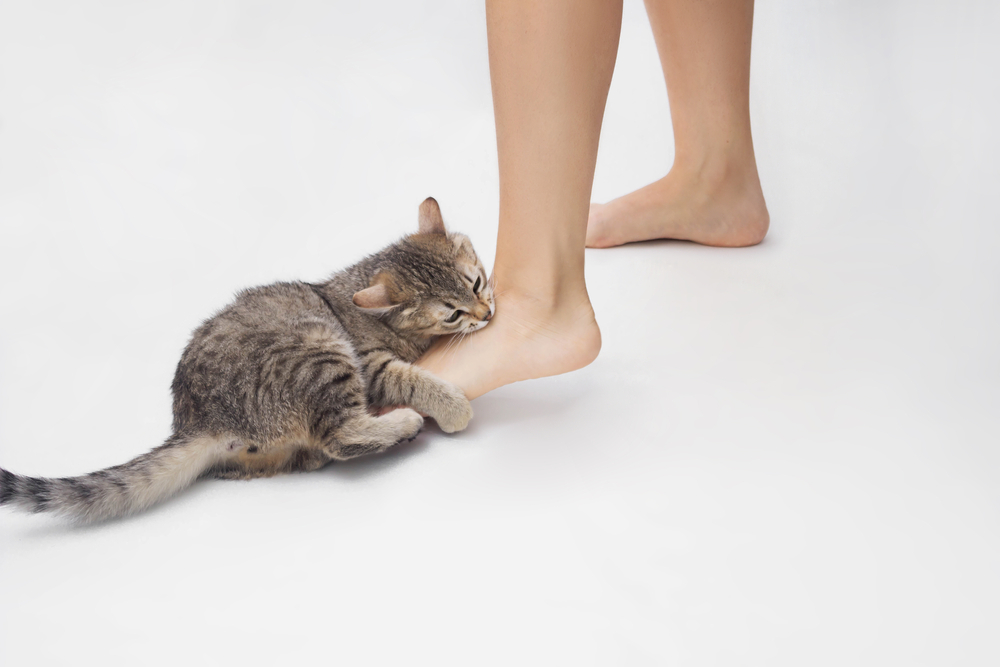
The most common reason that a kitten might bite a human family member is to engage in play that mimics hunting behavior. Cats are natural hunters, and their instincts to do so begin developing as early as 4–5 weeks of age. In the wild, a cat would need to hunt and kill prey like mice and crickets to eat and survive.
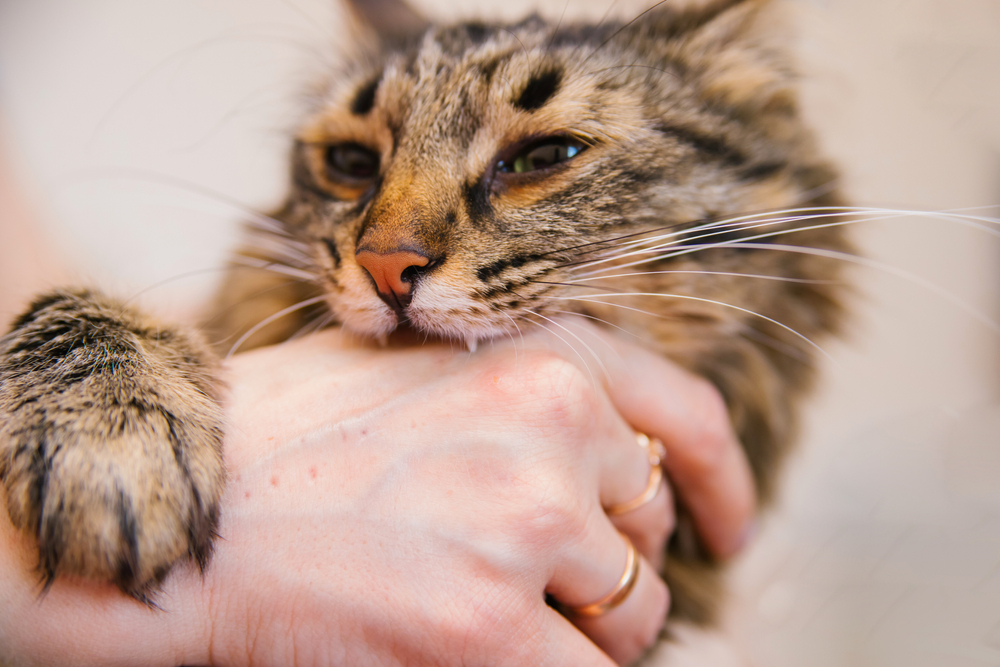
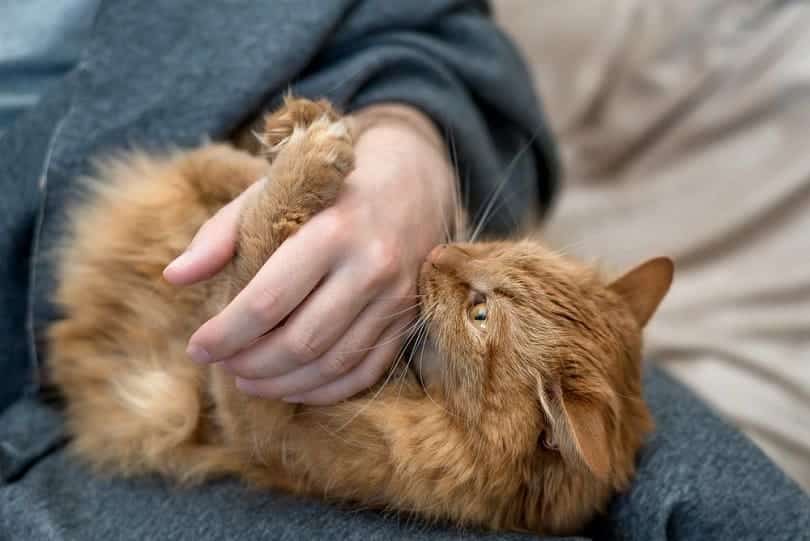
Just because they are provided with meals each day doesn't mean kittens don't have the instinct to hunt prey. So, they may bite your hands while you play with them or when you are doing something with your hands in front of them because they are practicing their hunting skills. Other reasons that a kitten might bite you include:
1. They’re Exploring Their Boundaries
Like young children, kittens sometimes try to push up against their boundaries to see what their companions are willing to put up with. When it comes time to play, they want to know just how far your patience and pain tolerance will go. If this is the case, you must make sure they know that you won’t put up with this activity. You can do this by sternly yet calmly telling them “no” and redirecting their attention to an appropriate toy.

2. They’re Ill
Sometimes, a kitten will bite on anything that their little mouth comes into contact with when they are feeling ill. It might be due to gastrointestinal distress, a worm infection, a sore paw, dental pain, or even a pulled muscle. Whatever the case, biting helps them cope with discomfort or irritability. If signs of distress and/or discomfort are accompanied by biting, illness is a likely cause. It’s a good idea to seek out assistance from a veterinarian at this point.
3. They’re Looking for Attention
Most kittens like attention, and they will go to great lengths to get it. So, don’t be surprised if your kitten comes up and bites you on the hand while you’re typing on your computer’s keyboard. By playing back with your cat at this time, you are rewarding their disruptive behavior. That said, you don’t want to ignore them, as they’re telling you that they need attention. Therefore, it’s a good idea to let your kitty know that biting is unacceptable by calmly moving away and then waiting until they stop the behavior before interacting in a safe and fun manner with them. The clue is to use positive reinforcement by rewarding calm behavior rather than reacting to biting.

4. They’re Teething
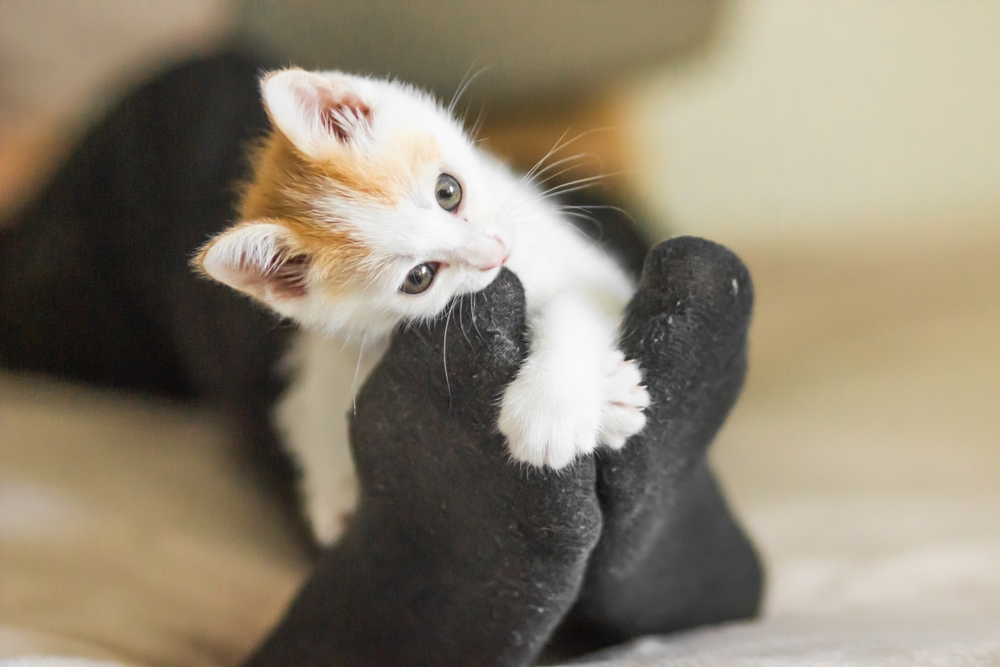
Kittens that are teething are likely to bite on anything that they can get their mouth on. Teething typically occurs between 3 and 6 months of age, when baby teeth fall out, and adult teeth erupt. If your body part happens to be easily accessible, it may become a teething toy. If the biting is due to teething, it likely will not hurt much, but allowing your kitten to continue this activity can encourage them to bite when they play later with large adult teeth. So, it's important not to let your kitten bite you, no matter the situation. Instead, offer safe, kitten-appropriate chew toys. Avoid fabric or loose materials that could be ingested or cause choking.
5. You’re Encouraging It
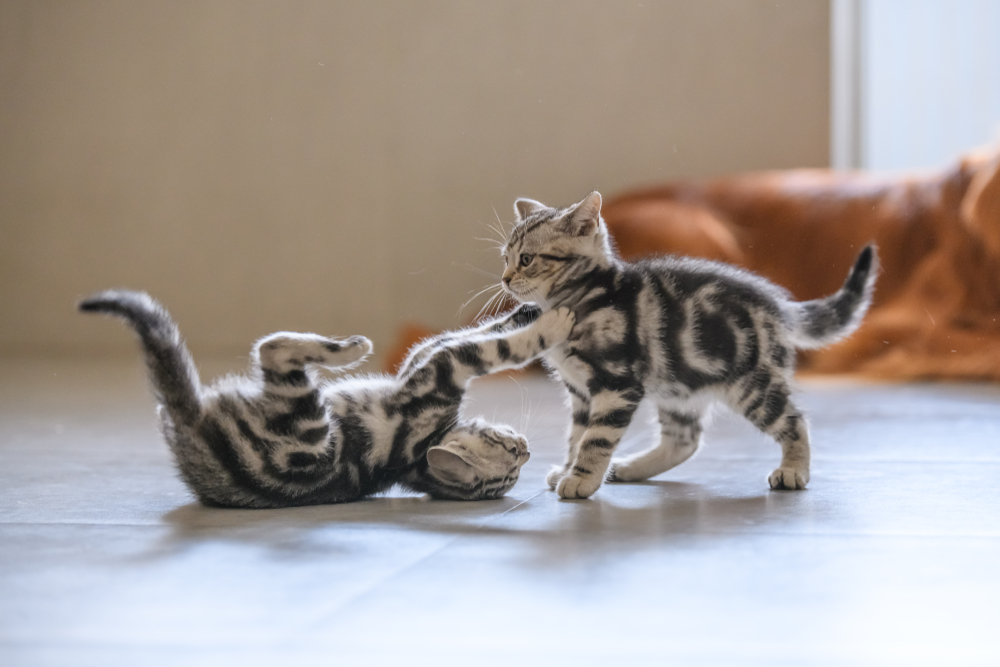
Rough playing encourages biting, as kittens that get too excited can’t seem to help themselves. When you’re playing to the point that your kitten is scrambling, twirling, jumping, and clawing, don’t be surprised when the teeth come out, too. It’s not a good idea to encourage this, as it can be dangerous when children and friends/visitors try to play with them. So, keep rough play to a minimum, and encourage behavior that doesn’t involve teeth or nails. Use wand toys or balls to maintain a safe distance between your hands and your kitten’s mouth.


How to Stop Your Kitten from Biting You
The best way to stop your kitten from biting you, no matter the reason, is to redirect their attention. You can easily do this by giving them a toy or creating a game that doesn’t involve personal contact. The idea is to engage your cat’s instincts and biting tendencies without allowing or encouraging the biting of human skin.
Your kitten must learn that biting you is not acceptable behavior. Once they understand this, they will use alternative options instead of biting your skin when they feel like biting something. However, it is important to note that this is not a good approach if the biting is due to illness; a veterinarian should be consulted instead.
Ways to Engage Your Kitten’s Biting Tendencies
There are several different things that you can do to safely engage your kitten’s biting tendencies. First, make sure you have at least one scratching post and one climbing tower situated in your home. This will allow your kitten to jump, climb, scratch, and bite as much as they want to without injuring any human family members. Here are other options to consider:
- Release an electronic mouse toy on the floor in your kitchen so your kitten can hunt it down.
- Use a feather toy to entice your cat when they are feeling frisky.
- Roll a few balls around the house for your kitty to chase down.
- Offer safe chew toys designed for kittens to satisfy oral exploration.
- Tie knots in old, holey socks, and use them as bait when your cat is in the mood to hunt.
- Work on teaching your kitty tricks so they don’t think about hunting and biting so much.
You can also work with a certified cat behaviorist, who is trained to help cats and their owners deal with behavior issues. They can teach you skills to deal with excessive biting and help you create an effective plan that keeps biting to a minimum.


Conclusion
Let’s face it, kittens like to bite! It’s typically because they are practicing their hunting skills through play, and they mean no harm. No matter the reason, though, it’s important to establish that biting humans is not acceptable. Also, ensure that your kitten has an outlet for their hunting and roughhousing behavior. Redirecting energy appropriately helps prevent play aggression and promotes healthy socialization as they grow.
Featured Image Credit: dashtik, Shutterstock

Expert cat care, straight to your inbox
Vet-reviewed advice, behavior tips, and the best of Catster. Free, and you can unsubscribe anytime.
By signing up, you agree to our Terms & Conditions and Privacy & Cookies Policy.
Rachael has been a freelance writer since 2000, in which time she has had an opportunity to research and write about many different topics while working to master the art of fusing high-quality content with effective content marketing strategies. She is an artist at heart and loves to read, paint, and make jewelry in her spare time. As a vegan, Rachael is obsessed with helping animals in need both in her community and anywhere in the world where she feels she can make a difference. Animals also happen to be her favorite topic to write about! She lives off the grid in Hawaii with her husband, her garden, and her rescue animals including 5 dogs, a cat, a goat, and dozens of chickens.
Join the conversation
Ask a question, share your story, or send private feedback.