Get

In Your Inbox

Catster is reader-supported. When you buy via links on our site, we may earn an affiliate commission at no cost to you. Learn more.

Why Do Cats Pounce? Feline Instinctive Behavior Explained (Vet-Reviewed)


Share

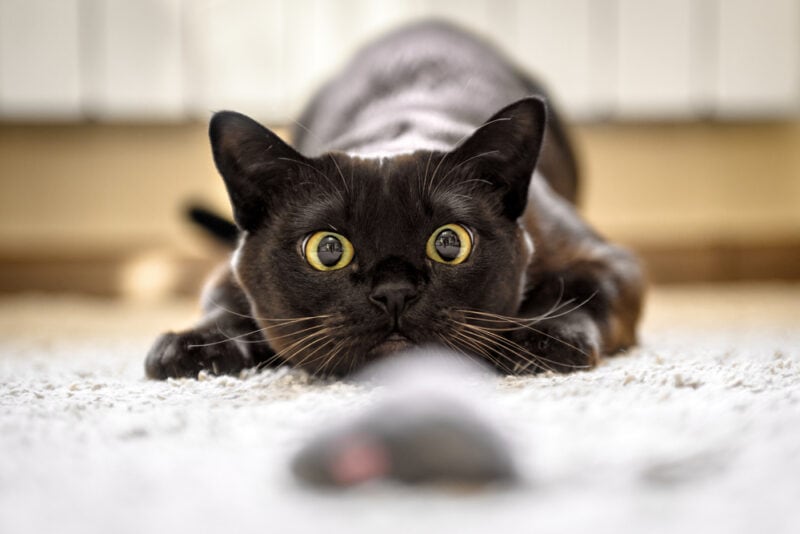
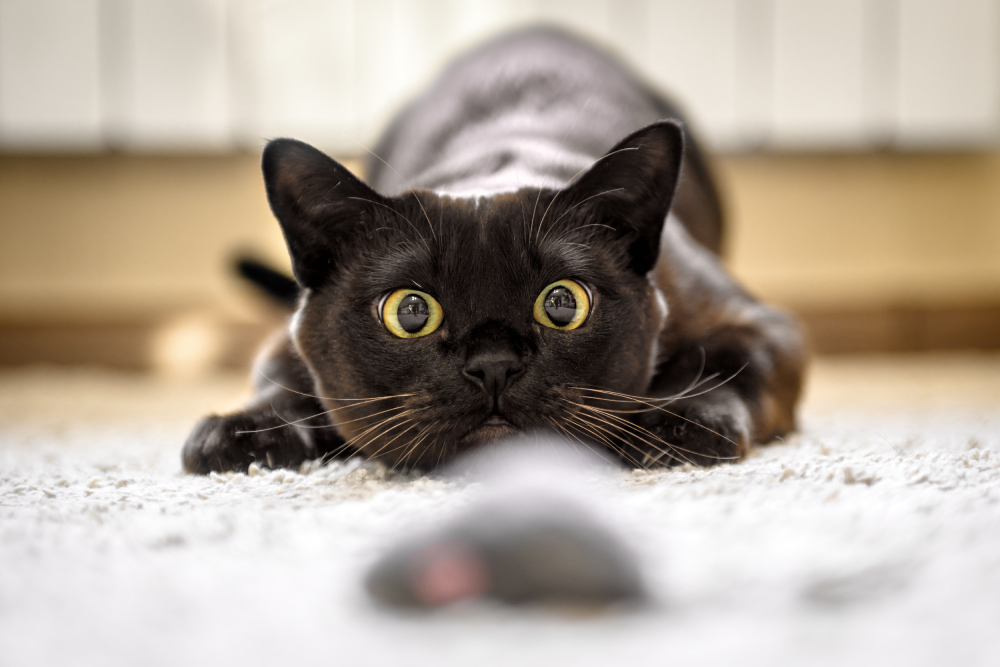
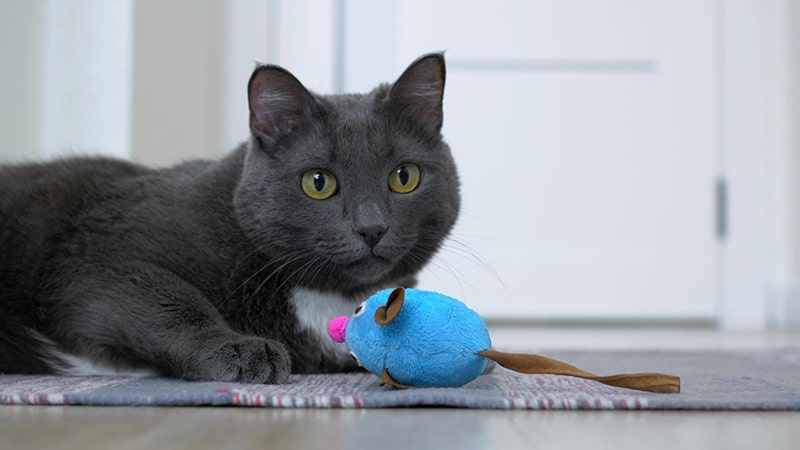
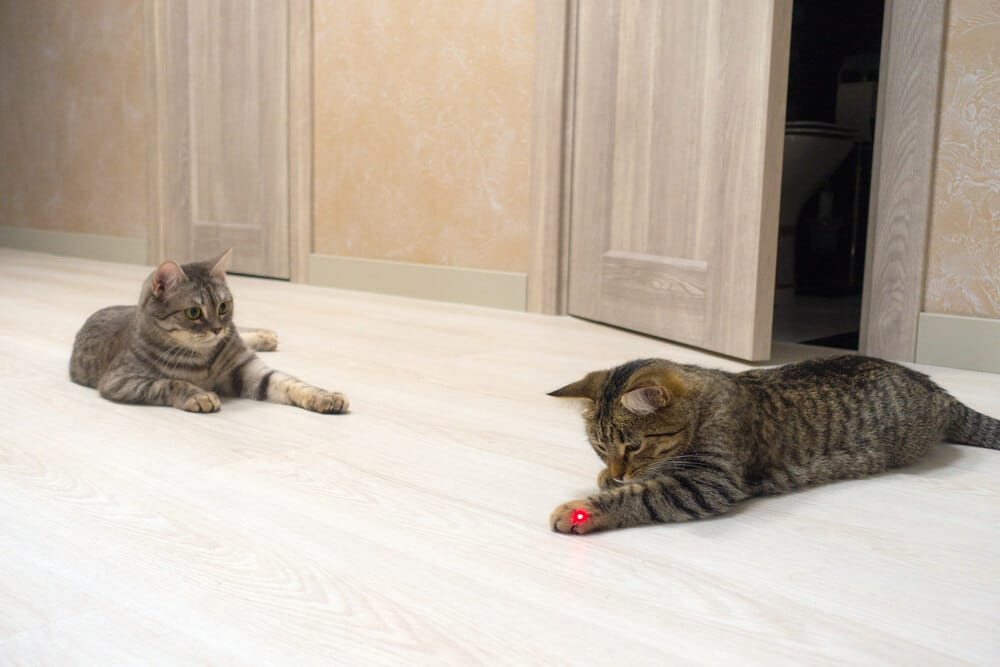
Cat hunting to toy mouse at home

Have you ever watched your cat bound around the house, seemingly jumping on random things? You may have wondered why they do it. The answer is simple: Cats love to pounce! But why? Cats pounce as an instinctive behavior and may do it just for the fun of being playful.  Let’s dive into the wild world of cats and pouncing to find out.

divider 1 paws

What Does It Mean When a Cat Is Pouncing?

From the moment they’re born, cats are hardwired to hunt and pounce. It is an instinctive behavior that helps them capture their prey. Even though house cats don’t actually have to hunt for food, they still have the urge to practice those pouncing skills.

So, when you see your kitty pouncing around the house, they’re doing something quite natural. They’re honing their skills for hunting and, ultimately, survival.

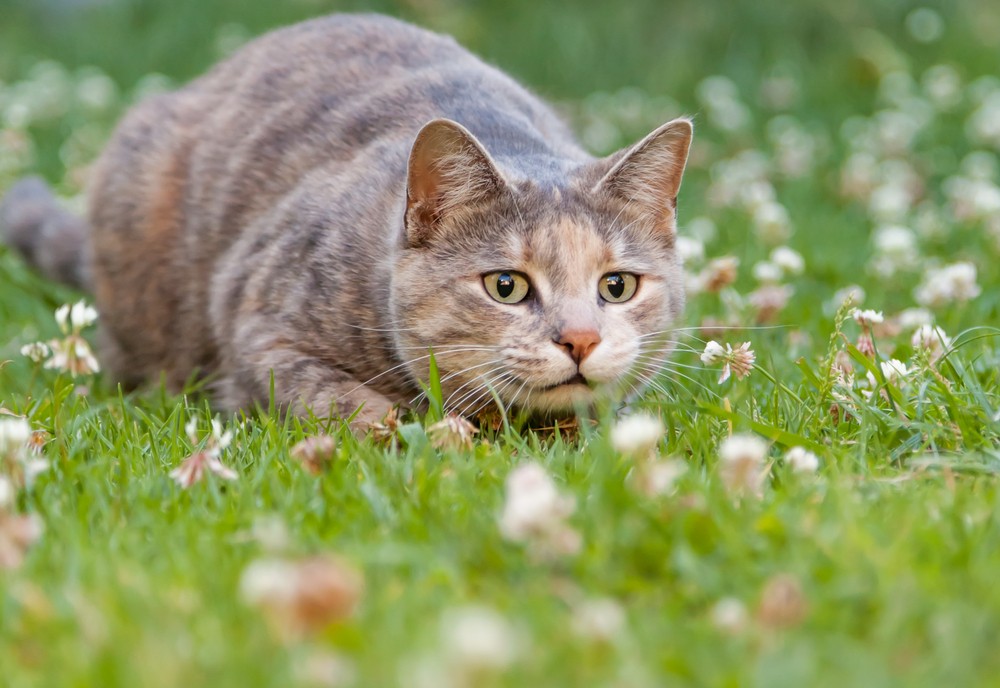
cat hunting in grass
Image Credit by: SJ Duran, Shutterstock

Why Do Cats Pounce for No Reason?

While cats may seem like they’re pouncing on objects for no reason, a lot is going on underneath. For one, cats are naturally curious. They may be drawn to a particular object or toy because of its texture, color, sound, and shape.

Cats also pounce to practice their hunting skills. They may be honing the skill of stalking and trapping prey or simply getting used to the sensation of pouncing on something.

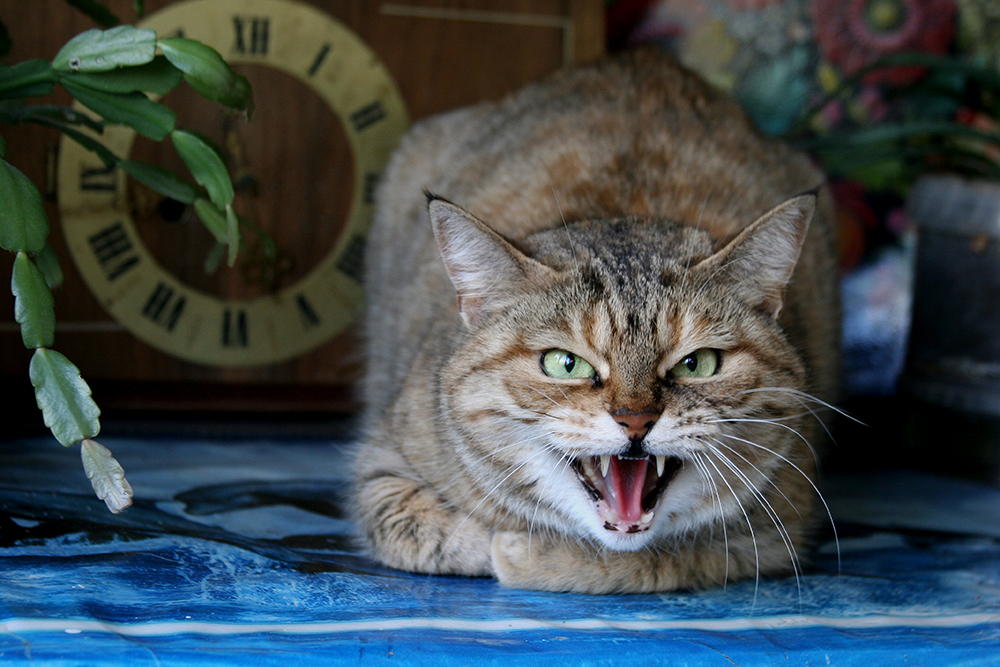
Some cats might pounce because they’re in a playful mood. After all, cats are known for their quirky and mischievous behavior. Still, others do so because they’re agitated or anxious. Perhaps not surprisingly, when cats display what we attribute as “playful” behavior, they are in fact hunting or perfecting the art of the hunt 1.

You have to remember that cats are predators by nature. If you catch your kitty pouncing around the house, don’t be alarmed. It’s just part of their natural behavior.

What Do Cats Do When They Are About to Pounce?

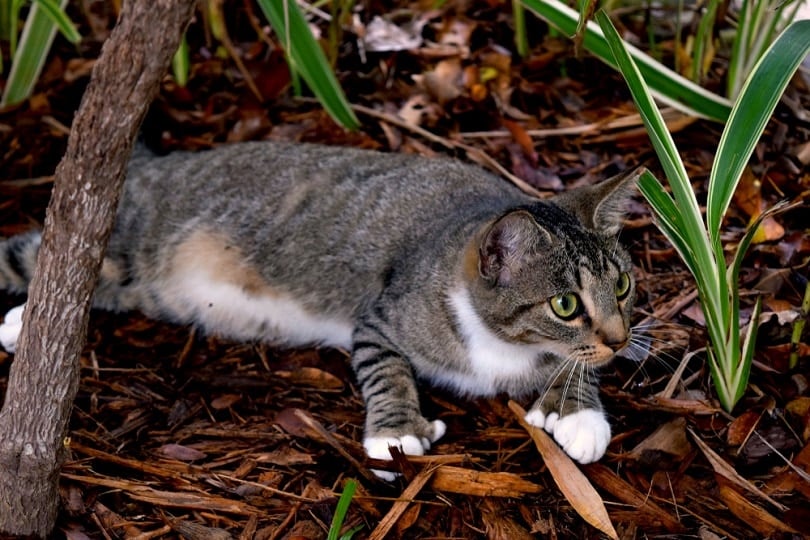
When cats are about to pounce, they’ll often crouch low to the ground and focus intently on their target. They’ll also often move very slowly, inching ever closer to their intended victim. The reason that cats take this slow and stealthy approach is to avoid detection.

As you’ve learned, cats are predators. So, even if they’re not hunting for prey, their body language and behavior mimic that of a hunter stalking their target.

cat hunting outdoor
Image Credit by: Kapa65, Piqsels

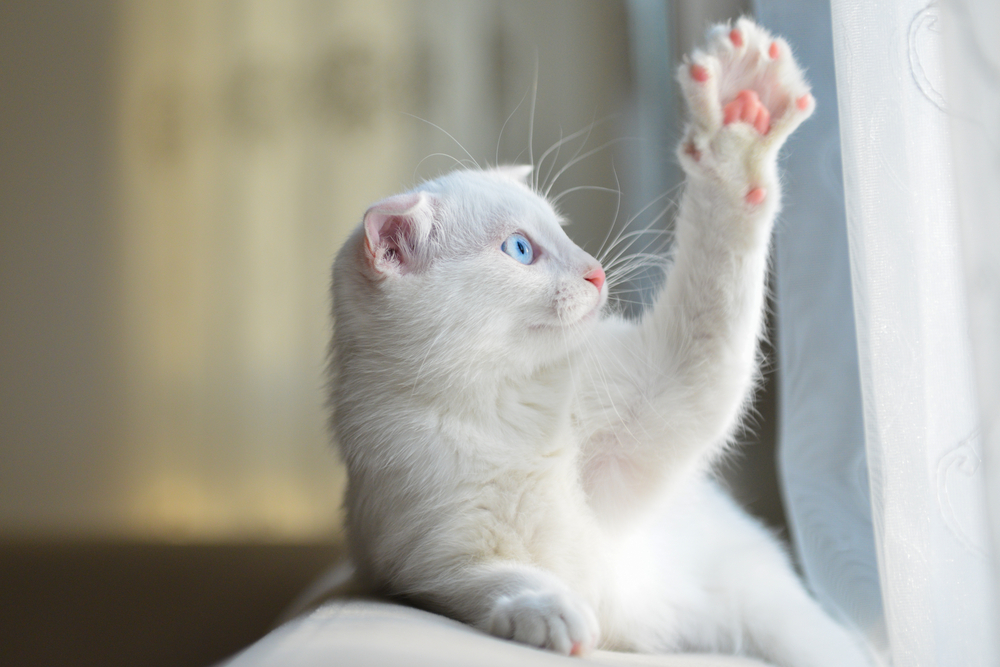
Why Do Cats Sometimes Lift One Paw Before Pouncing?

This action is yet another part of their instinctive behavior. By lifting one paw before pouncing, your cat is displaying their anticipation and readiness to strike. This may also help your cat gain a better grip on the surface that they’re pouncing on and help their body stay balanced while they are mid-pounce.

Tips to Promote a Safe Environment for Your Cat

Since cats are naturally drawn to pounce, you must create a safe environment for them at home. This means providing plenty of toys for them to play with and areas for them to hide should they get scared or agitated.

You should also ensure that any cords or electrical wires are hidden away, as cats may also try to pounce on those. Preventive steps like these can help ensure your cat’s safety while they practice their pouncing skills.

Playing is an important part of keeping your cat mentally and physically engaged, and a great toy will make it much easier. We like Hepper's Catnip Stick Toys because they're sturdy enough to handle intense play and completely filled with organic catnip. You'll love the fun range of pastel colors and your cat will enjoy the prey-like shape!

Hepper Stick Catnip Cat Kicker Toy
  • No Filler - Like all the best cat toys our is stuffed with 100% organic catnip. Cheap cat toys with...
  • Flexible Play - Simple plush shape is great for biting, scratching and pawing. It can start life as...
  • Durably Designed - Our cat safe toys are hand-stitched with a double-lined exterior construction for...

At Catster, we’ve admired Hepper for many years and decided to take a controlling ownership interest so that we could benefit from the outstanding designs of this cool cat company!

divider 2 cats

Conclusion

Cats are delightful and mysterious creatures with lots of unique behaviors. As you now know, pouncing is one of their most common and instinctive behaviors.

So, the next time you catch your kitty pouncing around the house, try to appreciate it for what it is: a natural and instinctive behavior that cats have been doing since they were kittens.


Featured Image Credit: Viacheslav Lopatin, Shutterstock

Want content like this delivered to you?

Sign Up For Our Newsletter

News, insights, expert advice, and everything cat

* By submitting, you agree to our Terms & Conditions and Privacy & Cookies Policy.


How useful was this post?

Click on a star to rate (you can leave written feedback after clicking submit)

Help us improve Catster for pet parents!

Your feedback really matters.

What did you like about this post? Also how can we improve it?

Join the conversation

Leave a Reply

You’re very welcome to leave a comment or question. Please know that all comments must meet our community guidelines, and your email address will NOT be published. Let’s have a positive and constructive conversation.


Catster's Digital Magazine is Back!

Vet-approved health & behavior advice

Real cat stories & community features

When a Cat Becomes a Water Fountain – Why Cats Vomit After Drinking

Seeing a cat drink water and then promptly bring it back up can be confusing. Sometimes the explanation is fairly simple, particularly if...

Chatting About Sleeping Positions, Loafing & Cats in Tubes | Chatty Cattys, Episode 33

In this episode of Catster’s Chatty Cattys podcast, Dr. Karyn and Nicole dive deep into the fascinating world of feline sleep behaviors. From...

The Bite Stuff: The Truth Behind a Cat’s Sudden Nip

A cat bite that seems to come out of nowhere is one of the more confusing things a cat owner deals with. Everything...

Your Cat’s Purr Proves They’re One of a Kind

There are few sounds more comforting to a cat parent than the familiar rumble of a purring cat. You probably know your own...

More related

How To Clean A Cat’s Wound – 7 Vet Approved Steps

It’s awful when our fur babies get injured, no matter how big or small it may be. However, some injuries are minor enough—such...

LaPerm Cat: Breed Info, Pictures, Traits & Facts

The cat kingdom has truly fascinating cat breeds, one of which is the LaPerm, which stands out for their curly coat. These unique-looking...

Can Cats Eat Collard Greens? Vet-Approved Nutrition Advice

Plain collard greens are perfectly fine for cats to eat. They provide a good source of fiber, along with nutrients and minerals. Cats...

Over 120,000 lbs of Donated Pet Food Delivered to Hurricane-Affected Communities Thanks to Pets Global & Locals

Pets Global, along with local college students, retailers, rescue organizations, and volunteers, have united and distributed over 120,000 lbs of donated cat and...

Keep reading

Why is My Cat Throwing Up Yellow Liquid? 5 Vet Approved Reasons

Your cat vomiting can be concerning, but it may alarm you when they throw up yellow liquid. This colorful concoction surely could not be good, right? While yellow vomit looks incredibly unnatural, all it means is that it is mostly...

tabby white british shorthair cat vomit outdoors

Can Cats Eat Passion Fruit? Vet Approved Feline Nutrition Advice

Our feline friends love treats, and we love giving treats to them! Most of the time, we stick with cat-specific treats, but sometimes, it’s tempting to let our kitties have a bite of whatever we’re eating (especially when they have...

Can Cats Eat Passion Fruit

Can Cats Get Car Sick? Vet-Verified Facts & Info

A car ride often represents three things to your cat: change, a lack of control, and loss of freedom. Felines hate all of them, and this ramped-up anxiety and stress are even able to trigger vomiting or motion sickness in...

Cat Car Carrier

What Human Foods Can My Cat Eat on Christmas? 10 Good Options

Holidays are a time to celebrate family. For 45.3 million American households, that may include your cat1. We certainly understand why. Felines are intelligent animals that interact with people differently than dogs. We value our relationships with them, making it...

4 Cat Calming Collar Side Effects You Need to Know (Vet Reviewed)

Cats can be anxious or scared animals, especially in stressful situations. There are lots of things that people rely on to help manage their cat’s anxiety, and one of the most popular is a calming collar. These collars are sold...

cat wearing a purple calming collar

Why Do Cats Cover Their Face When They Sleep? 5 Likely Reasons (Vet-Verified)

Cats are adorable when they sleep, which is good because they spend so much time snoozing throughout the day and night. You have undoubtedly noticed cats cover their eyes when they sleep and might be wondering this is normal behavior...

cat covering face

Tonkinese Cat Health Problems: 7 Vet-Reviewed Concerns

Tonkinese cats are known for their beautiful coats and pleasant personalities, but that’s no guarantee of health. Although Tonkinese cats are healthy, they are slightly more likely to inherit some genetic conditions that will need extra care. Every breed of...

Catster_Health Problems Tonkinese Cats

Can Cats Eat Bread? Vet-Approved Facts & FAQ

Bread is a tasty treat that can be served in a variety of ways. During the pandemic, many people began experimenting with making their own bread at home due to shortages at grocery stores and bakeries, as well as to...

Can Cats Eat Bread

Love Cats? So Do We! Join the Catster Community

Stay informed with expert pet care insights delivered straight to your inbox! Discover professional guidance on animal behavior, feeding tips, trusted product picks, and much more.


Sign up for the Catster Email Newsletter

Stay informed with expert pet care insights delivered straight to your inbox! Discover professional guidance on animal behavior, feeding tips, trusted product picks, and much more.