Diabetic Neuropathy in Cats: 4 Signs to Look For (Vet Answer)

Just like humans, cats can develop diabetes. In fact, it is one of the most common hormonal disorders in the feline population, especially middle-aged and older cats.
When cats have diabetes, it means they don’t respond to or produce enough insulin to regulate their blood sugar levels. When one’s blood sugar spikes after eating a meal, insulin is required to transport it to the cells so it can be metabolized into energy. When this fine-tuned process malfunctions, it results in circulating blood glucose that is too high, which is detrimental to the body. Diabetic neuropathy is a complication that occurs in cats that have chronically high glucose levels, reported in approximately 10% of diabetic cats. Currently, the exact cause is unknown.
Do note that neuropathy in cats can occur in cats that have already been diagnosed with and are currently being treated for diabetes. Diabetes in cats requires lifelong monitoring and treatment. It is always important to have regular checks with your veterinarian to ensure that they are on the appropriate dose of insulin, especially if you are noticing any associated signs of diabetes, such as increased thirst and urination, increased or decreased appetite, weight loss, and fatigue.
Here are the signs of diabetic neuropathy that you should be aware of.

The 4 Signs of Diabetic Neuropathy in Cats
1. Weakness

Weakness in the hindlimbs is often the first sign of diabetic neuropathy. In senior cats that have underlying health disorders like arthritis, it can be easily missed or mistaken for another issue. You may notice that your cat is walking a bit slower and doesn’t have quite the same strength that they once did. Over time, you may also notice that the muscles of the hind legs are starting to atrophy, or “waste away.”
2. Inability to Jump

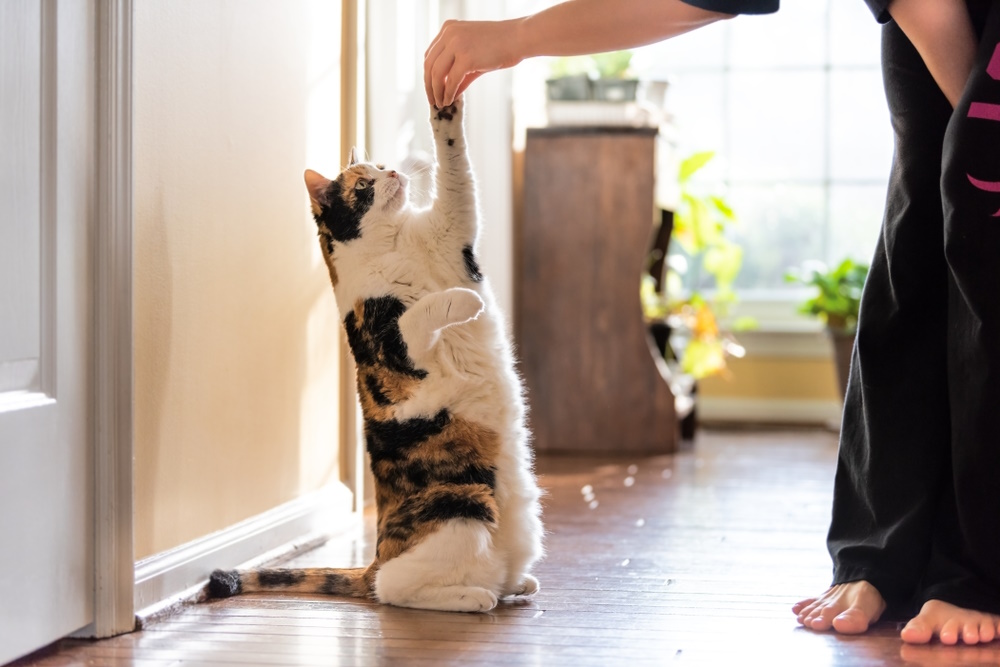
A natural consequence of physical weakness is not having enough power to jump onto surfaces. Any cat owner will know that healthy cats appreciate being up high, whether on the kitchen counters, windowsills, sofas, beds, and even curtain rails. Being at a height is instinctive to cats; it gives them a good vantage point to observe for prey and protect themselves. You may find that your cat is becoming more hesitant before jumping or not quite making the height that they normally do. Sometimes, they will stop trying altogether.
So, even if your cat is already being treated for diabetes, if they are struggling with jumping, it may be a sign to have a visit with your veterinarian.
3. Lack of Coordination

A stark, obvious sign that something is wrong is if the cat is walking unsteadily as if they were drunk. They may appear to have little control of their hindlimbs. They will have poor balance and stability, sometimes manifesting as a complete inability to control their back end. They may fall over more, cross their legs when trying to walk, and appear to not know where they would ordinarily place their limbs on the floor.
Chronically high blood sugar results in damaged nerves. Signals become disrupted on the nerve pathways, resulting in a loss of sensation in the hindlimbs and an eventual decline in motor function. This will eventually manifest as a loss of coordination.
4. Plantigrade Stance

You may have noticed that ordinarily, healthy cats walk lightly on their “tiptoes.” Humans, however, adopt a “plantigrade stance,” where our heels are dropped to the floor. When we walk, our entire foot is in contact with the ground. With diabetic neuropathy, the muscles of a cat’s hindlimbs become progressively weaker until they can no longer walk high up on their paws. Their hocks (or ankles) will drop to the floor so they are walking on the backs of their legs, somewhat mimicking their two-legged owners.
However alarming this looks, though, it tends to not be painful for the cat and is sometimes reversible when the blood glucose is stabilized.

Conclusion
Your vet will be able to diagnose diabetes based on a physical examination, blood tests, and urine analysis. Diabetes does require a commitment to treatment, with once- or twice-daily injections, dietary and weight management, and frequent hospital visits and monitoring. For most cats, treatment is successful.
While diabetic neuropathy can be alarming, it can be reversible if treatment is sought promptly and there are no other underlying complications that prevent the stabilization of your cat’s diabetes. If you notice any changes to your cat’s gait, physical activity, or posture, especially when combined with other signs of diabetes, book an appointment to get them checked out by your veterinarian.
Sources
Featured Image Credit: Libre, Shutterstock

Expert cat care, straight to your inbox
Vet-reviewed advice, behavior tips, and the best of Catster. Free, and you can unsubscribe anytime.
By signing up, you agree to our Terms & Conditions and Privacy & Cookies Policy.
Dr. Meg Barnes BVSC MRCVS (Veterinarian)
Originally from Australia, Meg is a veterinary surgeon, cat expert, and writer, currently living and working in Scotland with her family. She is a passionate advocate of preventative medicine, educating clients, and believes medicine never has a one size fits all approach. When not vetting, her happy place is either writing, or out walking the hills with her daughter and Labrador in tow.
Join the conversation
Ask a question, share your story, or send private feedback.