What's the Cost of Cat Insulin in 2026? Vet-Reviewed Price Guide & FAQ


In this article
Our feline friends can develop diabetes, and like us, they might require insulin. If your cat has been diagnosed with this disease, you're likely wondering how much you'll be paying for cat insulin. While prices can vary depending on the type of insulin and your location, there are ways to help manage and reduce these expenses. In general, insulin for cats often costs between $50–$250 per month, though it can be higher in some cases.
We've gathered the most recent pricing for cat insulin, plus all the other information you need to know about this medication. Keep reading to find out more!

The Importance of Insulin
If your cat has developed diabetes, it might not be controllable via diet, making insulin vital. Insulin is a hormone that helps the body use glucose for energy. Diabetes makes it so this hormone is either unable to be used by the body properly or results in the body not making enough insulin to achieve what's needed. The result is high levels of blood sugar and a host of health issues.
While there’s no outright cure for diabetes, it can often be effectively managed with insulin therapy, and some cats may even go into remission. Using insulin means your cat's blood sugar levels can be regulated, which will improve the state of your pet's health.
There are several commonly used types and brands of insulin in cats:
- Vetsulin
- PZI
- Lantus
- Humulin

How Much Does Insulin Cost?
How much insulin costs will vary, depending on which brand you use. Whether you choose a lower-cost alternative or a more expensive option can also affect the overall price. The amount of insulin your cat requires each month will also play a major role in determining your costs.
In general, many cats will require roughly $50–$200 worth of insulin every 30–40 days, though costs can be lower or higher depending on dosage and the type of insulin prescribed.
Those prices are mostly for insulin that is injected with syringes, but injection pens have become more popular recently. Insulin pens can make administration easier for some owners, though they are often more expensive. In addition to the insulin itself, you’ll also need supplies such as syringes or pen needles, which add to the overall cost.
The cost of a pen itself typically ranges from $100–$200, depending on the brand, while refills or cartridges usually cost around $50–$75 per box. Pen needles are sold separately, often at a price of roughly $50–$70 for a box of 100, though exact prices vary by brand and retailer.
Additional Costs to Anticipate
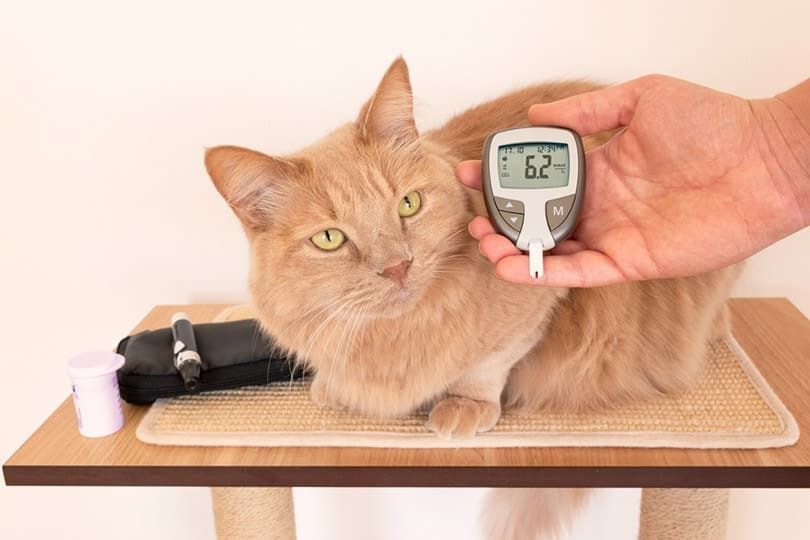
Insulin isn't the only thing you'll be purchasing to manage your cat's diabetes, though. You'll need supplies to routinely test your feline's blood sugar level; these will cost $25–$50. Then there are vet visits, so your vet can check your kitty over routinely. Depending on your vet and your geographical location, these can cost $50–$100 a visit.
You'll also likely need to change your cat's diet, possibly with a prescription diet. Prescription foods can be pricier than regular old cat food, so you're looking at $40–$80 each month for this.
Other potential costs are often related to complications from poorly controlled diabetes. While less common in cats than in dogs, issues such as cataracts may arise, with surgery costing up to $3,500 in rare cases. Uncontrolled diabetes can also contribute to serious conditions like kidney disease ($2,000–$4,000), pancreatitis ($3,000–$5,000), and liver disease ($2,000–$5,000). Following your veterinarian’s instructions for insulin administration and lifestyle management can significantly reduce the likelihood of these complications.

How to Save on the Cost of Diabetes Care
There are absolutely ways you can save on the costs associated with treating your cat's diabetes.
A few of these recommendations are:
Does Pet Insurance Cover Insulin?
Purchasing an excellent pet insurance plan for your feline can save you a bundle in the long run when it comes to caring for diabetes. Most plans will cover diabetes care in some form, but whether insulin is covered will vary by company and plan. Insulin coverage may only come in the form of an add-on of some kind, while the regular plan covers vet visits and prescription diets. And some plans may put a cap on how much is allowed for diabetes coverage each year.
The biggest issue you'll run into with pet insurance and diabetes is if your cat has been diagnosed with the disease before an insurance plan is purchased. If that's the case, diabetes will be considered pre-existing and won't be covered by insurance.


FAQ About Feline Diabetes
There are several frequently asked questions cat parents have about feline diabetes. Here are a few common ones.
How is this disease diagnosed?
If you've seen signs in your feline that you think are associated with diabetes, such as increased thirst, frequent urination, or unexplained weight loss, your vet will do a physical exam, test your cat's urine, and do bloodwork to make a diagnosis.

Why do cats develop diabetes?
The reason why isn't clear, but diabetes in cats is often linked to risk factors such as obesity, older age, lack of exercise, certain medications (like steroids), and genetic predisposition. Underlying health issues like pancreatitis or hormonal disorders can also contribute.
Is there a cure for feline diabetes?
Unfortunately, there is not. Feline diabetes can be treated and managed but not cured.
Can feline diabetes be prevented?
There's no way to prevent feline diabetes that is 100% effective, but helping your pet maintain a healthy weight via diet and exercise can help immensely in lowering the risk of diabetes.

Conclusion
Feline diabetes is expensive, with insulin alone costing $50–$250 a month. Then, there are associated costs for items such as blood sugar monitoring equipment, vet visits, and treatment of any complications that arise from diabetes. However, you can save money on treatment with the tips mentioned above and by having a good insurance plan for your cat.
Just don't skimp on the insulin if your kitty needs it, as it's an important part of treatment and will help your pet have a longer and healthier life!
Featured Image Credit: Yaya Photos, Shutterstock
Expert cat care, straight to your inbox
News, insights, and useful advice, delivered to you.

No spam — unsubscribe anytime.
By signing up, you agree to our Terms & Conditions and Privacy & Cookies Policy.
How useful was this post?
Click a star to rate. You can leave written feedback afterwards. (We read all feedback.)
Misty Layne lives out in the woods in small-town Alabama with her two Siamese cats —Serafina and Jasper. She also has an array of stray cats, raccoons, and opossums who like to call her front porch home. When she’s not writing about animals, you’ll find her writing poetry, stories, and film reviews (cats, by far, her favorite writing topic, though!). In her free time, Misty enjoys chilling with her cats, playing piano, watching indie and foreign films, photographing abandoned places, and catching up on her never-ending TBR list.